Millionaires are moving to this South African hotspot


Millionaires are increasingly relocating to Africa’s luxury property hubs, with South Africa’s Western Cape, Mauritius, and Morocco attracting high-net-worth individuals.
Commenting on the luxury property market contained in 2025’s Africa Wealth Report, Berry Everitt, CEO of the Chas Everitt International property group, noted that global wealth is on the move.
High-net-worth individuals (HNWIs) are increasingly relocating from longstanding wealth strongholds to other countries. Three main factors are driving this move.
“These three factors are quality of life, new economic opportunities and favourable tax rules,” Everitt explained.
“Via our affiliation to the Leading Real Estate Companies of the World® (LeadingRE) global network, we can clearly see them at work in the new wealth hubs that are emerging now, and more specifically in the luxury property markets in those countries.”
Everitt, who is also a director on the LeadingRE Global Advisory Board, said wealth is currently noticeably migrating to the UAE, Saudi Arabia, Singapore, and Switzerland.
More surprisingly, wealthy individuals are also going to Italy, Greece, Canada and Australia. All of these countries are actively promoting their attractions to millionaires and billionaires, knowing how much capital these HNWIs will inject into their economies.
For example, the Greek Golden Visa Program grants a five-year residence permit in exchange for as low as a €250,000 (R5.16 million) real estate investment in Greece.
“Meanwhile, the first two factors prompting millionaires to move – lifestyle and new business opportunities – are also at work in Africa,” Everitt said.
He explained that this is clearly evident if one tracks the current wealth flows across the continent and their effects on luxury property demand, development, and prices in certain cities and other affluent nodes.
Luxury living in South Africa

In an encouraging development, the Africa Wealth Report figures show that South Africa has 3,700 more resident millionaires this year than in 2024.
“However, they are not necessarily living in the financial heartland of Gauteng as one might expect,” Everitt said.
“Indeed, the Western Cape now has a higher HNWI population than Gauteng, with 17,300 millionaires spread between Cape Town, the Winelands, the Whale Coast, and the Garden Route.”
In comparison, Everitt said that approximately 14,000 HNWI individuals live in Johannesburg and Pretoria. “Notably, the southern region is also home to 65 of South Africa’s 112 centi-millionaires and six of its eight billionaires.”
This wealth redistribution has developed over many years. It started with the “semigration” of affluent families from Gauteng and other parts of the country to the Western Cape in pursuit of the province’s comparatively better quality of life.
“The rise of remote working during the Covid-19 pandemic accelerated this trend, which has lately been further underpinned by the growing international recognition of Cape Town, in particular, as one of the best cities in the world to live in,” he said.
Everitt said this has led to more international HNWI families joining their South African counterparts in the city. As a result, there is also a growing shortage of luxury homes for sale in high-demand areas like the Atlantic Seaboard and Constantia.
“Prices in these areas have soared, and that has led, in turn, to buyers broadening their search to other parts of the province that also offer exceptional lifestyle advantages,” he said.
This includes the Whale Coast and its central town of Hermanus, where property sales have doubled in the past five years and the average home price has risen by 75%.
Wealthy individuals have also been moving to the Winelands, where prices in luxury wellness estates like Val de Vie have almost tripled since 2020.
Everitt said other millionaire hotspots in the Western Cape include George and Plettenberg Bay on the Garden Route along the southern coast.
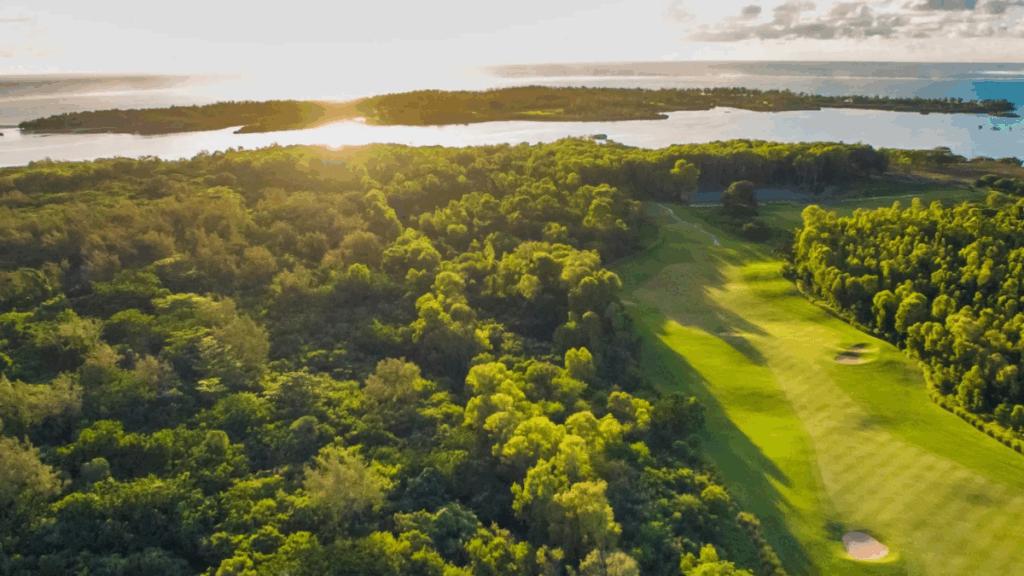
This boasts a string of world-class golf estates and signature courses where many HNWIs from abroad are now snapping up magnificent luxury homes with sea and mountain views.
These homes also offer easy access to quality schools, private healthcare amenities and upmarket shopping venues — all for a fraction of what it would cost them to enjoy this lifestyle elsewhere in the world.
Gauteng crumbles as the Western Cape booms

“Unfortunately, the quality of life for residents of Johannesburg and Pretoria has continued to decline in the past year,” Everitt said.
This is due to deteriorating transport, electricity and water infrastructures, poor municipal management and relatively high crime levels.
“Not surprisingly, this has resulted in prime property prices in Central Sandton stagnating at around $1,800 (R31,881) per m², while those in Cape Town have soared over the past five years to reach $5,800 (R102,729) per m²,” he said.
“This has also led to new residential development in Johannesburg being largely restricted, currently, to the conversion of under-utilised office blocks and office parks into rental apartments.”
At the same time, Cape Town is enjoying a development boom that is bringing hundreds of new, upmarket housing options to the market.
Everitt stressed, however, that Johannesburg does have several advantages. For example, it has one of the best climates in the world and much lower prices for luxury properties.
“It also remains the home of most of South Africa’s blue-chip companies and is regarded by an increasing number of local and foreign investors as a good launchpad for businesses targeting Africa’s new and lucrative markets,” he said.
“Consequently, it very much meets the second key relocation driver: fresh business opportunity.”
He argued that Joburg may retain its position as Africa’s wealthiest city in the years ahead if local authorities follow through on their recently begun renewal activities.
Mauritius and Morocco draw wealthy buyers

Everitt said that, beyond South Africa, two other African locations are rapidly gaining traction in the luxury property space.
These are Mauritius and Morocco, which the Africa Wealth Report 2025 highlights as having the fastest millionaire growth in Africa over the past decade.
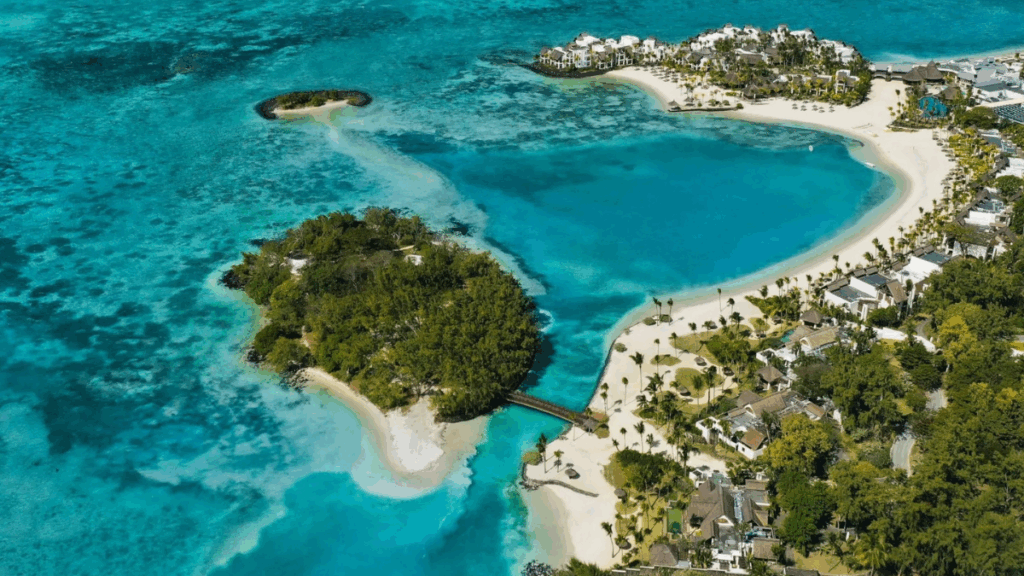
“The Indian Ocean island of Mauritius is now home to 4,800 millionaires, a large percentage of them South Africans who have relocated for both lifestyle and tax reasons.”
“Most have bought property in upscale, gated developments around Tamarin on the island’s west coast, where prices average $4,500 (R79,704) per m².”
Everitt added that many millionaires have also moved their businesses to Mauritius to benefit from its low-tax environment.
There is no dividend tax, inheritance tax, wealth tax, capital gains tax, or annual property tax imposed in the country.
“Morocco, meanwhile, is increasingly seen as the northern gateway to Africa, especially by European and Middle Eastern investors,” he said.
These investors are also looking to tap into Africa’s growth and infrastructure development under the burgeoning African Continental Free Trade Agreement (AfCFTA).
“It offers them political stability, strategic geography and strong infrastructure – including high-speed rail – plus tax-free export zones,” he said.
With 7,500 millionaires, Morocco is now the continent’s third-biggest wealth hub after South Africa and Egypt.
“In addition, Tangier, with its strategic location as the closest African port to Europe, is currently experiencing the highest luxury property demand in Morocco,” Everitt said.
Its prices are around $1,700 (R30,136) per m², which makes it one of the 10 most expensive cities in Africa, he explained.
This underscores that Africa’s luxury property markets and wealth hubs will increasingly be shaped by the global flow of capital towards new destinations offering upmarket lifestyle attractions and/or enticing business opportunities.
The key to achieving long-term growth in these markets will be magnifying these factors in the eyes of affluent investors.
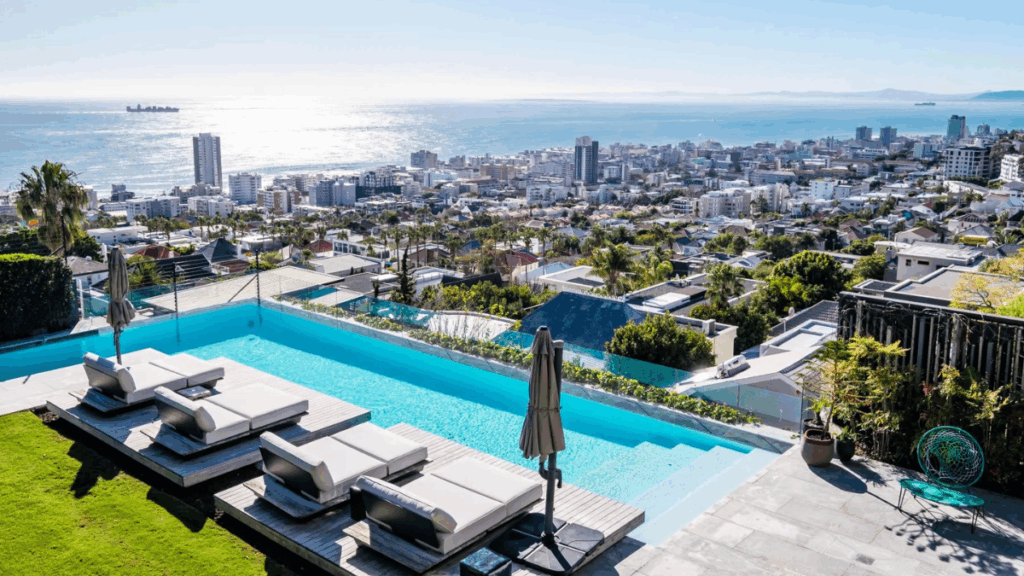
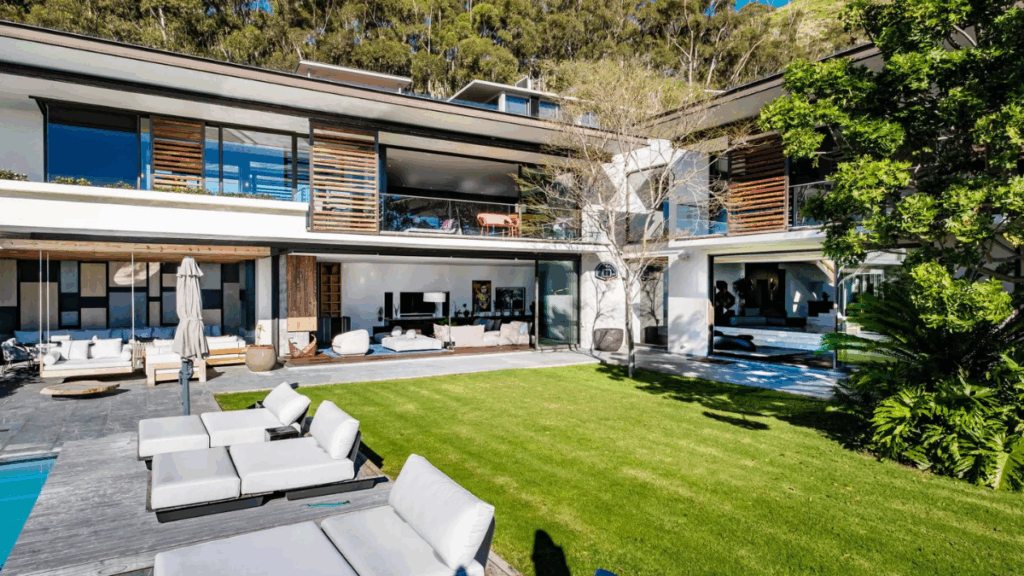
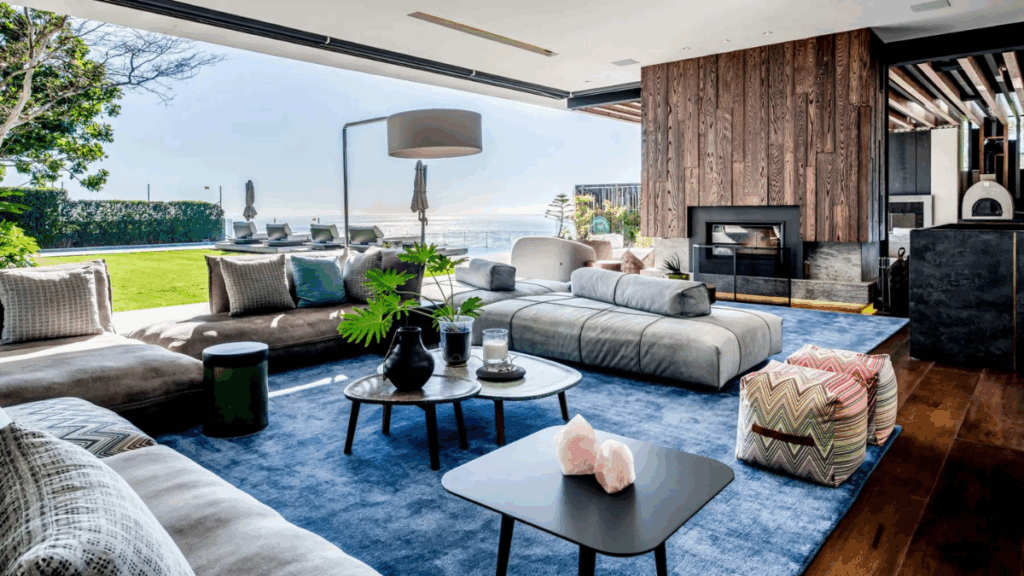
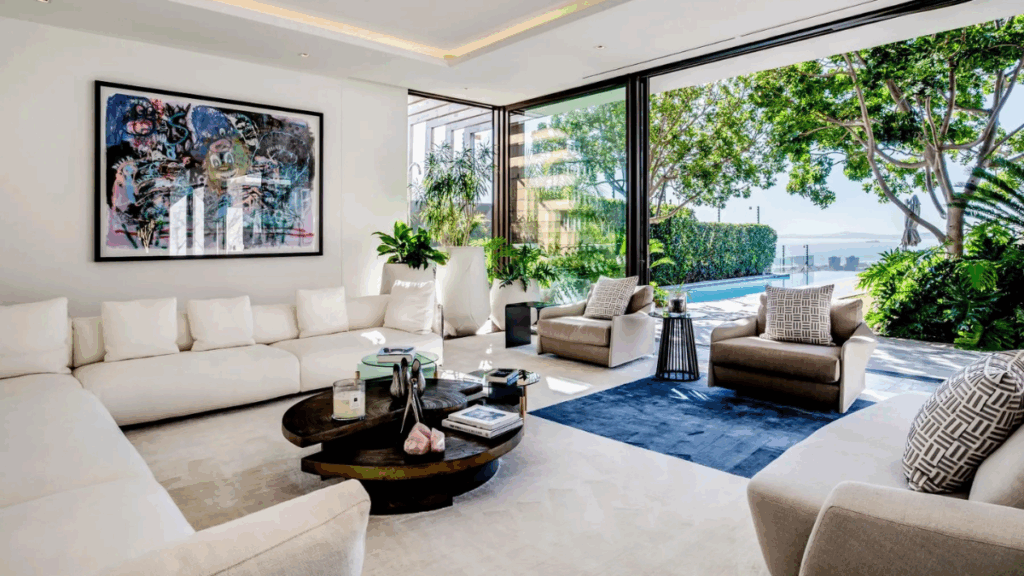
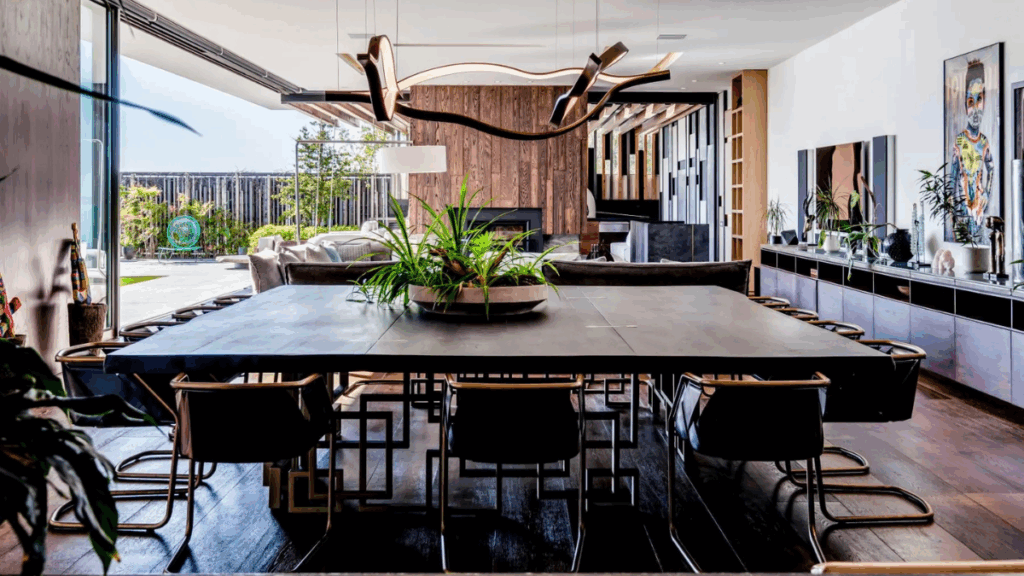
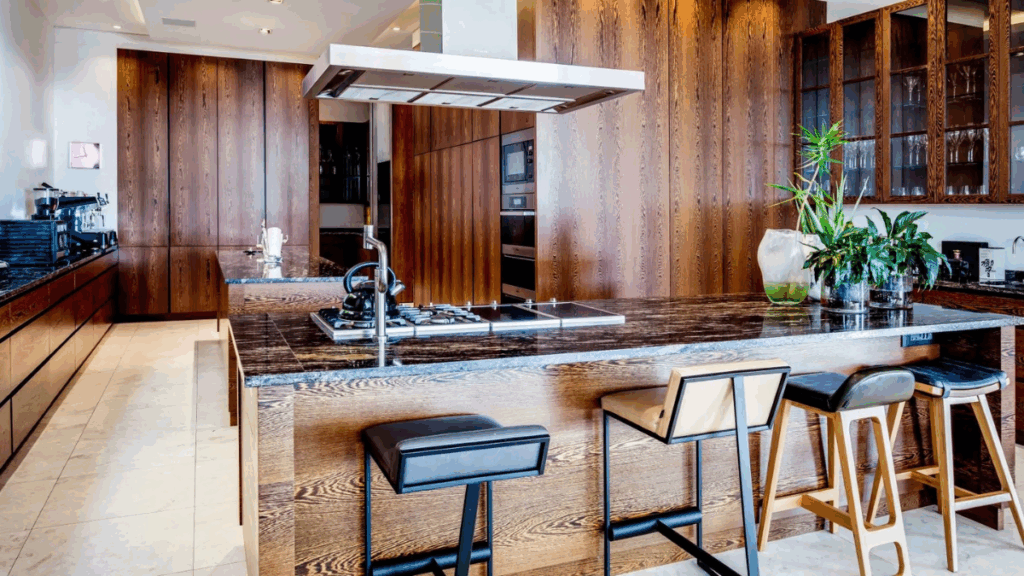
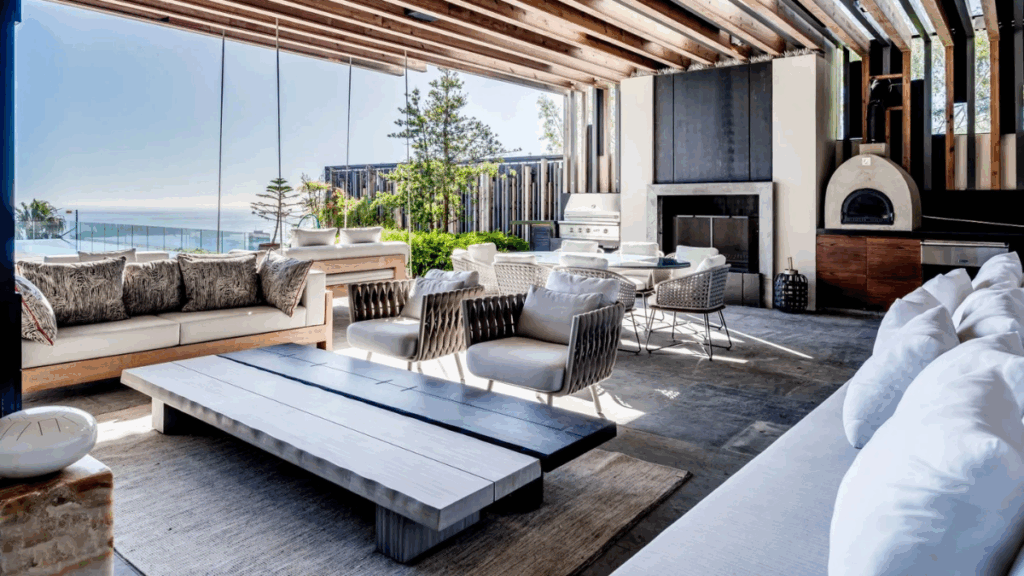
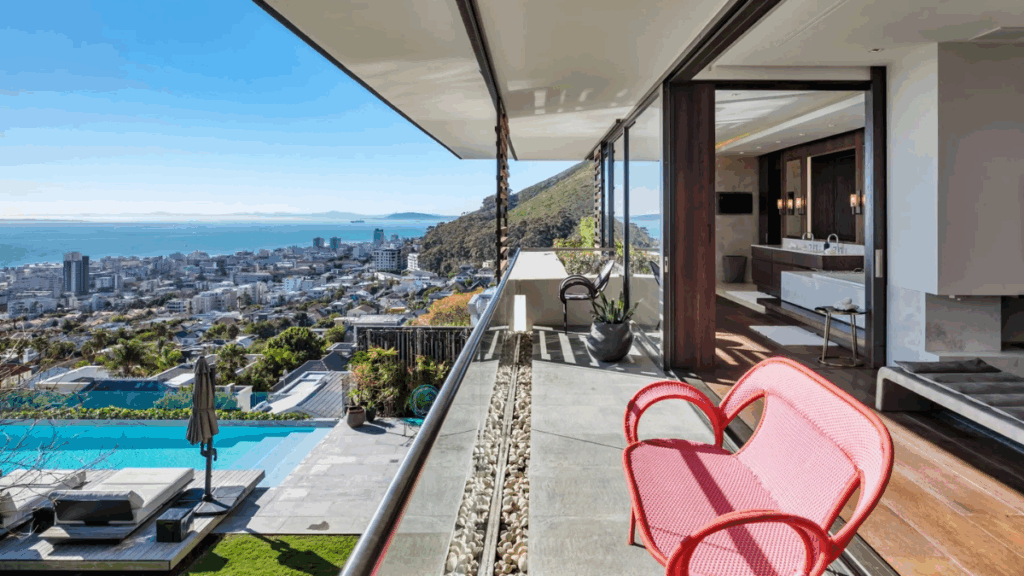
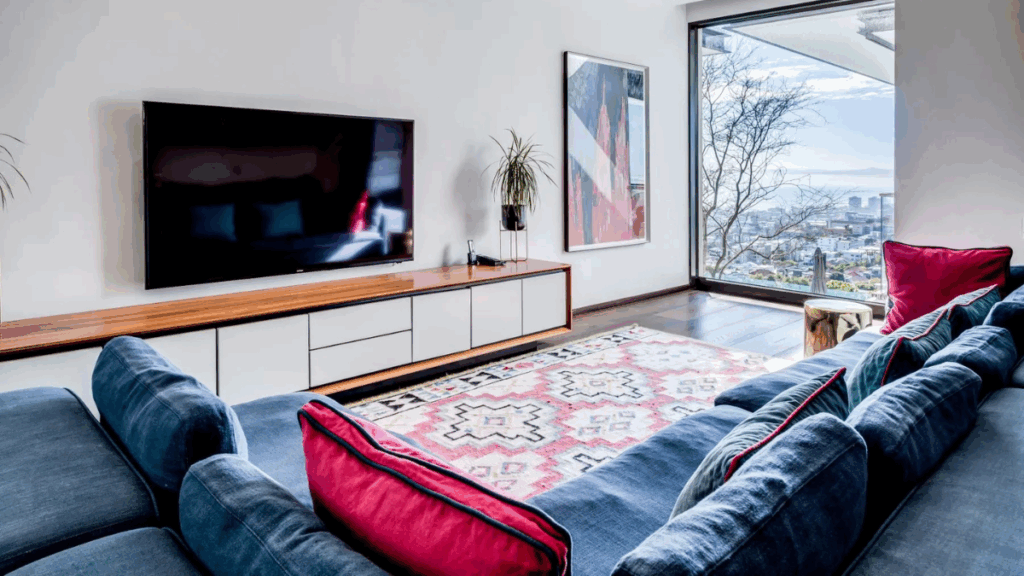
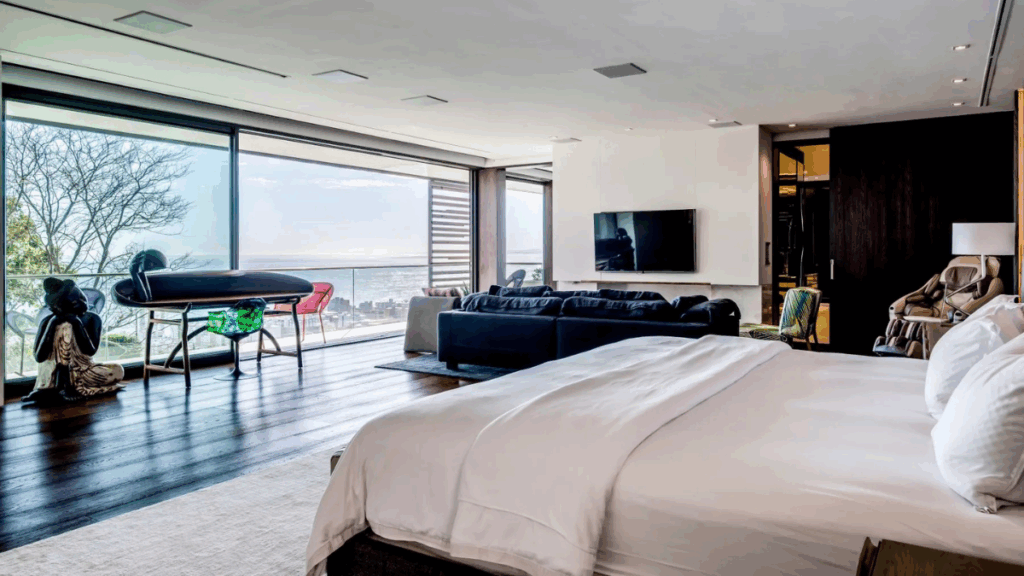
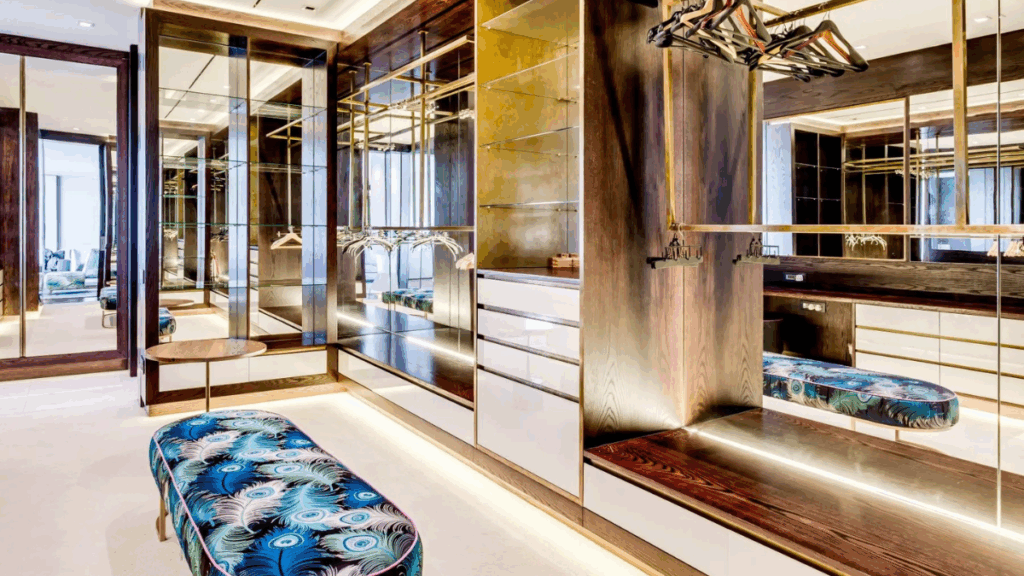
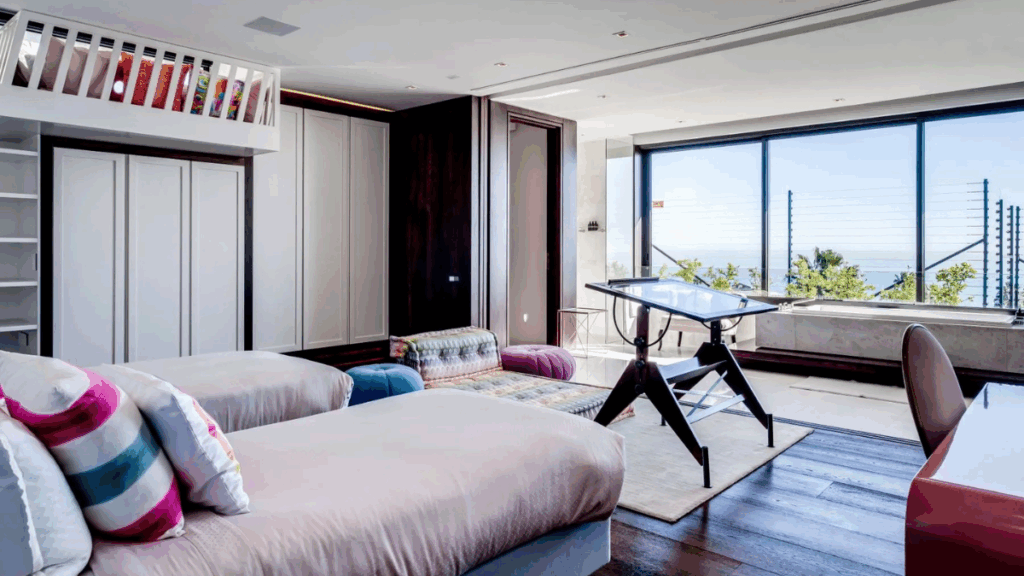
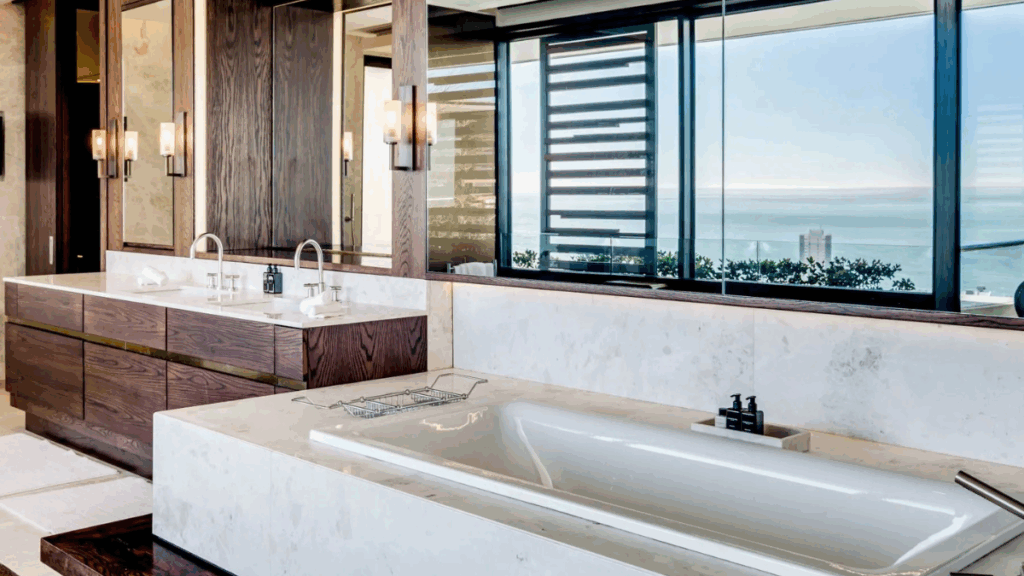
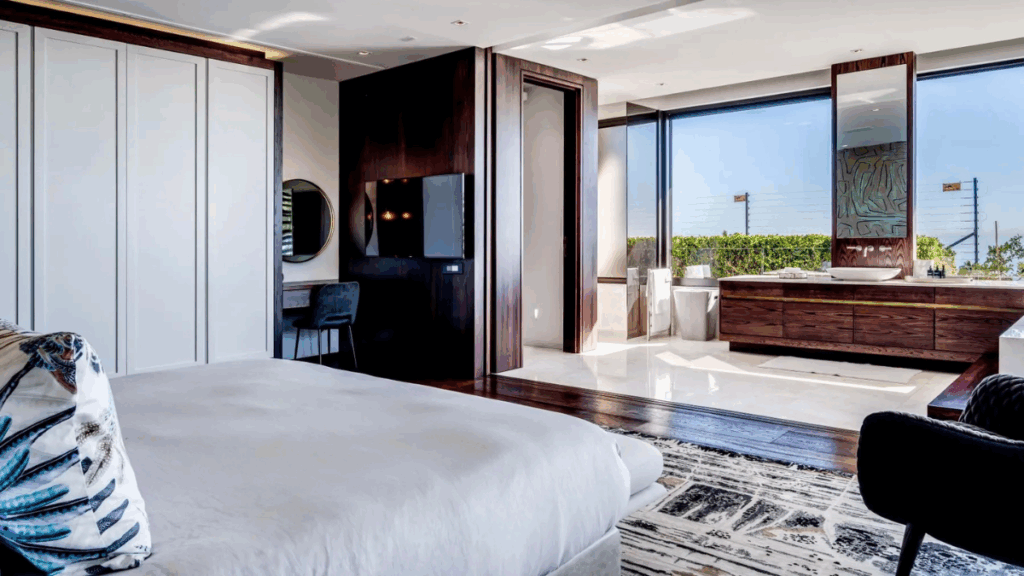
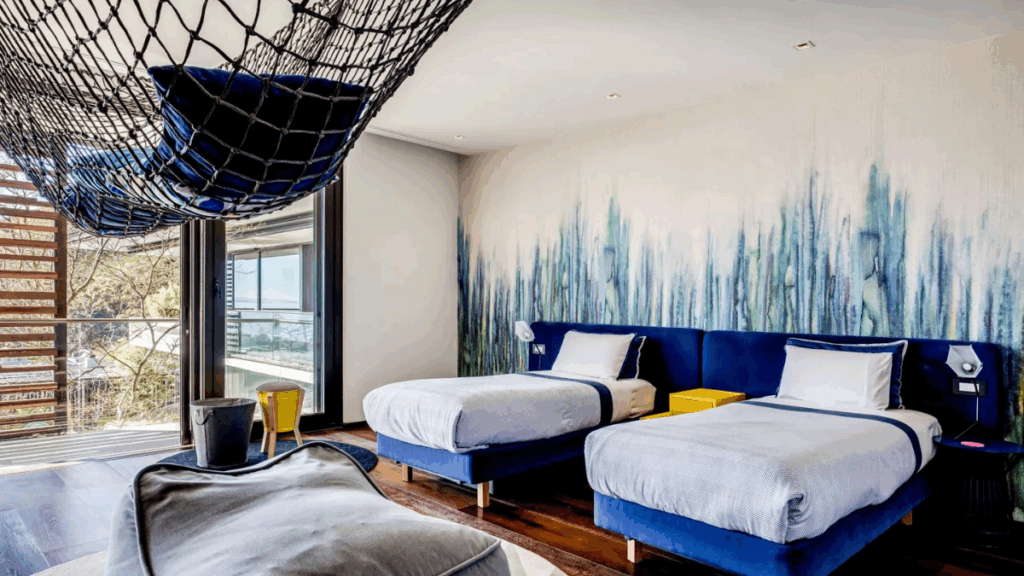
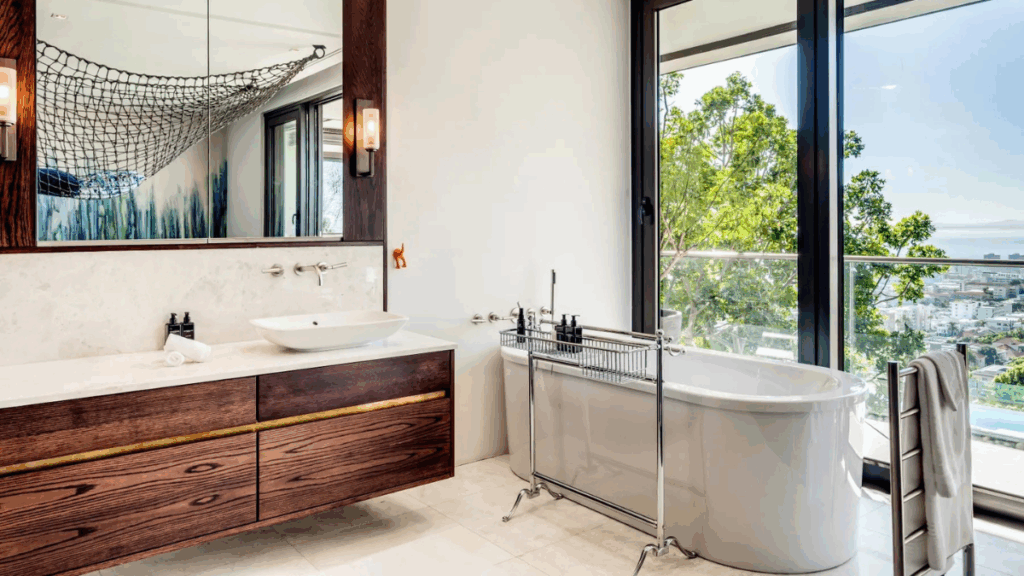
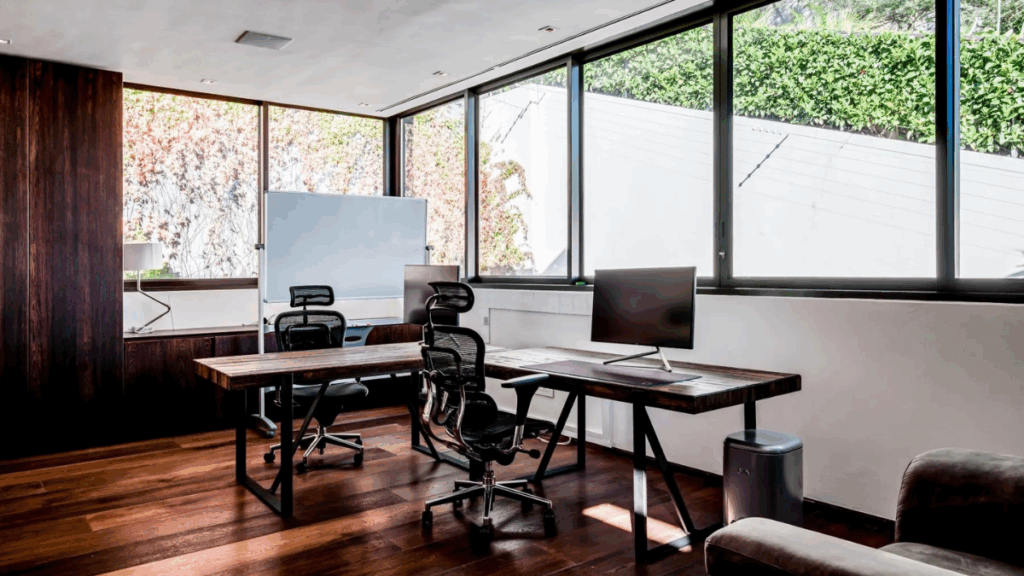
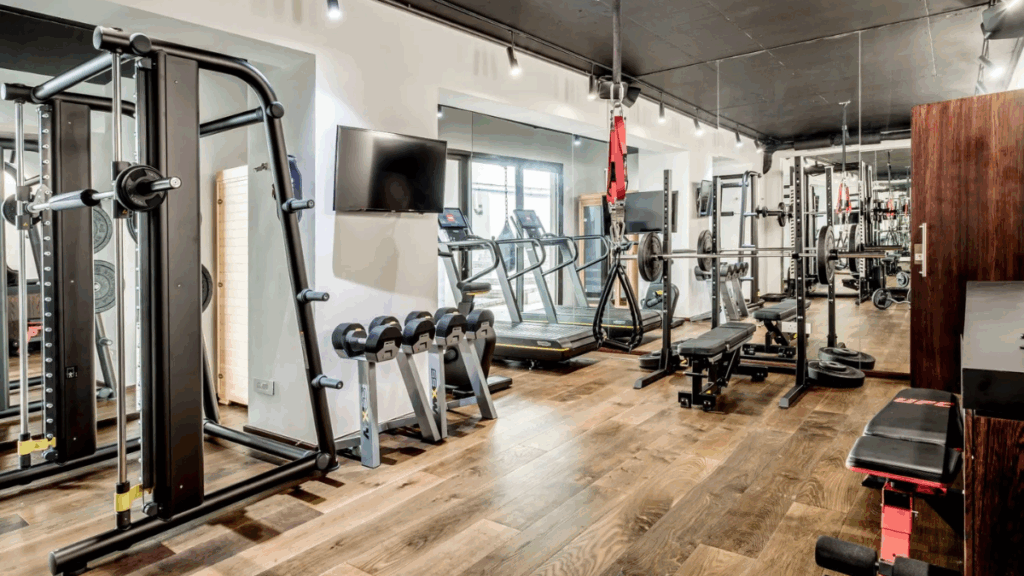
R180 million Cape Town home

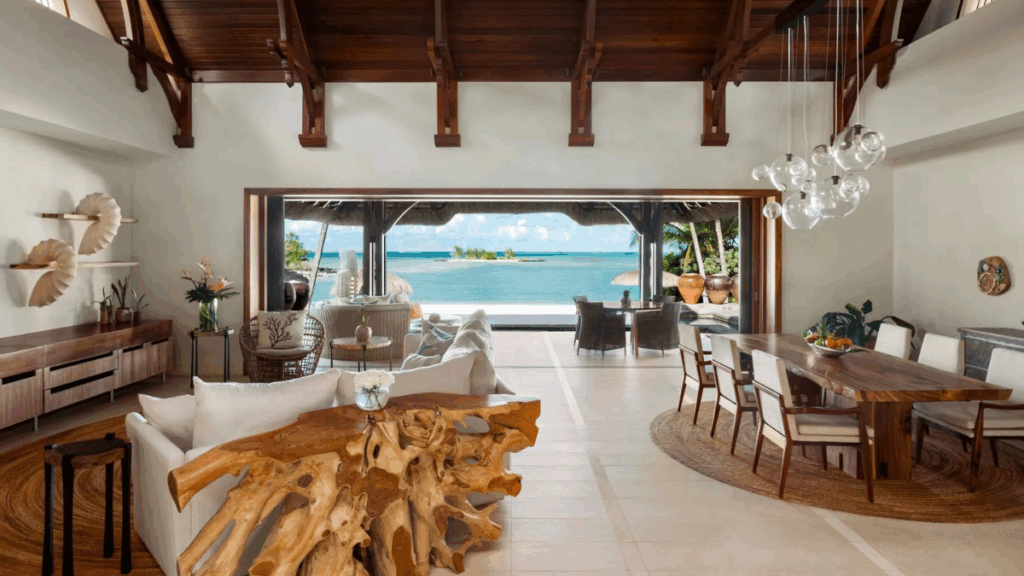
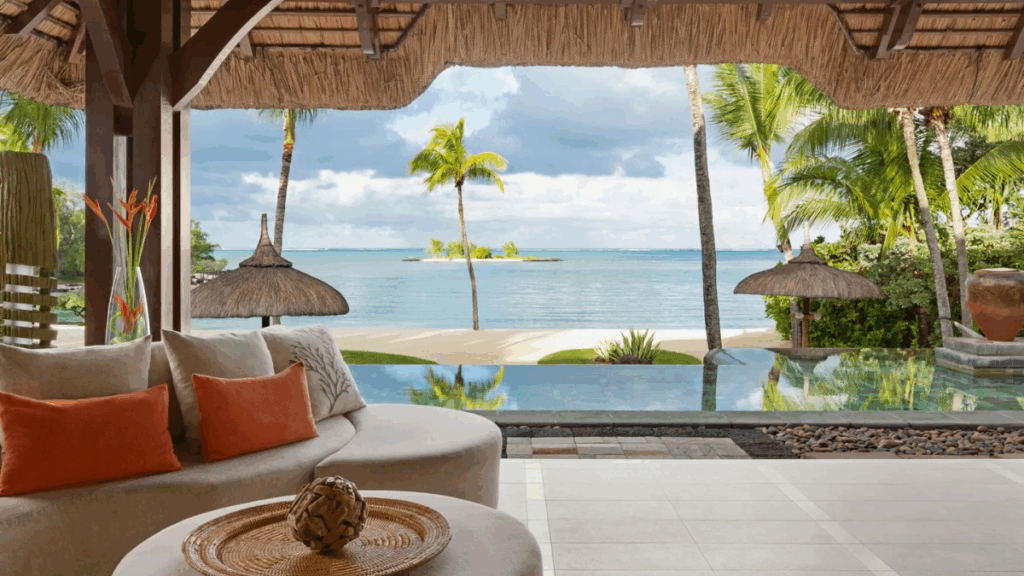
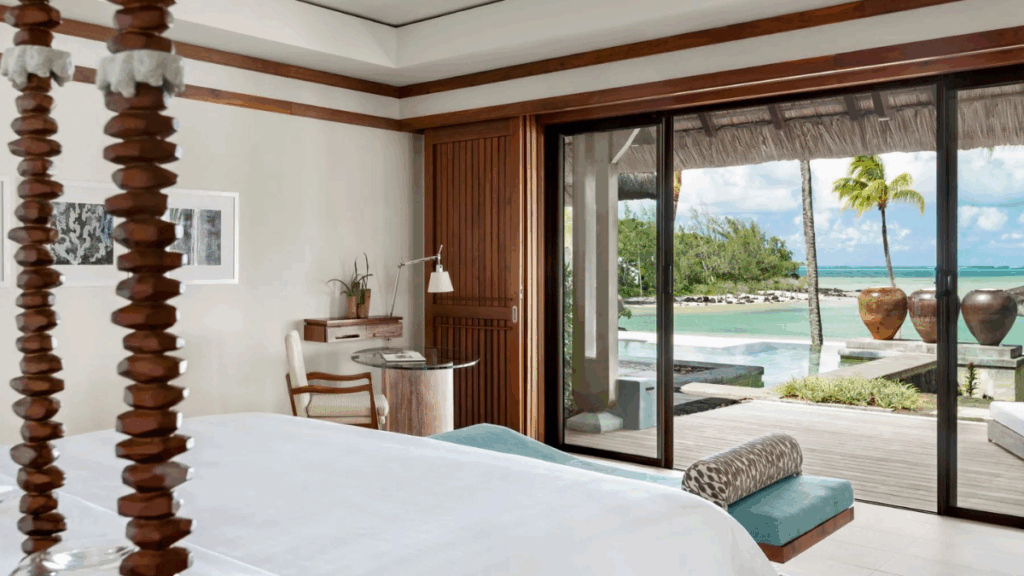
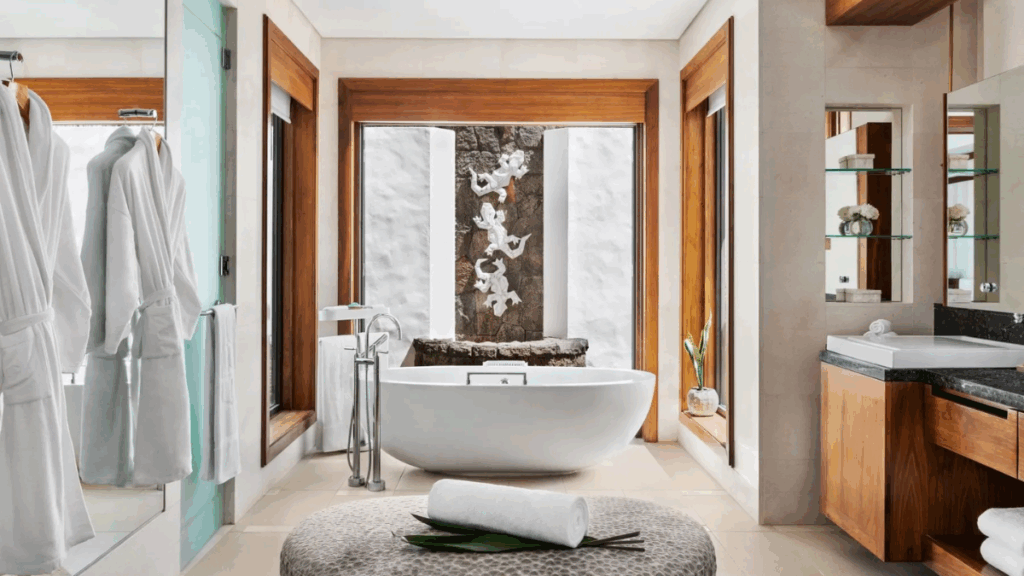
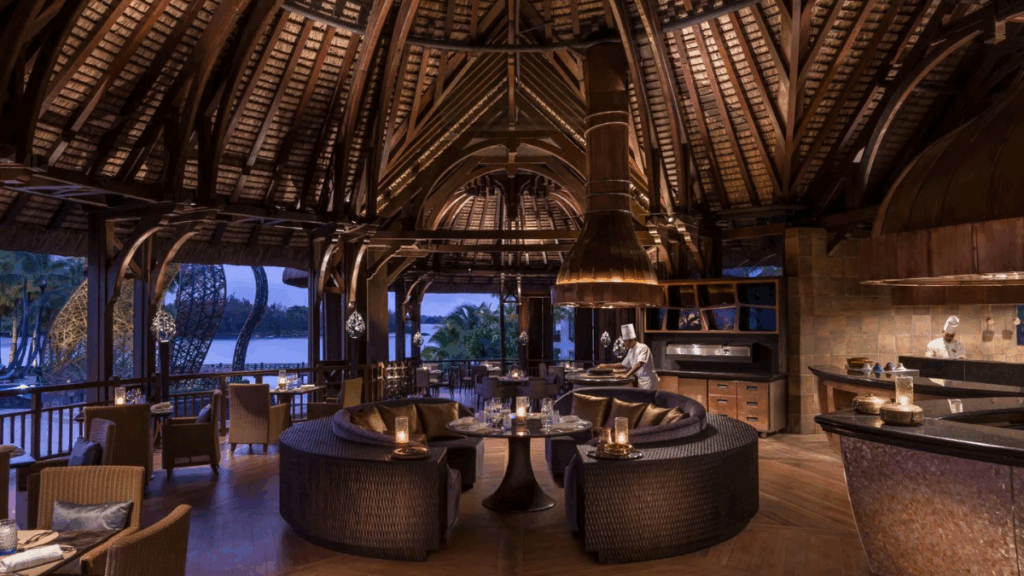
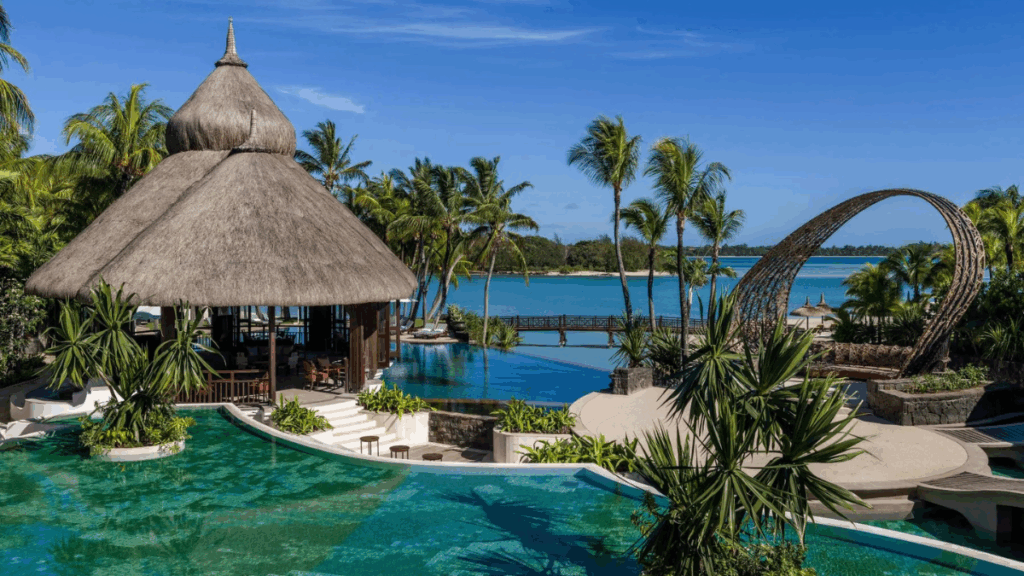
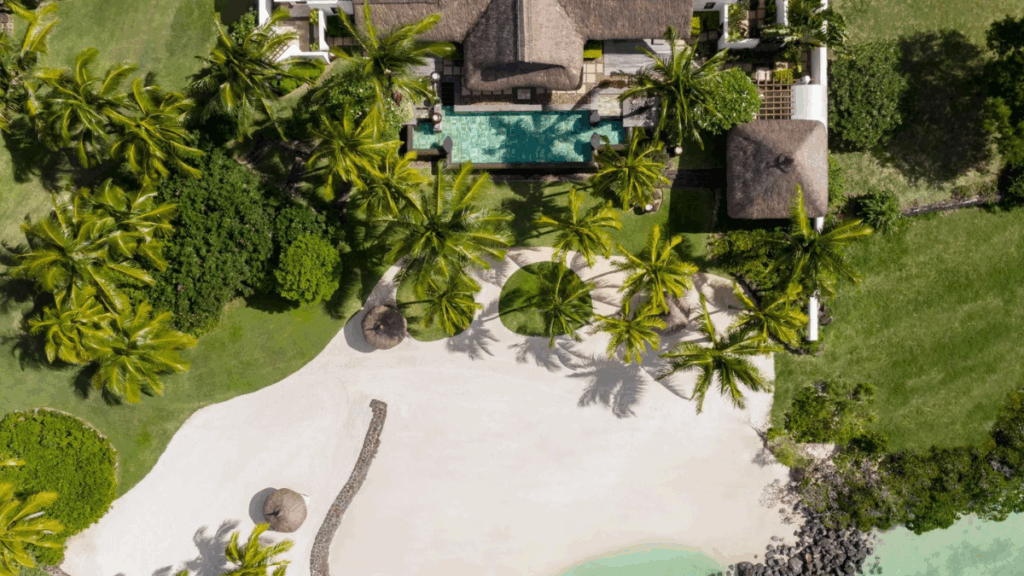
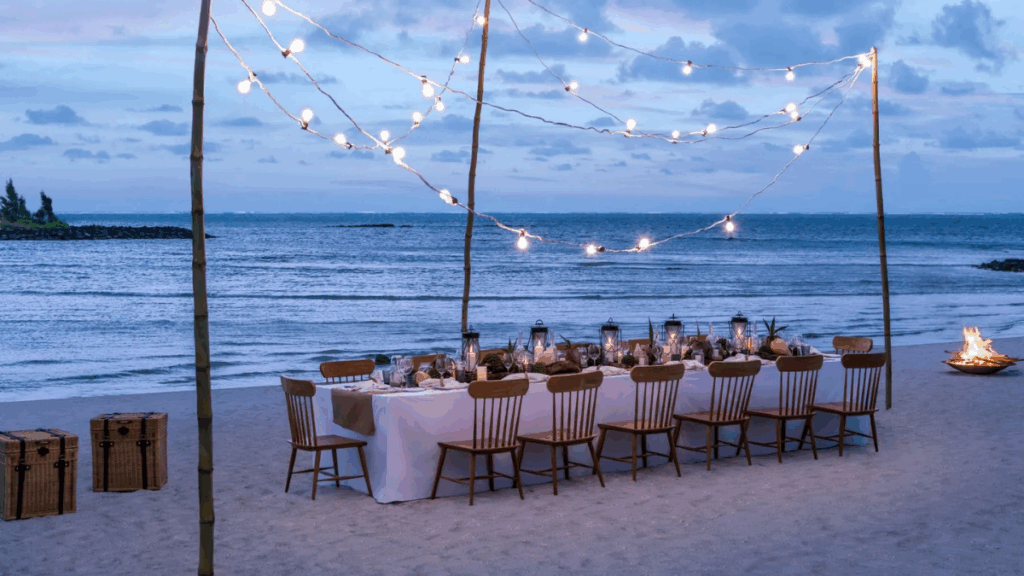
R209.17 million Mauritius beachfront villa
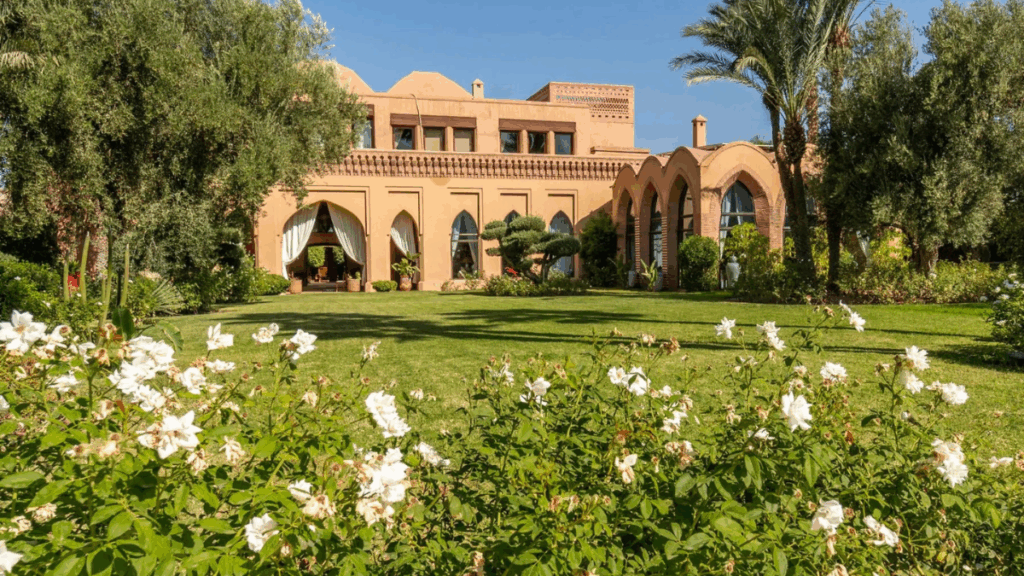
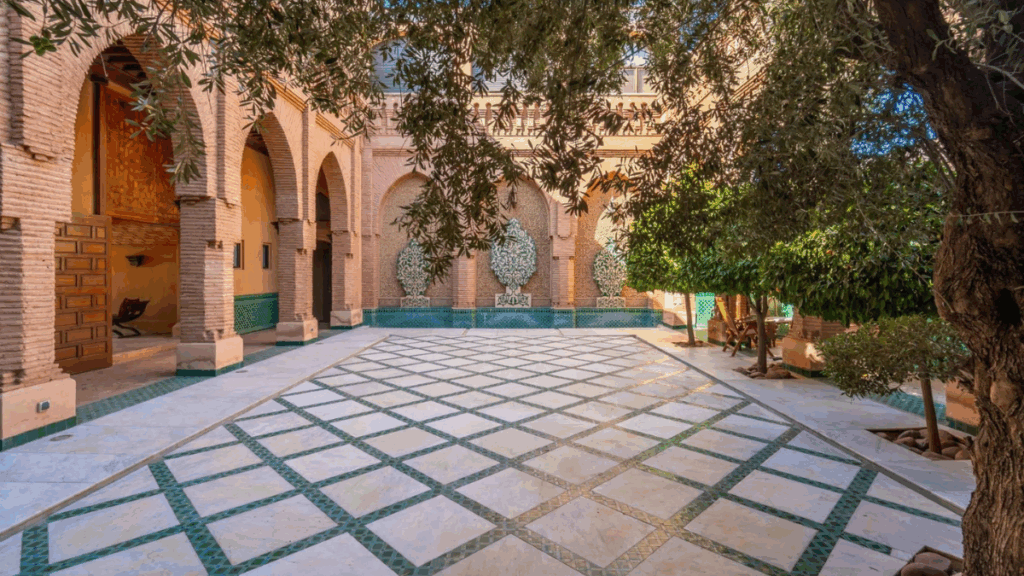
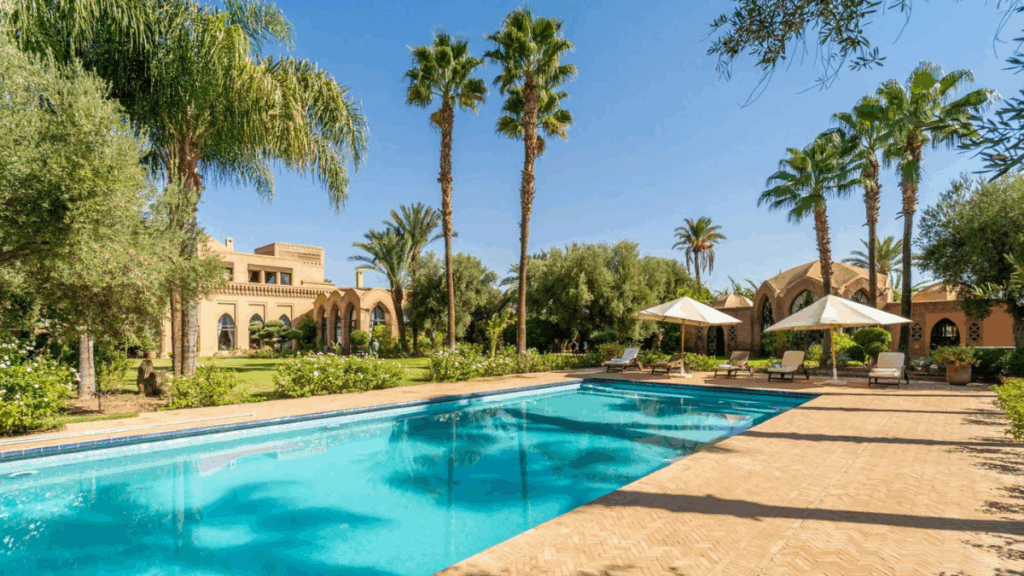
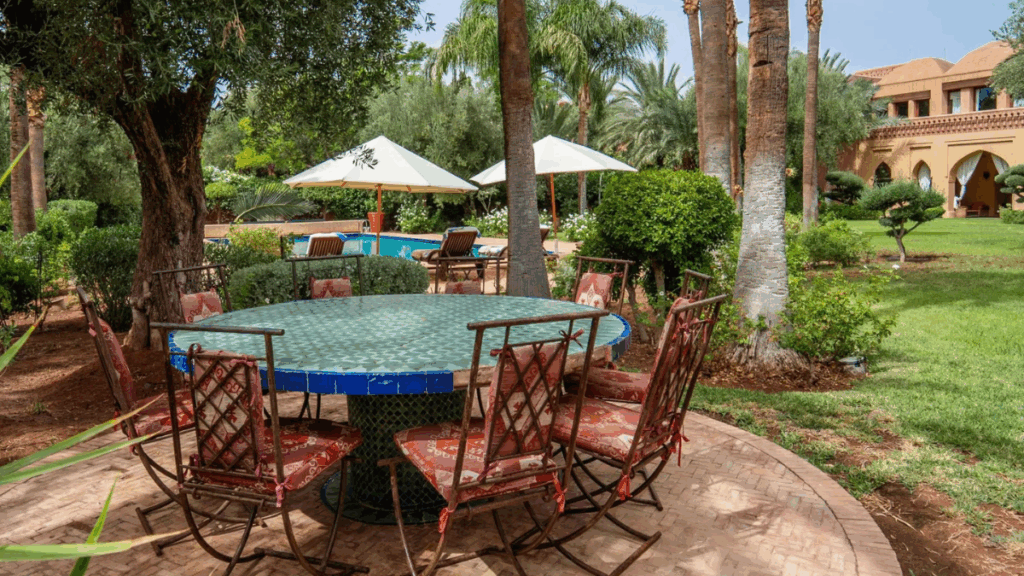
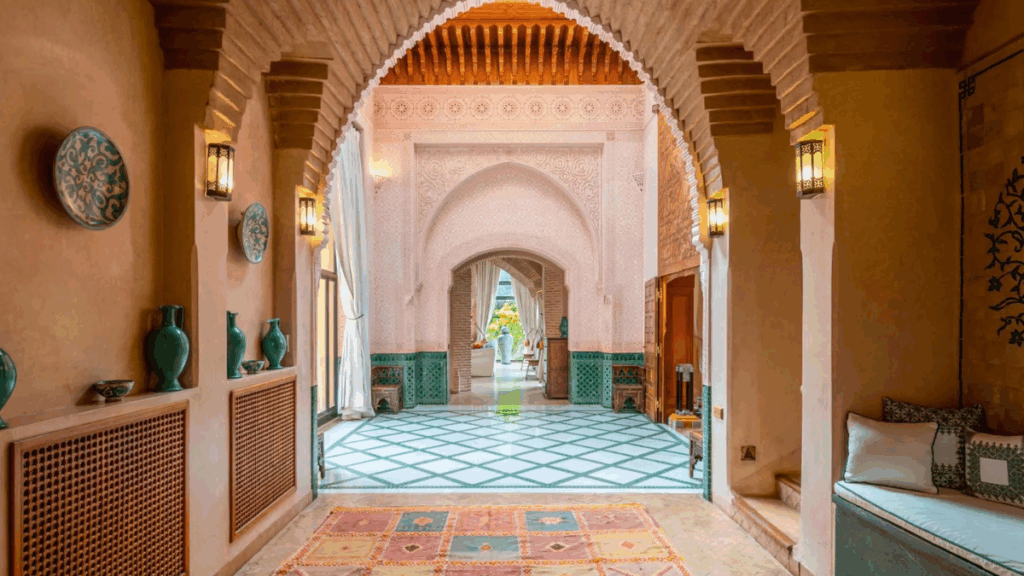
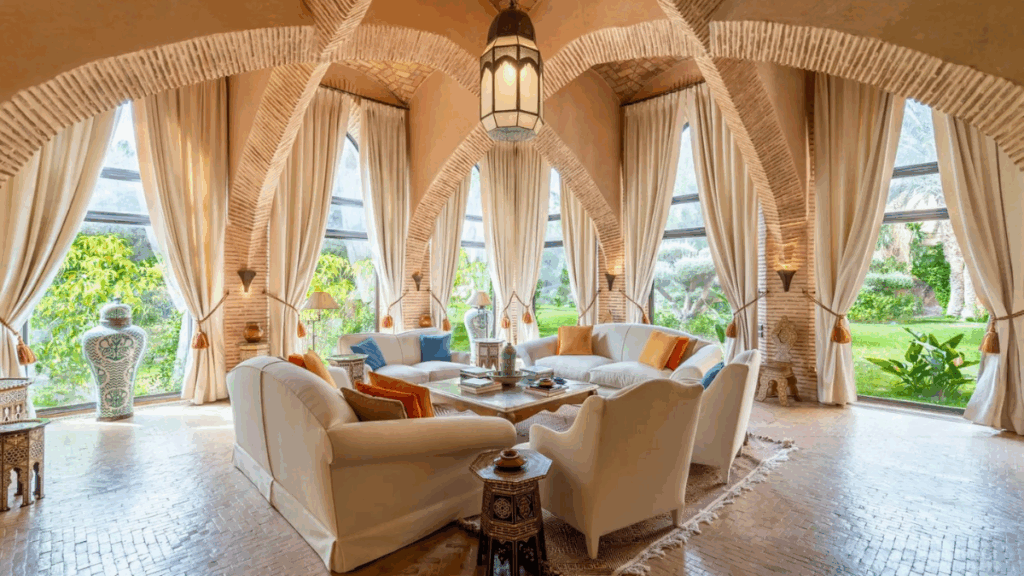
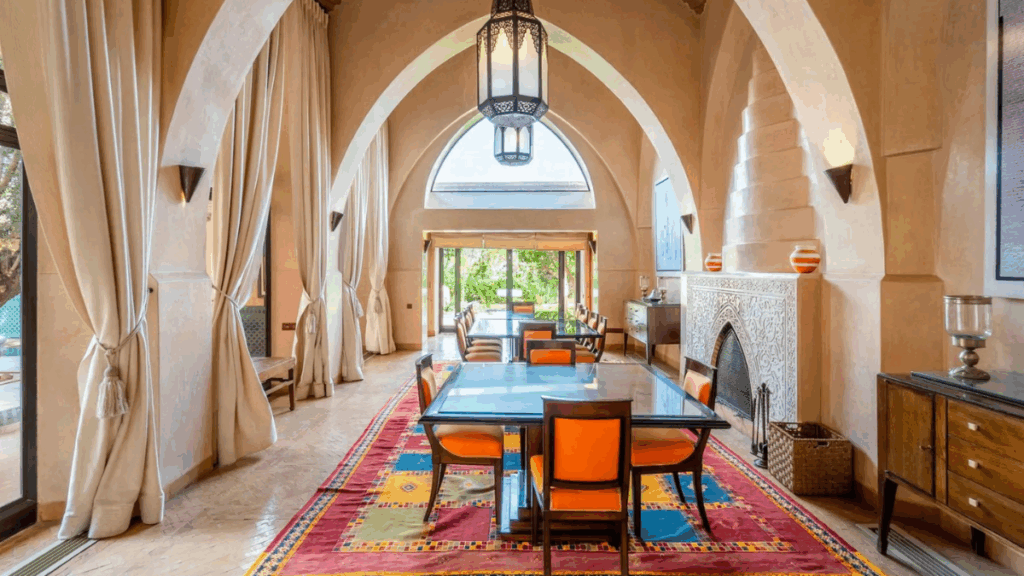
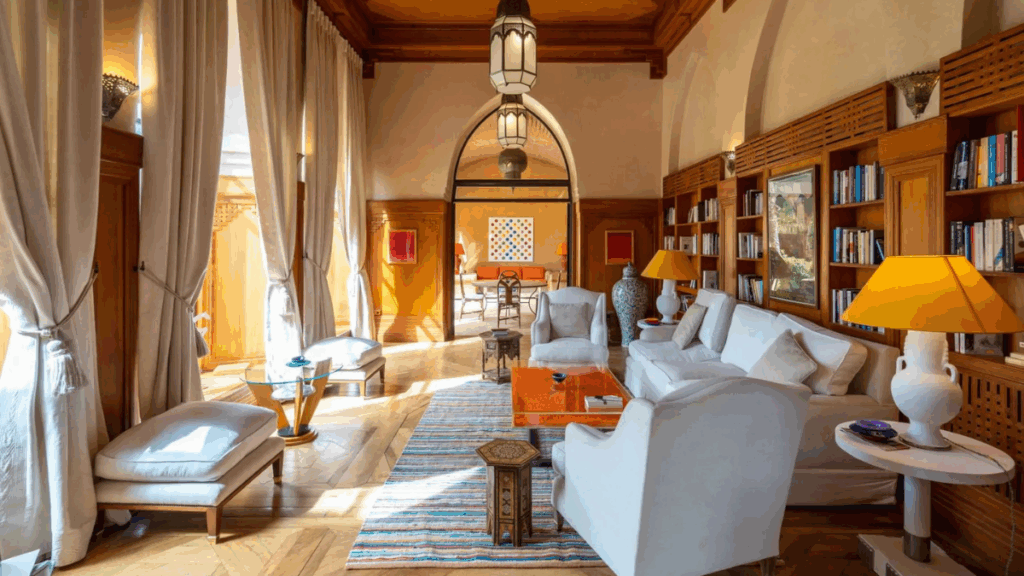
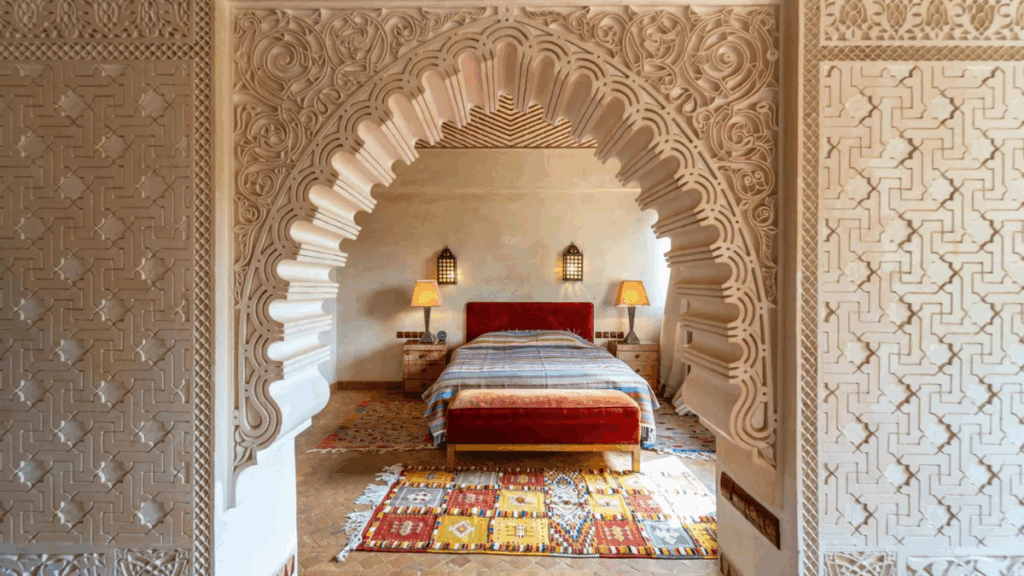
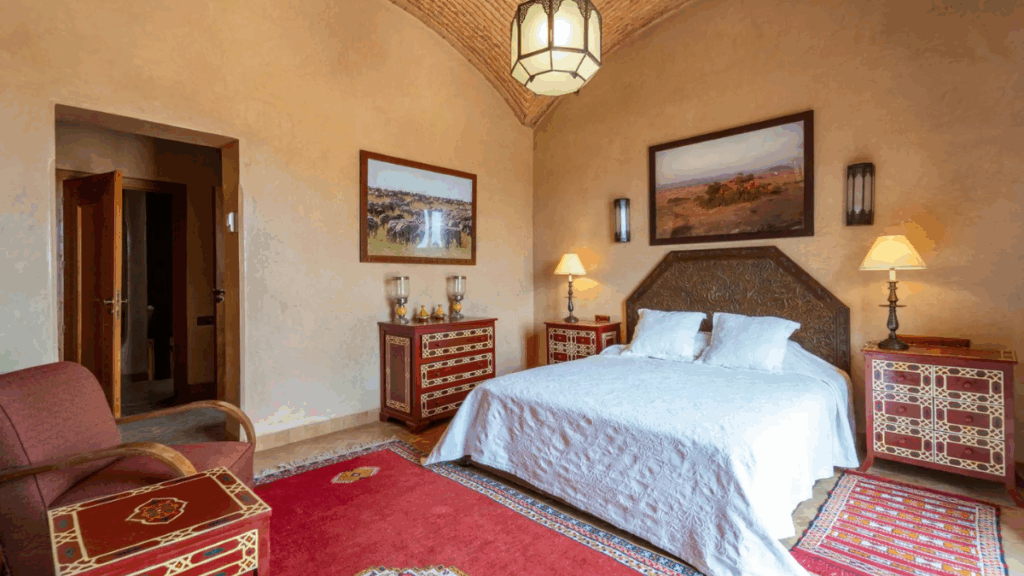
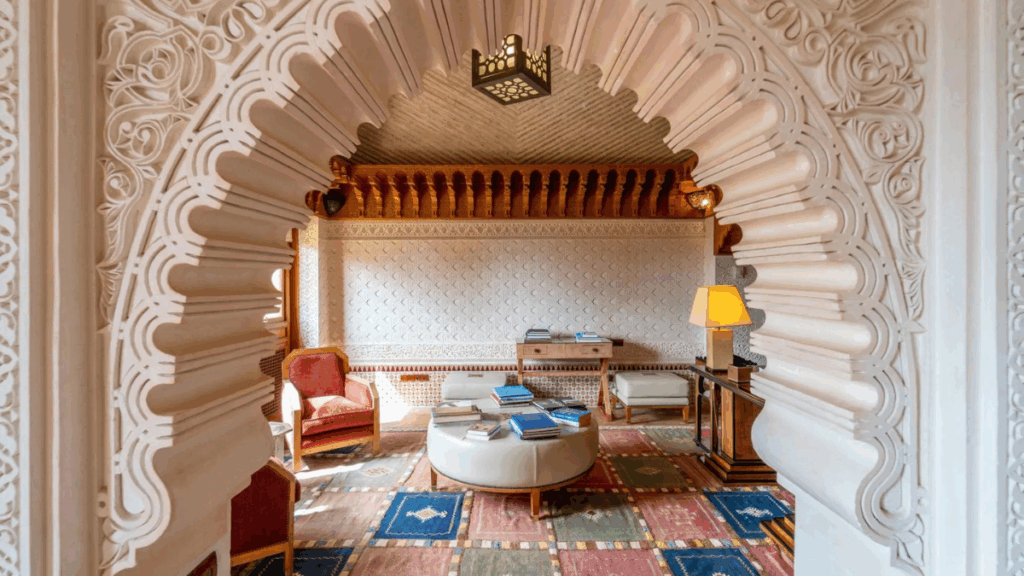
R111.19 million Morocco villa





Comments