Fire warning for South African homes


Cheap, non-compliant electrical goods are flooding South African homes through informal shops and online platforms, posing serious fire, electrocution, and insurance risks.
While it may be tempting to opt for the most affordable electrical goods, experts warn that small upfront savings could lead to devastating long-term costs.
A 2015 survey conducted by the African Press Organisation on behalf of Schneider Electric found that counterfeit electrical goods have infiltrated between 40% to 80% of the market in Africa.
“Unfortunately, wherever there is demand, counterfeiters will find opportunities to profit,” said Dr Andrew Dickson, Engineering Executive at CBi-electric: low voltage.
“A case in point is solar power systems, which have been surging in popularity, especially in South Africa. This has led to a flood of uncertified components and substandard solar panels, raising concerns from the electricity minister and local solar companies.”
A recent crackdown by the South African Police Service’s Anti-Counterfeit and Illicit Trade Unit, working with the National Regulator for Compulsory Specifications (NRCS), uncovered thousands of rands worth of illicit items.
Another crackdown was carried out by the Gauteng Counterfeit Unit, working alongside the Commercial Branch, brand protectors, and Gauteng wardens.
During this operation, which took place at Dragon City, Johannesburg, counterfeit clothing and consumables valued at R901,000 were confiscated, and a total of 2,452 items were seized following inspections at 12 shops.
However, Khensani Ndobe, International Export Sales Executive at CBi-electric, said these raids aren’t enough to keep dangerous products out of South African homes.
“Unfortunately, these crackdowns are a drop in the ocean of illicit trade, so the consumers don’t really see the impact directly, and it’s the growing demand for cost saving that’s fuelling the market,” she said.
While counterfeit clothing may be a large problem, with many goods imitating high-end designer brands, there are also plenty of illicit electronic goods available on the market.
Although these products may come with a discount, they could seriously endanger South African consumers and cost them much more in the long term.
“Whether they’re buying from an unknown hardware store, a local online retailer, or a big international platform, many people don’t realise that the few rands they save upfront could cost them everything later,” Ndobe said.
She added that, if anything goes wrong, there is often little chance of the product being returned or replaced, and the greater danger is the risk of electric shock or fire.
What to look for
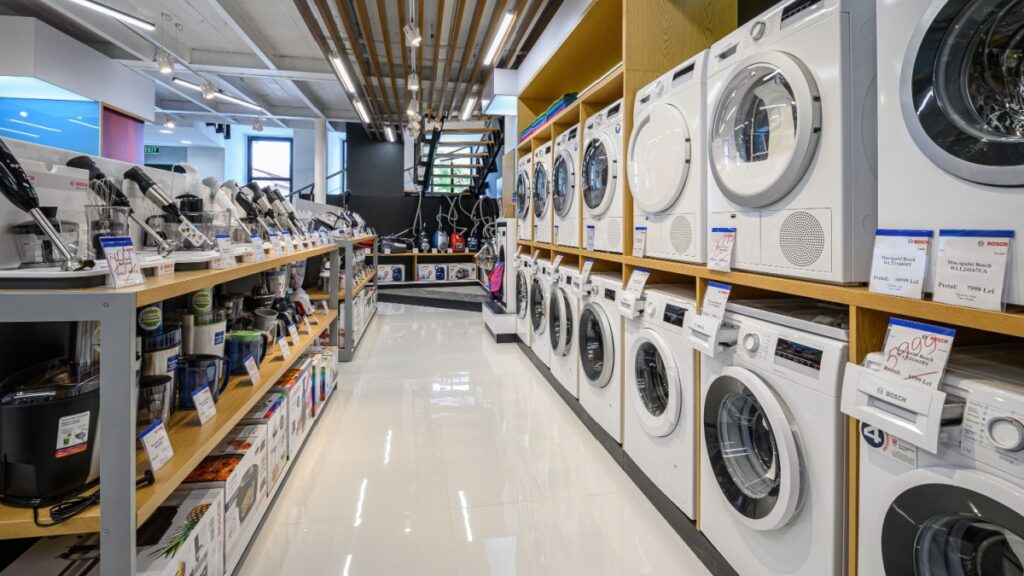
“To keep your installation safe, any electrical product connected to mains power must meet national safety standards and have a valid Letter of Authority (LOA) from the NRCS, issued to the manufacturer, importer, or distributor,” Ndobe said.
Without these, South Africans could be putting themselves, their families, and their property at serious risk.
There’s also a hidden risk many people don’t think about: if non-compliant products are used in a home and something goes wrong, insurance may not pay out.
“If the wiring or appliances don’t meet the required safety standards, your insurance claim could be rejected, leaving you to cover the damage yourself,” Ndobe warned.
There are a few things South Africans can look for when shopping for electrical appliances.
Ndobe advised consumers to always check for certification marks such as SABS (South African Bureau of Standards), UL (Underwriters Laboratories), VDE (Verband der Elektrotechnik), and CCC (China Compulsory Certificate).
“These aren’t just logos, they’re proof that the item has been independently tested and approved for performance safety,” she said.
She also advised buying from reputable local stores, especially those that support South African-made, standards-compliant products.
“Ultimately, every household decision matters. One non-compliant product could be the difference between safety and disaster,” Ndobe said.
“Don’t take the risk – check the label, know your source, and make sure your next buy won’t cost you more than you bargained for.”




Comments