Rich South Africans are moving to a small Indian Ocean island which has low taxes and is the safest place to live in Africa


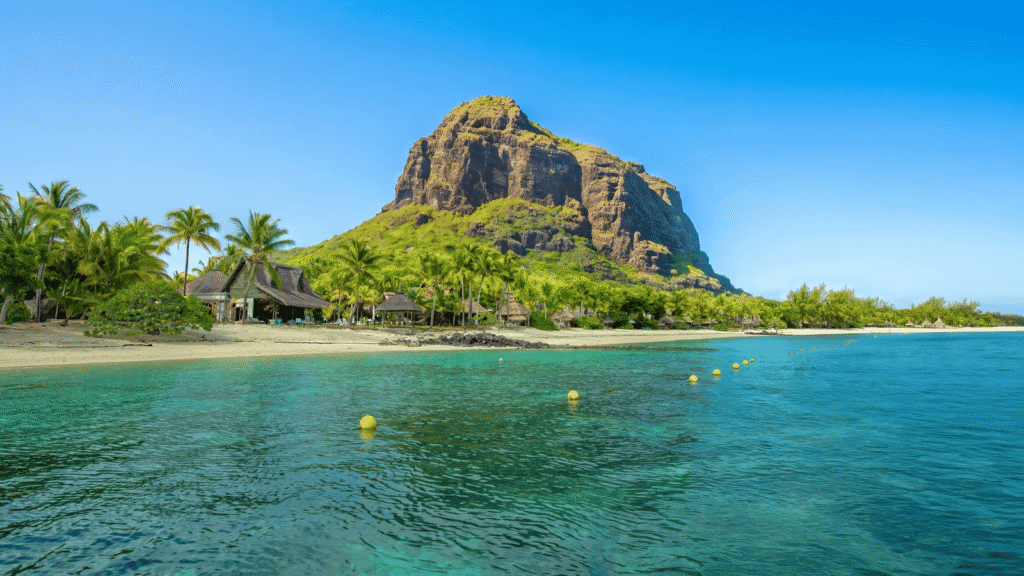
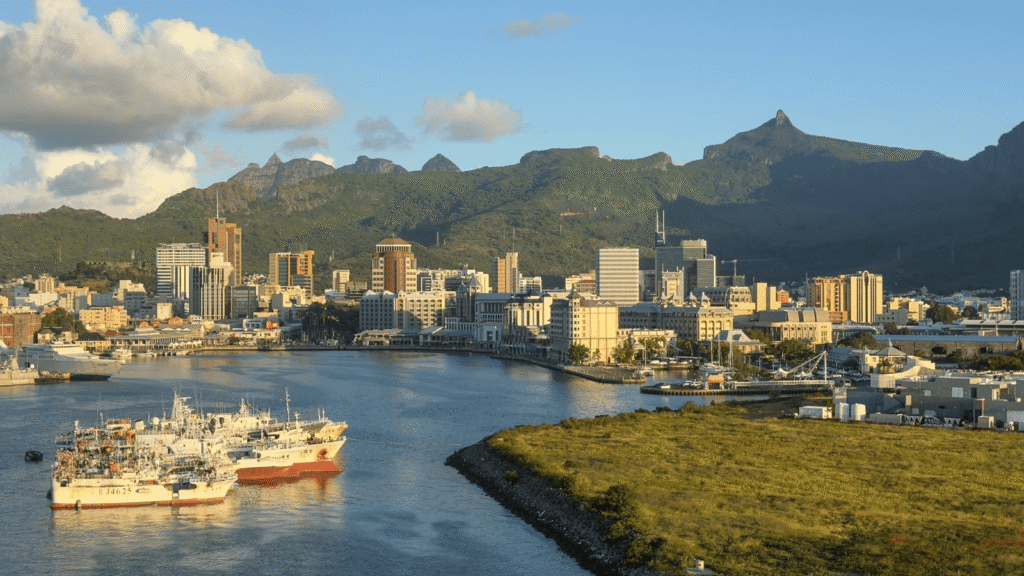
Mauritius has become a popular destination for wealthy South Africans seeking a safer environment, lower taxes, and opportunities to invest or retire abroad.
The small island nation, located about 2,000km off Africa’s southeast coast, has developed from a traditional tourism destination into an upper-middle-income economy and regional business hub.
With a population of approximately 1.3 million, Mauritius offers a stable business environment, a relatively low crime rate and a personal tax system that is more favourable than South Africa’s.
These factors have attracted South African businesspeople, investors and retirees who want to relocate while remaining relatively close to home.
Mauritius is consistently ranked among Africa’s most stable countries. The Global Peace Index ranks it as the safest country in Africa and 18th globally.
It also performs strongly in the Ibrahim Index of African Governance, particularly in security and the rule of law.
The island has a lower violent crime and murder rate than regional averages across sub-Saharan Africa, particularly South Africa.
Its business environment is another attraction. Mauritius has developed into a financial and economic hub, with a corporate and personal income tax rate of 15% cited in the supplied material.
Several South African companies have also established operations on the island. These include Investec, Standard Bank, Absa, RMB, Sanlam, Discovery, Seacom, MTN, Spar, Pam Golding and Seeff.
Pam Golding Property Group CEO Andrew Golding has said Mauritius continues to attract affluent international residents seeking a secure lifestyle and investment opportunities.
Brenthurst Wealth Management director Magnus Heystek also noted that he had seen a growing number of South Africans move to, or consider moving to, the island.
He identified the low crime rate, low tax rate and absence of foreign exchange controls as major attractions for emigrants.
Residency options for South Africans
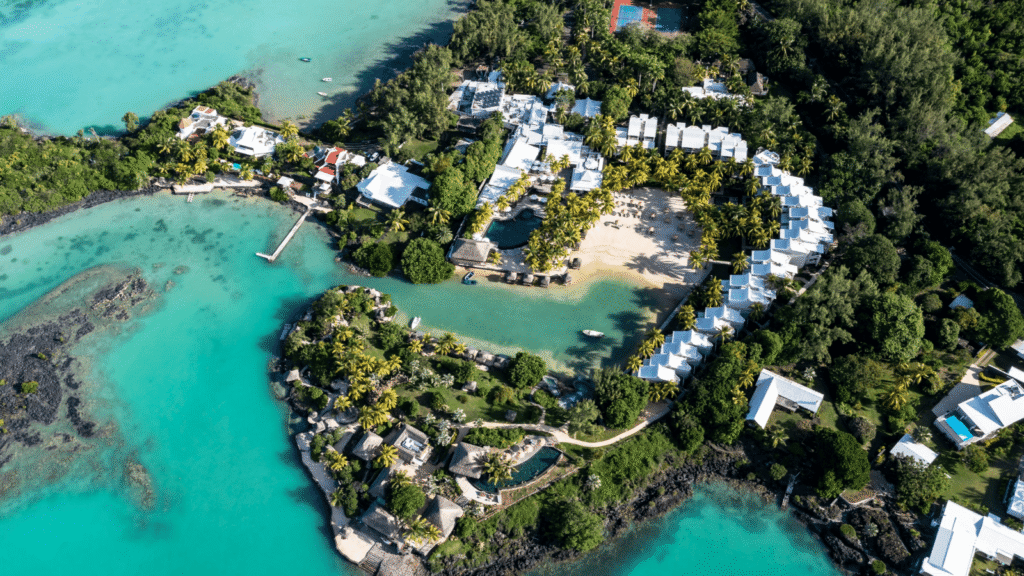
South Africans have several options if they want to live, work or retire in Mauritius. One route is through property investment.
People who invest at least $375,000 in an approved property development scheme can qualify for a residence permit.
Schemes include the Integrated Resort Scheme, Real Estate Scheme, Property Development Scheme and Smart City Scheme.
These schemes include property which is still under construction. Beachfront property is available to foreign buyers under certain conditions. Beachfront developments must be ground-plus-two properties.
There are also protections for buyers purchasing off-plan developments. Funds are held in the appointed notary’s trust account. They are only released once the required documentation is in order.
However, property purchases require careful consideration of the investment amount, applicable residency rules and the development’s approval status.
Another option is an occupation permit, which is available to people seeking employment or self-employment, or those wanting to establish a business in Mauritius.
Investor permits are available to people who establish or invest in a business. An initial investment of at least $50,000 is required for this route.
South Africans over 50 can also apply for a retirement permit. To qualify, they need to transfer at least $1,500 a month into a Mauritian bank account.
The rules and investment thresholds differ depending on the permit and residency route. This means that applicants need to establish which requirements apply to their circumstances.
Challenges for emigrants

It is important that those considering emigration know that moving to Mauritius does not automatically end a person’s South African tax obligations.
South Africans who relocate must formally establish whether they have ceased to be tax residents of South Africa.
The South African Revenue Service applies both the ordinarily resident test and the physical presence test when determining an individual’s tax residency status.
Tax Consulting SA tax attorney Jonty Leon previously advised that people relocating abroad should follow the correct procedures and demonstrate that they no longer intend to return to South Africa as residents.
Ceasing South African tax residency can trigger an exit capital gains tax charge. However, South African immovable property, pension funds, retirement annuities and preservation funds are excluded from this exit charge.
FinGlobal also warned that physically moving abroad does not automatically remove South African tax obligations. Tax emigration requires careful planning, particularly where retirement savings are involved.
South African retirement funds are subject to restrictions on offshore exposure. After ceasing tax residency and remaining non-resident for three years, retirees may access and reinvest retirement savings more flexibly.
Proof of Mauritian tax residency may be required annually to benefit from the double taxation agreement between South Africa and Mauritius.
Another challenge for those who move to Mauritius is the cost. Private schooling, healthcare and imported goods can cost more than newcomers expect.
FinGlobal advised South Africans to account for these expenses alongside the costs of relocating, securing property and meeting residency requirements.
The company also stressed the importance of planning retirement savings and international transfers before leaving South Africa.
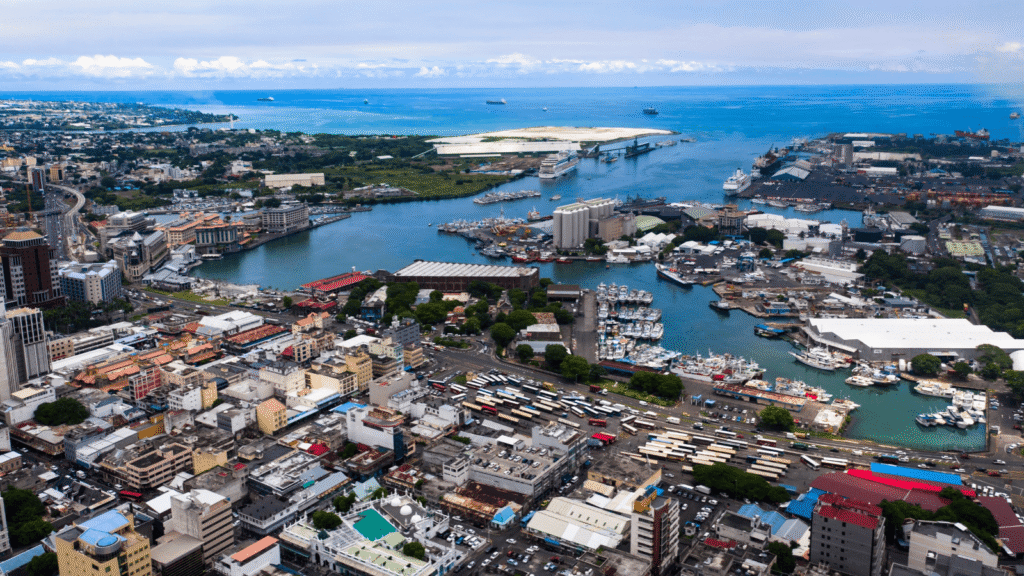
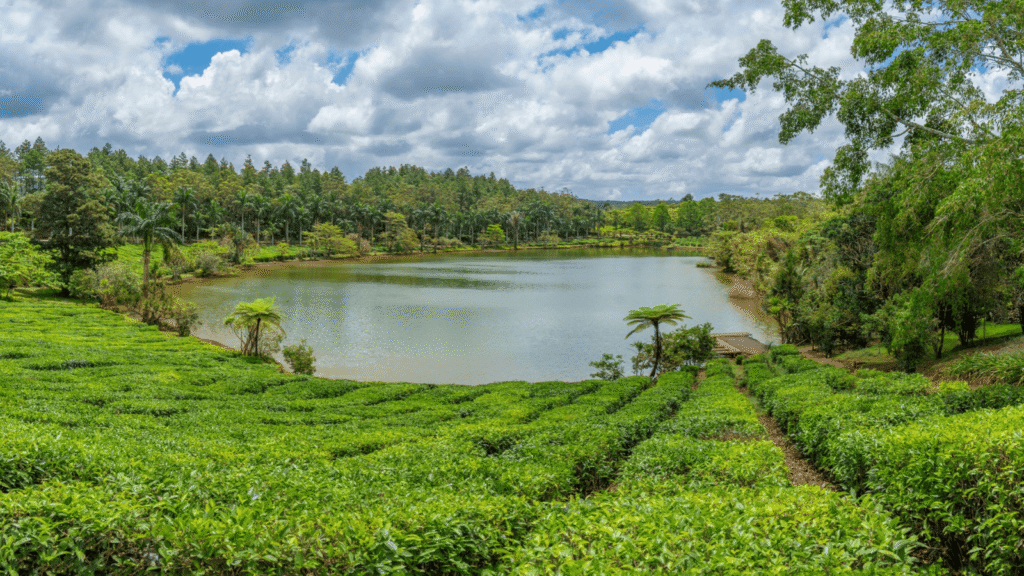
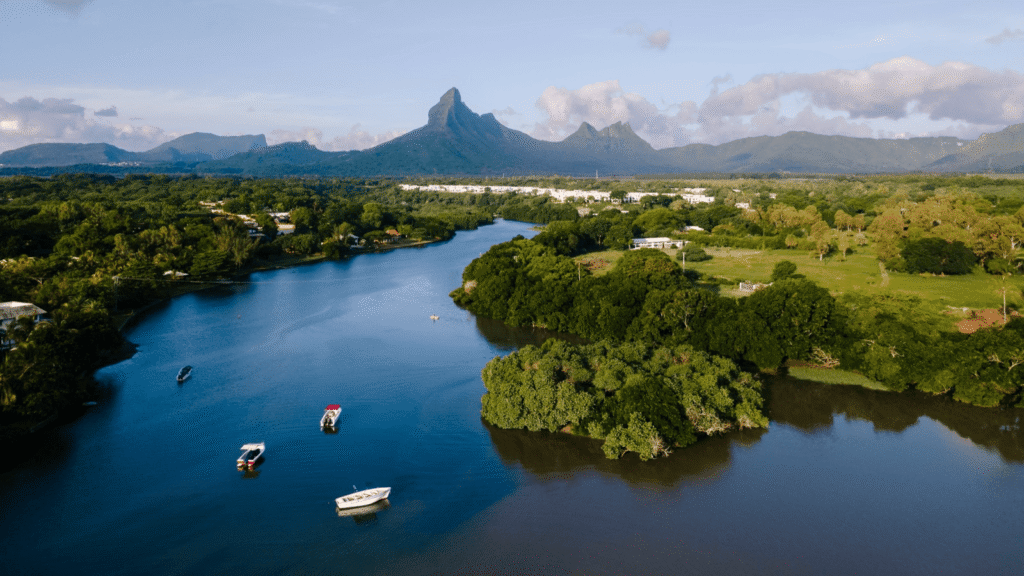
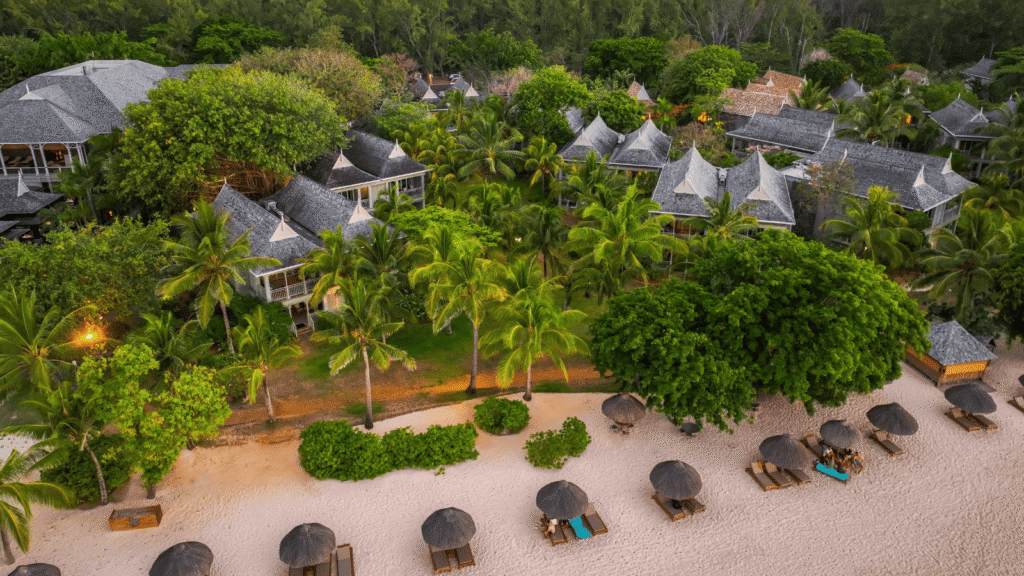
Photos of Mauritius
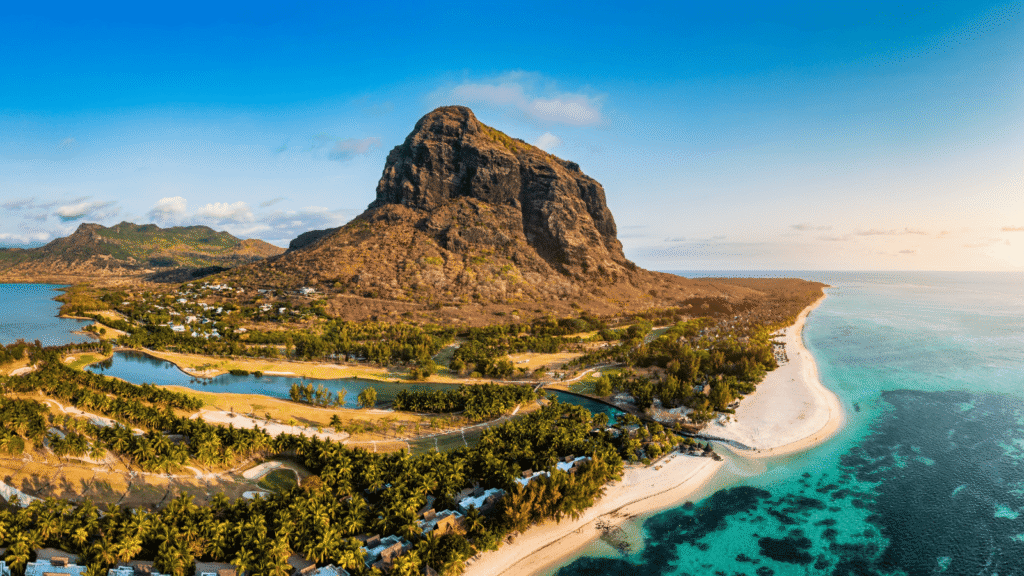
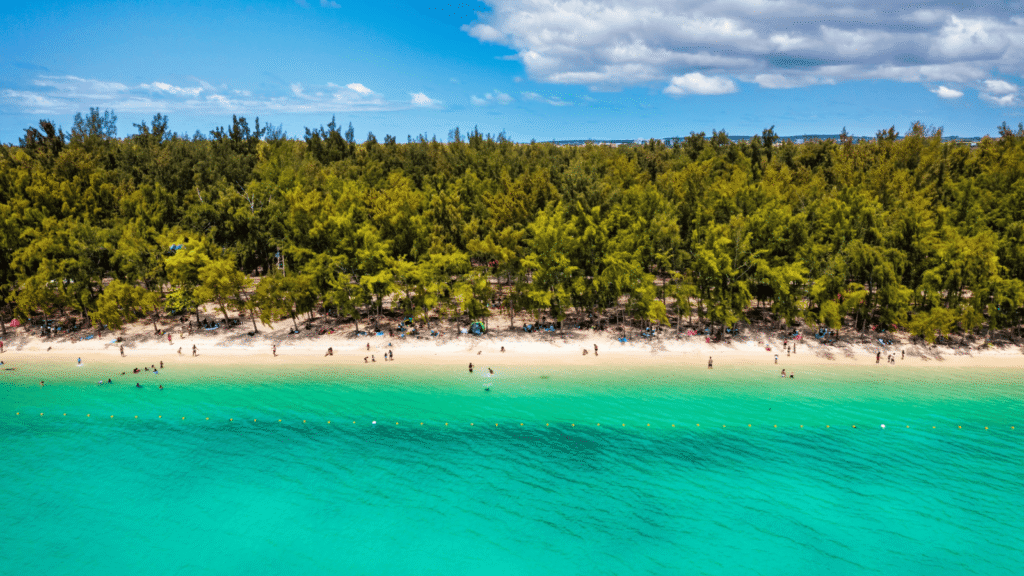







Conversation
1 commentsThese companies punting Mauritius tell everyone the tax rate is 15%, has not been 15% in a long long time, the top marginal rate is 35%. What most also do not tell you, as an island nation almost everything is imported so the cost of living is expensive. Vehicles on average 30% more. So the 10% you ‘could’ save if you’re on the top marginal rate in SA is quickly consumed by an increase cost of life. Not knocking Mauritius, great place but you need to compare apples to apples.