R5 for a pack of 20 cigarettes in South Africa


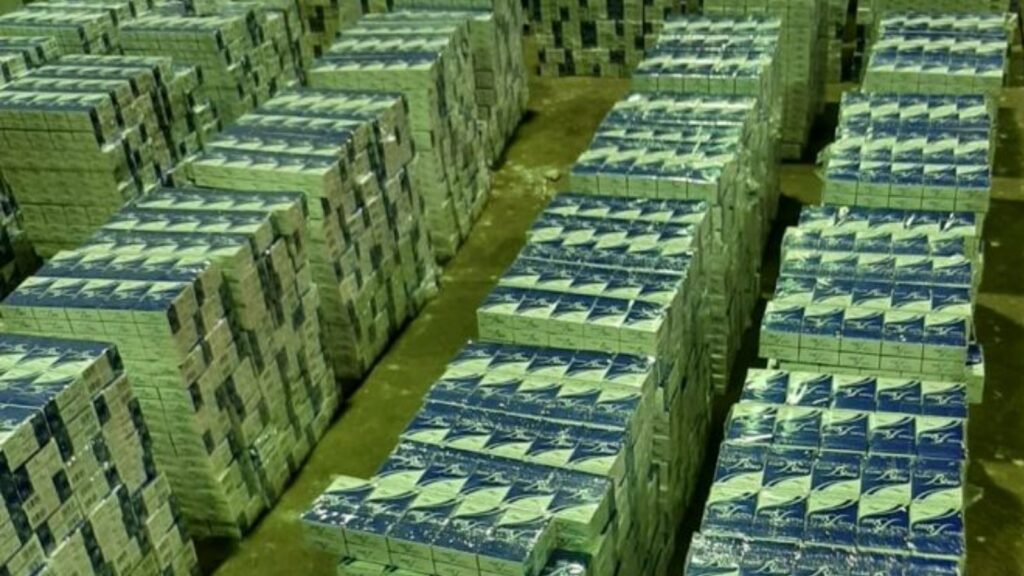
The cheapest illicit pack of 20 cigarettes costs R5 in South Africa, far less than the cheapest legal pack, which is priced at R37.
With the minimum collectable tax on a pack of 20 cigarettes set at R27.12, the South African Revenue Service (SARS) loses billions in excise tax income each year.
This was revealed in the National Treasury and SARS’ presentation to the Standing Committee on Finance (SCOF) on 14 October 2026.
The presentation was the Treasury and SARS’ response to stakeholder comments made about the 2026 Draft Tax Bills.
These comments were received from submissions and public hearings that took place on 30 September 2026 relating to the following draft Bills:
- The 2026 Draft Rates and Monetary Amounts and Amendment of Revenue Laws Bill
- The 2026 Taxation Laws Amendment Bill
- The 2026 Tax Administration Laws Amendment Bill
Many comments discussed in the presentation related to the Treasury’s desire to increase excise duties on tobacco products in South Africa.
Unlike other tobacco products, excise duty increases on cigarettes have been limited to inflationary adjustments since 2023.
This is due to South Africa’s prolific illicit cigarette market, with one submission claiming that 75% of the local cigarette trade is illicit.
This erodes both the legal industry’s market share and state revenue. Oxford Economics estimated that the potential cumulative taxes evaded due to the illicit cigarette trade between 2019 and 2022 amounted to R85.6 billion.
Stakeholder comments indicated an extreme price differential between legal and illicit cigarette products in South Africa.
Stakeholders said the cheapest illicit pack of 20 cigarettes sells for R5, which is R32 less than the cheapest pack of legal cigarettes.
The minimum collectable tax on a pack of 20 cigarettes is R27.12. This means the tax alone exceeds the retail price of illicit cigarettes, making it difficult for legal manufacturers to compete.
Treasury and SARS’ response
To narrow the price gap between legal and illicit cigarettes, stakeholders proposed that the National Treasury reduce excise duty on cigarettes.
They also suggested that the Treasury introduce a minimum retail price to aid enforcement and provide price visibility.
In response to these comments, the National Treasury pointed out that increases in cigarette excise duty have been capped at inflation since the 2023 Budget.
SARS agreed with the stakeholder comments that illicit trade requires a concerted effort and said it is tackling this issue through the National Illicit Economy Disruption Programme.
President Cyril Ramaphosa announced this programme during his 2026 State of the Nation Address.
The programme involves key state agencies, including SARS, private sector players, and other stakeholders.
“Through effective use of data analytics and Artificial Intelligence, we will target high-risk sectors like tobacco, fuel, alcohol, and other counterfeit products,” Ramaphosa said.
In September 2026, SARS Commissioner Johnstone Makhubu reaffirmed the taxman’s commitment to this programme.
“SARS aims to disrupt illicit activities that undermine fair competition, threaten jobs, and weaken economic growth,” he said.
“The organisation is using technology and coordinated enforcement to strengthen its response to fraud, tax evasion, and cross-border syndicated financial crime.”
In the SCOF presentation, SARS also said it would go public with its proposed track-and-trace solution in the coming weeks.
The rollout will start with a focus on tobacco products and is expected to launch in the second quarter of 2027/28.





Comments