South Africans could pay more for chicken from Germany, the Netherlands, and the United Kingdom


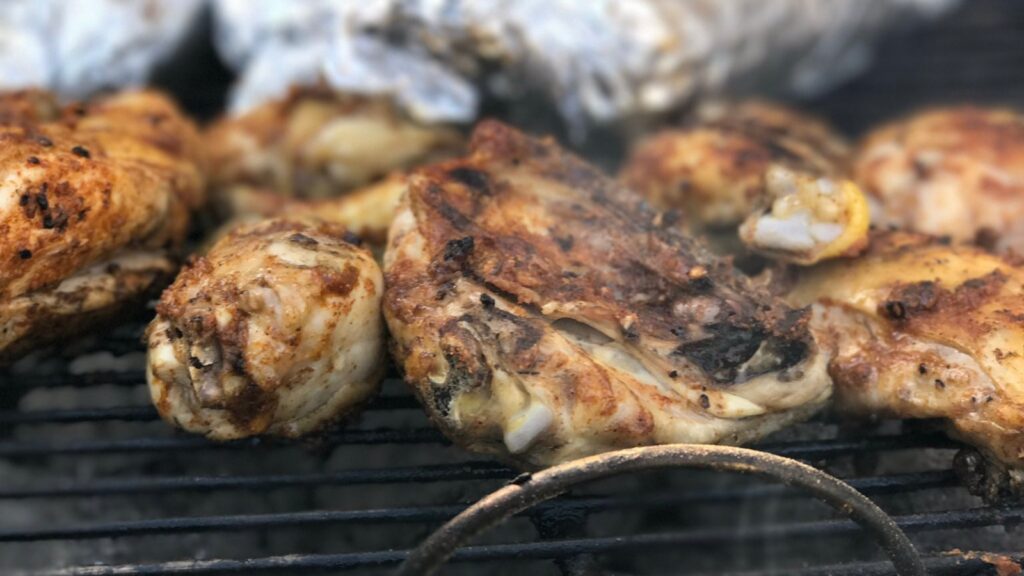
The Association of Meat Importers and Exporters (AMIE) has warned that South Africans could soon pay substantially more for chicken imported from Europe.
In August, the International Trade Administration Commission (ITAC) launched a sunset review of anti-dumping duties on frozen bone-in chicken imports from Germany, the Netherlands, and the United Kingdom.
The existing duties were scheduled to expire on 22 August, before an application from the South African Poultry Association (SAPA) just days before led to the launch of ITAC’s investigation.
SAPA alleged that allowing the duties to expire would result in increased chicken imports and declining sales for local poultry producers across the Southern African Customs Union (SACU).
The association recommended a 425.64% dumping margin on chicken imports from Germany, a 61.84% margin on imports from the UK, and a 32.48% margin on imports from the Netherlands.
The South African Revenue Service recorded no imports of the affected product from either Germany or the United Kingdom between January and December 2025, the period under review.
TradeMap data was reportedly used to determine the UK export price, while official SARS import data was used to establish the export price for the Netherlands.
German exports to Ghana were used to determine the export price to South Africa, as neither SARS nor TradeMap recorded direct imports into the country during the period.
In addition, domestic German chicken leg prices reported to the European Commission were used to establish normal value.
These margins represent part of SAPA’s evidence for ITAC to initiate its investigation, and are not new anti-dumping duties being imposed on these imported chicken products.
ITAC found prima facie evidence that allowing the duties to expire raised the likelihood of recurrent dumping and material injury to the SACU poultry industry.
The current anti-dumping duties on the chicken products in question were implemented in 2015 and extended in 2021 for a further five years.
AMIE challenges extension
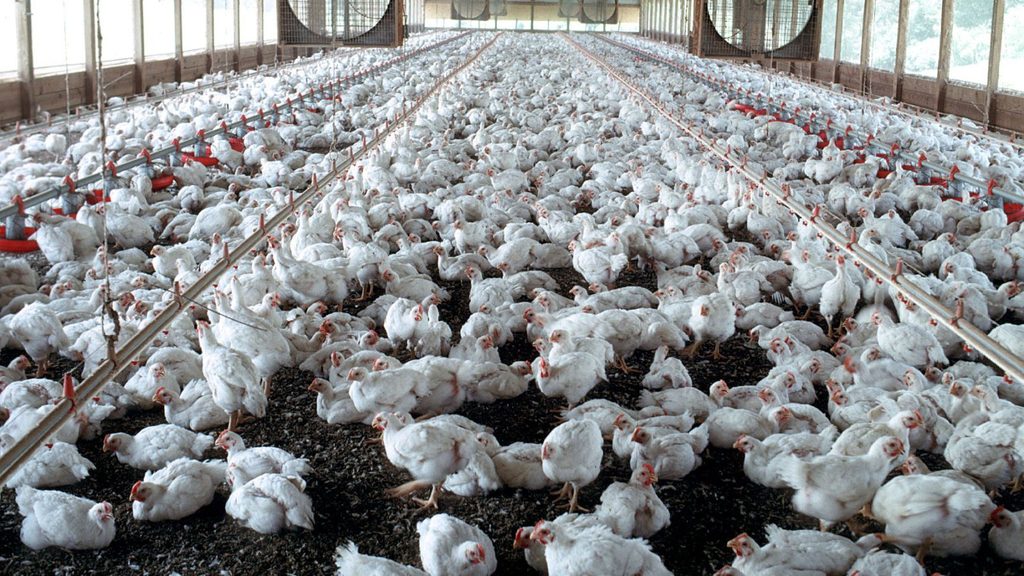
AMIE has opposed SAPA’s request to have the anti-dumping duties extended for another five years, arguing they should be scrapped entirely.
The association asked ITAC to reject the application, saying that the evidence presented did not show a substantial likelihood of renewed dumping and harm to local producers.
Commodity Trade Observer trade attorney Kherina Narotam said in an interview with 702 that extending the duty could harm the South African economy more than removing it.
“To simply extend a duty, and also to increase it, in the face of little to no evidence of dumping and injury will have a negative competitive impact,” Narotam said.
“Fewer competitors equals higher prices. The continuation and increase will have an undue cost-raising effect on consumers, and the cost of chickens will go up.”
According to Narotam, who prepared AMIE’s submission to ITAC, research from the South African Reserve Bank shows that the price of chicken rose by 16.2% between 2012 and 2021.
Further price increases could significantly weigh on chicken sales, which constitute between 60% and 65% of all meat purchased in South Africa.
In addition, Narotam explained that higher tariffs on chicken are often not absorbed by importers, but are instead passed on to South African consumers.
She said the next step would be for ITAC to take AMIE’s submission into consideration, after which it will publish a preliminary report on its findings.
“At that point, we will know whether the Commission will increase or extend the duties or not on a preliminary basis,” Narotam said.
“We will then have a second bite at the cherry, so to speak, and be able to engage with the Commission before the final findings within 12 months from now.”
Narotam said the issue could land in South Africa’s court system, but it would depend on whether AMIE wants to take ITAC’s decision on review.





Comments