Standard Bank backs ‘new’ Gautrain with R9 billion


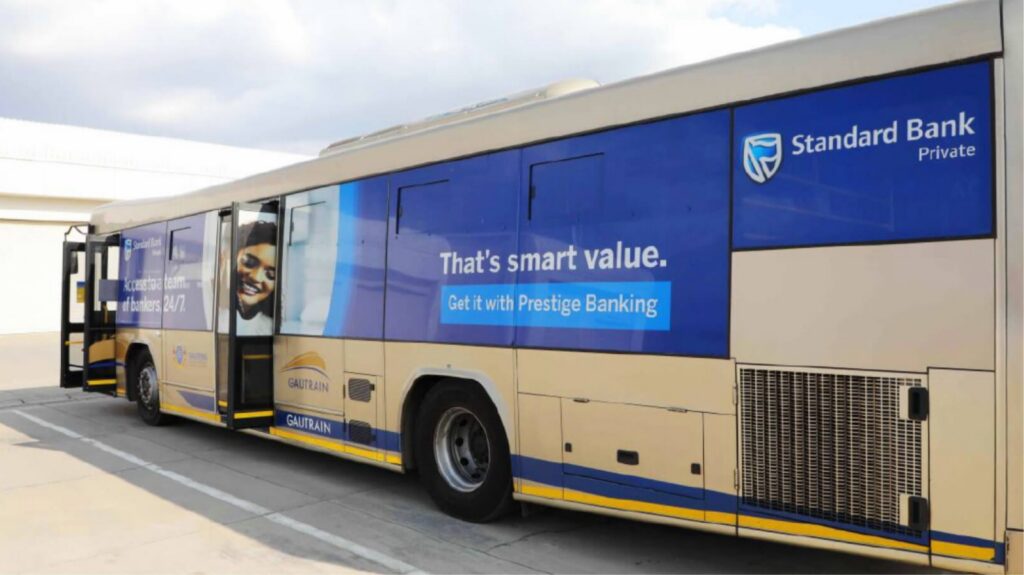
Standard Bank has underwritten a debt package for the Gautrain’s new 15-year public-private partnership concession.
The bank said this opens the doors for R9 billion in investment for the operation, maintenance, upgrading, and modernisation of the Gautrain.
This includes the refurbishment of the Gautrain’s 24 trainsets, as well as the procurement of eight new ones.
It also covers upgrades for its stations, signalling, and communication systems, the digitalisation of fare collections, renewable energy initiatives, and bus feeder fleet replacements.
Standard Bank acted as the sole mandated lead arranger, underwriter, hedge provider, account bank, performance bond issuer, facility agent, and security agent in connection with the underwriting of the debt package.
Standard Bank Corporate and Investment Banking’s Executive Vice President for Infrastructure, Agnes Nkosi, said this reinforced Standard Bank’s commitment to South Africa’s infrastructure development.
“Underwriting the full debt package reflects both our confidence in the Gautrain’s long-term importance and our ability to deliver complex infrastructure financing at scale,” Nkosi said.
“By combining structure, underwriting, markets, transaction banking, and agency capabilities, we have created an integrated solution that supports the resilience of the system and a substantial programme of modernisation.”
This comes 20 years after Standard Bank’s involvement in the financing for the Gautrain’s original development, which closed in January 2007.
Standard Bank served as joint lead arranger, underwriter, and sole lender to the project’s first concessionaire, the Bombela Concession Company, alongside Rand Merchant Bank.
At the time, Nedbank was appointed as the agent bank to the lenders to manage financial transactions and issue the project bonds.
Now, Nkosi said the new financing deal under Standard Bank would continue to change and support the movement of people across Gauteng’s key economic centres.
“This financing will help ensure that it continues to deliver that value as demand for efficient, reliable, and lower-carbon transport grows,” Nkosi said.
“Having helped fund the system’s original development, Standard Bank is proud to back the investment that will define its next chapter.”
The Gautrain’s new operator
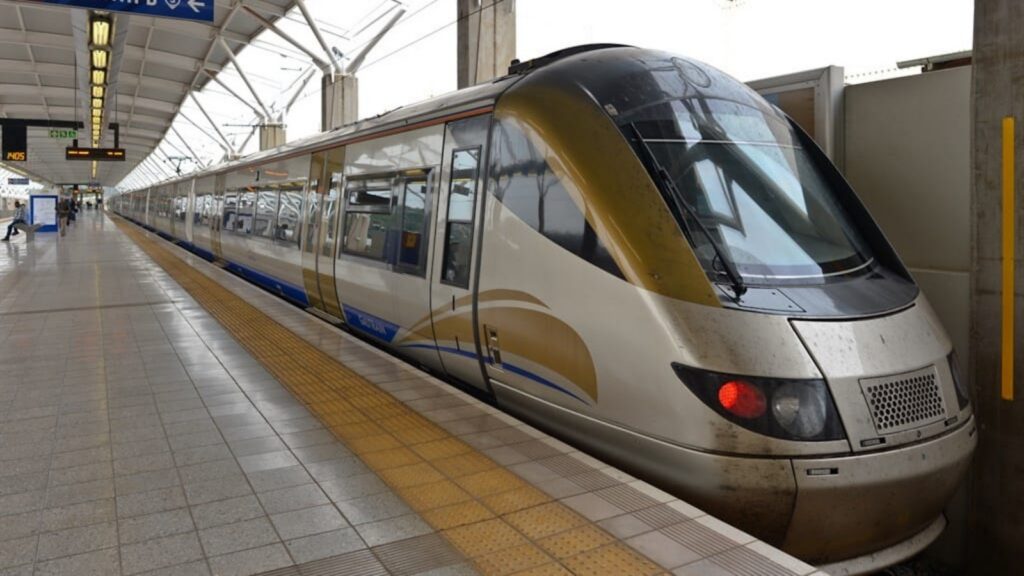
Standard Bank’s underwriting of the Gautrain’s debt comes shortly after Sihamba Sonke Mobility (SSM) was appointed as its new operator.
This officially brought to an end the 19.5-year concession under the Bombela Concession Company, which was set to expire in March 2026.
The Bombela Operating Company continued to operate the Gautrain under a six-month holdover arrangement until negotiations with the preferred bidder were finalised.
SSM will now operate the Gautrain over the next 15-year period, with a renewed focus on investment and modernisation to improve the overall passenger experience.
Gautrain Management Agency CEO Tshepo Kgobe told BusinessDayTV that the procurement process to find the new concessionaire took multiple years.
“A lot of people tend to see a concession and think that it’s a few months,” Kgobe said. “The PPP regulations, which is regulation 16 of the PFMA, is very exact about these things.”
“You have to first do a feasibility study. Then you go through Treasury Approval 1, which allows you to issue a tender into the market.”
Consortia which applied for the tender had to demonstrate that they were able to meet the requirements, including matching the run rate of the previous concessionaire.
As part of the new concession under SSM, French rail group Alstom will manufacture and provide 8 new four-car trains for the Gautrain.
These trains will be built locally at Alstom’s Ubunye facility in Gauteng, and will increase the Gautrain’s total fleet size from 24 to 32.
Alstom’s total share of the concession is valued at €800 million (R15 billion), and includes scope for a new signalling system, communication upgrades, and long-term rail maintenance.
Kgobe said this would address congestion concerns dating back to 2017, which had begun to weigh on the Gautrain’s ridership.
“In 2017, we went out into the market to acquire more trains,” Kgobe said. “At that point in time, the system had reached one-and-a-half times the peak capacity of the system.”
“Post-COVID, people are uncomfortable about that one-and-a-half times capacity. In most systems around the world, they have recovered 80% to 85% of their original capacity.”


Comments