South African asset manager where the average employee gets paid R1.7 million under siege


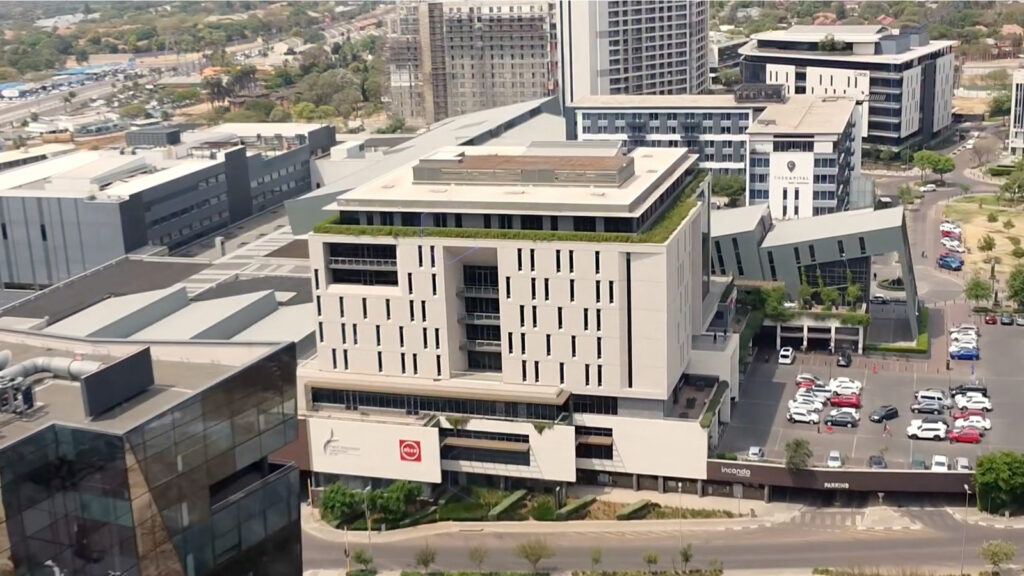
The Public Investment Corporation (PIC) is facing a governance breakdown that risks delaying decisions, weakening oversight, and deepening losses in some of its portfolios.
This comes as the state-owned asset manager’s unlisted investments are already under severe pressure, with 40% of the portfolio considered in distress.
It also raises questions about the effectiveness of the Mpati Commission of Inquiry, which identified weaknesses at the PIC six years ago that are now resurfacing.
This is feedback from Organisation Undoing Tax Abuse (OUTA) CEO Wayne Duvenage, who recently commented on the PIC’s governance crisis.
The PIC is South Africa’s largest asset manager, sitting on R3.5 trillion in assets that include the pension funds of all government employees.
Duvenage’s comments come as the PIC has been making headlines over the past two weeks due to instability within its top leadership.
It started when PIC CEO Patrick Dlamini was placed on precautionary suspension on 13 July after a whistleblower report was submitted to the asset manager’s board.
The allegations made in the whistleblower report pertained to the PIC’s handling of its investment in Lanseria Airport, which dates back to 2017.
The whistleblower report called for an independent investigation into Dlamini’s conduct regarding this deal, alleging governance failures, conflicts of interest, and procedural breaches.
While Dlamini has not been found guilty, he was placed on precautionary suspension pending an investigation into these accusations.
At the same time, the PIC board also appointed Leon Smit to replace August van Heerden as acting chief investment officer.
Dlamini’s suspension has since caused a rift between PIC chairman David Masondo and Finance Minister Enoch Godongwana.
This instability has led to a cascade of resignations from the PIC, including six board members and Masondo himself, leaving the board largely dysfunctional.
The Financial Sector Conduct Authority has also announced an investigation into the PIC’s governance issues, which the asset manager has welcomed.
PIC in crisis
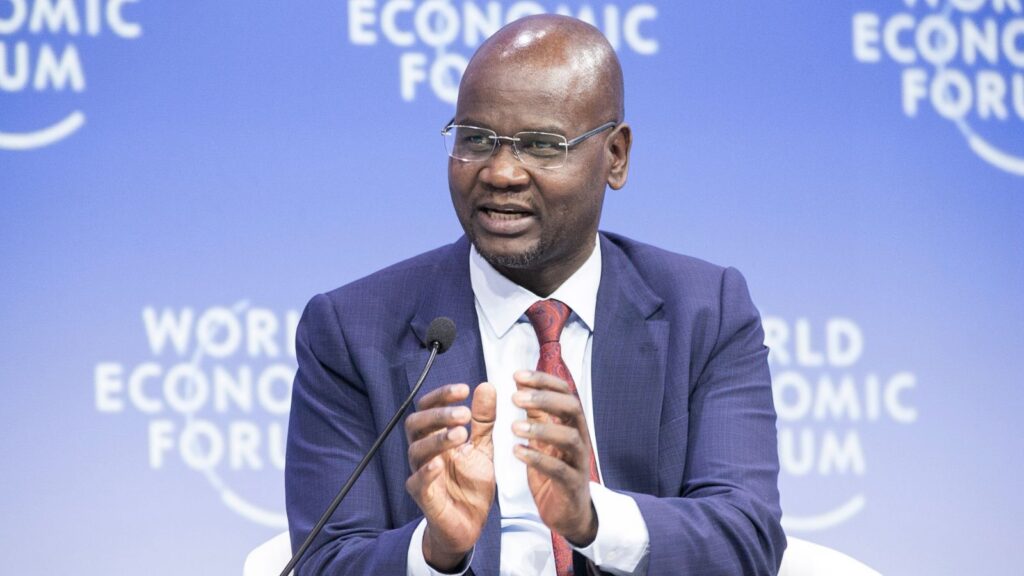
Duvenage said this is not a good situation for the state-owned asset management company to be in.
He pointed out that this governance instability comes at a time when the PIC is already under scrutiny for the performance of some of its investments.
Parliament was recently informed that 40% of the PIC’s unlisted portfolio was classified as distressed following sustained underperformance and value destruction.
“So what the PIC has done is respond now by seeking turnaround specialists to help stabilise this roughly R120 billion of investments into troubled unlisted and property assets,” Duvenage said.
He said this raises questions about how the unlisted portfolio has been allowed to reach this point.
“The PIC employs investment professionals and senior managers who are supposed to identify risks and monitor performance and protect these assets entrusted to them,” he said.
“The fact that you now need to bring in outside turnaround specialists raises some serious questions around capabilities, accountability, and the quality of appointments within the PIC.”
Codera Analytics revealed that the average employee at the PIC received a total pay package of around R1.7 million in 2025.
Duvenage stressed that the troubles at the PIC do not put its R3.5 trillion in assets at risk. Most of the company’s assets are held in listed securities and other diversified investments.
However, he warned that a governance breakdown of this magnitude increases the risk of delayed decisions, which could lead to issues later down the line.
“It weakens oversight and further losses are expected now in some of these portfolios, which are already under a lot of pressure,” he said.
More importantly, Duvenage said it revives questions raised six years ago by the Mpati Commission of Inquiry.
The commission was appointed by President Cyril Ramaphosa in 2018 to look into allegations of impropriety, governance breaches, corruption, and political interference at the PIC.
In its final report, submitted to the President in 2019 and released to the public in 2020, the commission made 276 recommendations for the PIC to implement.
The recommendations were aimed at improving governance procedures and transparency at the PIC, calling for sweeping changes to laws governing the asset manager.
Commission recommendations
According to the PIC, it has prioritised strengthening governance and implementing the Mpati Commission’s recommendations.
However, Duvenage said it is clear that some recommendations were not implemented, and the result of that can now be seen in the governance crisis.
“One of the most important findings from that commission was that the PIC should have an independent non-executive chairman with expertise in pension funds, financial markets, governance, and investments,” he said.
The commission also recommended that the Deputy Finance Minister, a position currently held by Masondo, should not automatically occupy this position.
The commission called for appointments based on professional competence rather than political patronage.
“It called for tighter supervision of unlisted investments and stronger whistleblower protection and more effective systems to detect fraud and hold these executives to account,” Duvenage said.
“So here we are six years later, and while the PIC says that it has made substantial progress in implementing these recommendations, those claims have been fiercely contested.”
Masondo has also acknowledged before Parliament that the PIC has not fully complied with the Mpati Commission’s recommendations.
“This leaves us ultimately with a question which often follows major commissions of inquiry,” Duvenage said.
“Was the Mpati Commission a programme of genuine institutional reform or largely just a compliance exercise that failed to change how the concentration of power exists inside the PIC?”
He said that, for the public servants whose pension funds are tied up with the PIC, this crisis is bigger than just a CEO position, an investment, or some boardroom dispute.
“This comes down to whether the institution entrusted with their retirement savings has learned the lessons that were put forward by the Mpati Commission.”
“Or, are they just simply repeating those problems that they have had for so many years?”