Home Affairs minister sends a message to South Africans with green ID books


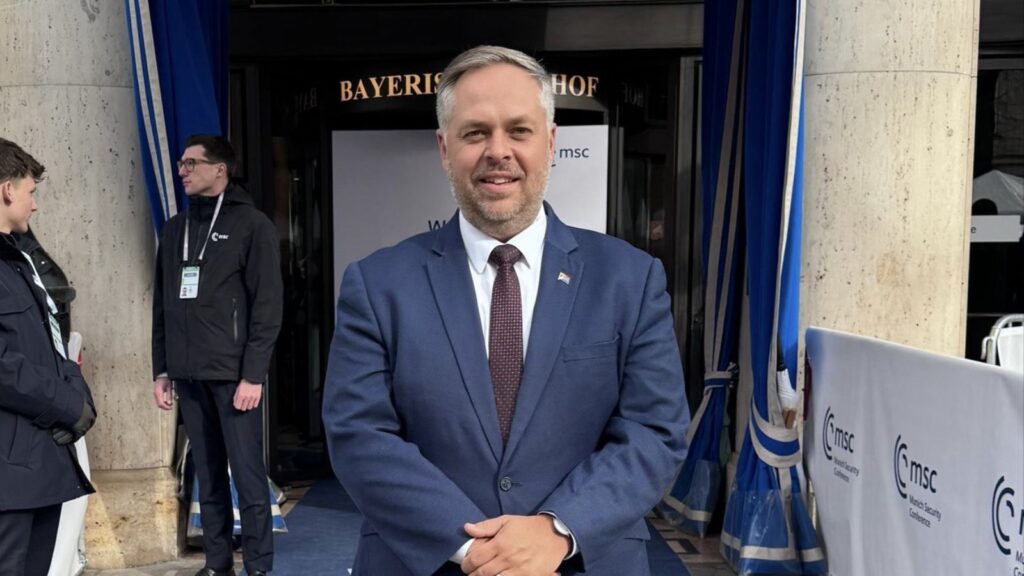
The Department of Home Affairs is rapidly phasing out green ID books in South Africa, with Minister Leon Schreiber saying that thousands of people are already using the department’s new Smart ID services.
As part of this effort, the Department of Home Affairs has expanded South Africans’ access to Smart ID services by 250% in just 19 weeks.
Now, the government is preparing a roadmap to eventually phase out the green ID book as Smart ID access expands and digital services become more widely available.
This rapid progress is evidence of progress in its digital transformation programme, Home Affairs @ home, which uses technology to securely deliver government services directly to citizens.
According to Home Affairs Minister, Dr Leon Schreiber, the Smart ID milestone is just one of many achievements realised over the past 24 months as the department modernises its services.
By the end of 2026, Home Affairs aims to expand this digital partnership with banks from just over 300 participating branches to more than 750. This will increase access by more than 150% in a matter of months.
By then, citizens will also be able to obtain Passports at participating bank branches and have the option of courier delivery of their ID and Passport, directly to their doorstep.
Delivering the keynote address at the Xpatweb Global Mobility Conference in Bryanston on 21 July 2026, Schreiber explained that he has a clear vision.
Instead of forcing 63 million South Africans to queue at one of the department’s 214 Home Affairs offices to obtain or collect a replacement Smart ID, Home Affairs will come to them.
“After decades of paper-based and manual processes, as well as fragmented systems and growing backlogs, few believed that Home Affairs could become a modern, digital-first department,” he said.
Schreiber explained that the Home Affairs @ Home reform programme is built around embracing digital transformation and technology to decentralise access to services.
He announced that more than 422,000 South Africans have already applied for Smart IDs through the digital partnership with banks in just over four months.
This process was done without applicants completing paperwork, booking an appointment or standing in long queues.
According to Schreiber, the rapid expansion has been achieved without placing an additional burden on the public purse.
“We have delivered all of this without any increase in headcount or budget, and the partnership has not meant any additional cost for taxpayers.”
Green ID book set for retirement
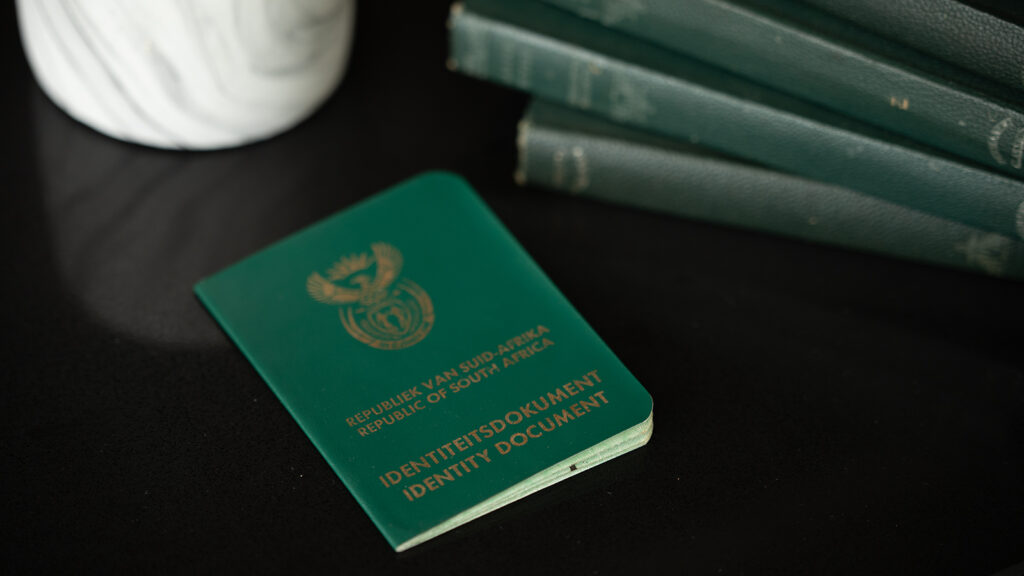
The Minister explained that the unprecedented expansion of access to Smart ID services paved the way for the imminent announcement of the roadmap towards the discontinuation of the Green ID book.
“This will strike a powerful blow against fraud, identity theft, and eliminate a key pull factor for illegal immigration,” he said.
In June 2026, at a media briefing by the Inter-Ministerial Committee on Migration, the minister cited studies indicating that the Green ID is the most frequently counterfeited identity document in Africa.
As it has a physical photograph that can be manipulated, exchanged or swapped, it increases the risk of fraud if someone loses their Green ID or it gets stolen. There are about 16 million Green IDs still in use.
During the Xpatweb conference, Schreiber also expanded on the Electronic Travel Authorisation (ETA), which he described as the flagship reform on immigration.
Two years ago, it still only existed as an “ambitious proposal”. The ETA is replacing an entire operating system with a modern, intelligent platform.
The new system will give South Africa one of the most sophisticated visa processing systems anywhere in the world.
It will move South Africa away from paper-based applications, manual verification and human judgment exercised after an application reaches an official’s desk.
Since the initial pilot was launched in late 2025, the system has already processed over 203,000 applications. During the same period, the ETA identified more than 5,700 fraudulent applications that were rejected.
This came after machine learning detected fraudulent passports, manipulated documents, and other indicators of fraud before those travellers could even board a flight to South Africa.
“No immigration official, no matter how experienced or dedicated, could manually compare every passport and supporting document against millions of data points within seconds. But the ETA now can,” he said.
From the start, it was designed as the digital operating system that will underpin South Africa’s entire future immigration system and will be expanded in future for use in more countries and visa categories
“Just two years later, we are comprehensively proving the cynics wrong. The work is not yet complete,” Schreiber said.
Xpatweb Managing Director Marisa Jacobs said these welcome reforms are helping to create a more enabling environment for economic growth and boost investor confidence.
“The various initiatives and new technologies introduced, not only benefit Home Affairs employees, citizens, tourists and everyone using departmental services, but South Africa as a whole.”
The Minister acknowledged that challenges remain but expressed confidence that the reforms represent a revolution in the entire Home Affairs – and government – operating model.






Comments