The South African private school producing its own energy, vegetables, and fruit which costs R170,000 a year


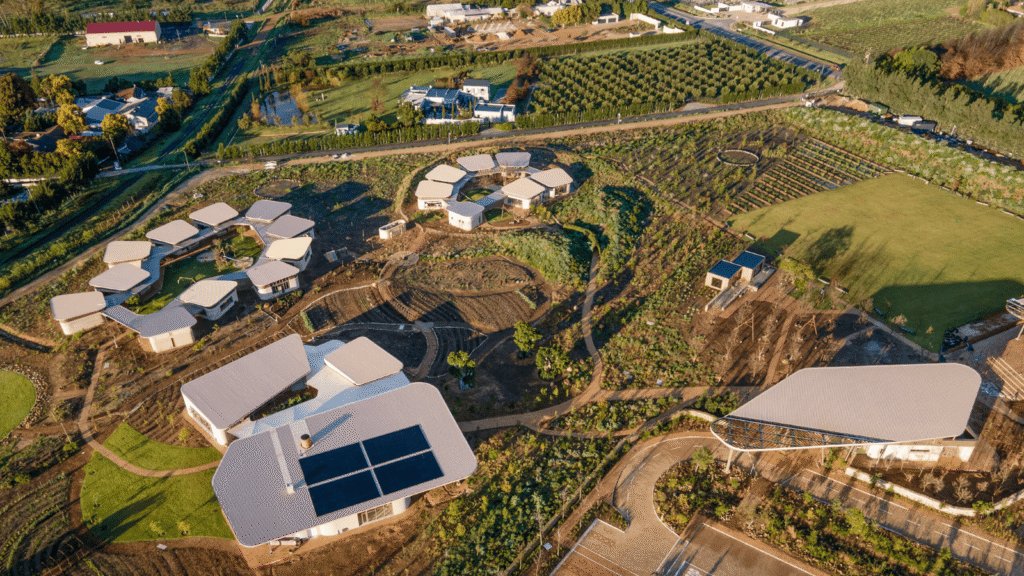
Located outside Paarl, Green School South Africa charges up to R179,550 a year and combines traditional academics with practical learning and hands-on experiences across its eight-hectare campus.
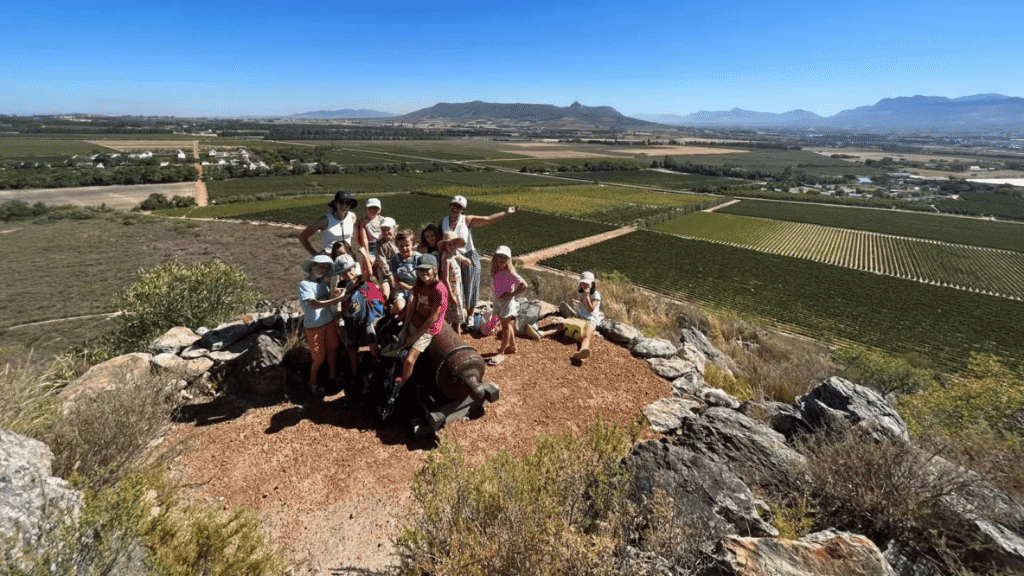
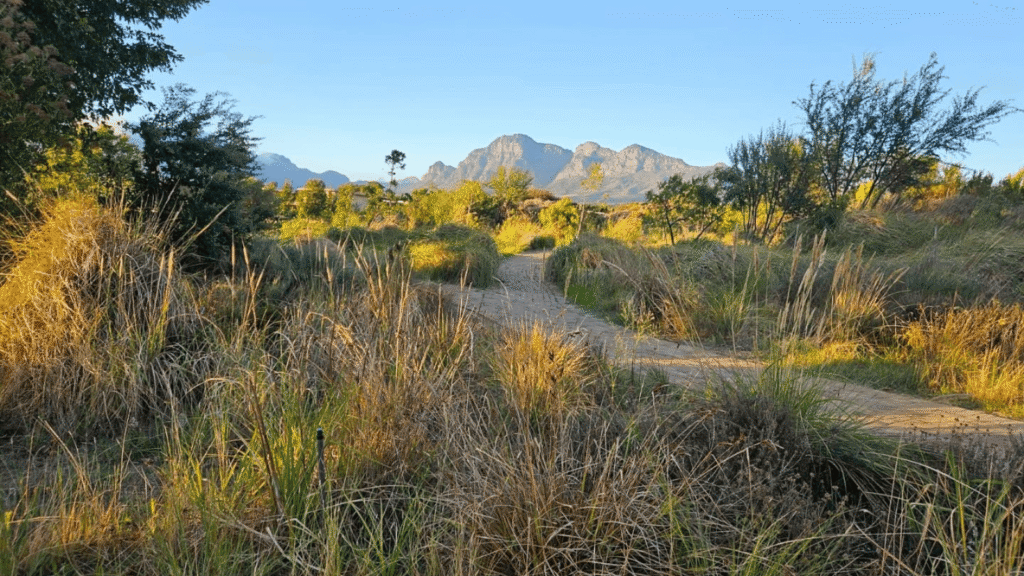
Among the mountains, orchards, and vineyards outside Paarl in the Western Cape, there is a school that takes a very different approach to education.
Green School South Africa combines traditional academic learning with sustainability, practical skills and outdoor education.
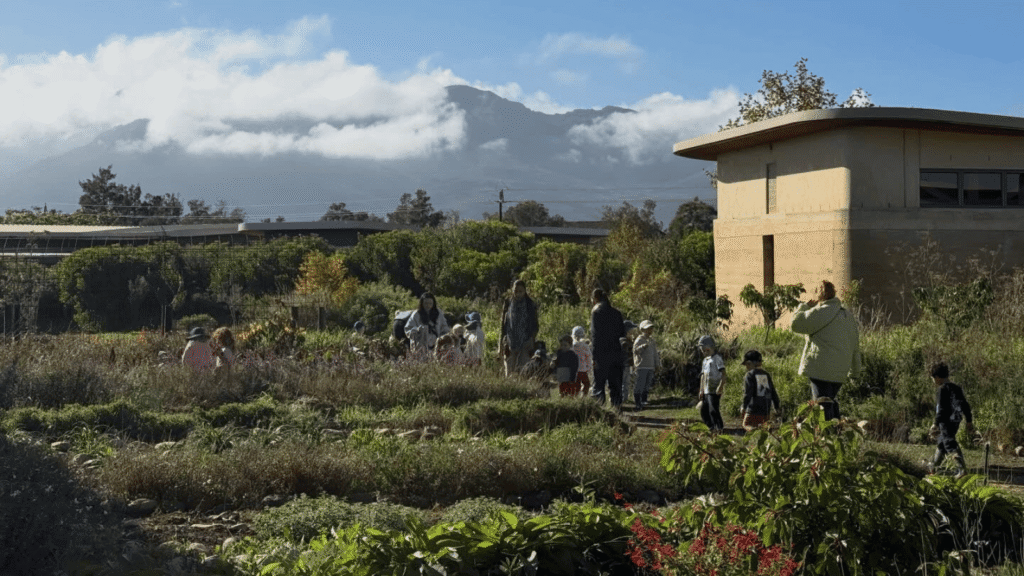
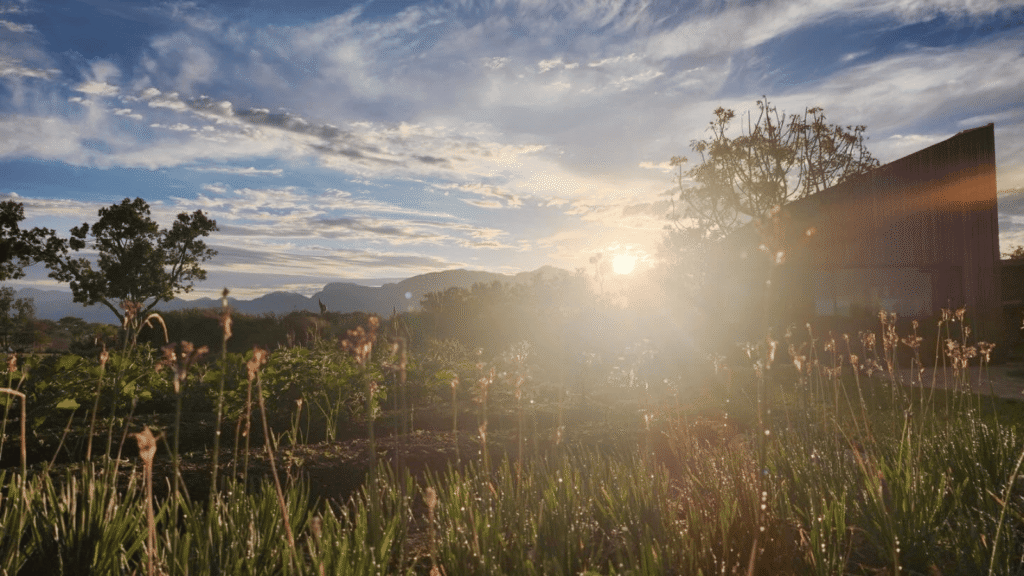
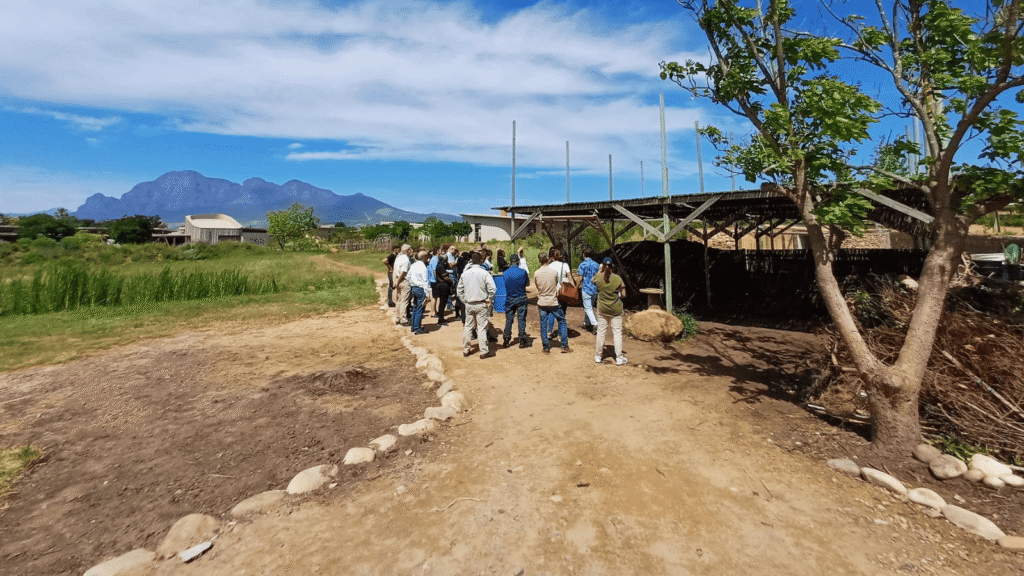
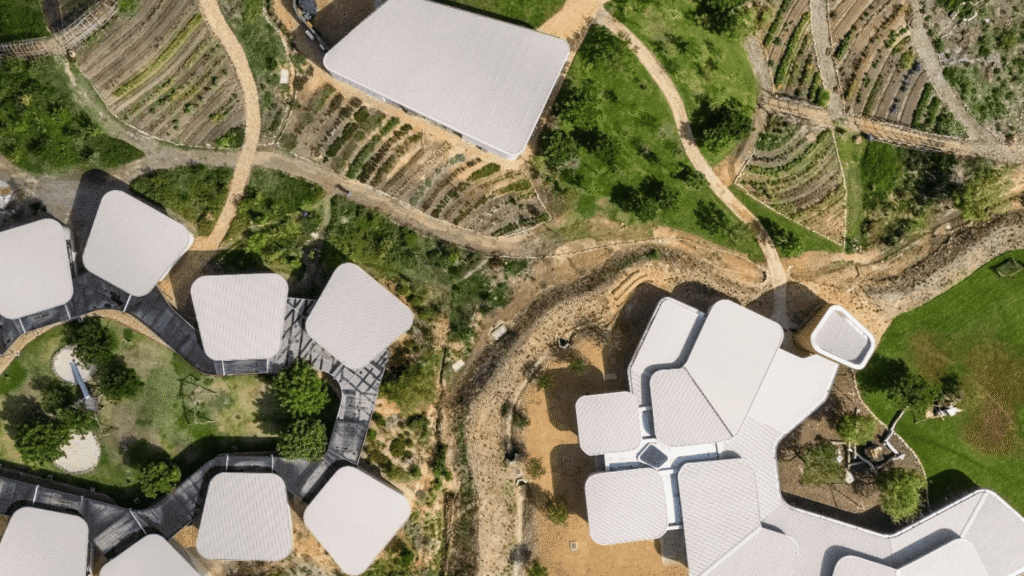
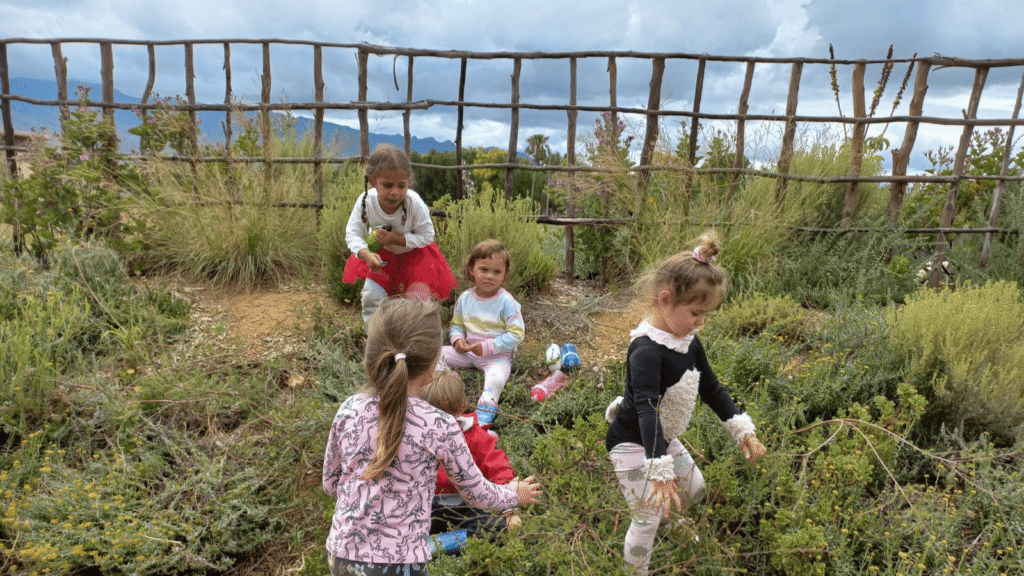
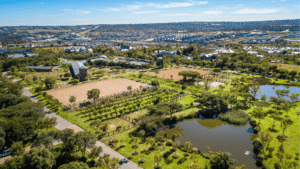
Its eight-hectare campus includes vegetable gardens, fruit forests, medicinal gardens and herbal corridors, where learners take part in growing, caring for and harvesting food.
The school’s fees range from R65,550 a year for children aged two to three, to R179,550 for Grades 11 and 12 in 2027. Grade 9 and 10 learners pay R173,375 a year.
Additional compulsory levies cover items such as daily snacks, lunch, stationery, and outings. These range from R1,875 per term for kindergarten learners to R2,650 for middle and high school learners.
The fees do not stop there. An application fee of R2,000 per family and a placement fee of R12,500 per learner are also payable.
The school describes itself as part of the global Green School movement, which was launched by Green School Bali in 2008. Green School South Africa is the third school in the network, alongside Green School New Zealand.
Its purpose is to educate learners for sustainability through community-integrated and entrepreneurial learning in a natural environment.
The school caters to children of all ages. It offers education from Grade RRRR, with learners aged two to three, through to Grade 12.
According to the Head of School, Andy Wood, Green School’s approach is based on the belief that children need to be prepared for a changing world rather than simply being taught for the world of previous generations.
“Green School holds onto and values the best of traditional curriculum and methodology, but also acknowledges the clear call of the future and is responding with fresh thinking, imagination and innovation,” Wood said.
The school’s approach to teaching
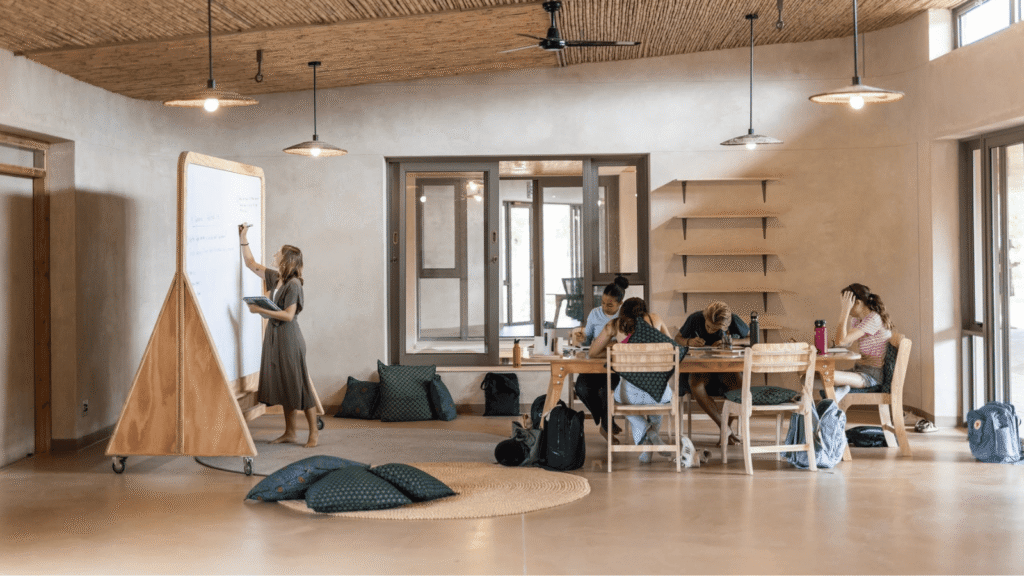
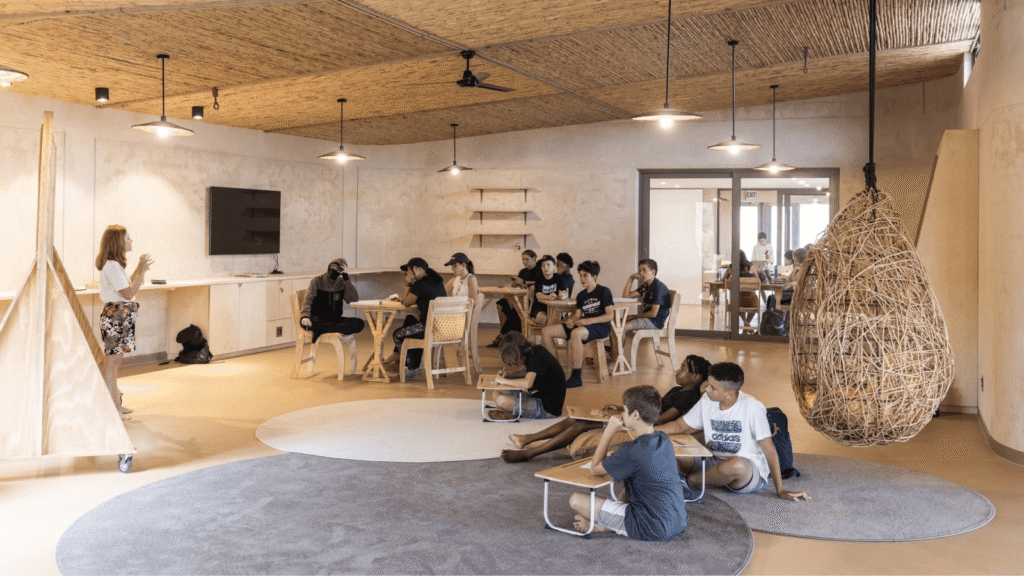
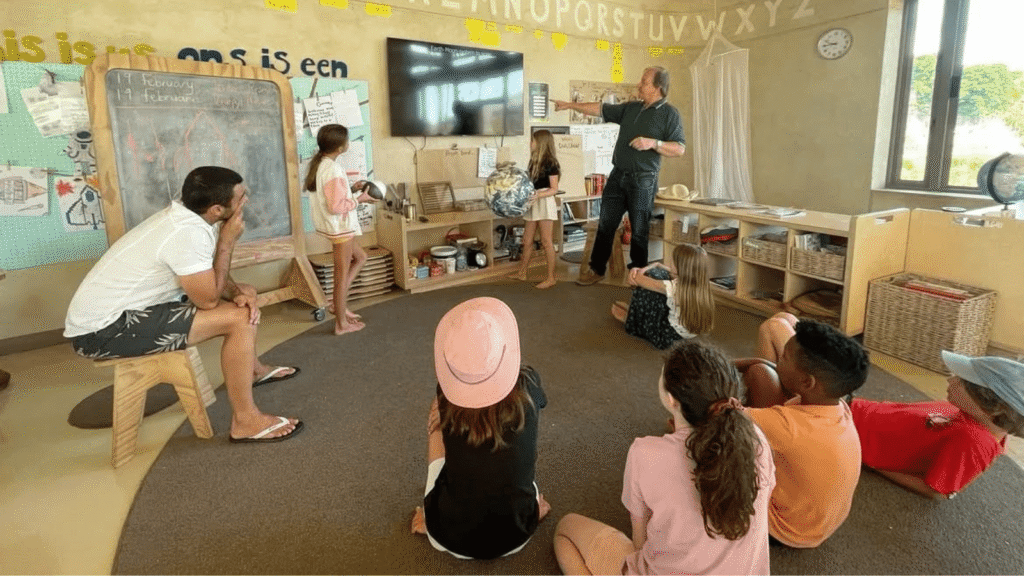
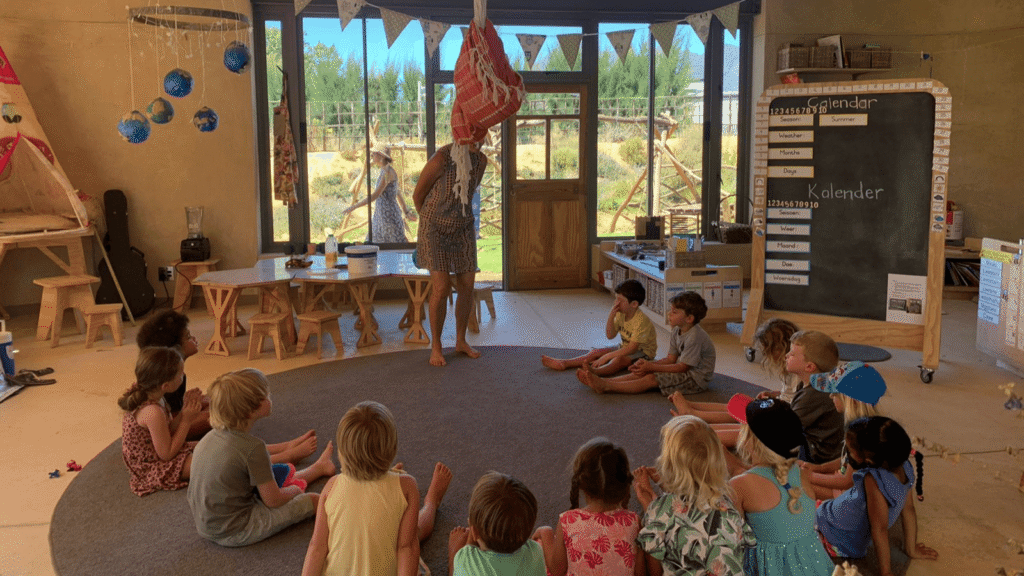
A major part of the school’s approach is its low learner-to-teacher ratio. Green School South Africa has one teacher for every 10 learners. This allows educators to take a more personalised approach.
Rather than expecting every learner in a grade to reach the same point at exactly the same time, the school uses a learning continuum.
This allows teachers to support learners who need additional help while extending those who are ready for more advanced work.
The academic programme includes core subjects such as mathematics, science, English and Afrikaans. These are combined with thematic and experiential learning.
The thematic approach brings different subjects together around specific themes, which allows learners to explore real-world issues and follow their own questions.
Experiential learning is the more practical side of the programme. Learners work in school gardens, create art, build structures, cook, sew, learn first aid or take part in outdoor activities.
The school also offers green studies and environmental science, with lessons designed to connect learners with ecology, sustainability and their local environment.
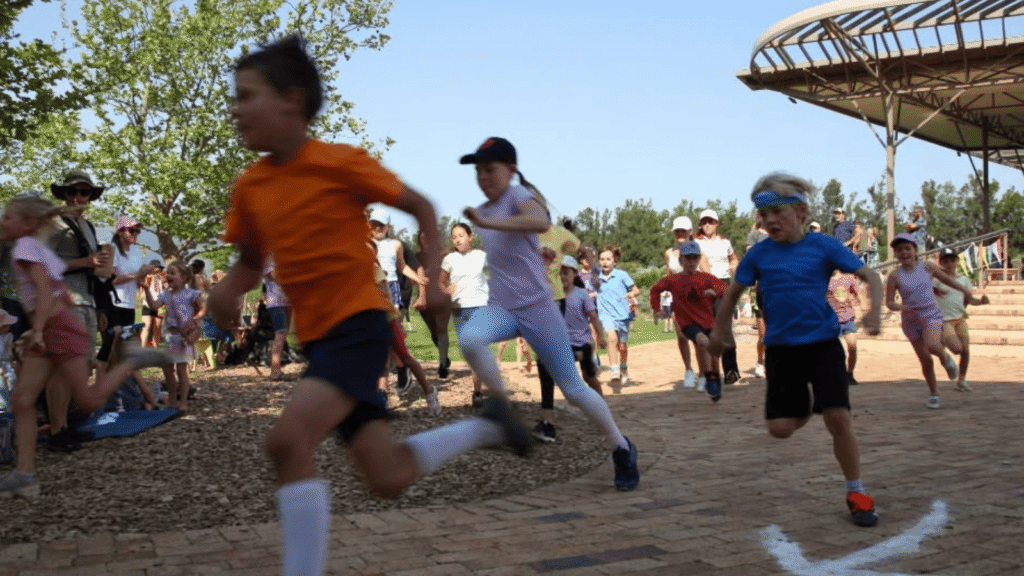
The focus extends beyond the classroom. Art and music form part of the standard programme, while sport and physical education are also central to the school experience.
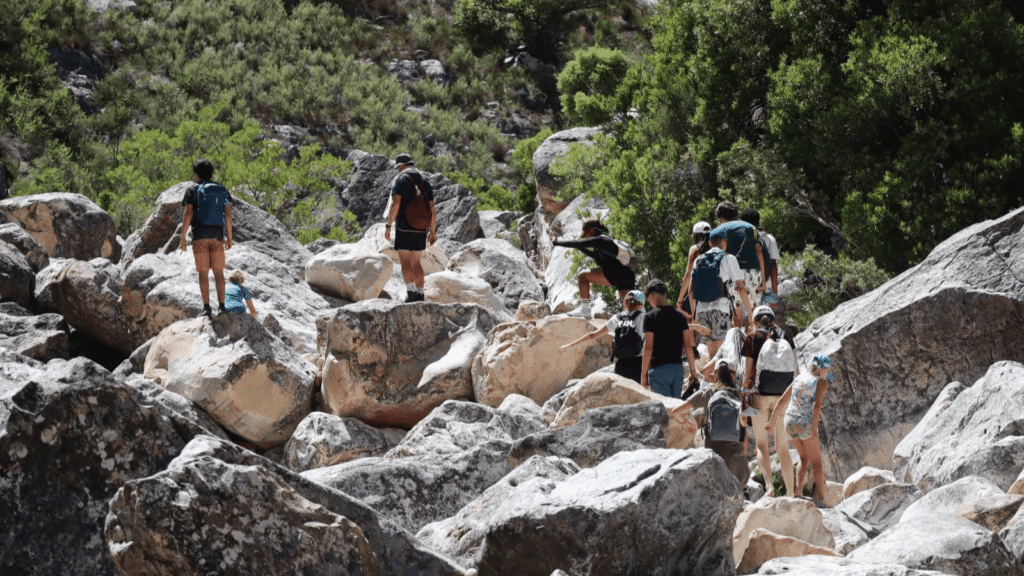
The campus’s location at the foot of the Drakenstein mountains provides opportunities for activities such as mountain biking, hiking and rock climbing.
Green School also focuses on learner wellbeing. Its programme covers physical, social and emotional well-being, with learners encouraged to develop connections with themselves, others and society.
One-of-a-kind programmes
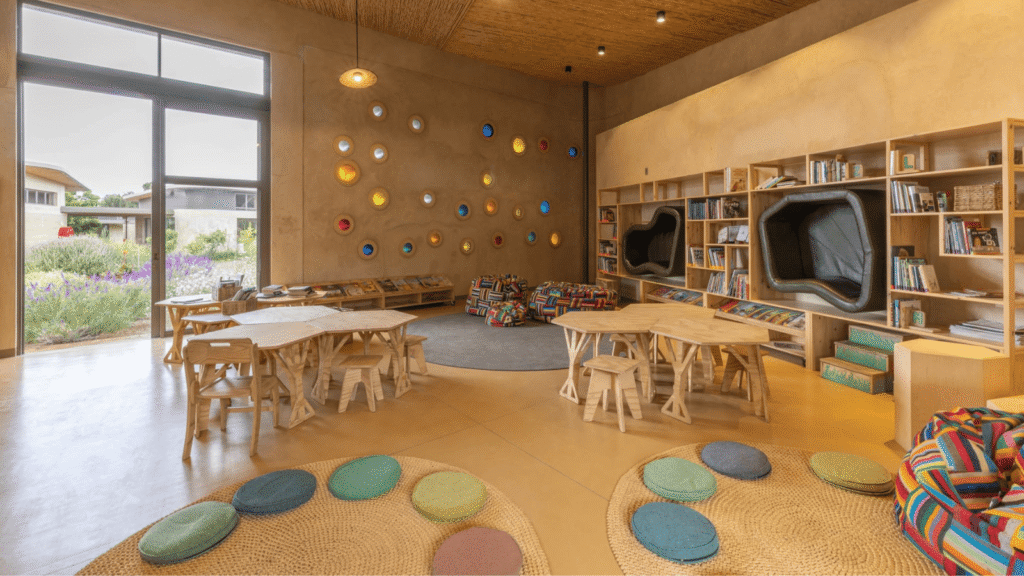
One of the school’s key experiential programmes is called Stappie-Stappie. It gives learners the opportunity to work on practical projects and learn through trying, making mistakes and trying again.
Activities can include gardening, dancing, cooking, creating art, outdoor living, building, and sewing. Older learners can also work with younger children to give them opportunities to develop leadership skills.
The programme includes a service element, with learners encouraged to give back to their communities. They also reflect on what they have learned and the skills they have developed.
Green School South Africa has also created several milestone projects as learners move through different stages of their education.
Grade 5 learners complete the Footprints Capstone Project, which asks them to identify a problem in their community and develop a sustainable solution to address it.
Grade 8 learners take part in the six-month Quest project, which focuses on environmental or social sustainability and culminates in TED Talk-style presentations.
At the end of high school, Grade 12 learners complete the Green Stone project. This allows them to research a topic linked to their individual interests before delivering a 13-minute presentation.
High school learners follow a four-year personalised programme and graduate with an American High School Diploma.
The qualification is designed to provide students with access to tertiary studies, employment or entrepreneurial opportunities.
Producing its own electricity and food
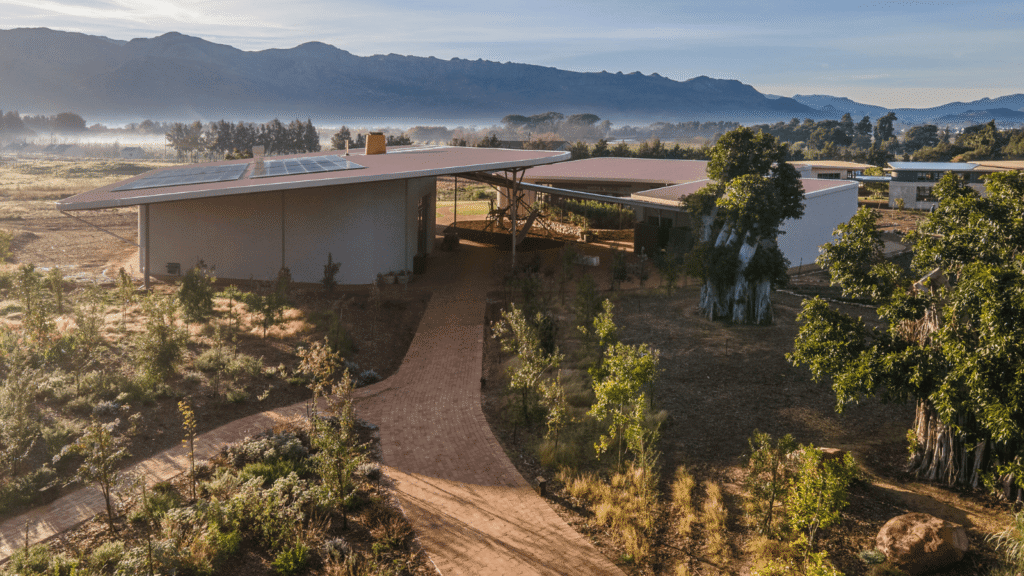
The school’s buildings and gardens were designed in accordance with the Living Building Challenge, a standard that focuses on regenerative design rather than simply reducing environmental impact.
According to the school, the campus produces 105% of its electricity needs, allowing it to feed excess electricity back into the grid.
It also claims to use less water than the site receives naturally through annual rainfall and operates as a zero-waste-to-landfill site.
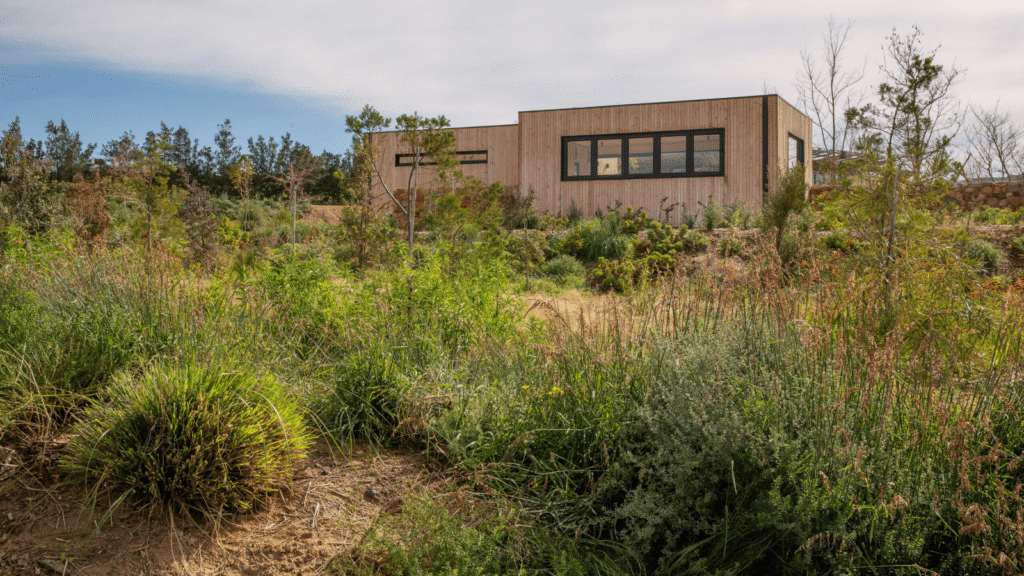
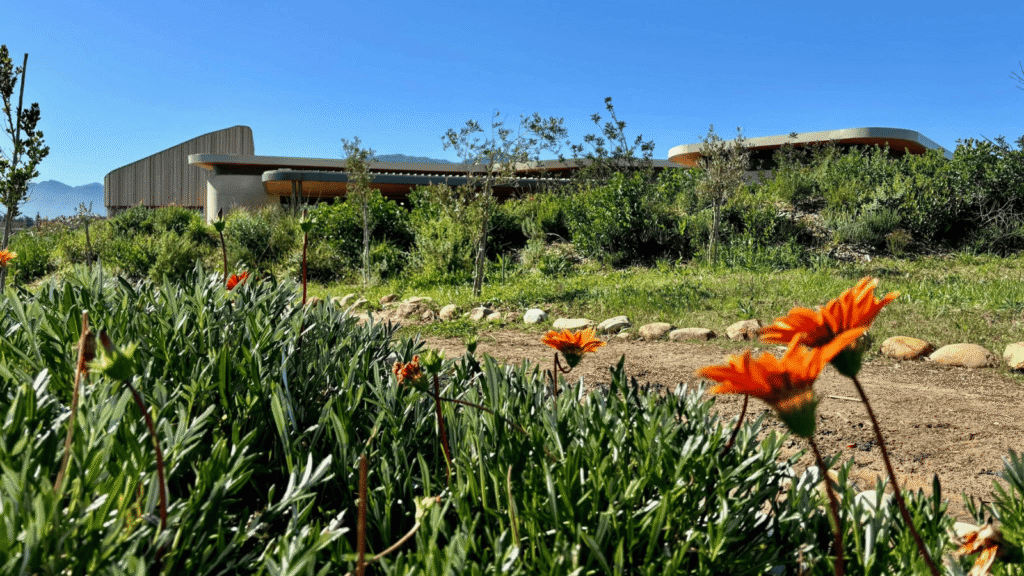
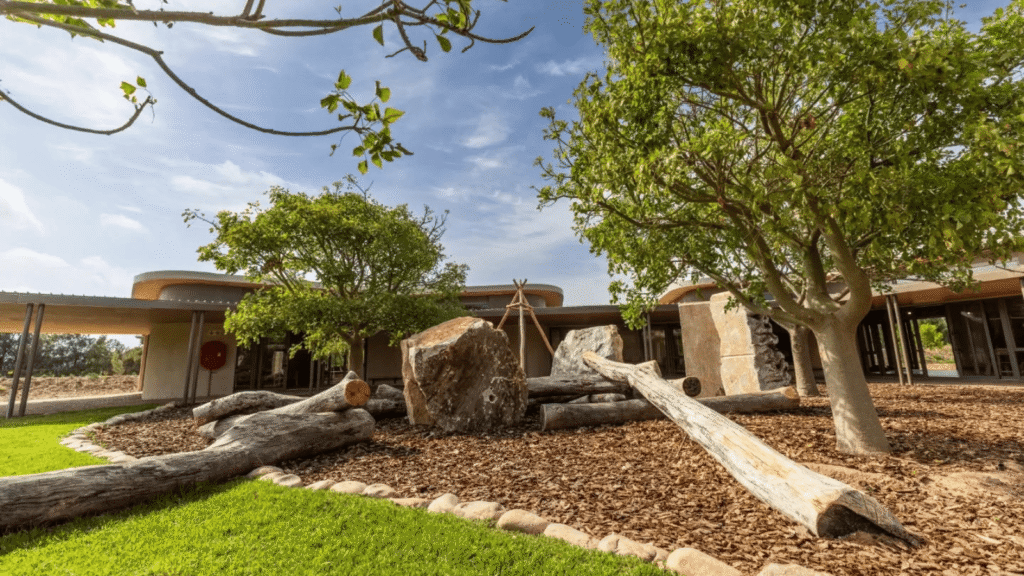
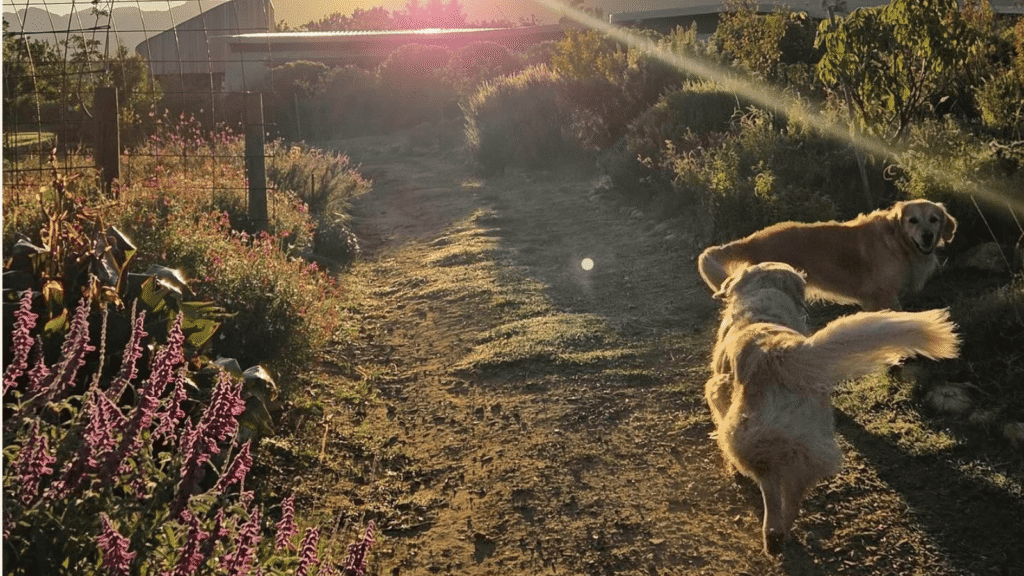
The campus has also re-established endemic plant life. This contributes to biodiversity and creates habitats for bees and butterflies.
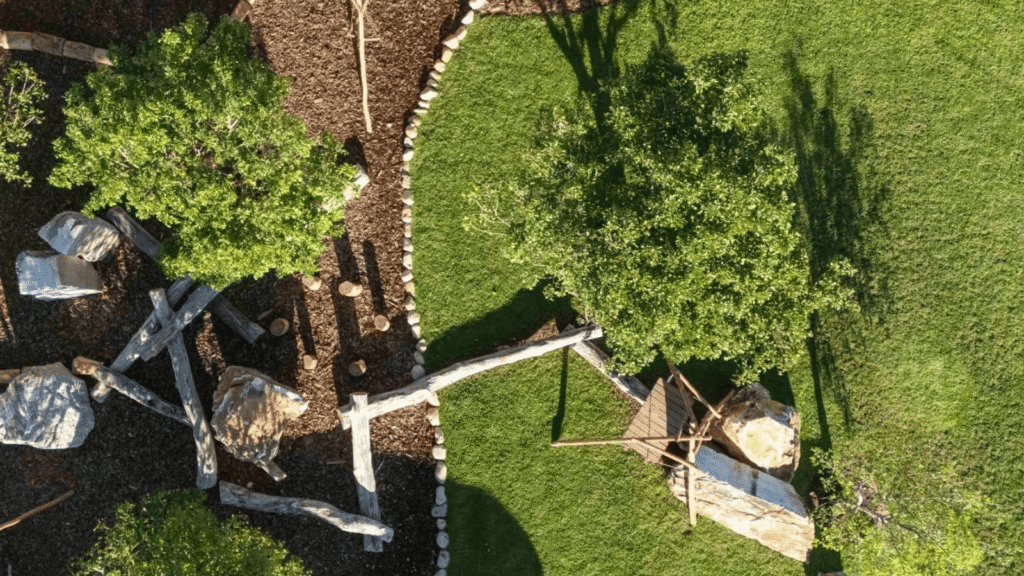
Food production is another major part of the school’s design. Its grounds include vegetable gardens, fruit forests, medicinal gardens and herbal corridors.
The school said learners participate in growing and harvesting food, which helps them develop a direct connection with where their food comes from.
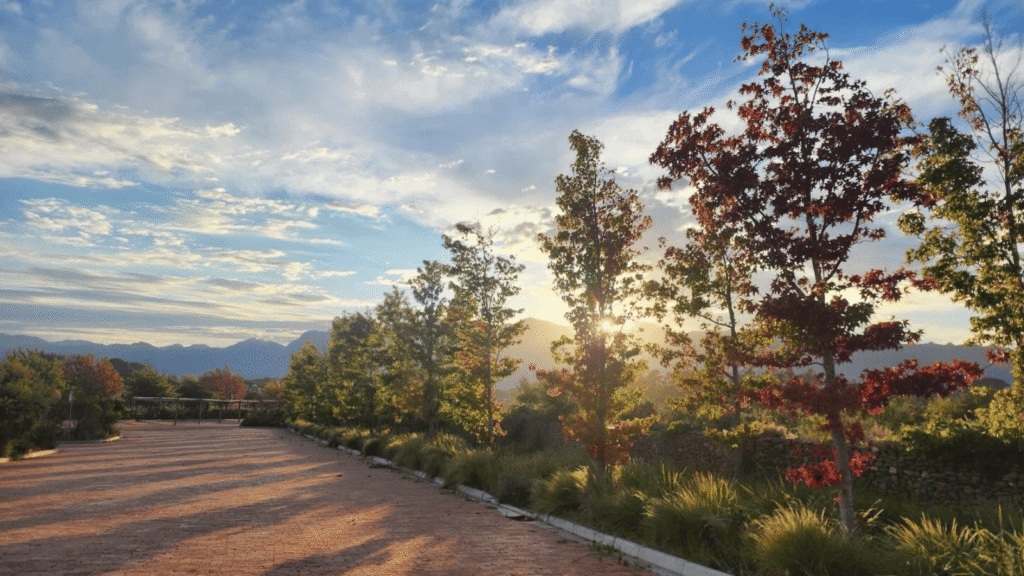
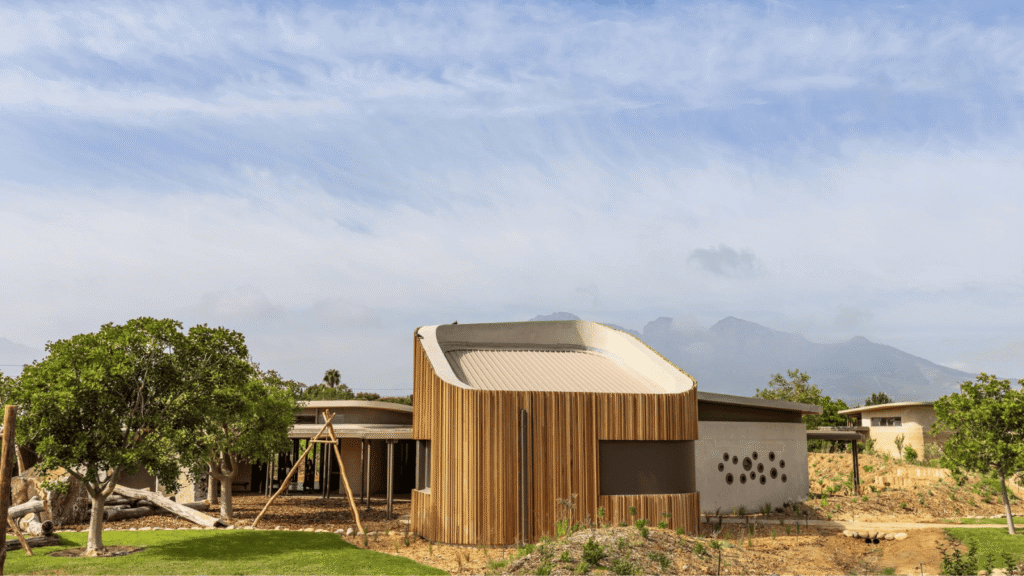
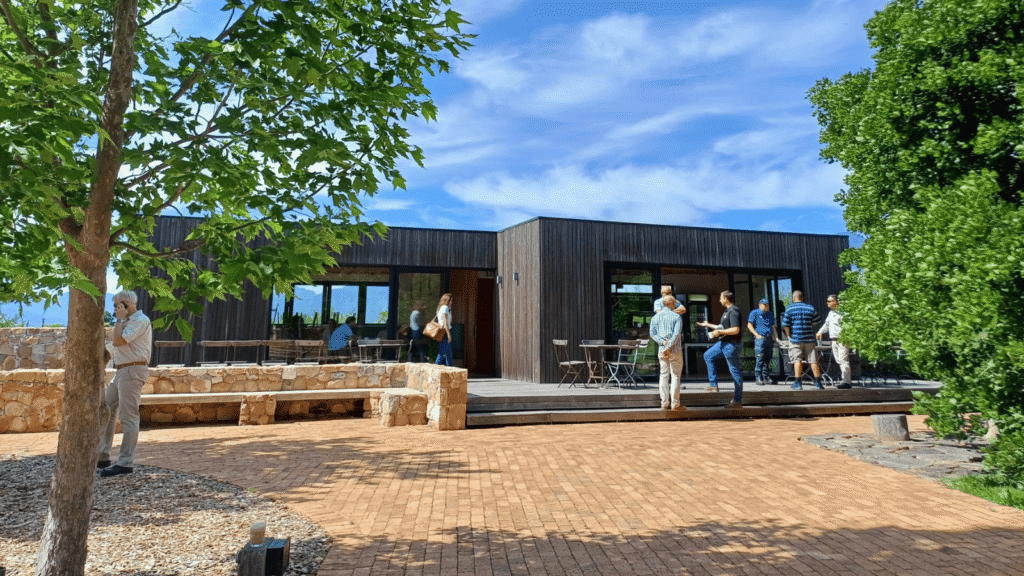
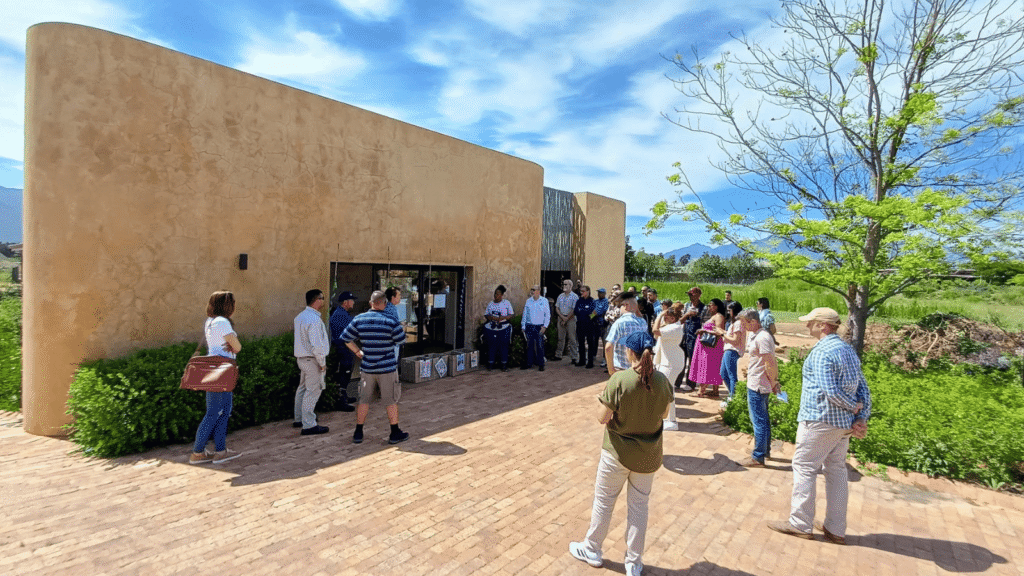
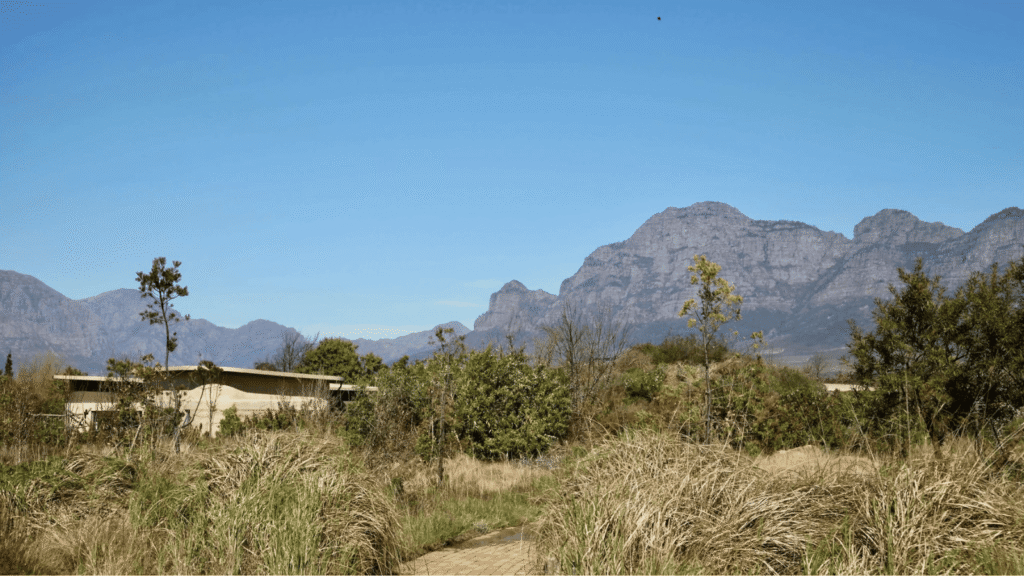
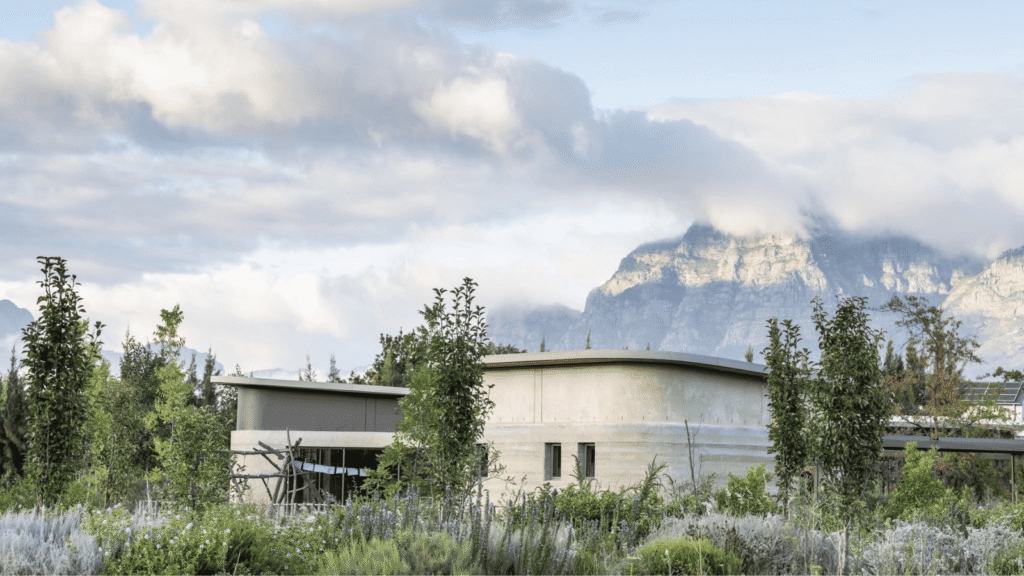
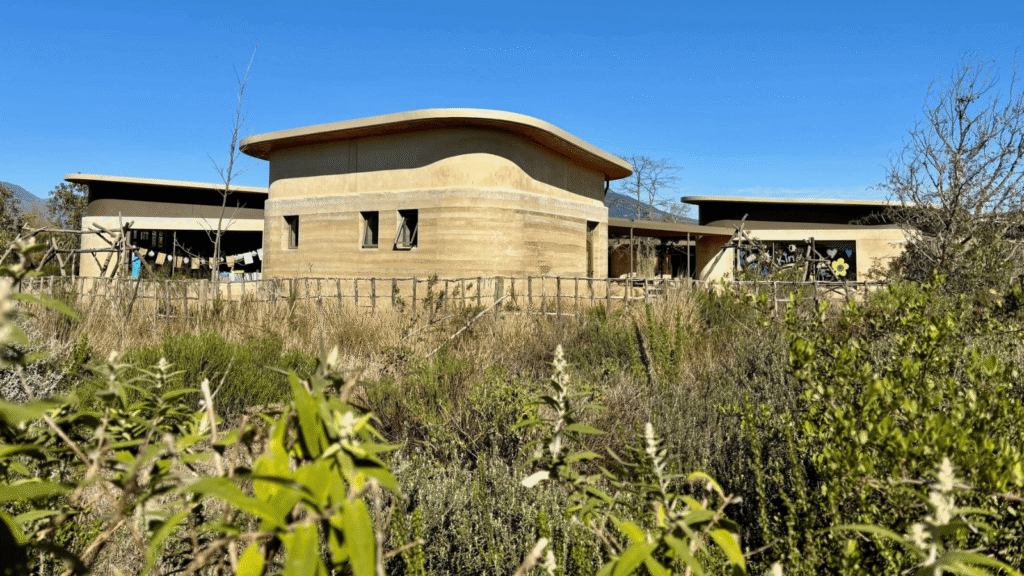
The campus itself is located around 7km outside Paarl on the Simondium Road. It sits between the Drakenstein mountains and Simonsberg, surrounded by orchards and vineyards.
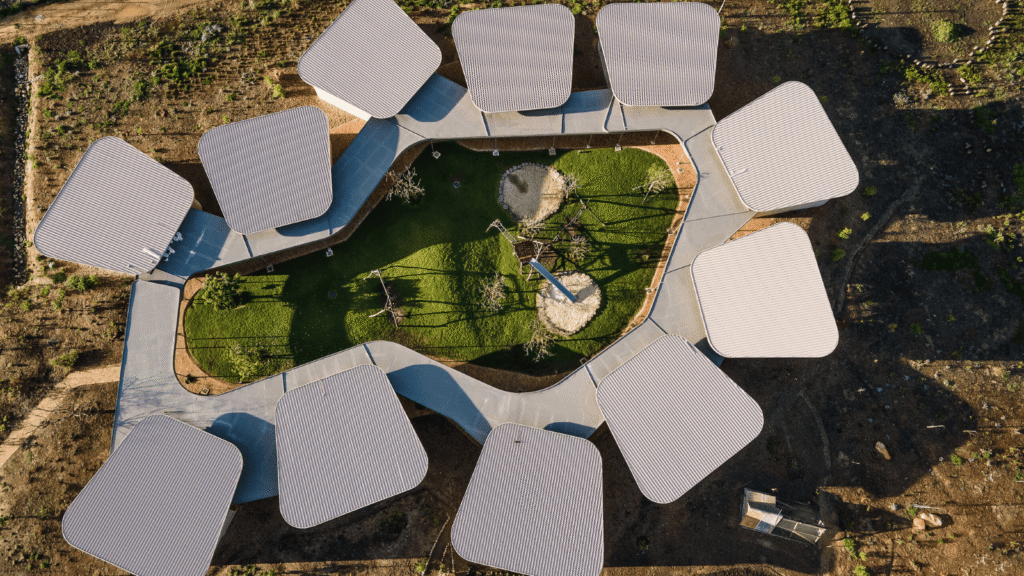
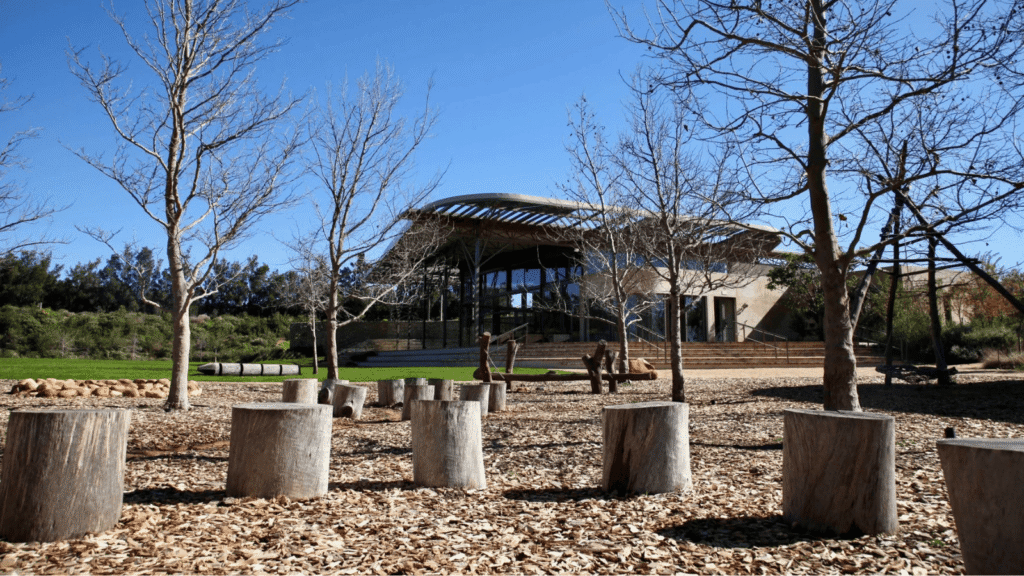
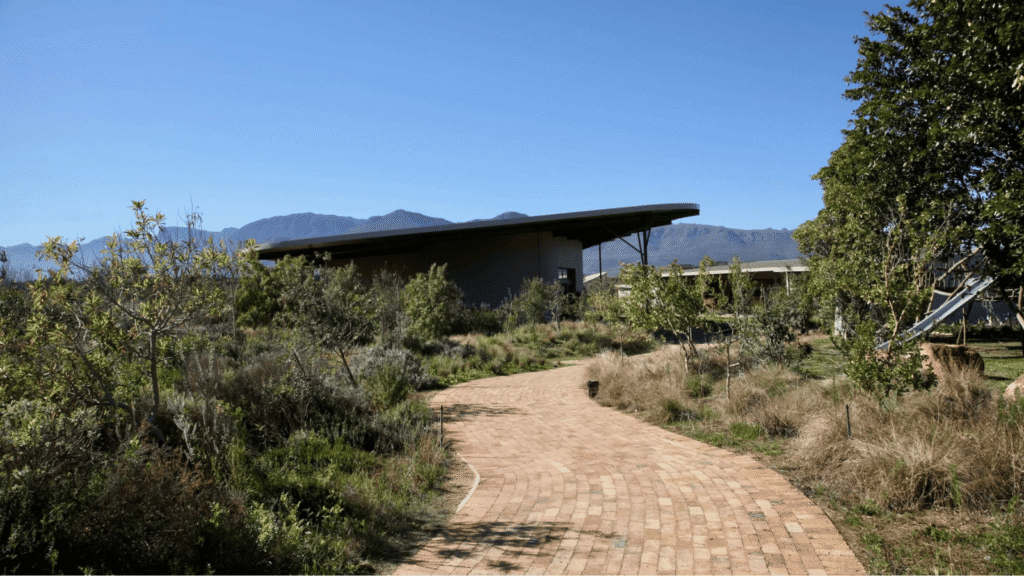
The buildings are spread across the eight-hectare property, with classrooms, gardens, sports areas and communal spaces connected by walking routes.
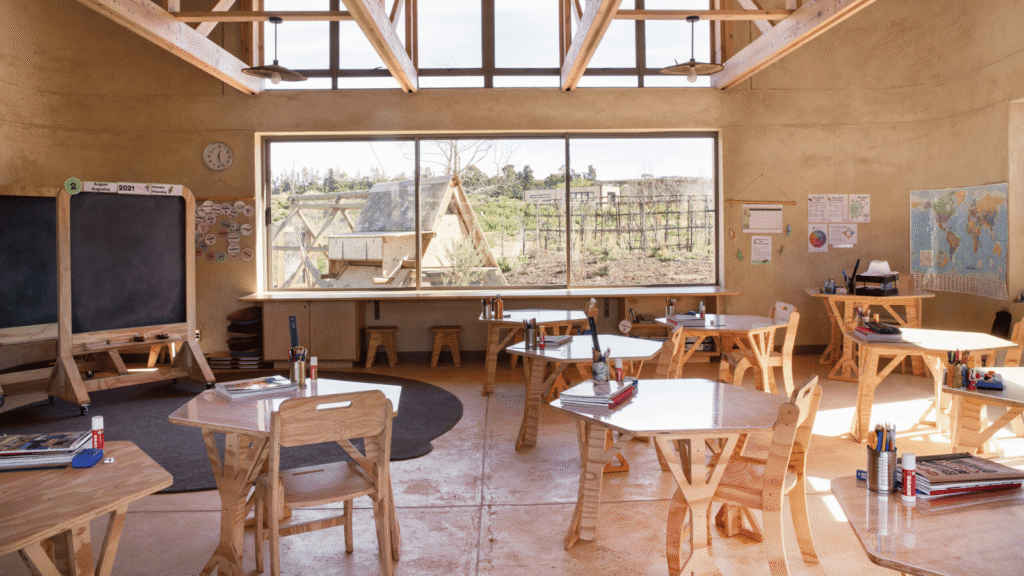
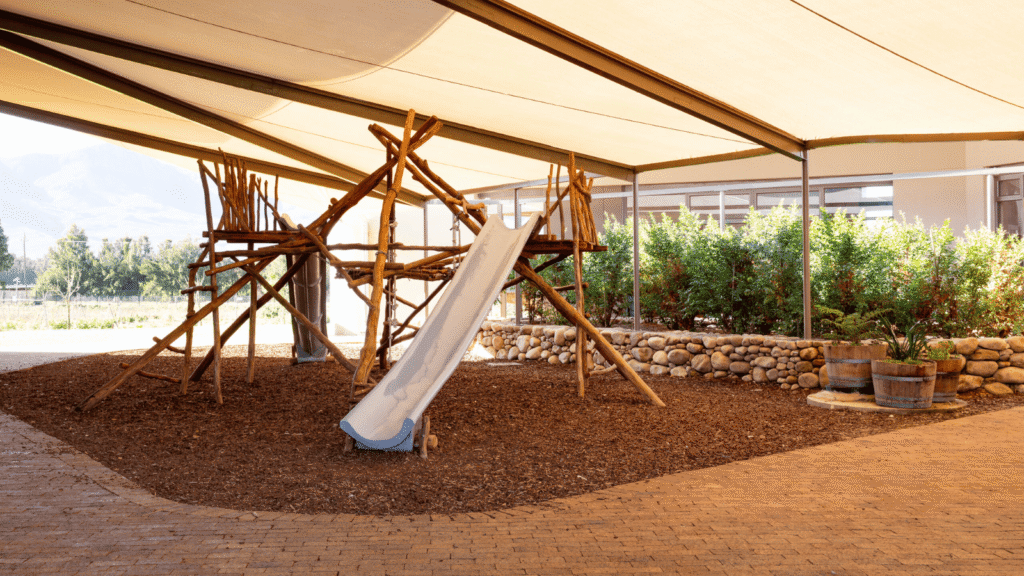
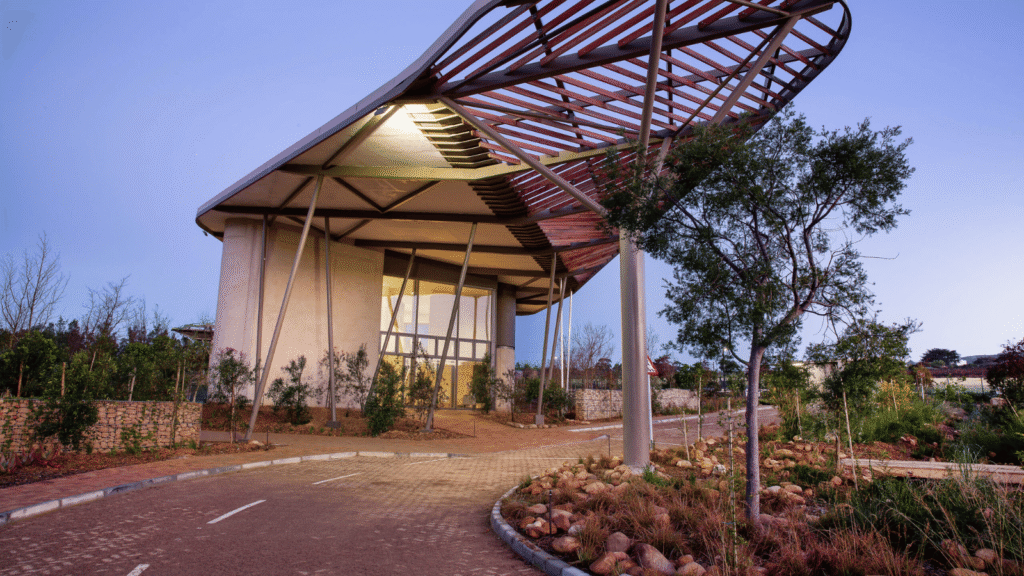
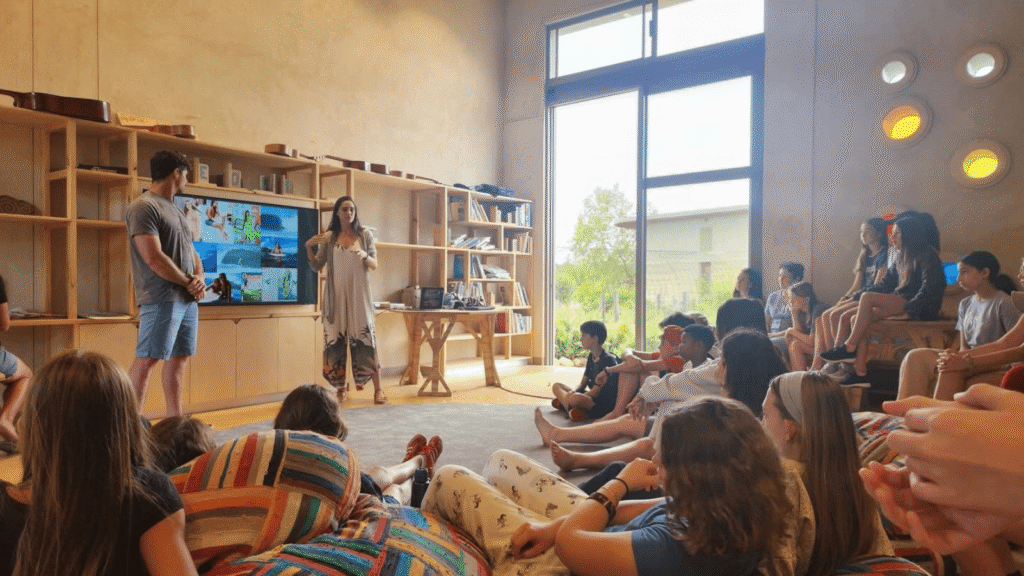
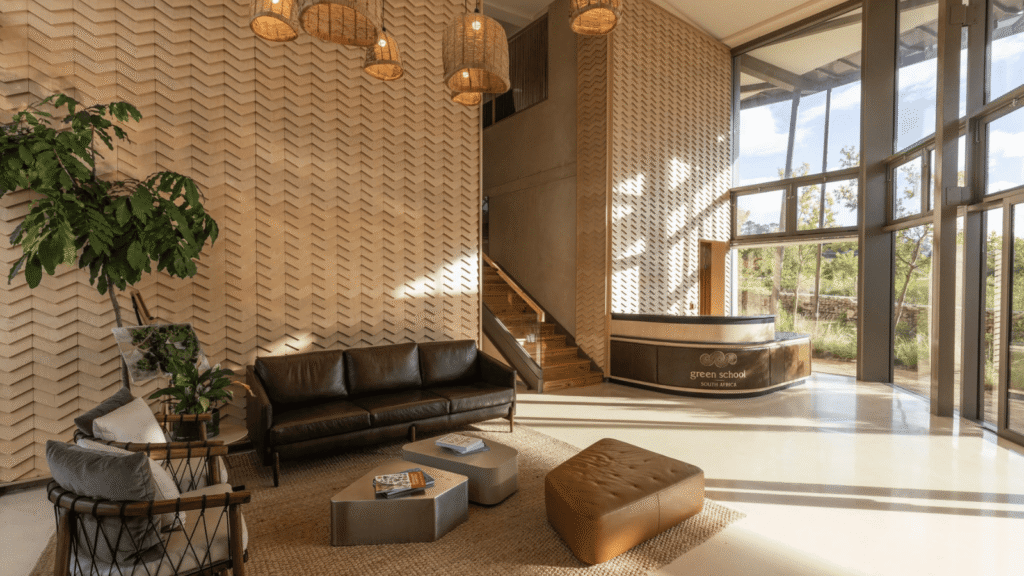
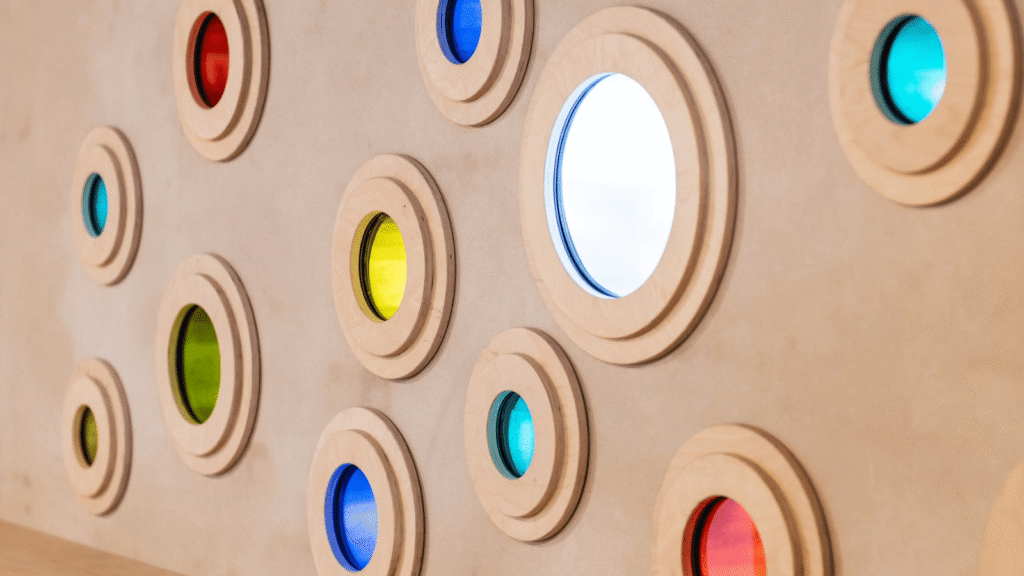
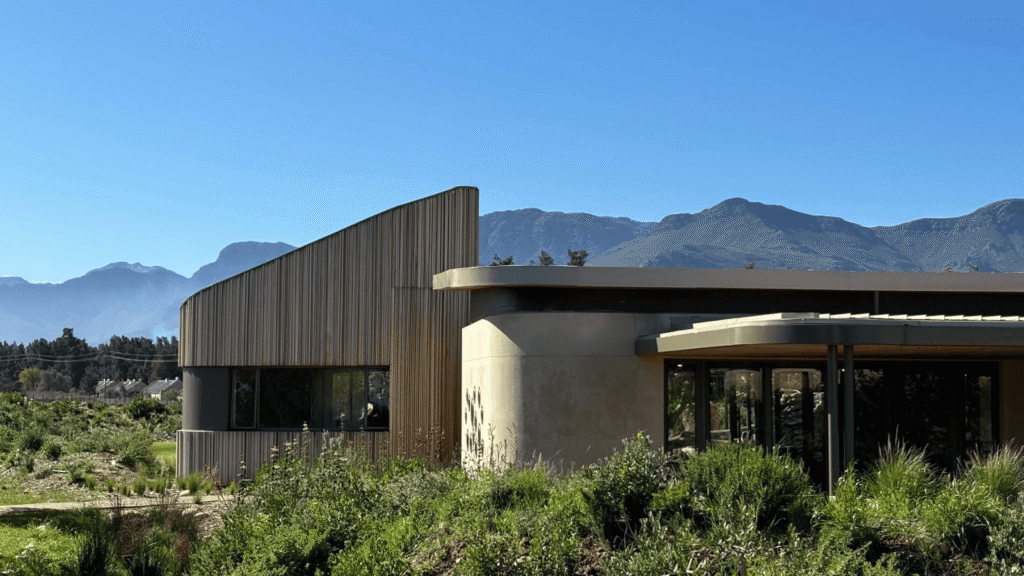
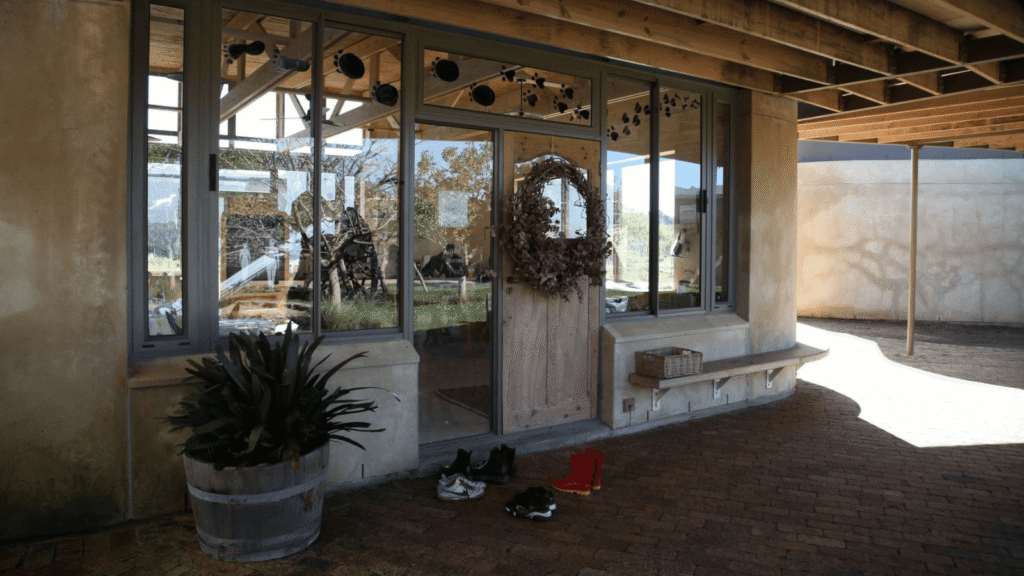
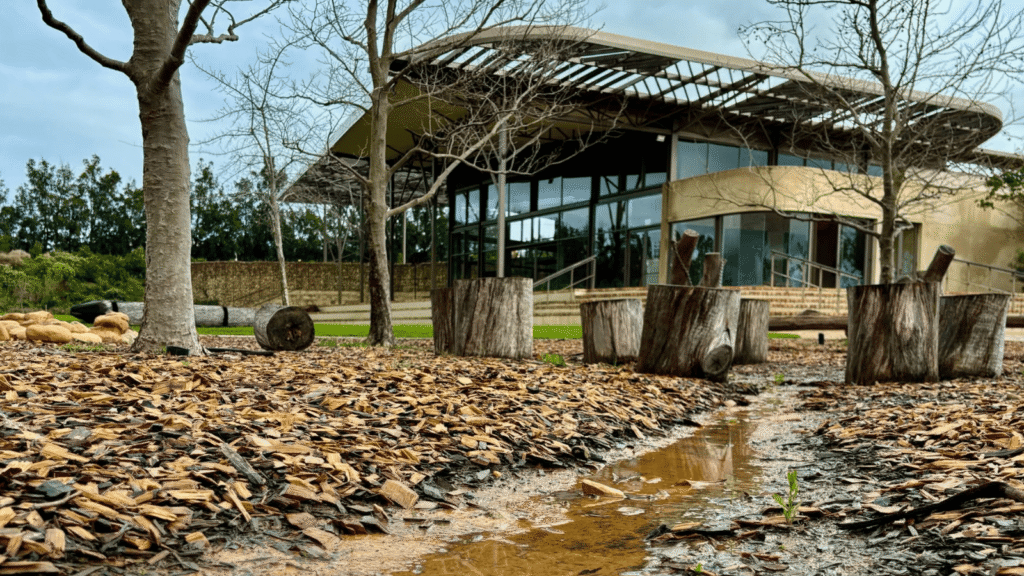
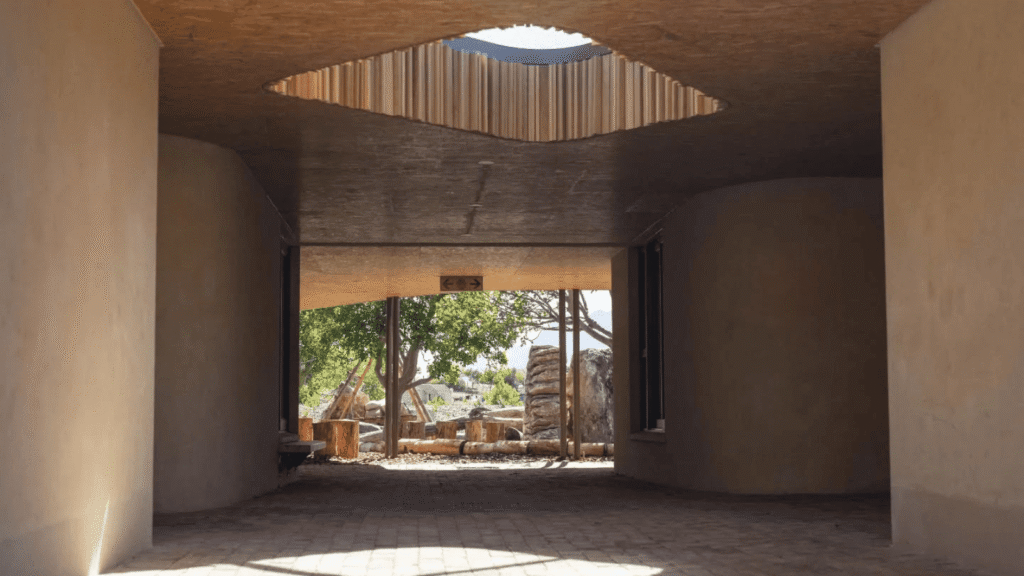
The architecture was designed to integrate the school into its natural surroundings. Buildings use locally sourced materials and feature large roof structures, natural light and spaces designed to encourage exploration.
All classrooms have natural light and ventilation, while the daily routine includes breaks that give learners enough time to eat and play.
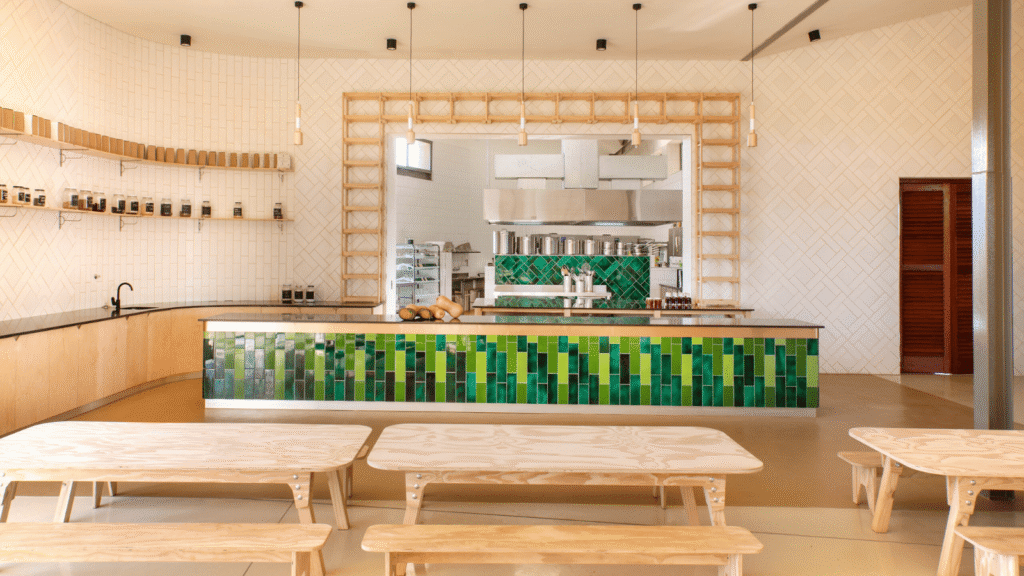
Nutrition is also part of the school day. Green School provides a morning snack and a home-cooked lunch, with its kitchen operating as a vegetarian facility.
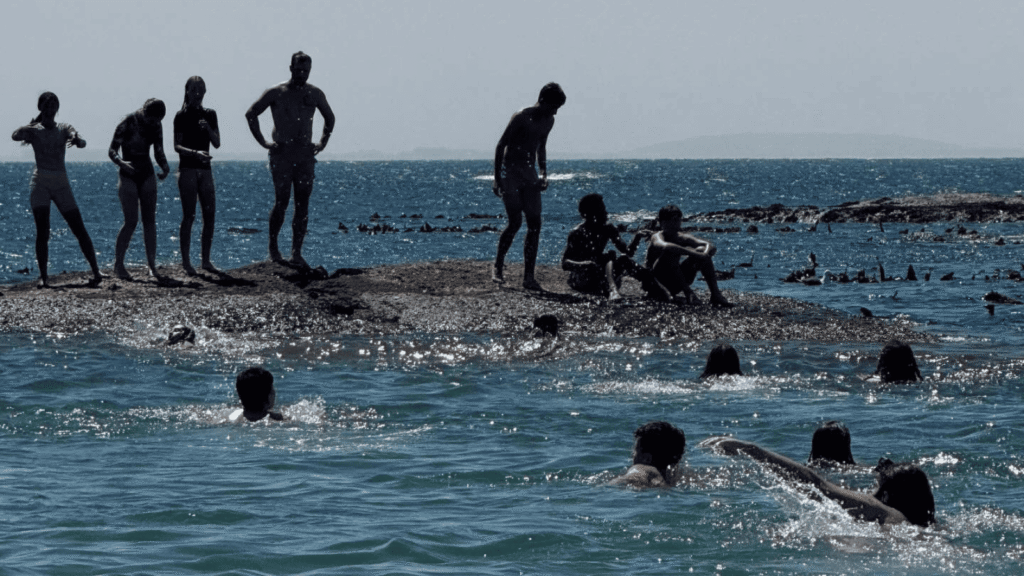
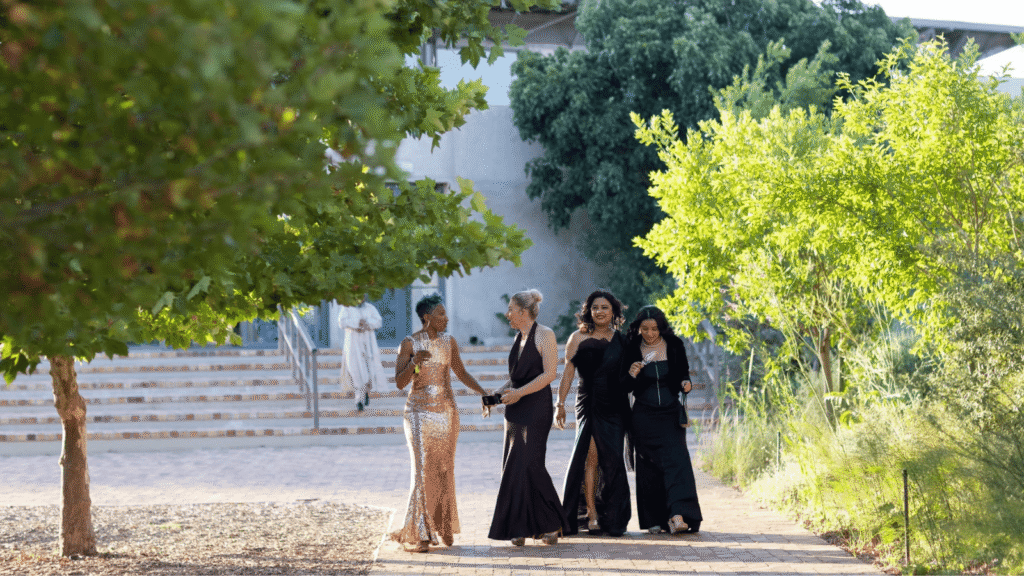
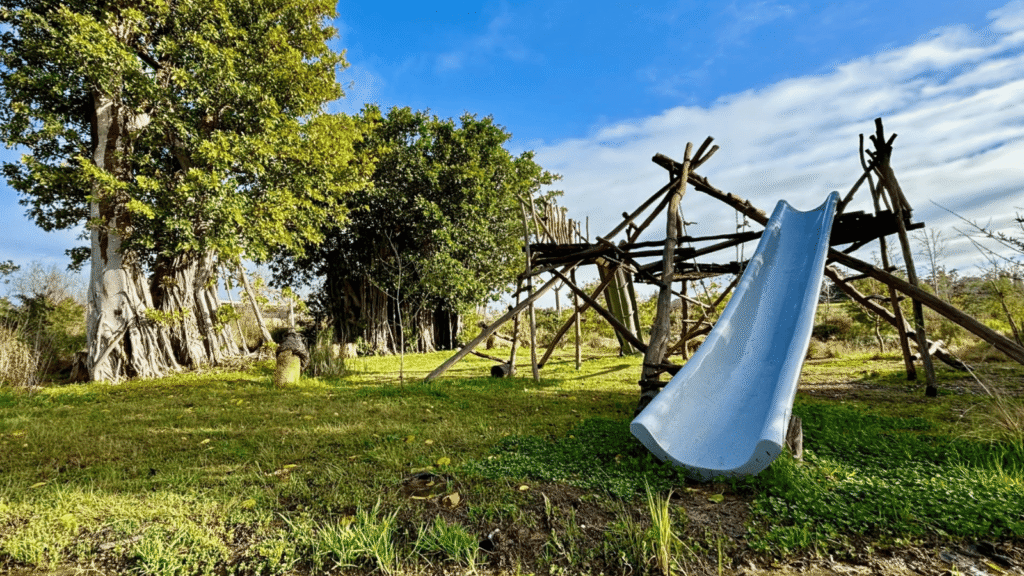
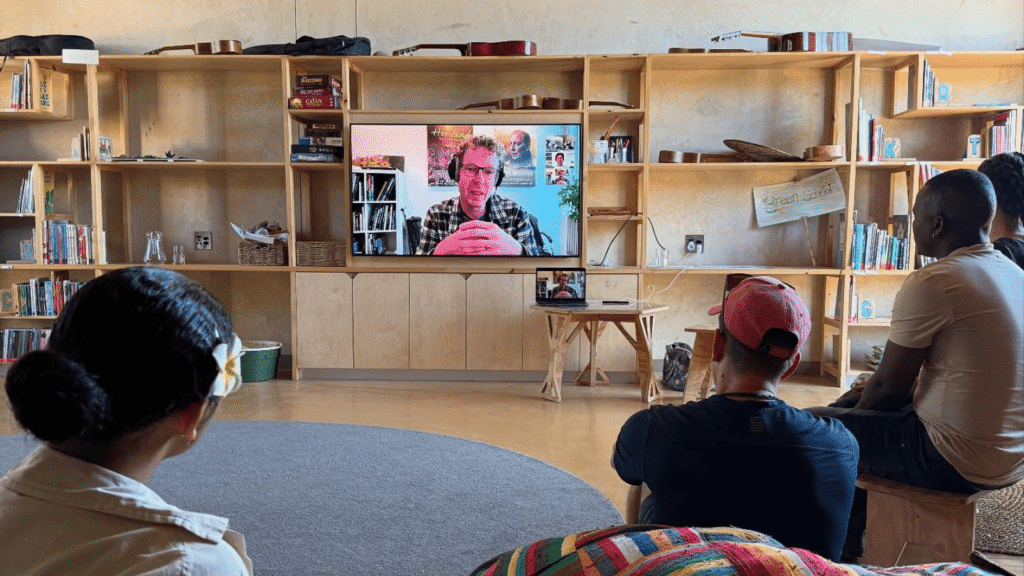
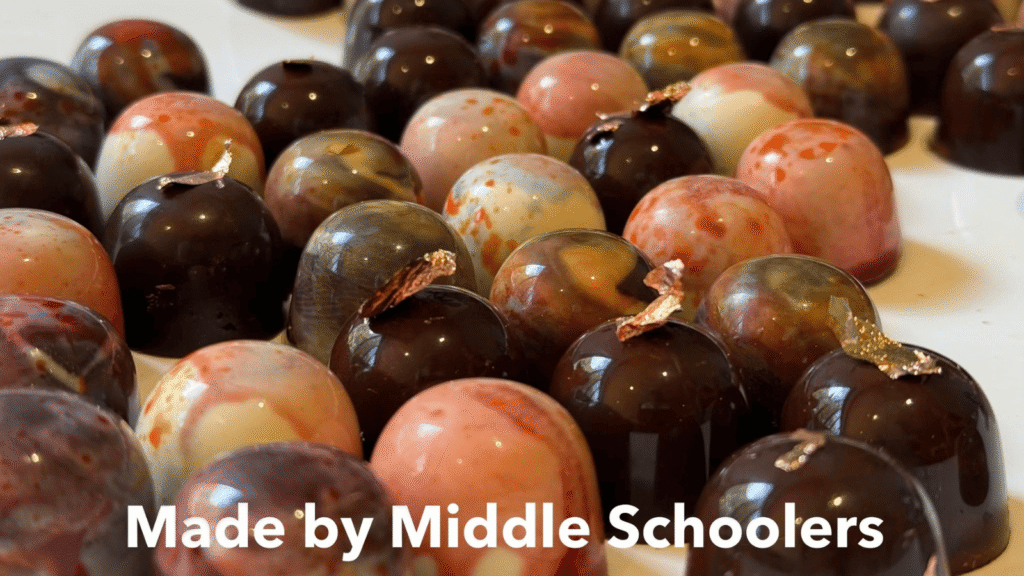
Photos of Green School South Africa

Comments