Bad news for South Africans who drink beer


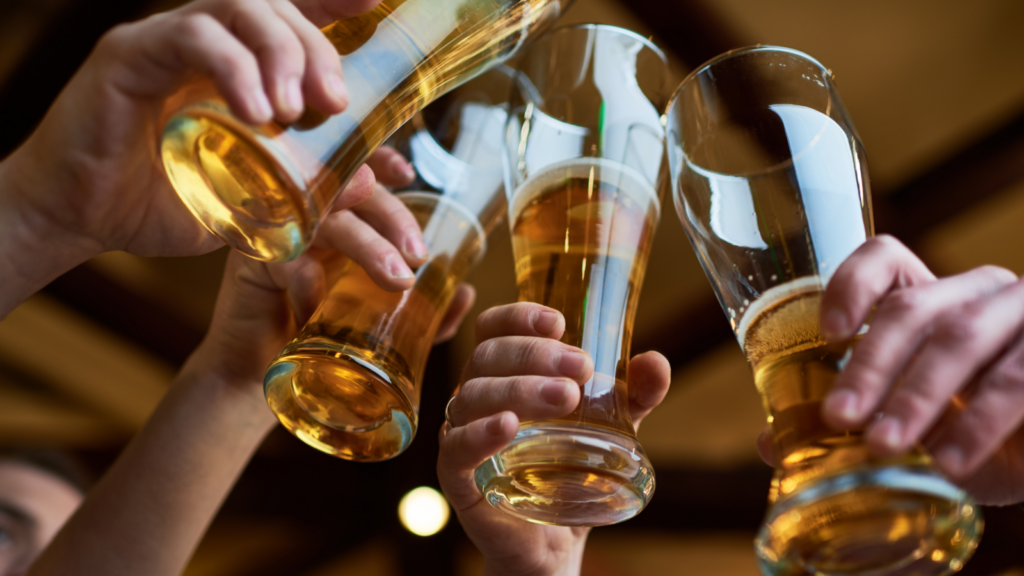
The Beer Association of South Africa (BASA) has warned that proposed alcohol excise policies could increase the tax of most beers in the country by 20%.
National Treasury first proposed changes to South Africa’s alcohol taxation laws in November 2024, holding its first series of online stakeholder workshops a year later.
One of the major reforms proposed by National Treasury was the introduction of a tiered taxation system for beers and wine, with higher taxes on higher alcohol content.
Currently, beer and spirits are taxed per litre of absolute alcohol (AA) content, while wine is taxed per litre of beverage, regardless of its alcohol content.
The introduction of a tiered taxation system would therefore encourage beer and wine drinkers to lean towards lower or zero-alcohol substitutes.
It would also incentivise South Africa’s alcohol industry players towards reformulating their products so they contain less alcohol.
Treasury said the introduction of the tiered tax system would not only raise industry revenue, but would lessen the consumption of cheaper alcohol products and reduce alcohol-related harm.
“Annual excise duty rate adjustments have been higher than inflation and price increases have not kept pace,” Treasury explained.
“This has raised concerns from the alcohol industry and other stakeholders, whereas others have called on government to do more to reduce excessive consumption of alcohol.”
National Treasury did not propose any changes to the taxation on spirits, which are currently taxed at double the rate of beers in South Africa.
The South African Alcohol Policy Alliance (SAAPA) supported the proposed reforms, and encouraged the public to participate in discussions around the changes.
However, BASA has questioned whether the proposed tiered system is the most effective method to achieve this whilst maintaining the sustainability of the sector.
“Under the proposed framework, beer with alcohol content between 2.5% and 9% would attract excise at 1.2 times the current rate,” BASA CEO Nirishi Trikamjee explained.
“As most beers sold in South Africa fall within this category, the proposal would effectively increase excise on most beers by 20%.”
Higher prices drive illicit alcohol purchases
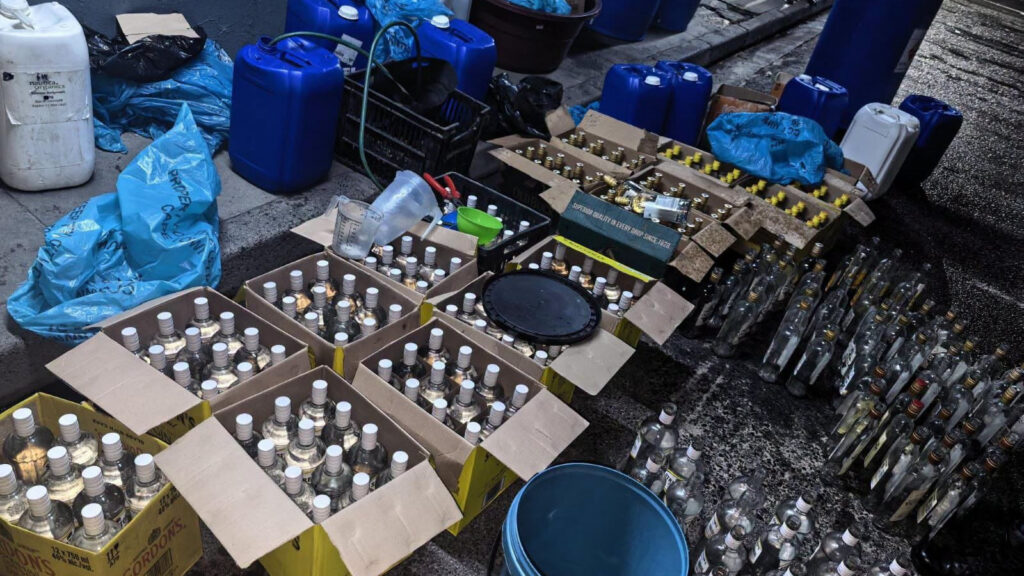
BASA’s primary concern with the introduction of the tiered taxes on beers and wine is the fear that this may drive South Africans towards the illicit alcohol market.
This would have the opposite effect of what National Treasury is hoping to achieve, as it would reduce alcohol industry revenue and increase alcohol-related harm.
Illicit alcohol is estimated to cost around 37% less than legal alcohol products, and was estimated to have cost the South African fiscus R16.5 billion in lost tax revenue in 2024 alone.
Additionally, the growth of South Africa’s illicit alcohol economy has substantially outpaced that of the legal alcohol industry, growing by more than 55% over the last five years.
“South African households are already under pressure from rising food prices, fuel costs, electricity tariffs and higher interest rates,” Trikamjee said.
“Faced with another significant increase in the price of beer, many consumers are likely to seek cheaper alternatives than stop drinking altogether.”
Trikamjee pointed to the Covid-19 pandemic as an example. When the government banned alcohol sales, many South Africans turned to illegal alcohol suppliers.
Because these products are sold outside of the regulated market, they are not subject to excise duties, quality standards or consumer protections.
National Treasury said previously that higher excise was not a “silver bullet” which would completely solve the issue of alcohol-related harm.
BASA agreed with this sentiment, and said it would continue to engage with National Treasury on the matter to reach a more feasible solution.
“As the price gap between legal and illegal products widens, more consumers are incentivised to move into the illicit market,” Trikamjee said.
“Rather than advancing public health objectives, excessive excise increases risk strengthening an illegal economy that contributes neither tax revenue nor consumer protection.”
Beer remains the most consumed alcoholic beverage in South Africa, with the country’s beer industry valued at over $15.6 billion in 2025.
Nearly 71% of all alcohol sales in 2022 were attributed to beer, with wine accounting for 10.1% and spirits contributing 3.4%. Ready-to-drink alcoholic beverages accounted for the remaining 15.6%.



Comments