The fierce battle between billionaire Johann Rupert and the ultra-rich Oppenheimer family



South Africa’s two richest families have been engaged in a decades-long rivalry outside of the boardroom and in the respectful arena of horse racing.
The Ruperts have spent hundreds of millions of rands developing their world-class Drakenstein Stud Farm in the Western Cape to compete with the Oppenheimers.
Often termed “the Royal Family of the Turf”, the Oppenheimers have also developed a horse racing dynasty over the past 80 years.
The history of the Oppenheimers’ participation in horse racing closely tracks the family’s business exploits, with it revealing much about how their money was made.
Just as their mining dynasty was created in Kimberley, so was the Oppenheimers’ dominance of South African horse racing.
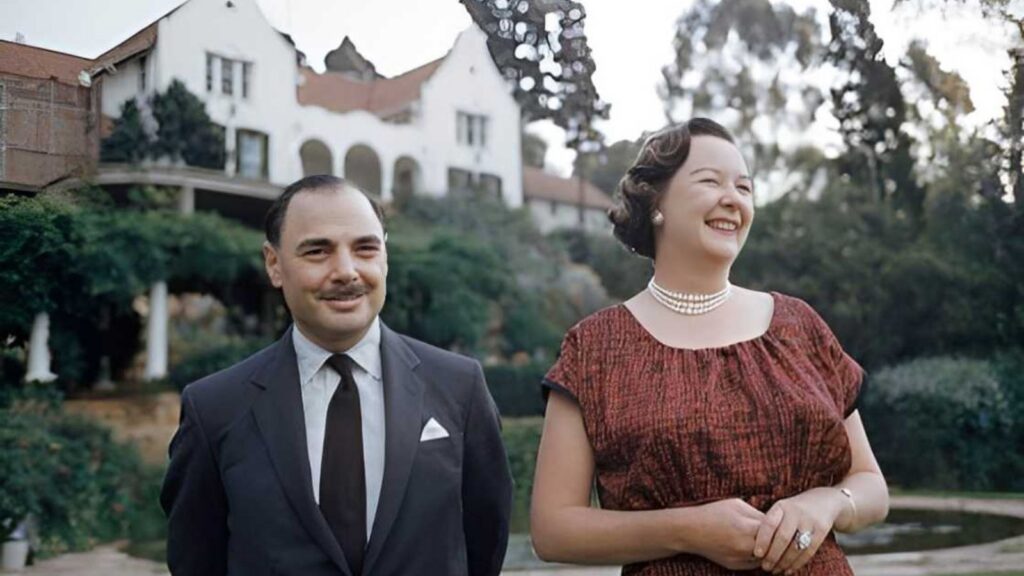
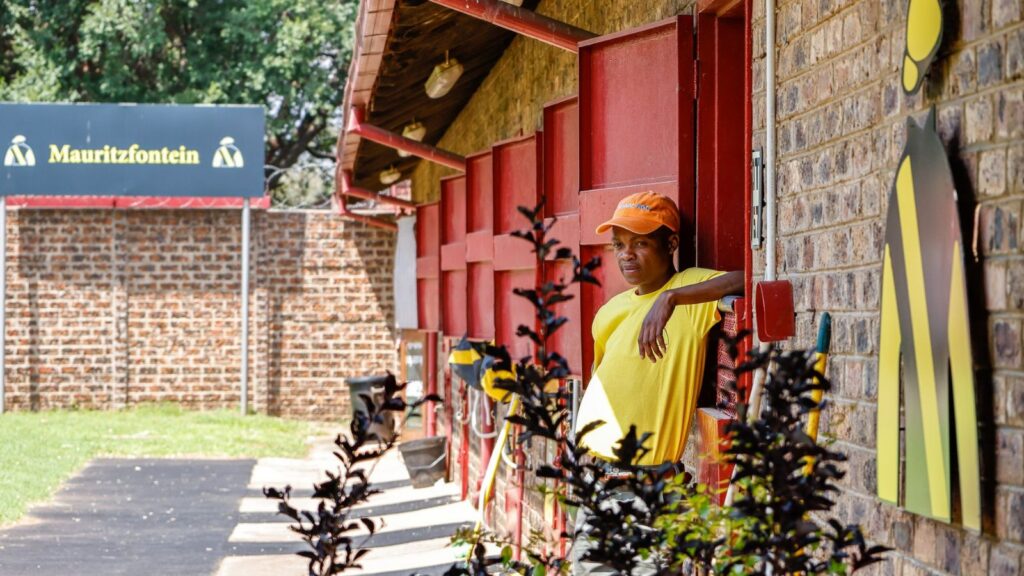
Harry Oppenheimer, Sir Ernest’s son, at the behest of his wife, Bridget, established a world-class breeding operation at Mauritzfontein Stud just outside Kimberley.
By the late 1940s, Oppenheimer was at the head of the Anglo American-De Beers empire, which had begun to straddle the South African economy and was on track to become one of the largest companies in the world.
Apart from his obsession with diamonds, Harry was deeply interested in bloodline genetics and the business of horse racing.
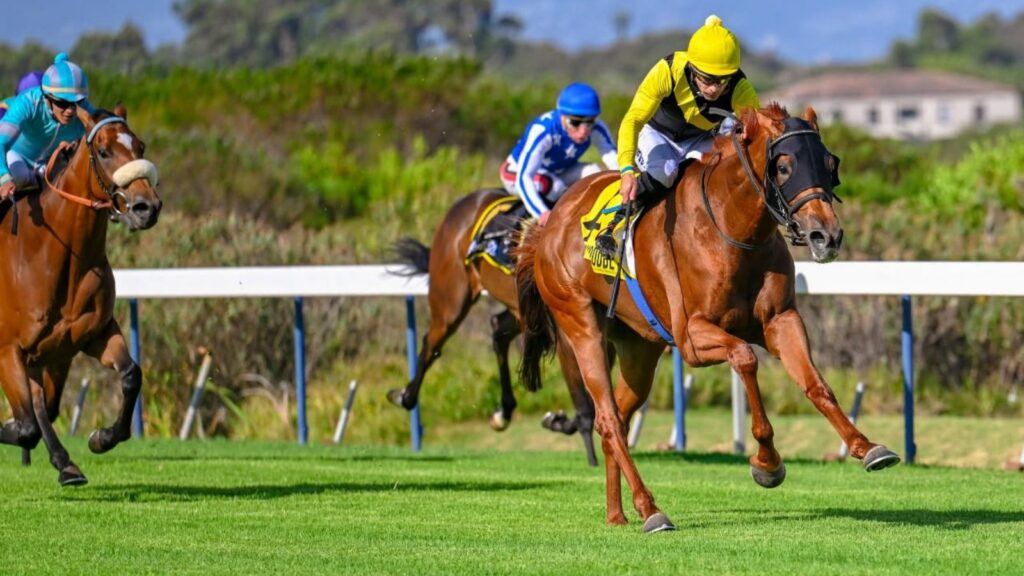
However, it was Bridget who was the face of the Oppenheimers’ racing operation. She came up with its iconic black-and-yellow silks that are still worn today.
The husband-and-wife partnership is affectionately known as the “Mum and Dad” of South African horse racing, with their efforts turning a regional sport into a global giant.
As with modern horse racing, most of the money is in the breeding and not the racing. Racing typically serves as a measure of a horse’s genes and its suitability for breeding champions.
The Oppenheimers knew this and developed Mauritzfontein into a stud farm that could not be rivalled in South Africa.
By snapping up the three stallions of Janus, Wilwyn, and Fort Wood, the family created a lineage of champions and prospectors lined up for a chance to get a horse sired at Mauritzfontein.
1999 would see the Oppenheimer name etched into horse racing history with a colt named Horse Chestnut sired by Fort Wood.
Horse Chestnut is widely regarded as the greatest racehorse ever bred in South Africa. He won the J&B Met by eight lengths as a three-year-old.
He would then go on to sweep the South African Triple Crown before being sent to the United States, where he won a handful of races before an injury cut his career short.
However, Horse Chestnut had done his job: he had cemented the name of the Oppenheimers as one of the premier horse breeders in the world.
The Rupert Rise
Horse racing has long been the preserve of the rich, and South Africa’s modern billionaire family, the Ruperts, was not going to miss out.
Copying the Oppenheimer mould, the Ruperts sought to create a modern counterpart to the Royal Family of South African horse racing.
As with the Oppenheimers, the creation of the Rupert horse racing empire was driven by a woman, Gaynor Rupert.
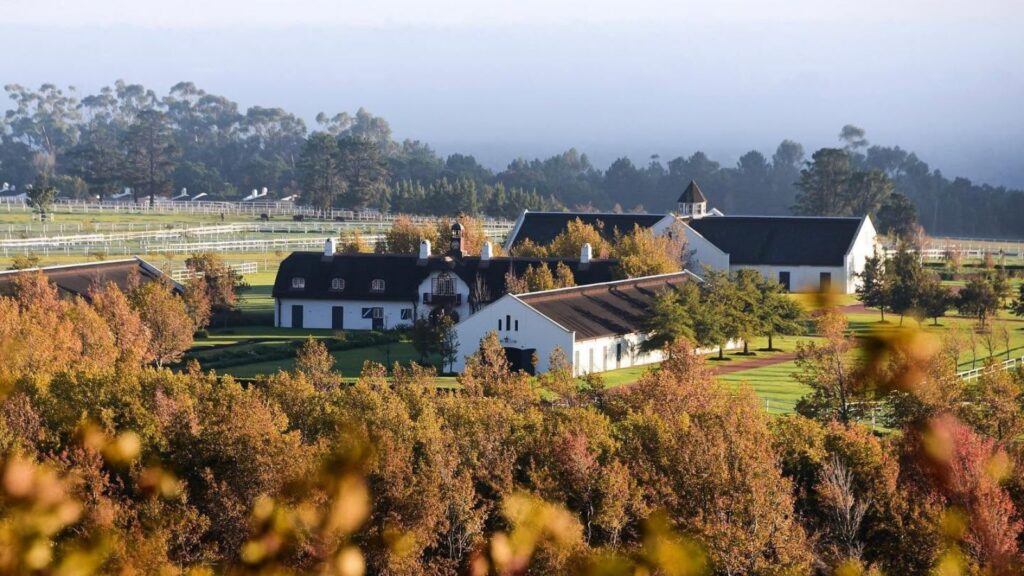
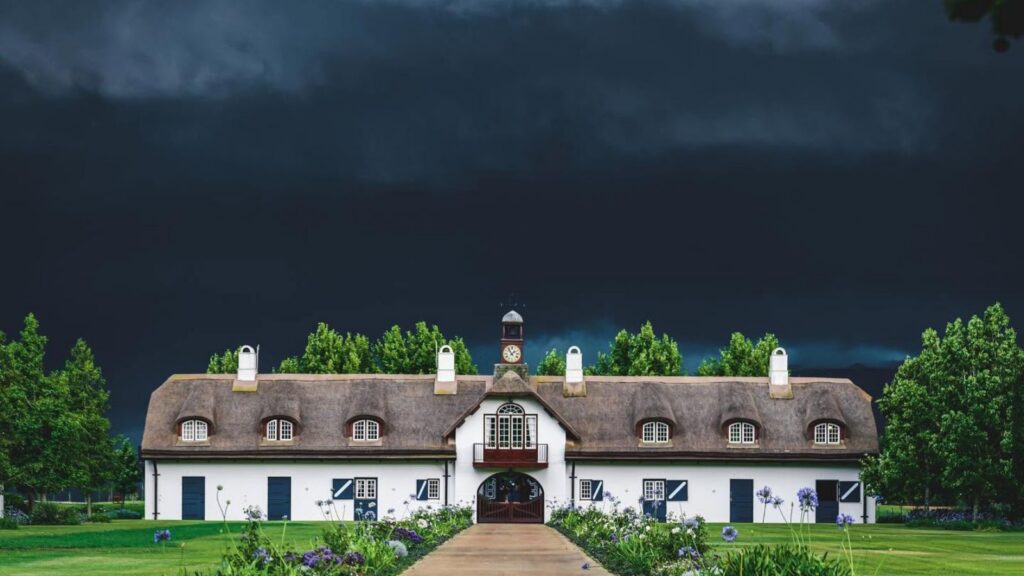
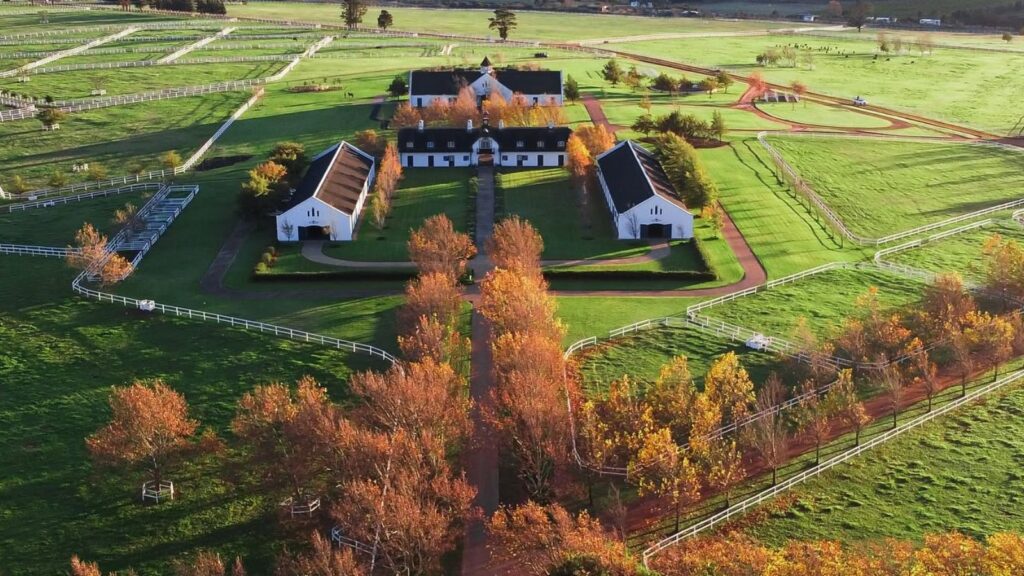
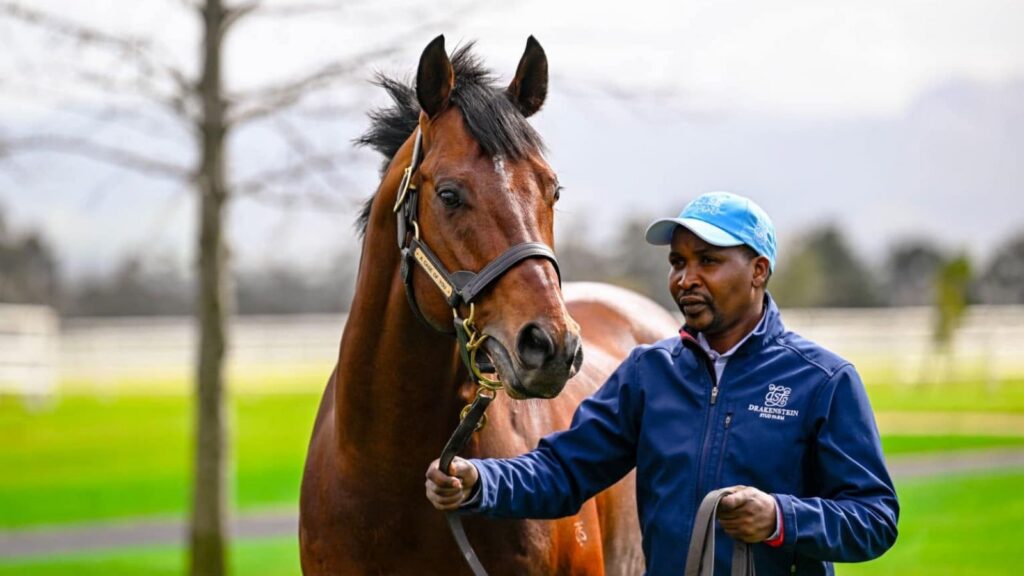
In 2003, she would set up Drakenstein Stud Farm, located just outside of Franschhoek and on the property of the Ruperts’ L’Ormarins estate.
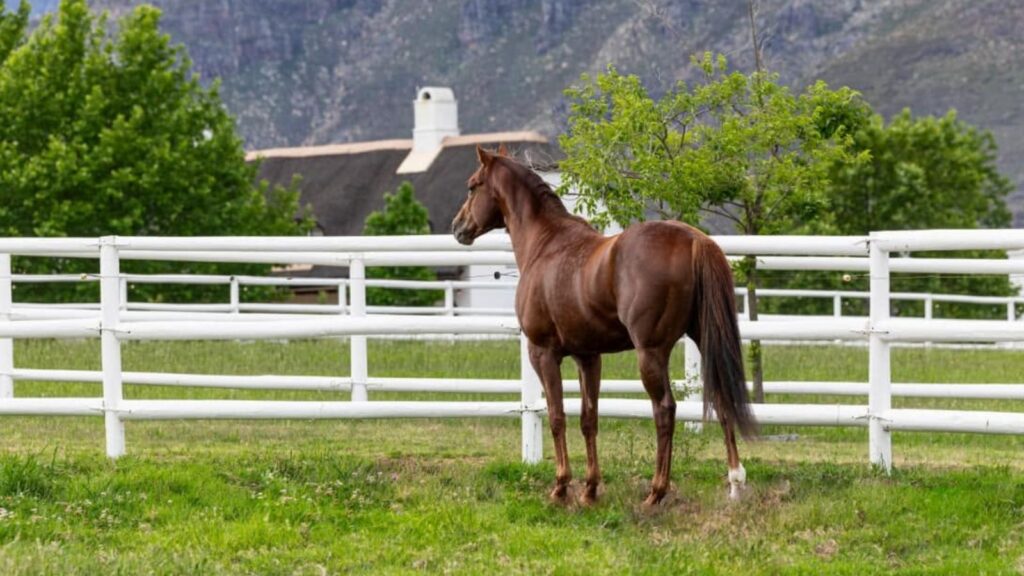
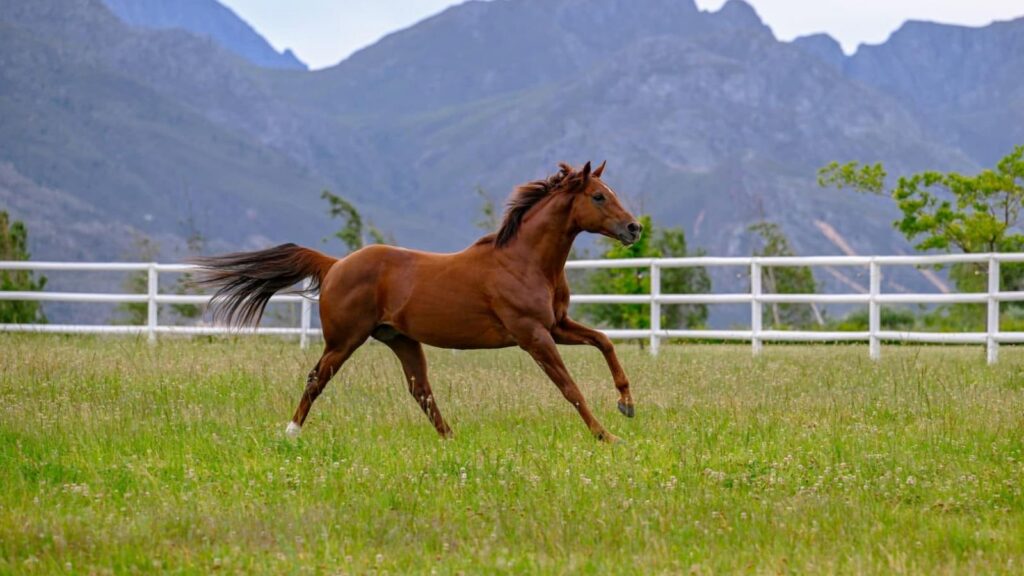
Built from scratch for the sole purpose of breeding racehorses, Drakenstein Stud Farm is a world-class operation with the equally stunning backdrop of the Cape mountain ranges.
Starting much later than the Oppenheimers, the Ruperts poured money and time into acquiring horses with internationally-renowned bloodlines to race in their iconic blue-and-white silks.
Instead of building up a stud farm organically over decades, the Ruperts changed the game by looking globally and forming syndicates to buy some of the best stallions around the world.
Bringing their pedigree back to the Cape, the Ruperts used these stallions to create a reputation that rivals the Oppenheimers in a quarter of the time.
Some of the Ruperts’ most iconic stallions include Trippi, who was bred in the United States, What A Winter, Futura, and Duke of Marmalade.
For the privilege of having the chance to have a horse sired by one of the Ruperts’ stallions, you are likely to have to cough up between R60,000 and R120,000.
This makes the business of breeding incredibly lucrative for the Oppenheimers and Ruperts. However, this business is only lucrative because of their success on the track.
As with the Oppenheimers, the Ruperts’ investment in Drakenstein paid off, with many of their horses breaking records and winning several Grade 1 races.
Modern rivalry

While the Rupert operation is still run largely by Gaynor, the Oppenheimers have gone through a generational shift over the past 20 years.
Following the death of Harry and Bridget, their daughter Mary Oppenheimer took over the family’s operations after starting her own breeding farm, Wilgerbosdrift Stud, in the Western Cape.
Marrying out of the family, Mary now races under the Slack surname but maintains the historic black-and-yellow silks of the Oppenheimers.
Slack now operates both Mauritzfontein and Wilgerbosdrift, with her daughter Jessica Jell actively managing the historic home of Oppenheimer racing.
With the horseracing industry entering its third generation, the Oppenheimers remain as committed to the sport in South Africa as ever before.
Together, the Oppenheimers and the Ruperts have poured billions into the sport in South Africa and have provided a lifeline several times over the decades.
Seeing off the fraudulent rise of Steinhoff’s Markus Jooste, the two families maintain a respectful decades-long competition and have the best interests of the sport at heart.
During the Covid-19 pandemic, when the sport looked like it had collapsed, the Oppenheimers and Ruperts injected over R100 million to save it.
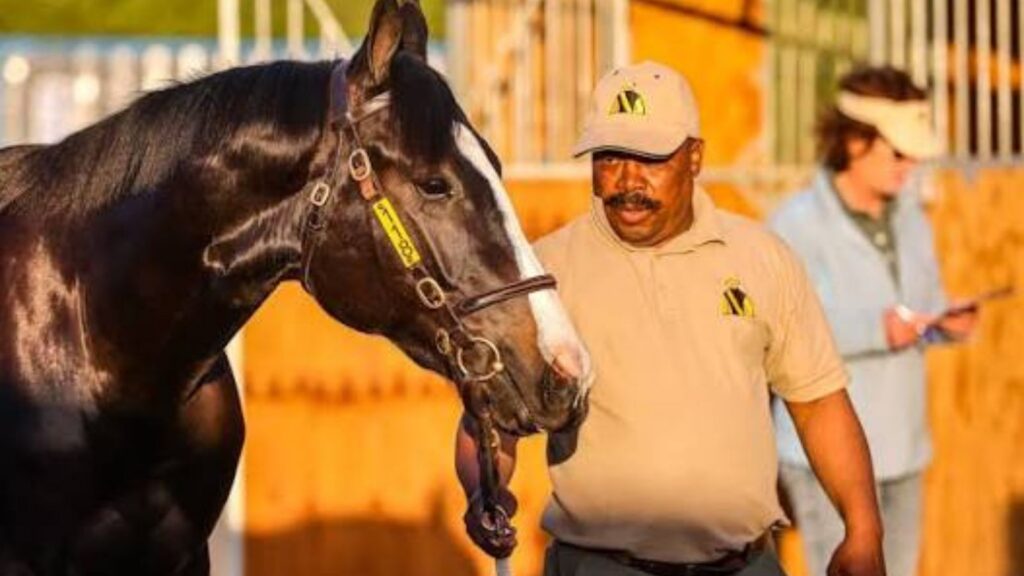
The families paid out betting stakes from their own money and maintained salaries for trainers, grooms, and jockeys.
Slack took this initiative a step further to create 4Racing to restructure the sport and make it more sustainable for the future.
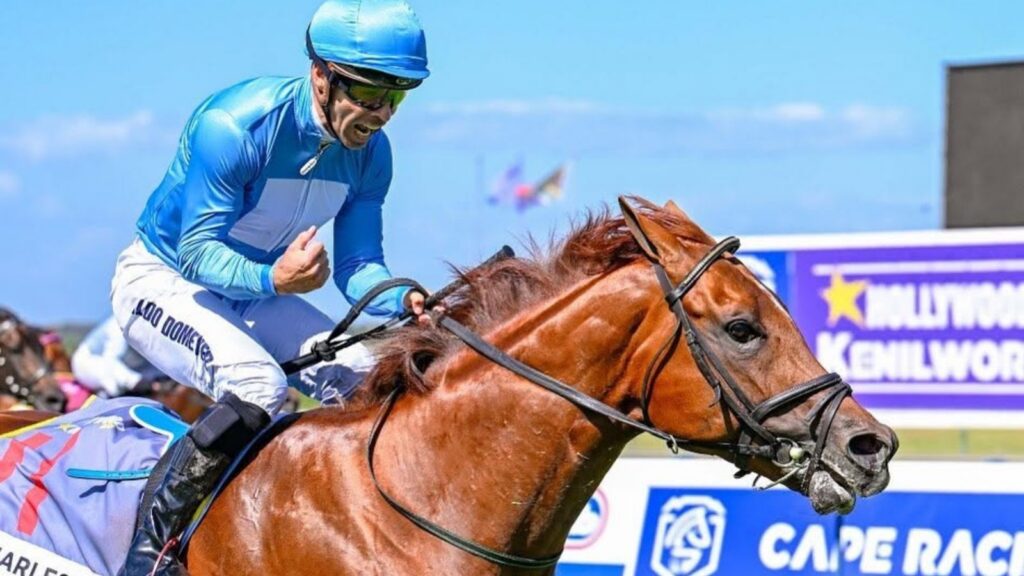
For their part, the Ruperts have spent millions renovating the historic Kenilworth Racecourse in Cape Town, where the L’Ormarins King’s Plate and Cape Met are held every year.
While the Oppenheimers saved racing in Gauteng and other parts of South Africa, the Ruperts revived racing in the Cape and have made many of its events globally renowned.
Both families have sought to make the sport more sustainable in South Africa by increasing prize money and improving salaries for the workers who keep everything running.
However, on the track, their competition remains fierce yet respectful, with both having numerous champion horses in their stables to this day.
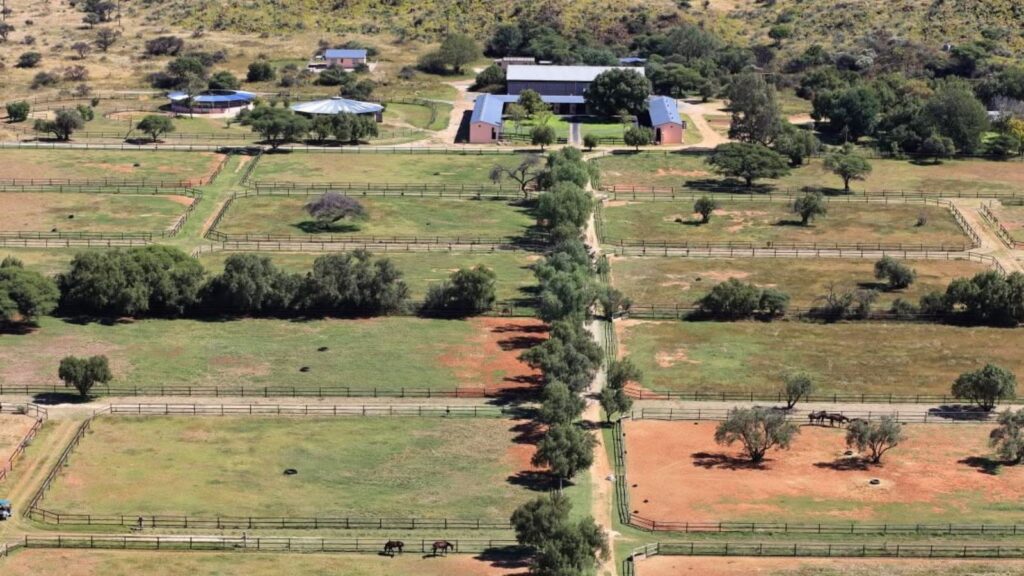
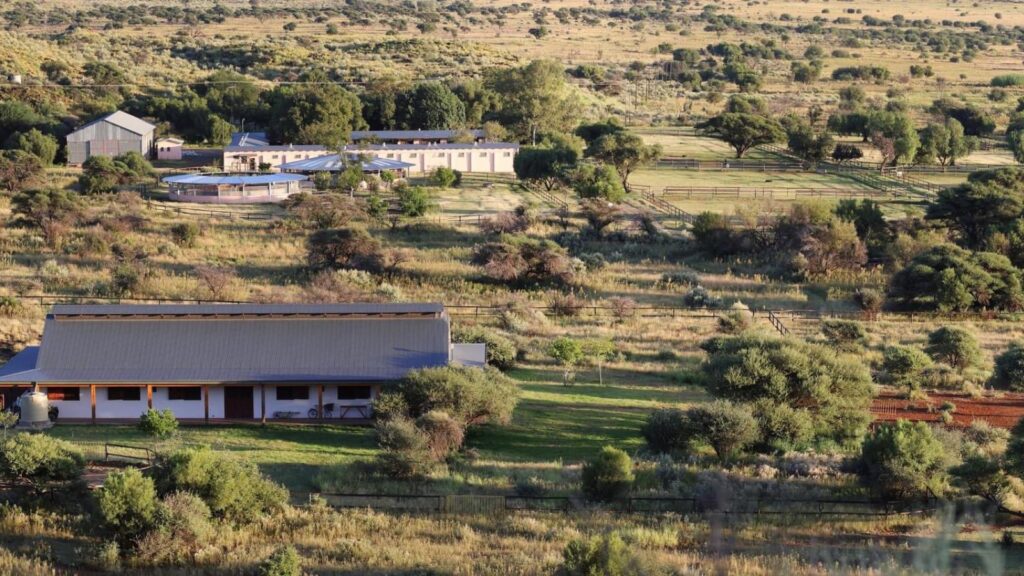
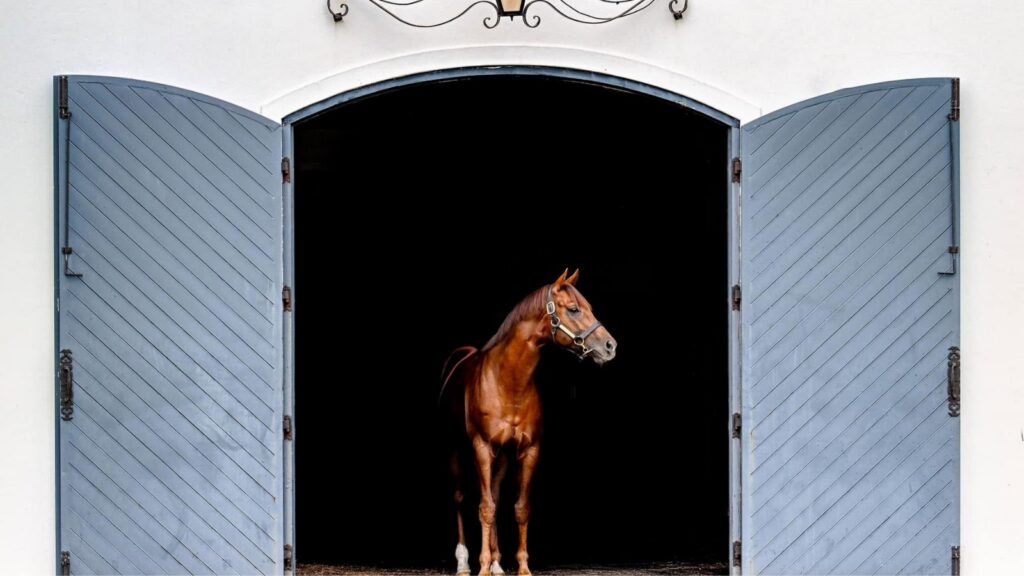
Below are some images of the respective stud farms of the two families.
The Oppenheimer stud farms
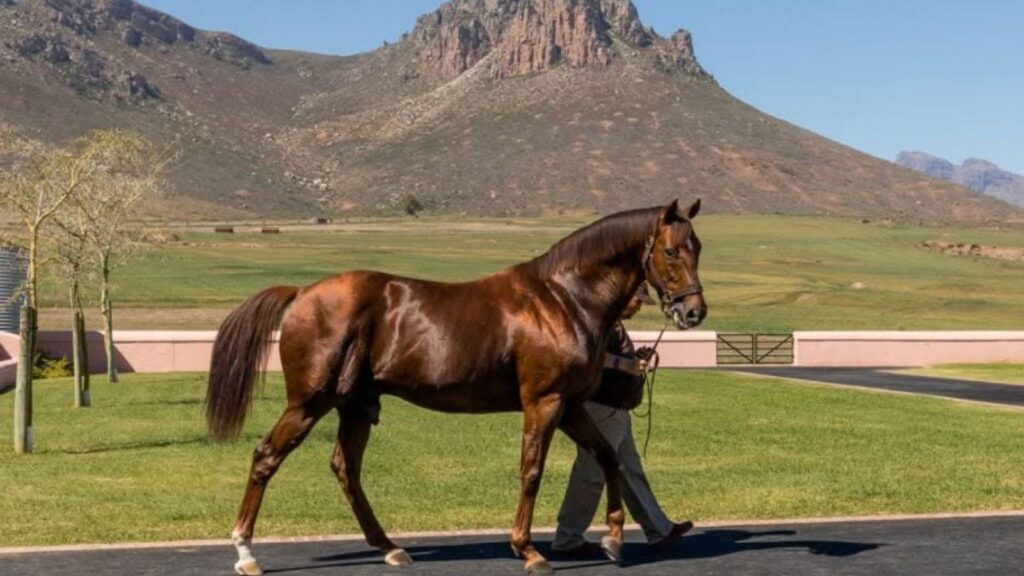
Images of Drakenstein Stud farm







Comments