Trash piling up in the streets of South Africa’s richest city


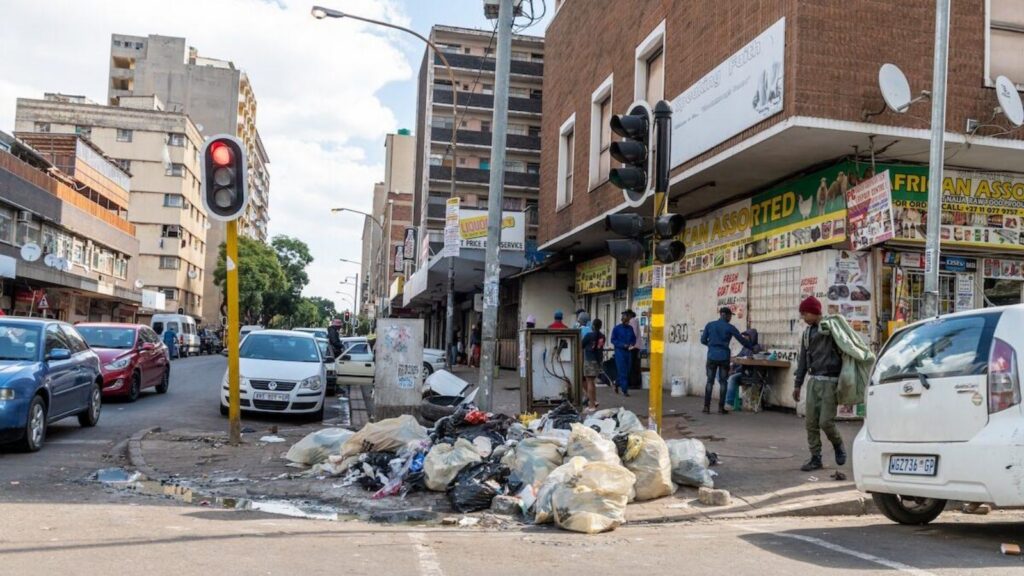
Waste collection in the City of Johannesburg has significantly deteriorated over the past few months, with services now effectively having ground to a halt.
The city’s waste management entity, Pikitup, reported on 2 July 2026 that much of its fleet had been down, preventing collection in numerous areas across Johannesburg.
Pikitup attributed the grounding of the fleet to a strike by casual workers employed by the entity through ad hoc service providers, who were demanding permanent employment.
While the entity said contingency measures had been put in place to resolve this issue, residents across the city have raised concerns about the delays in collection.
DA Councillor for Ward 115 Mark van der Merwe told Newzroom Afrika that the strike is just one of many issues that have hindered waste collection in recent months.
“There are landfill sites in the northern suburbs that are full,” Van der Merwe said. “We’ve seen the result of that. People are dumping openly in the Kya Sands area.”
“The trucks normally do three loads in an area on a daily basis. They’ll come and load up the first one, then they’ve got to go all the way out to the south to dump it and come all the way back.”
According to Van der Merwe, these collectors can wait in queues up to 80 trucks deep to dump their load before returning to begin their second or third load.
He also said that of the 23 compactors at the Randburg depot, only 11 remained functional, causing further delays and backlogs.
Van der Merwe estimated that within a year, all of Johannesburg’s landfill sites will have reached their maximum capacity.
“That’s why you’re starting to see more and more rubble being dumped on the streets,” Van der Merwe said. “People aren’t getting the services, so they’re just clearing it and dumping the rubble where they can.”
Pikitup saddled with financial woes
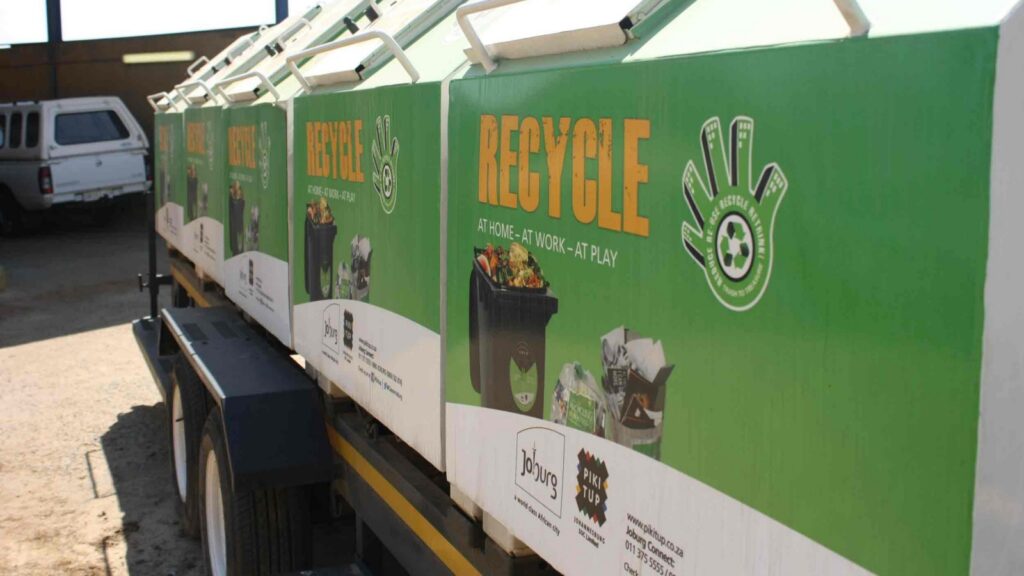
While Pikitup pointed to the strike as the major cause for the recent disruptions in collection, the entity has been plagued by financial issues, which have slowed its operations for months, if not years.
In an interview with 702, Pikitup CFO Litshani Matsila said the entity currently operates a combined total of approximately 300 trucks on a daily basis.
However, Matsila admitted that the vast majority of these trucks are sourced from external service providers and are not actually owned by Pikitup.
“For quite some time, we as the entity together with the shareholder have not been investing in a new fleet,” Matsila said. “Most of our own trucks are more than 12 years old.”
“They are no longer productive enough to be able to operate on the ground, so we rely heavily on the service providers.”
Matsila said Pikitup had only around 80 units on the ground, which were actually theirs, with the more than 200 remaining trucks belonging to these service providers.
In addition, he said there were around 60 Pikitup trucks which had been sent in for repairs and were still sitting inside workshops.
According to Matsila, the City of Johannesburg’s centralised cash management system had prevented Pikitup from being able to honour many of its debts to these service providers.
This is reportedly because the various entities of Johannesburg often find themselves competing to secure funding from the city for their various interests.
“Two weeks ago, there was an issue at Eskom that needed to be settled,” Matsila said. “So, as the entity, we have to compete with that Eskom requirement as well.”
“From their side, as the Treasury, Eskom becomes a priority over waste management at that stage. Those are the competing interests that I am talking about.”
However, Matsila said he remained confident that by the end of the week, Pikitup would be able to clear the backlog affecting four of its major depots at Randburg, Marlboro, Roodepoort, and Central Camp in Soweto.






Comments