New wealth taxes in Cape Town hit by serious resistance


Many experts said the City of Cape Town’s property value-based tariff structure is nothing other than a wealth tax, which hurts investment and economic growth.
The debacle started after the City of Cape Town introduced fixed tariffs for city-wide cleansing, water and sanitation in its 2025/26 budget.
The cleaning tariff was intended to maintain the cleanliness of public spaces, and the water and sanitation tariffs were new fees charged on bills.
These tariffs were not based on consumption. Instead, they were calculated based on the property’s municipal valuation.
The South African Property Owners Association (SAPOA), the Cape Town Collective Ratepayers’ Association (CTCRA), and Afriforum objected.
They argued that the fixed tariffs for city-wide cleaning, water, and sanitation based on property values are unconstitutional and should be declared unlawful and invalid.
GroundUp reported that SAPOA CEO Neil Gopal argued that, under the Constitution, a municipality can charge rates only on property.
They can also have consumption-based charges for services such as water and electricity, surcharges on these service charges, or taxes allowed by legislation.
All other applicable legislation, such as the Municipal Systems Act, Municipal Finance Management Act, and Municipal Property Rates Act, is aligned with this.
Gopal argued that the cleaning tariff, fixed water tariff, and fixed sanitation tariff cannot be defined as property rates under the rates legislation.
Cape Town Mayor Geordin Hill-Lewis hit back, framing the new tariffs as a central pillar of his pro-poor and redistributive budget.
He said the new system of linking fixed municipal charges to property value is designed to be more equitable.
“This court application by the richest of the rich seeks to go back to a system of regressive taxation which hits ordinary families, and the poor, the hardest,” he said.
“If SAPOA were to succeed in their argument, the effect would be to have ordinary families effectively subsidising the wealthiest property owners.”
The new Cape Town tariffs are nothing other than a wealth tax
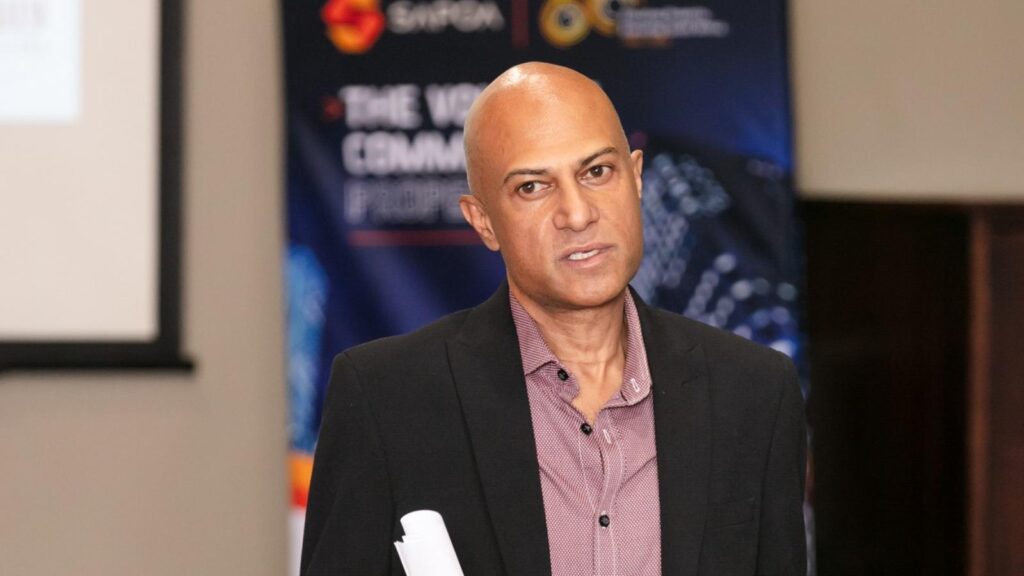
Chris Hart, an independent financial market strategist and impact investment specialist, said this tariff structure was essentially a wealth tax.
He argued that these taxes on capital are bad for economic growth, as the capital is needed for investments that fuel growth.
“Wealth taxes in South Africa are folly against the context of low savings, low investment, with consequences of high unemployment and poverty,” he said.
“Wealth taxes are the equivalent of eating seeds and then wondering why there are no harvests.”
Hart added that these tariffs, which are marketed as pro-poor, are, in reality, poverty-perpetuation policies.
“The policy is the political response to poverty, which is to help alleviate poverty and divert resources to consumption,” he said.
“However, true poverty reduction is funnelling resources to investment. SA’s poverty alleviation programmes are directly causing the poverty it’s trying to alleviate.”
SAPOA shared Hart’s view, saying the City of Cape Town introduced nothing other than a wealth tax on perceived rich property owners.
“This approach removes incentives for resource efficiency and penalises property owners already investing in sustainability measures,” it said.
The organisation added that many of the supposedly wealthy property owners stated they are unable to afford the proposed increases.
Legal blow to the City of Cape Town
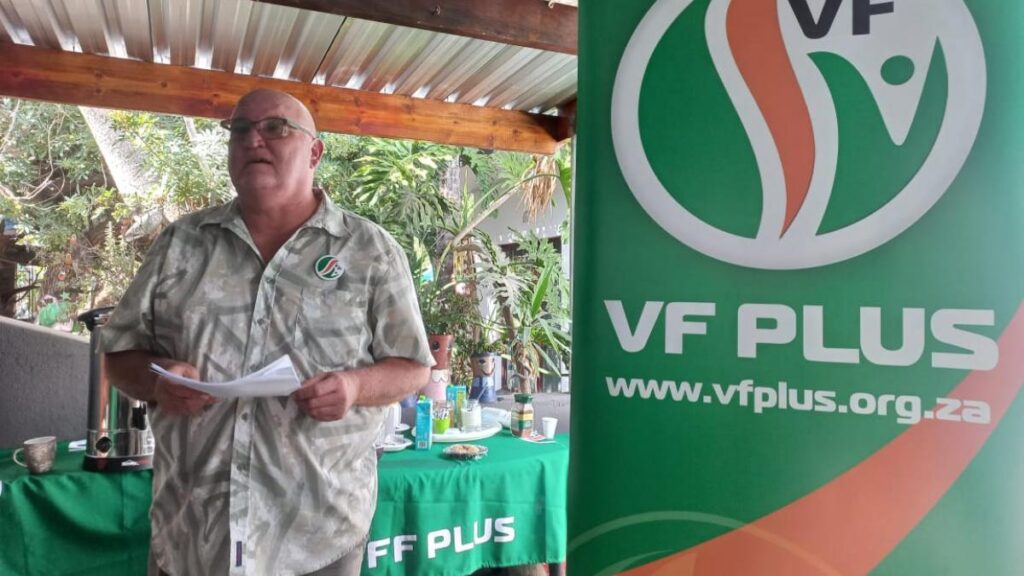
Last month, the Cape Town High Court ruled that the new tariff model based on property value is unlawful and invalid.
The High Court confirmed that municipal services may only be charged in proportion to their actual use, as argued by SAPOA, Afriforum, and CTCRA.
“Any attempt by municipalities to generate revenue through arbitrary or indirect measures falls squarely outside the framework of the law,” said Afriforum.
It added that this ruling confirmed that the courts continue to play a critical role in protecting citizens against unfair government practices.
Pieter Jansen van Vuuren, a Freedom Front Plus councillor in the City of Cape Town, shared Afriforum’s view on the matter.
He said the Freedom Front Plus strongly opposed the tariff structure from the outset, warning that it was both unfair and unconstitutional.
“The judgment demonstrates that Cape Town failed to strike a balance between revenue generation and the fair treatment of ratepayers,” he said.
Hill-Lewis responded to the ruling, saying he firmly believes that Cape Town only works when it works for everyone.
“Our goal will always be to invest in the infrastructure that makes our city functional and delivers more dignity to more people,” he said.
“Cross-subsidising, where the better off among us help to fund services for the less fortunate, is the most equitable and sustainable way.”
He added that the ruling does not change the current 2025/26 tariff structure and budget, which remain lawful and applicable until 30 June 2026.






Comments