A unique group of rich South Africans building mansions in the middle of nowhere


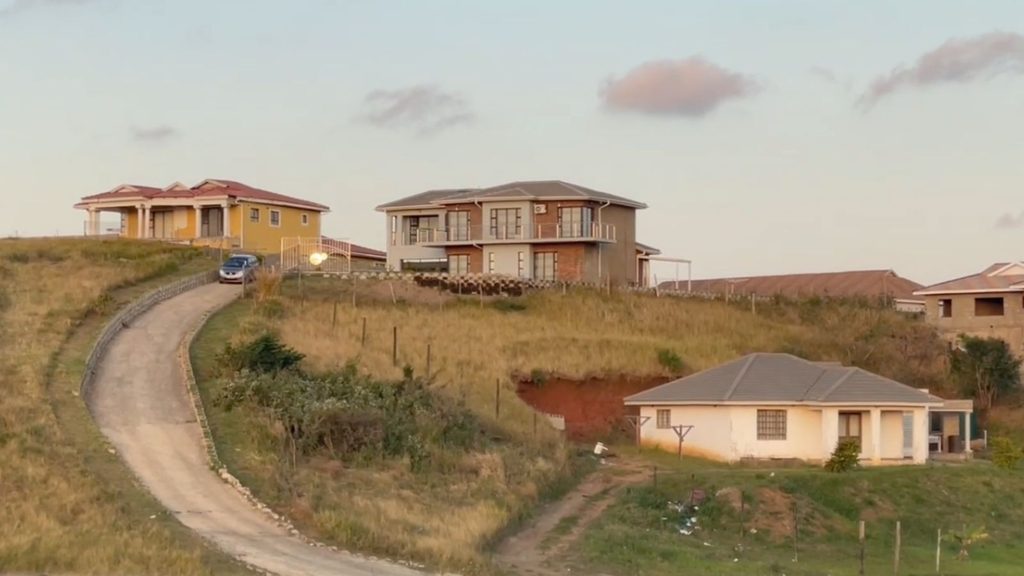
South Africans working in the informal economy are funnelling money back to rural areas where they build mansions debt-free instead of saving for retirement.
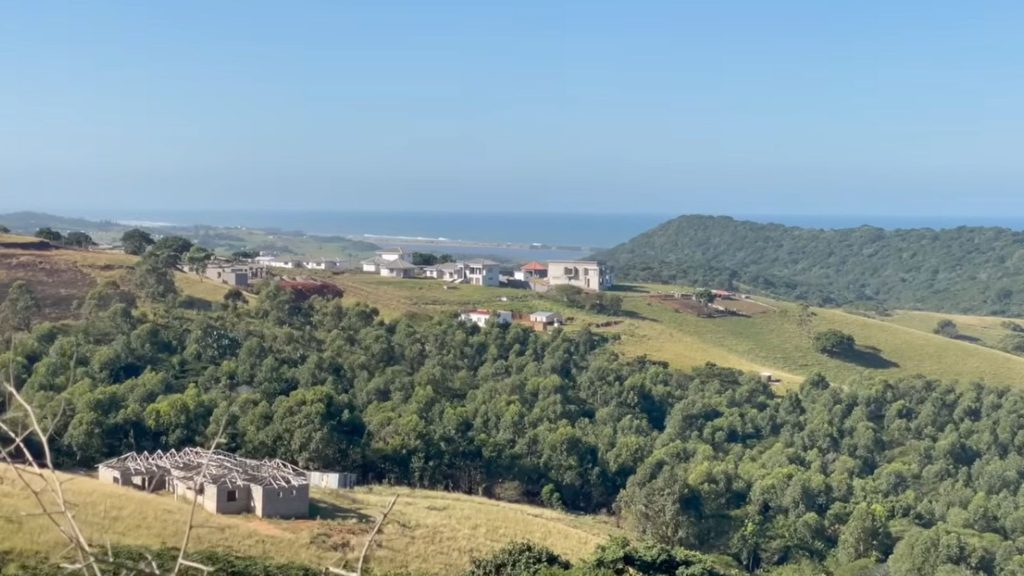
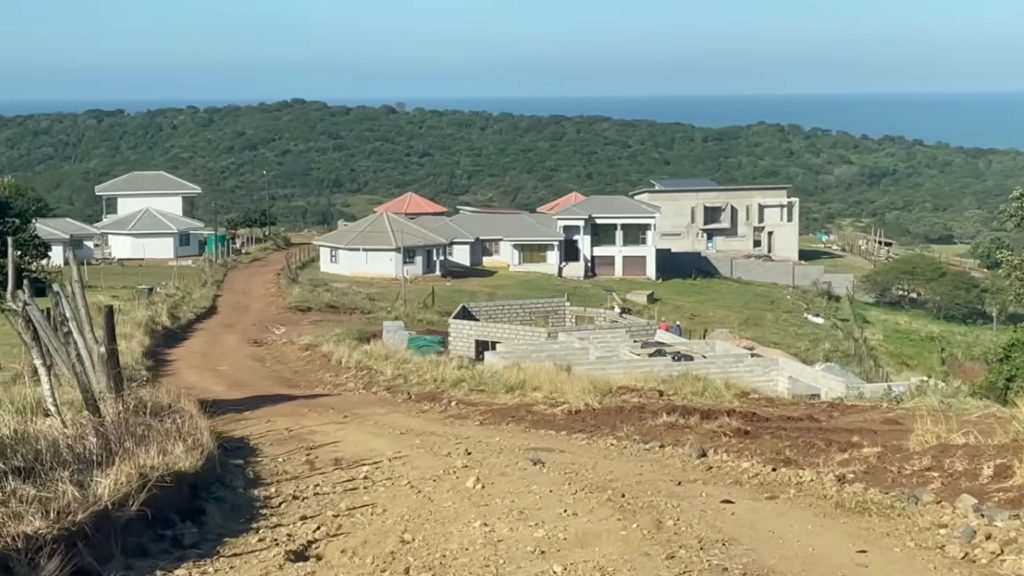
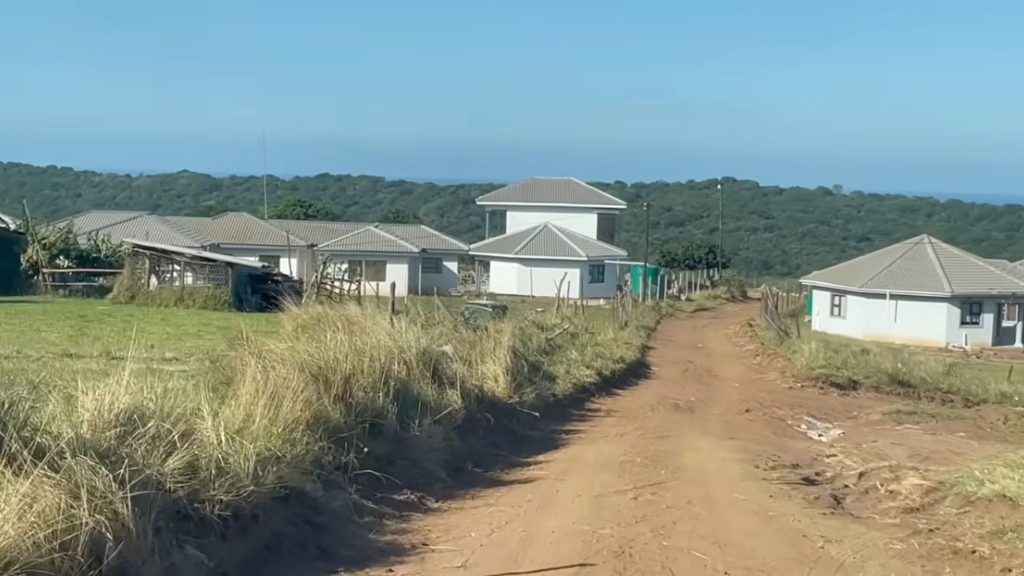
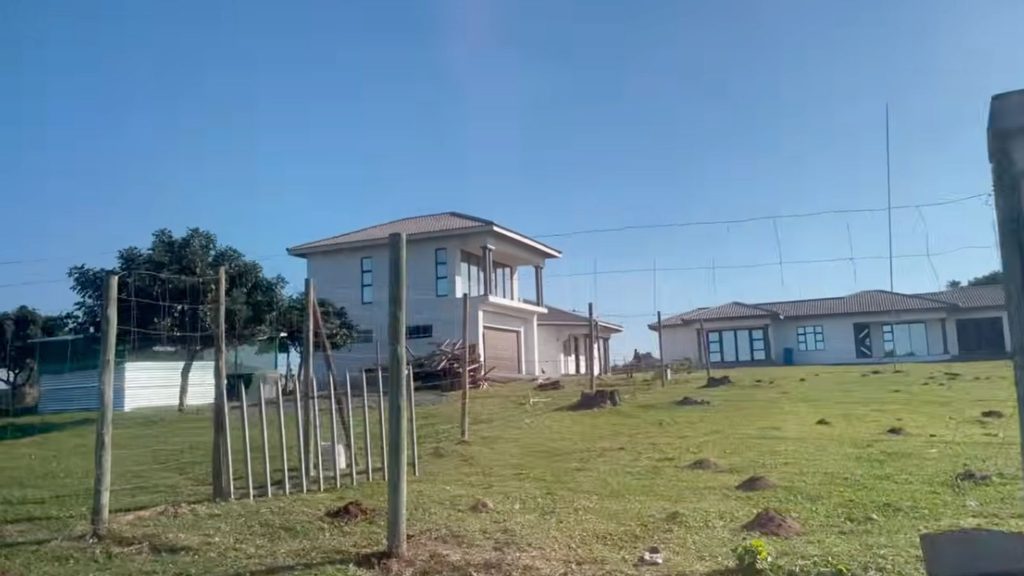
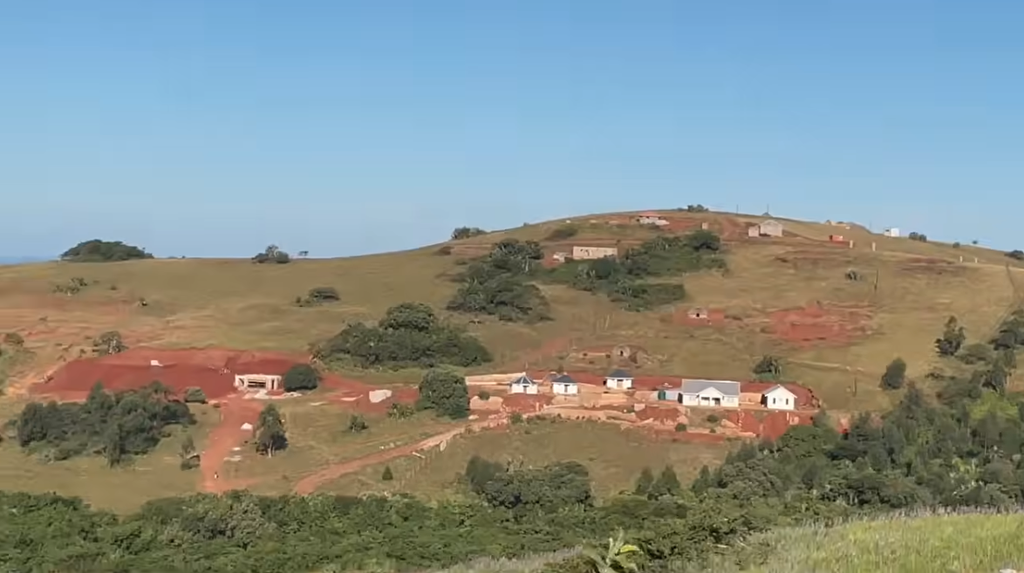
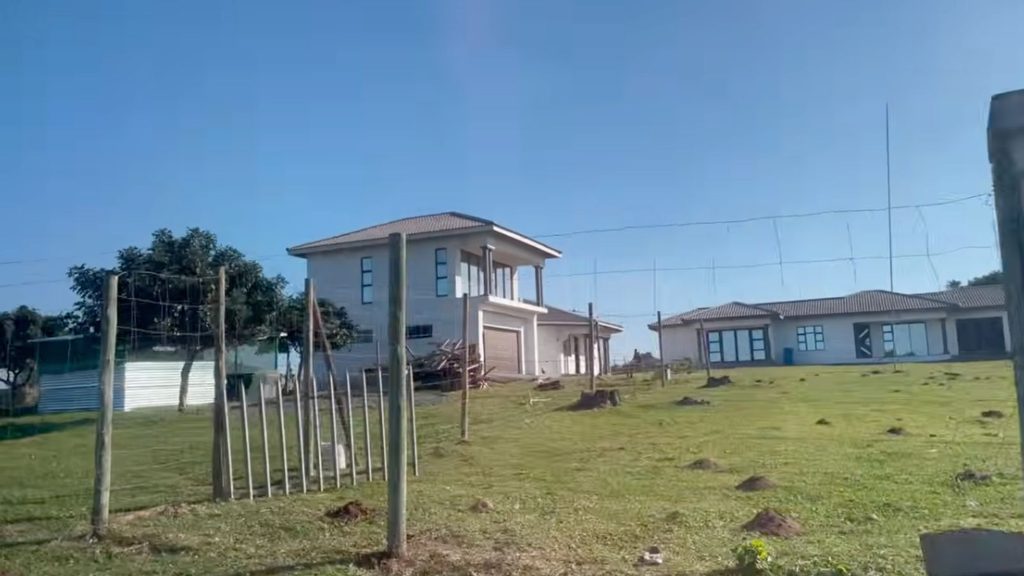
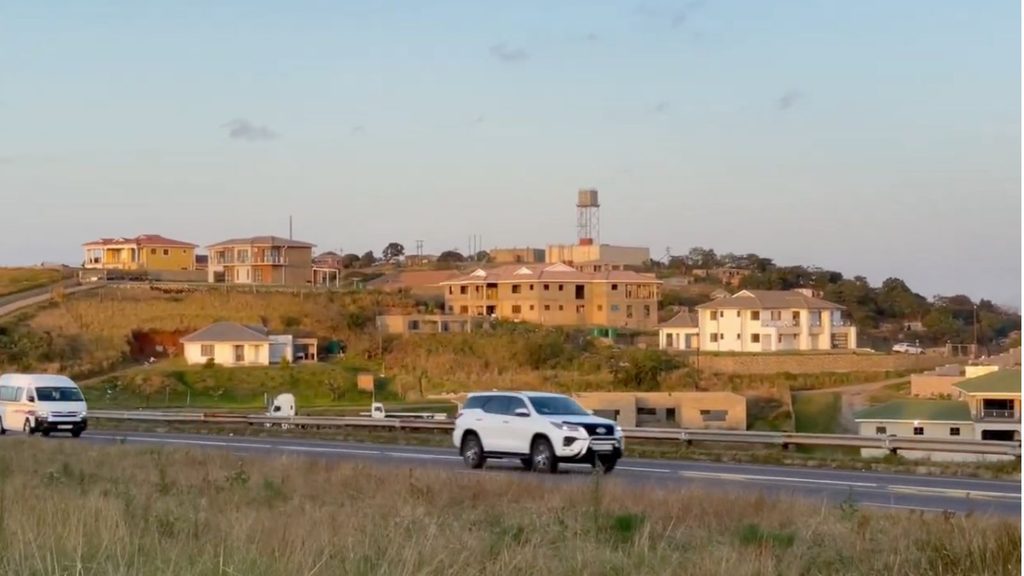
These areas include Bushbuckridge, Giyani, Mthatha, Pongola, and Venda, among others, where unfinished mansions dot the landscape.
Informal economy expert GG Alcock explained on Standard Bank Talks that these mansions are a form of retirement saving.
“We get told, ‘It is such a pity that black people don’t invest and save. There is no long-term retirement savings.’ That is rubbish,” Alcock said.
“These people are investing. They are saving. It is just in a different format that we do not see in the formal economy and banks.”
Alcock explained that most observers are stuck in a data trap, where they do not grasp the scale of economic activity in the informal economy.
Large businesses and banks fail to invest in and engage with the informal economy because they want traditional research, business cases, and spreadsheets presented to them.
The informal economy does not operate with formal data, requiring businesses to look beyond the numbers and observe physical economic activity.
Alcock said this hidden economy is incredibly lucrative, valued at around R1 trillion and closely mirroring the formal economy.
One area where it differs markedly is saving and investing, with participants not engaging with formal banking or asset management channels.
Alcock explained that these people invest much of their earnings in building houses in rural areas where they can retire with their family.
“If you go to rural areas like Bushbuckridge, Giyani, Umthata, Pongola, or Venda, incredible homes are being built,” Alcock said.
“You just drive around, and you see these homes. These are the retirement homes where people have invested across their lifetimes.”
“Often, they are living in a little rented room here in the city, and then you go back to Venda, and they have this mansion there.”
Rather than taking out mortgages or home loans, these people build incrementally using their cash earnings. They add rooms or walls one at a time.
This results in houses being built debt-free, giving them a place to live when they retire and live with their families.
In some cases, individuals may even rent out rooms in these homes to generate income in retirement.
These properties have immense potential economic value if they could be formally recognised with a title deed, enabling them to be passed on or to get access to low-interest loans.
“You can imagine when we connect that property to the formal economy in such a way that the house can be leveraged to educate a child or grandchild,” Alcock said.
“It is going to be phenomenal and create generational wealth. Once handed on, it can even be sold to create real value. You could liberate a massive part of our economy.”
Rural mansions photos