South Africans are paying the same price for a tiny apartment and a 3-bedroom family home


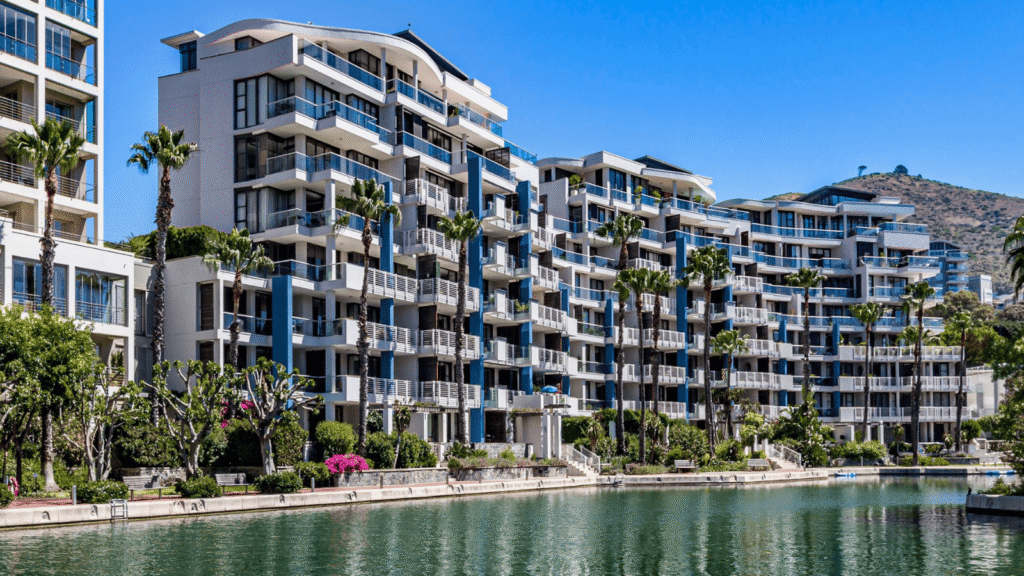
South Africa’s average monthly rent of R9,582 can secure significantly more space in some parts of the country than in others.
The latest PayProp Rental Index revealed that, in Q1 2026, South Africa’s national average monthly rent increased to R9,582. This represents a 4.7% year-on-year increase in the national average rental price.
The Index also showed that provincial markets are moving in vastly different directions. This means that the same monthly cost can provide very different lifestyles depending on the location.
Just Property CEO Paul Stevens explained that South Africa’s rental market has now entered a ‘value migration’ era.
“Tenants are trading proximity to metros for affordability, space, and school access – a pattern that’s now apparent in every major inland hub,” he said.
“The rental market has become a mosaic of micro-markets that’s influenced by lifestyle priorities, proximity to good schools, remote work flexibility, and ongoing semigration trends.”
In practical terms, the same budget might secure a townhouse with a garden inland, but only a small coastal flat in high‑pressure metros.
While national headline consumer inflation rose to 5.0% in June 2026, Stevens said inland markets offer unmatched space-per-rand rental value. Bloemfontein, in particular, stands out for its large selection of affordable rentals.
“A R9,500 budget goes a long way in Bloemfontein, making it one of the country’s most affordable major cities,” he said.
“In suburbs like Langenhoven Park, Universitas, and Dan Pienaar, you can get a spacious two to three-bedroom townhouse with a yard, an office area and extra living space- a luxury that costs significantly more near the sea.”
Another affordable inland hub is Pietermaritzburg. In this city, rental dynamics are largely dictated by education, Stevens explained.
“Pietermaritzburg is essentially a family-first market with a focus on high-demand school zones like Athlone, Montrose, and Scottsville, which anchor rental stability,” he said.
“Here, the national average rent can stretch to a family-sized two-bedroom unit, making it possible for parents to stick to their budgets while prioritising education at the same time.”
Coastal hotspots
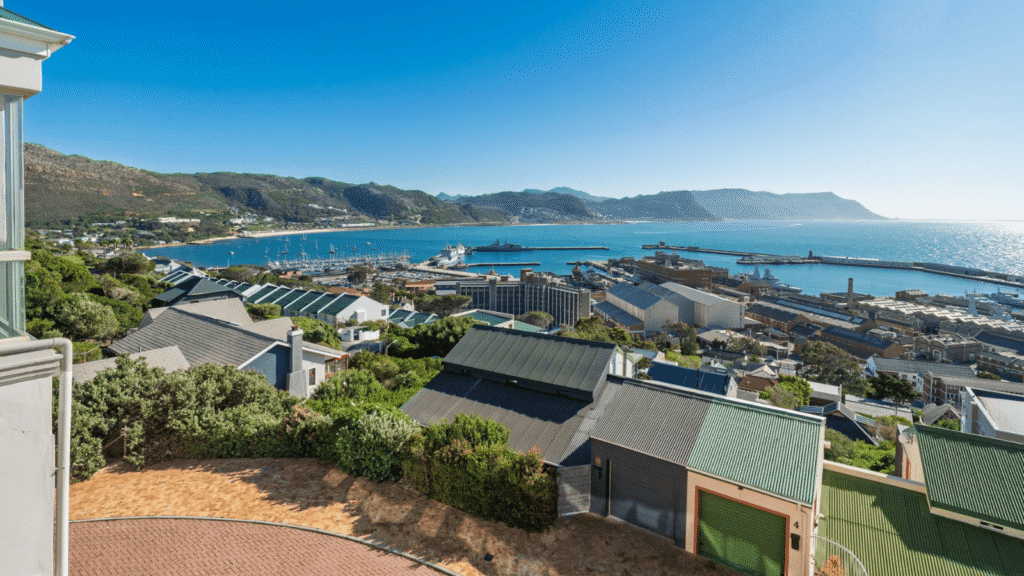
Moving towards the coast, the Western Cape has long been South Africa’s property market leader. The same holds true for the province’s rental growth, which consistently beats the rest of the country.
The PayProp Q1 2026 report showed that average rentals in the province have reached R12,125 – the first province in South African history to cross the R12,000 threshold.
However, Stevens said that smart workarounds in satellite “value pockets” can be found in enclaves like Strand, a 40-minute drive outside the Cape Metro.
“Strand offers a far more affordable lifestyle alternative. The national average rent will pay for a one-bedroom or a compact two-bedroom apartment in a secure complex near the beachfront,” he said.
Greenways, Onverwacht, and Beach Road are also gaining popularity among budget-conscious remote workers, Stevens explained.
“As inflation rises and stock shortages in prime seaside hubs continue, tenants are reassessing where value really lies,” he said.
“The widening rental gap between inland and the coast is changing rental behaviour, with regional comparisons becoming more important than national averages.”
South Africa’s other coastal hub, Durban, is an important KwaZulu-Natal counterpoint to the Western Cape, showing that coastal affordability varies sharply across suburbs and property types.
Current rent data shows that a budget close to the national average can secure a one-bedroom apartment in Umhlanga Ridge or, in more established nodes such as North Beach, a two-bedroom apartment.
According to Stevens, Durban is the reason why the coast cannot be treated as a single rental category in South Africa.
“At around R9,600, tenants have the choice of a compact apartment near a major commercial node or more space in an established beachfront or suburban area,” he said.
The trade-off, he explained, depends on factors such as proximity to work, security, amenities, and the quality of available stock.
The table below shows the national average rent for South Africans in each of these areas, according to Stevens.
| Region | Market profile | Typical property for the national average price | Market drivers |
|---|---|---|---|
| South Africa (National) | R9,582 average rent | Benchmark for regional comparison | Driven by remote work, semigration, and affordability pressures |
| Bloemfontein | Inland value & space hub | Spacious 3-bedroom townhouse with garden & home office space | Space-per-rand & remote work flexibility |
| Pietermaritzburg | Education belt | Family-sized 2-bedroom unit or flat near premier school zones | Proximity to schools |
| Durban | Indian Ocean value hub | One-bedroom apartment in Umhlanga Ridge or a two-bedroom apartment in North Beach | Employment access, beachfront lifestyle, security & local stock |
| Western Cape (Strand) | Coastal value pocket | Modern 1-bedroom or compact 2-bedroom apartment near beachfront | Alternative to Cape Town Metro cost squeeze |
| Western Cape (Metro) | High-pressure coastal hub | Exceeds benchmark (R12,125 average) | Extreme semigration & stock shortages |
Takeaways for tenants and landlords
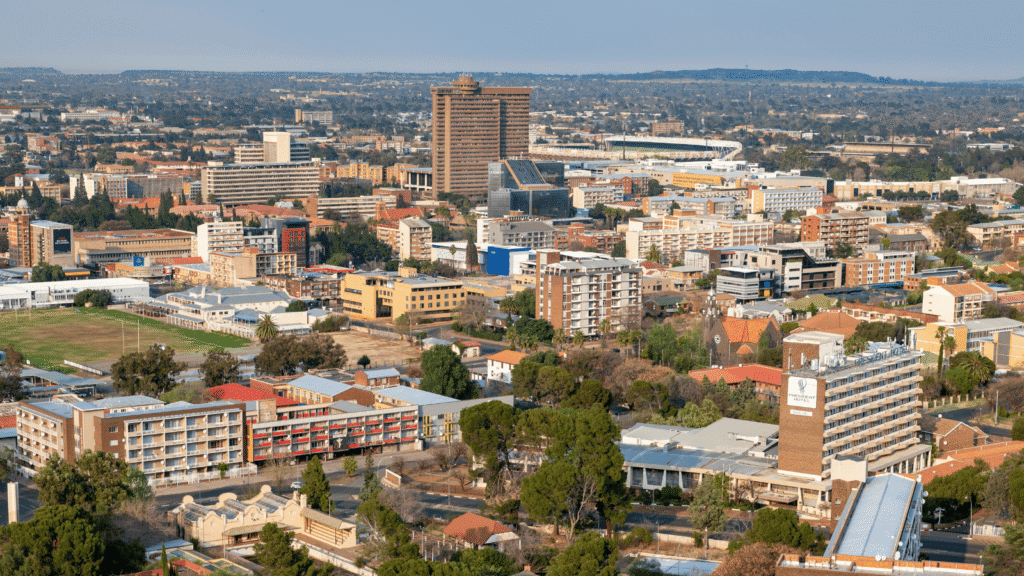
For Stevens, the widening gap between inland price stability and coastal escalation has benefits for both tenants and buy-to-let investors.
For tenants, remote flexibility can make it possible to secure significantly more space inland for the same outlay as a compact coastal unit.
For buy-to-let investors, there is value to be found across the country. Inland markets offer lower barriers to entry and long-term yield stability.
Coastal areas like Durban provide a more varied proposition shaped by access to employment, beachfront demand, security, and suburb-specific stock.
Properties in the Western Cape generally require higher deposits but may deliver stronger capital appreciation. “The numbers are completely different depending on where you look,” Stevens said.
Just Property’s market observations show that lower inland entry-level purchase prices can support gross rental yields of 10% to 13%, while gross yields in the Western Cape are typically 4% to 7%.
“Durban adds another layer to the coastal picture because returns can differ between established beachfront suburbs, commercial nodes such as Umhlanga Ridge, and more affordable residential areas,” he said.
Overall, Stevens stressed that understanding the country’s regional micro-markets is critical for both tenants and investors.
“There’s a clear pattern emerging in the various regions with tenants shopping for lifestyle value, not just location, and investors recalibrating their strategies accordingly,” he said.
“Whether you’re a tenant trying to balance the budget around school fees and living space, or an investor weighing up immediate yields versus long-term growth, local market dynamics beat national averages every time.”
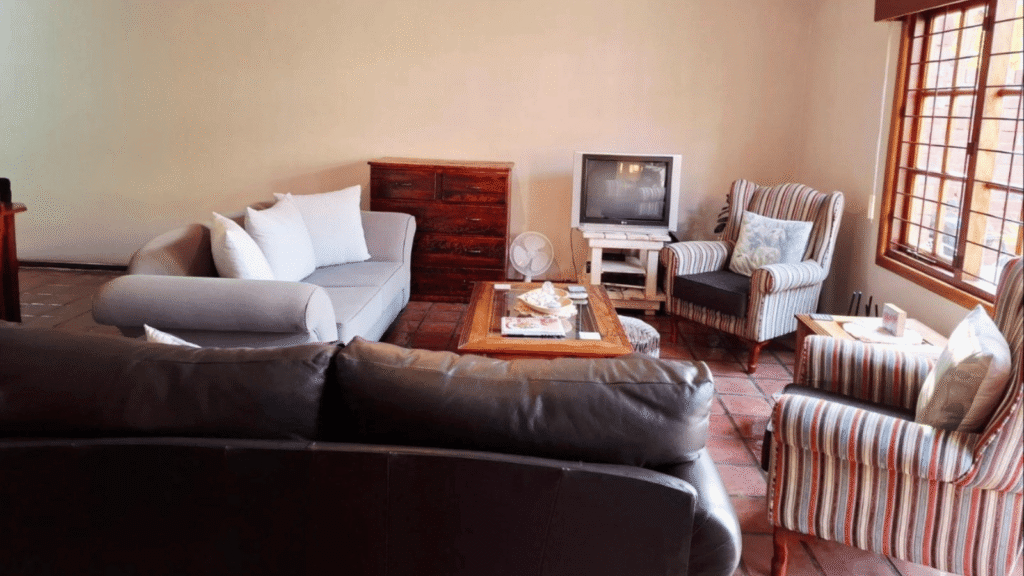
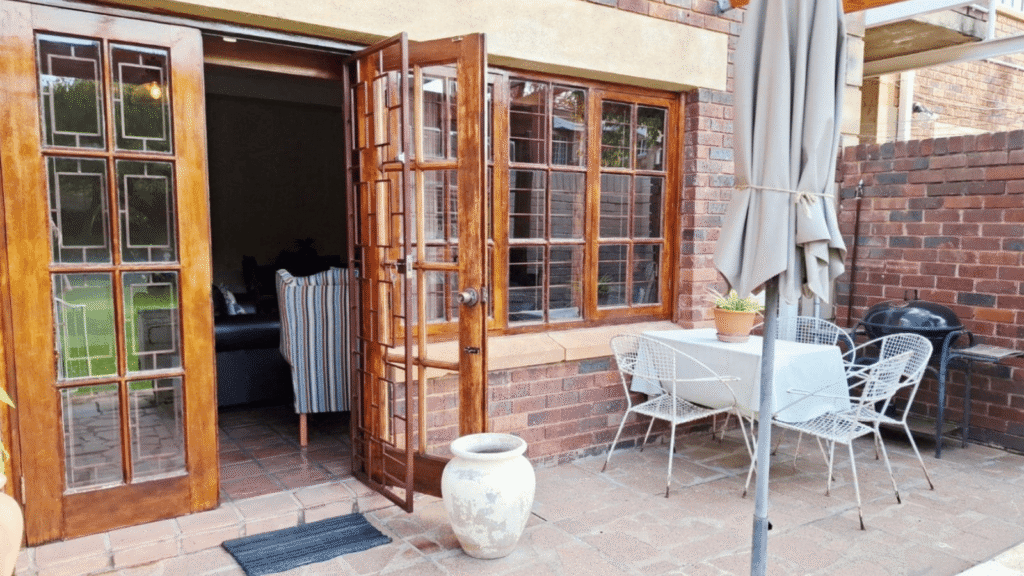
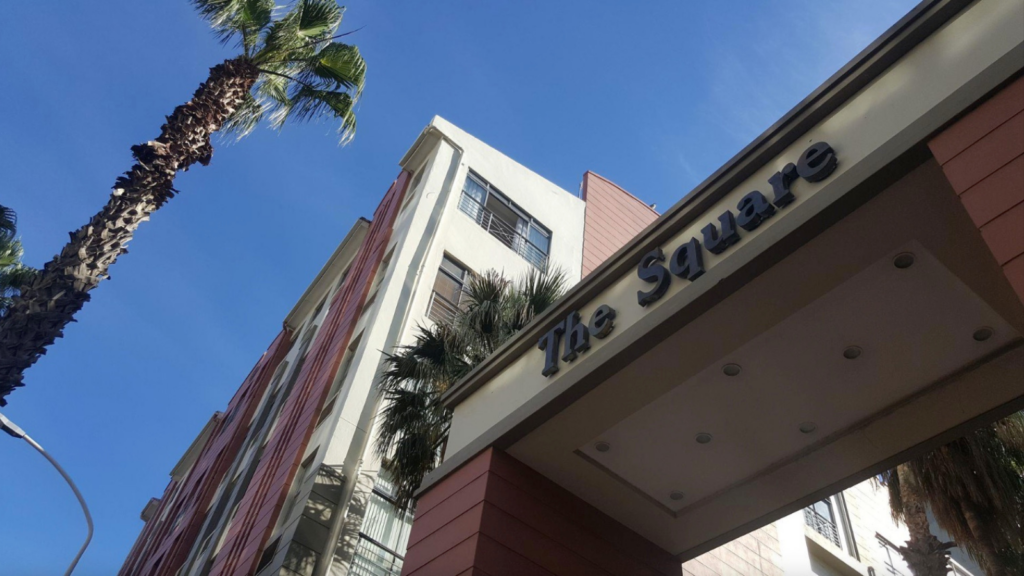
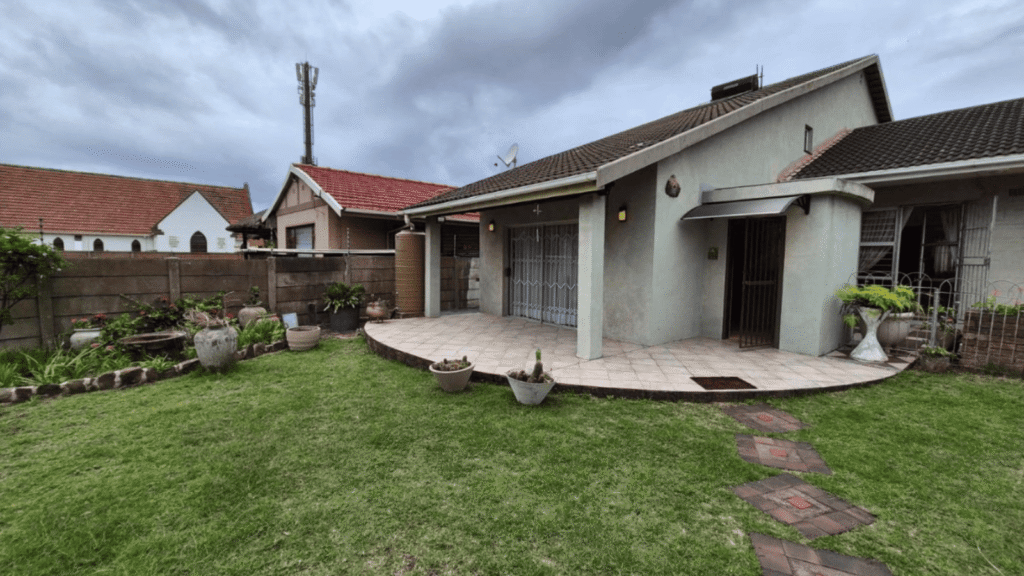
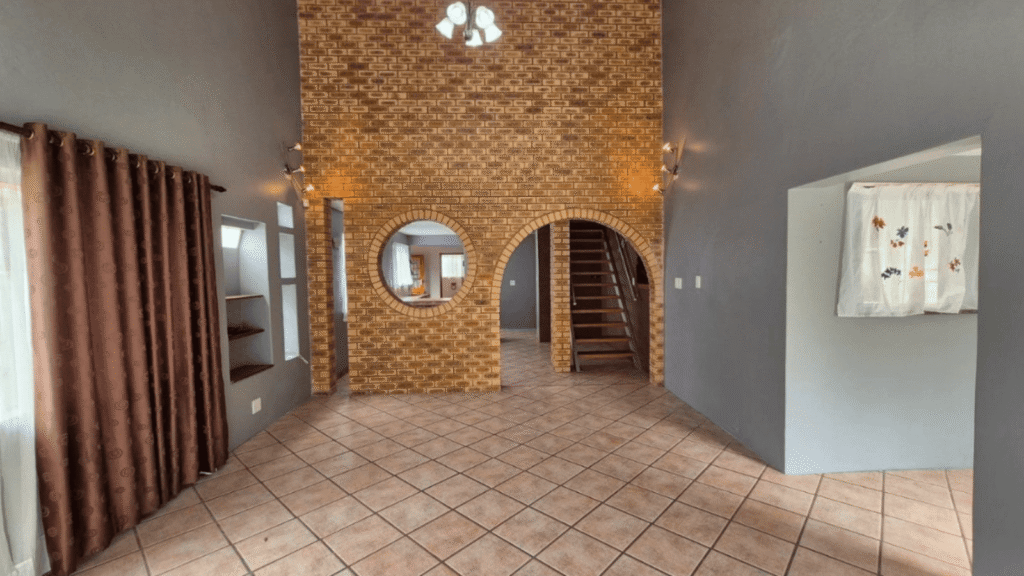
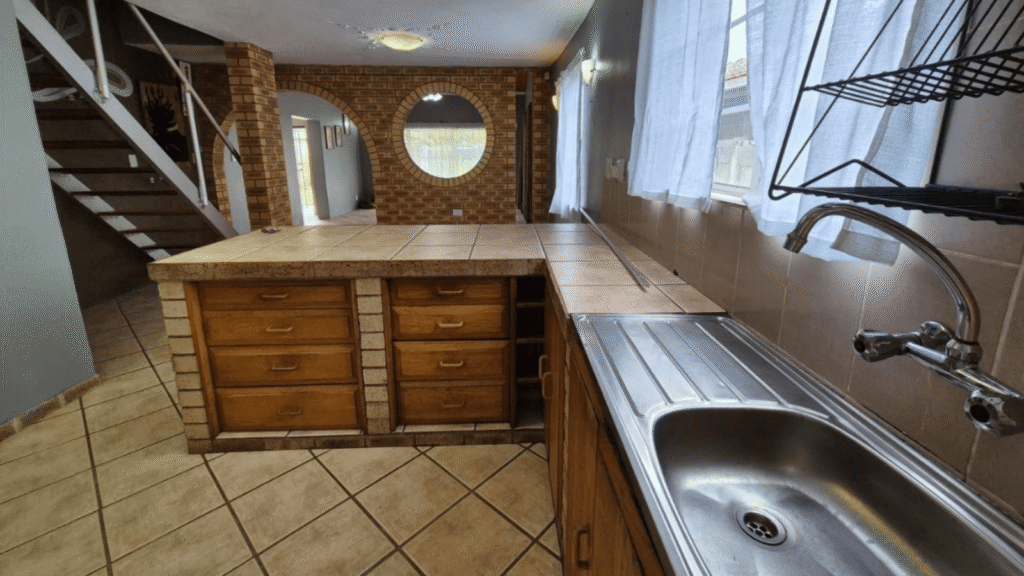
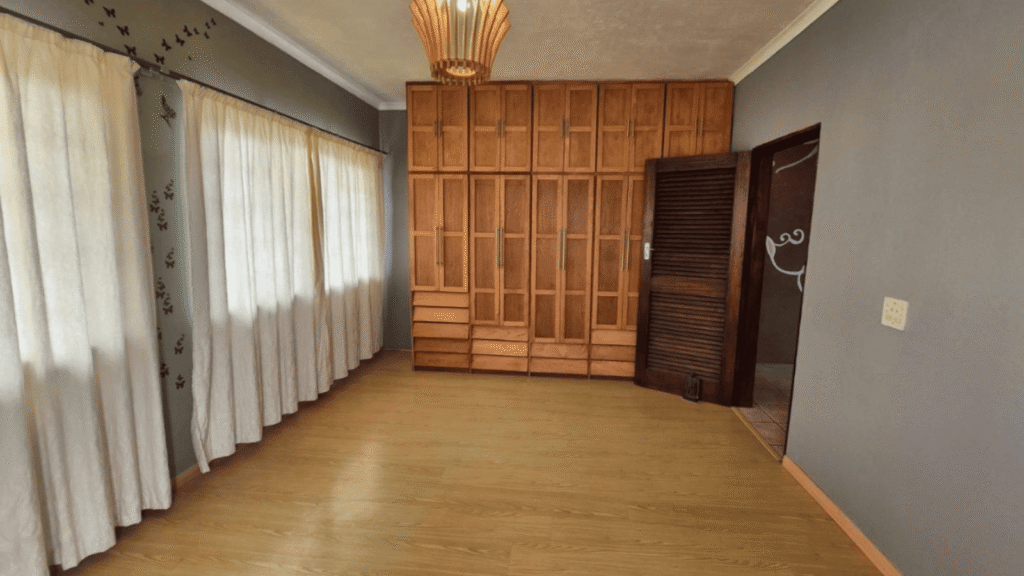
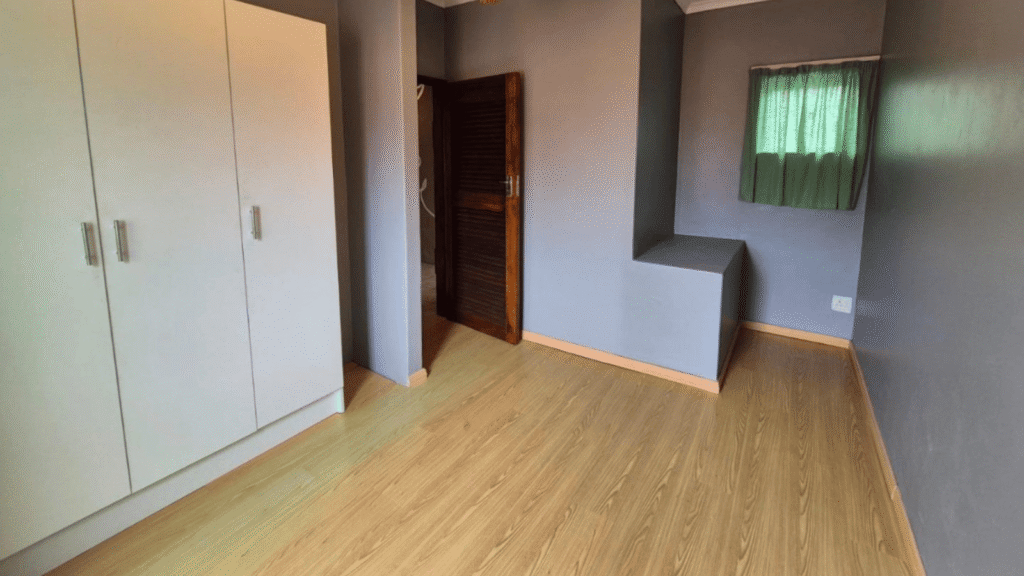
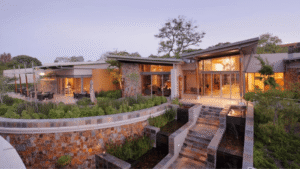
The images below show what properties tenants can currently get for the same price in different parts of the country.
R9,500 two-bedroom apartment in Westdene, Bloemfontein
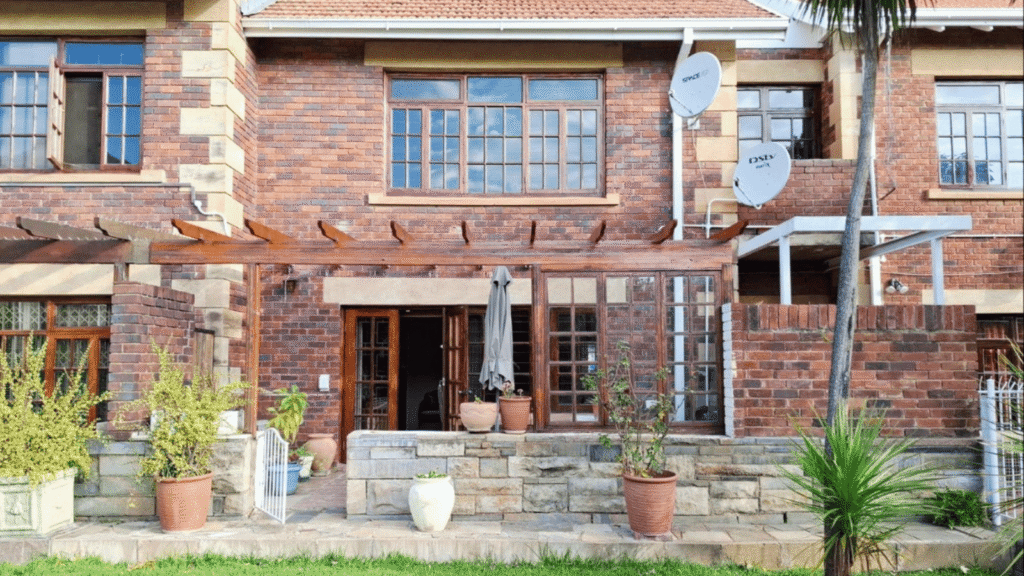
R9,500 two-bedroom apartment in Hayfields, Pietermaritzburg

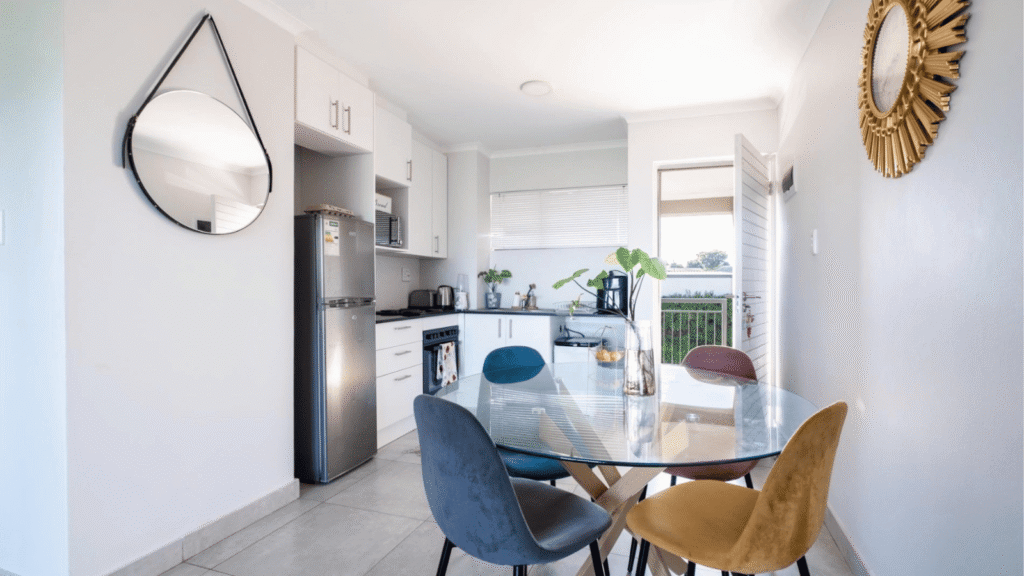
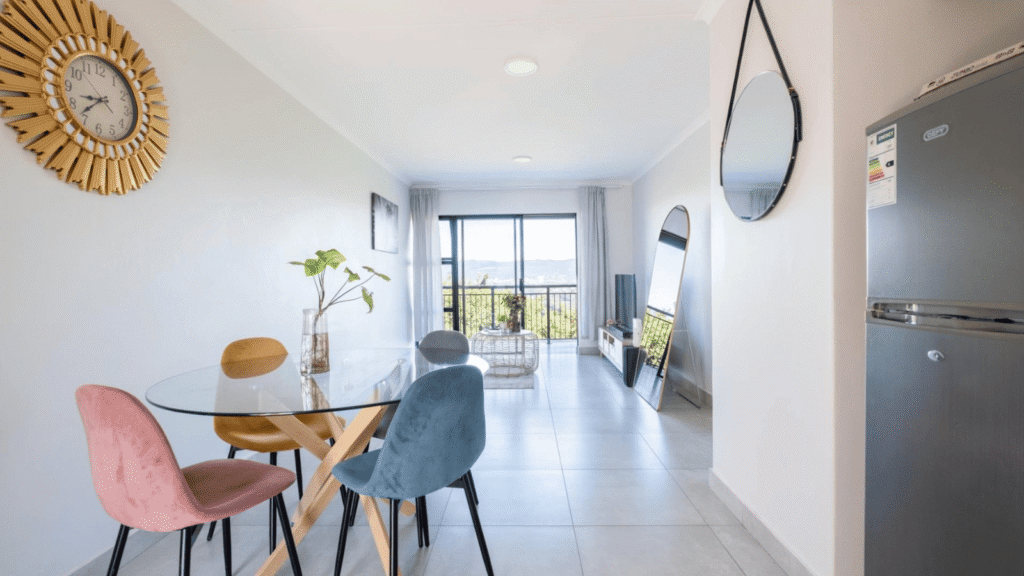
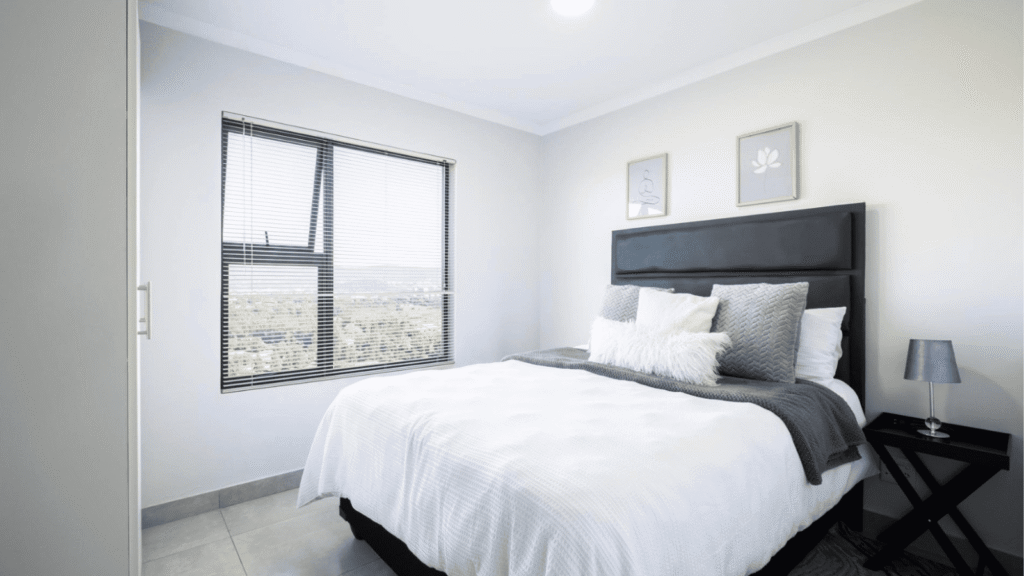
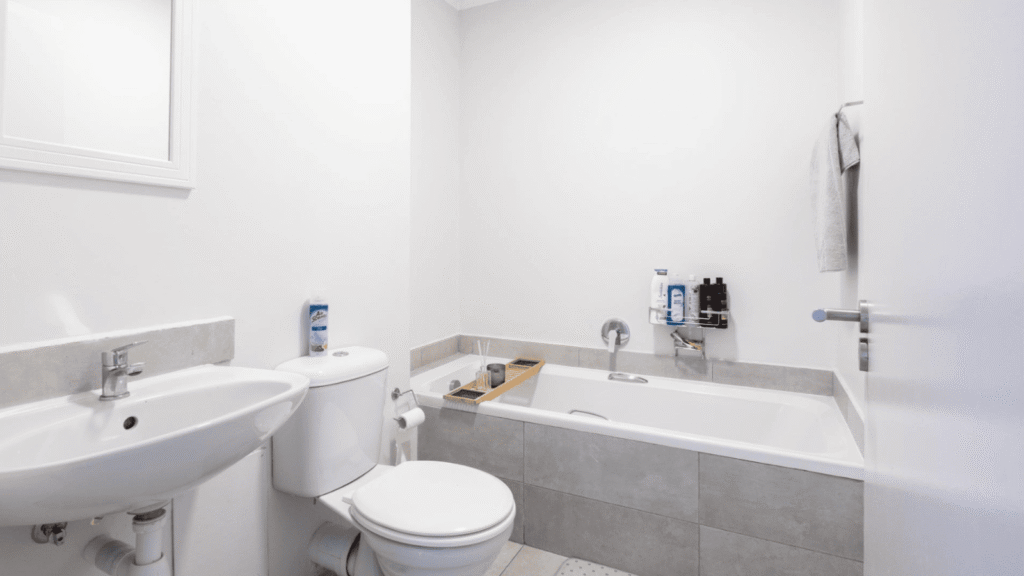
R9,500 one-bedroom apartment in Greenways Golf Estate, Strand
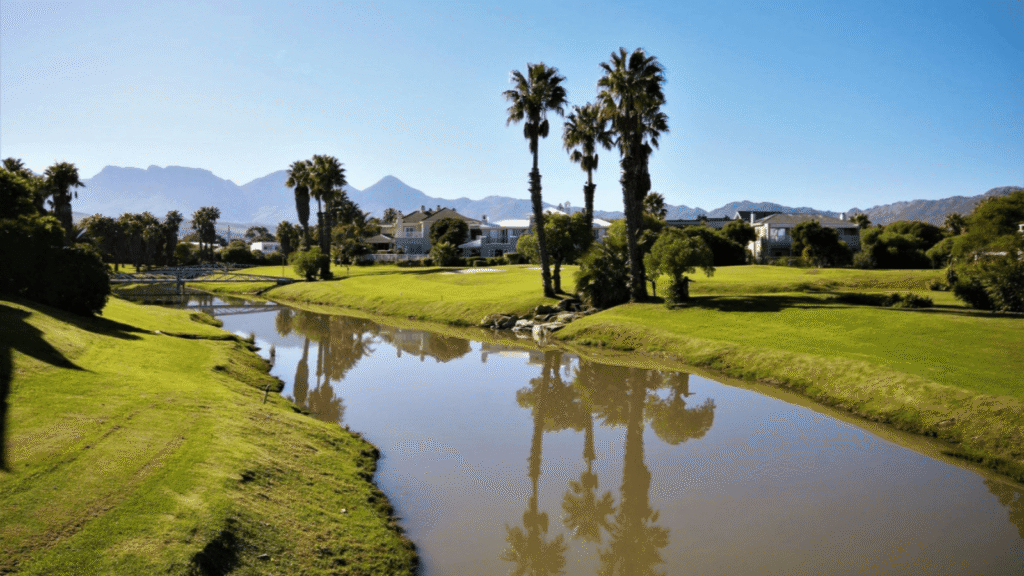
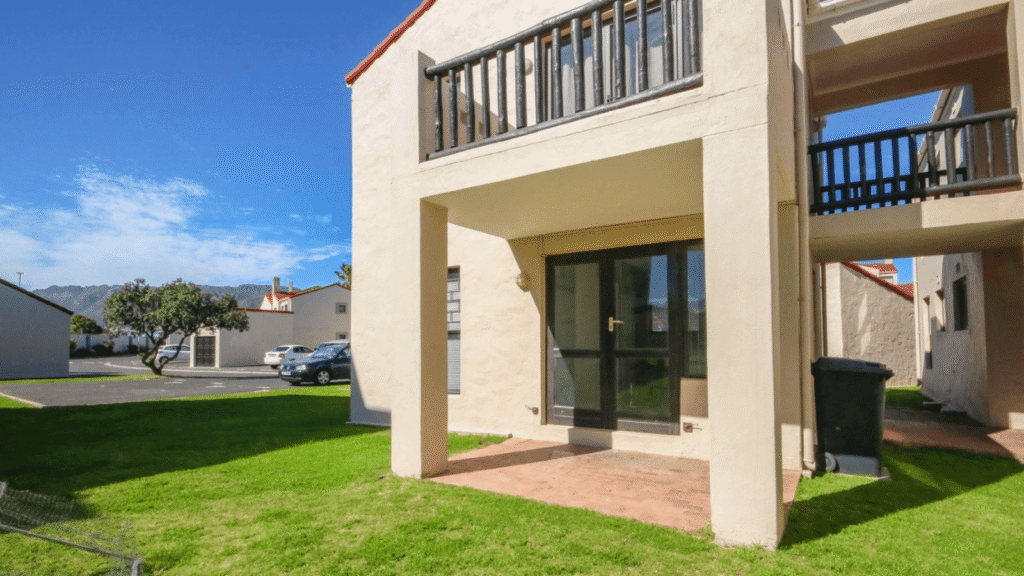
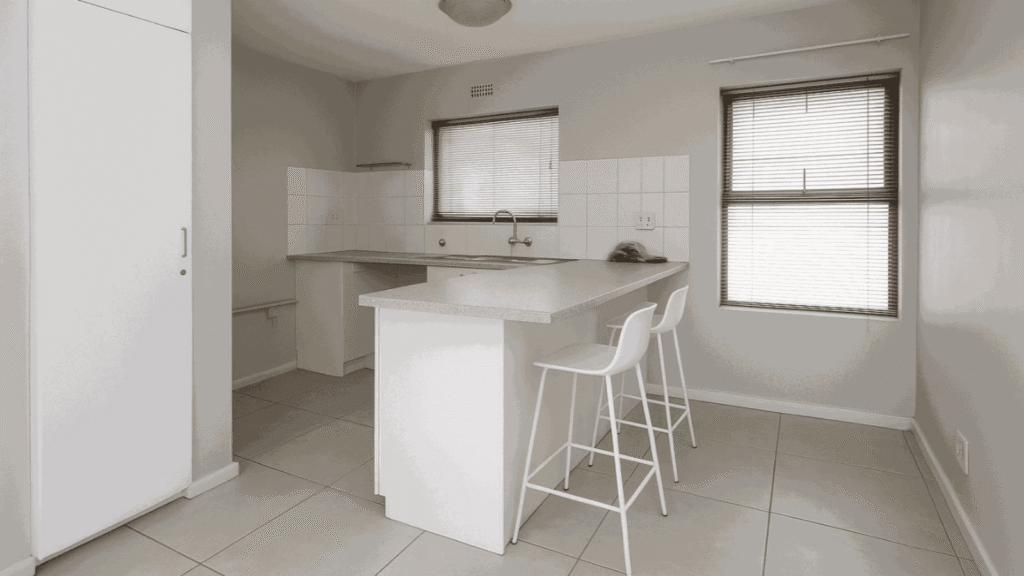
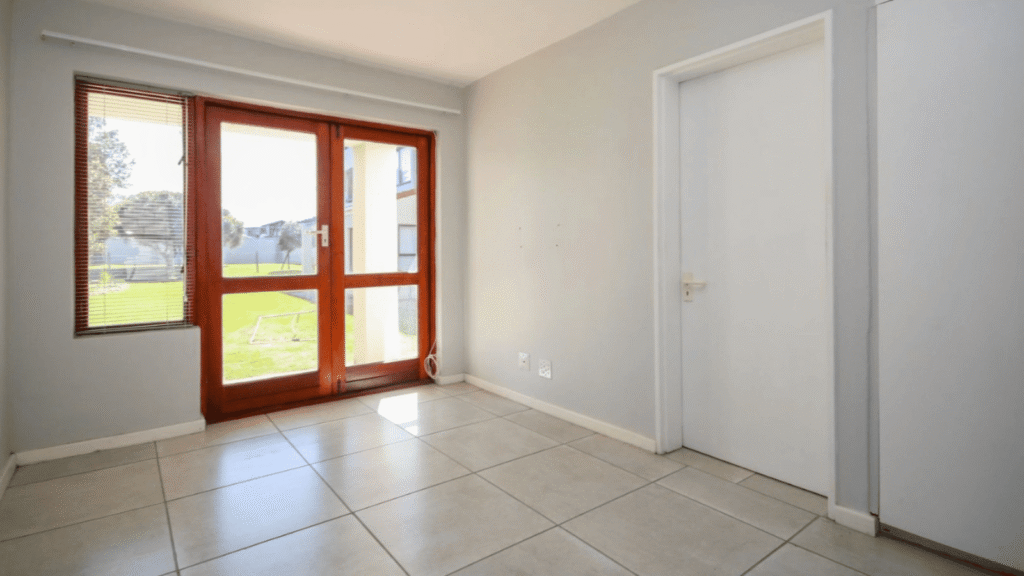
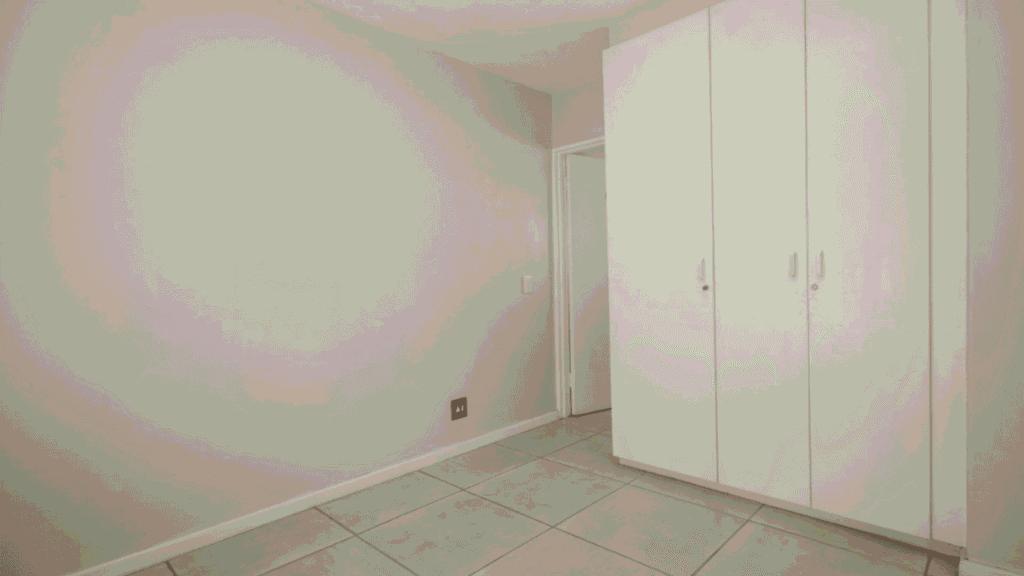
R9,500 0.5-bedroom apartment in Cape Town City Centre
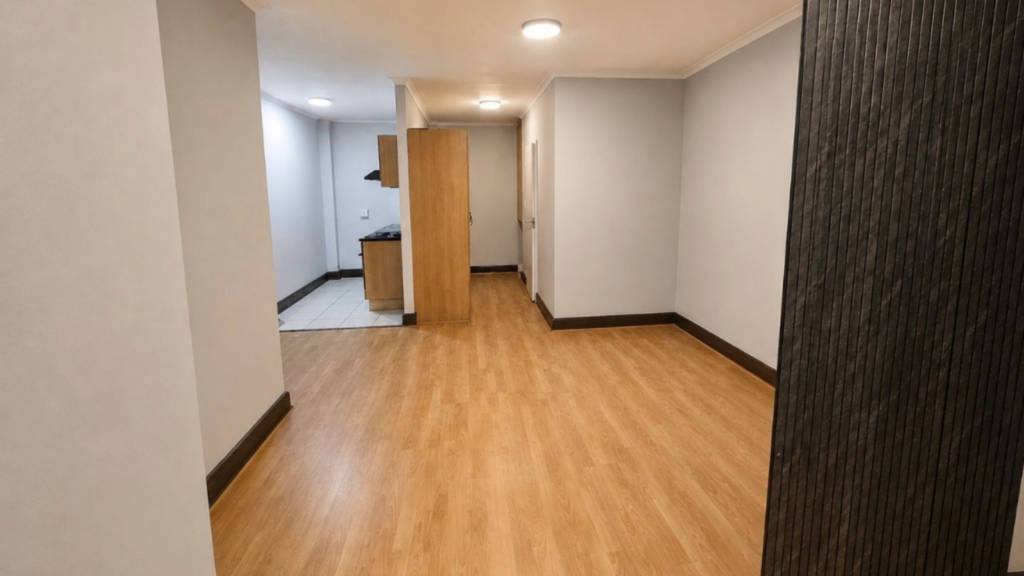
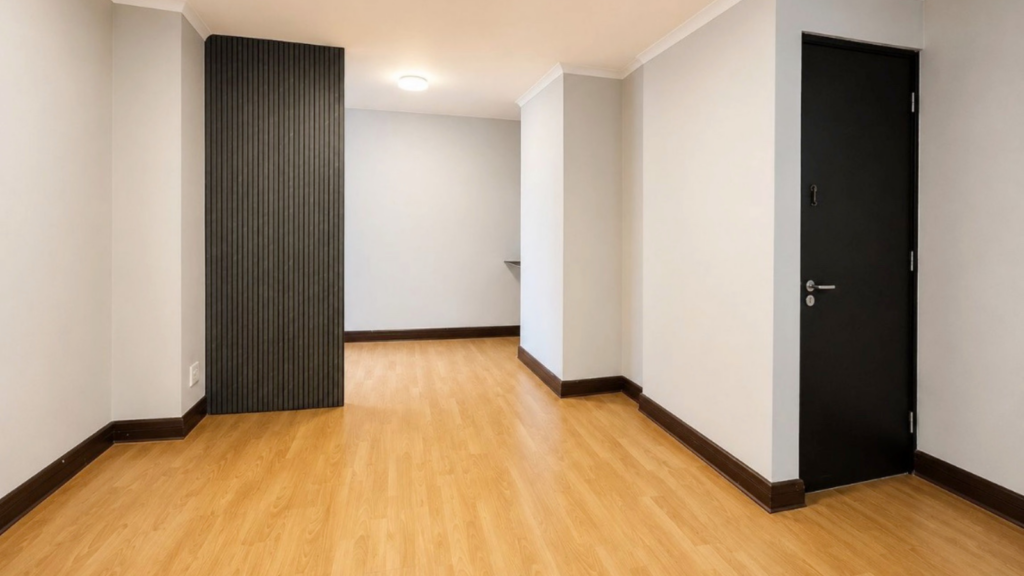
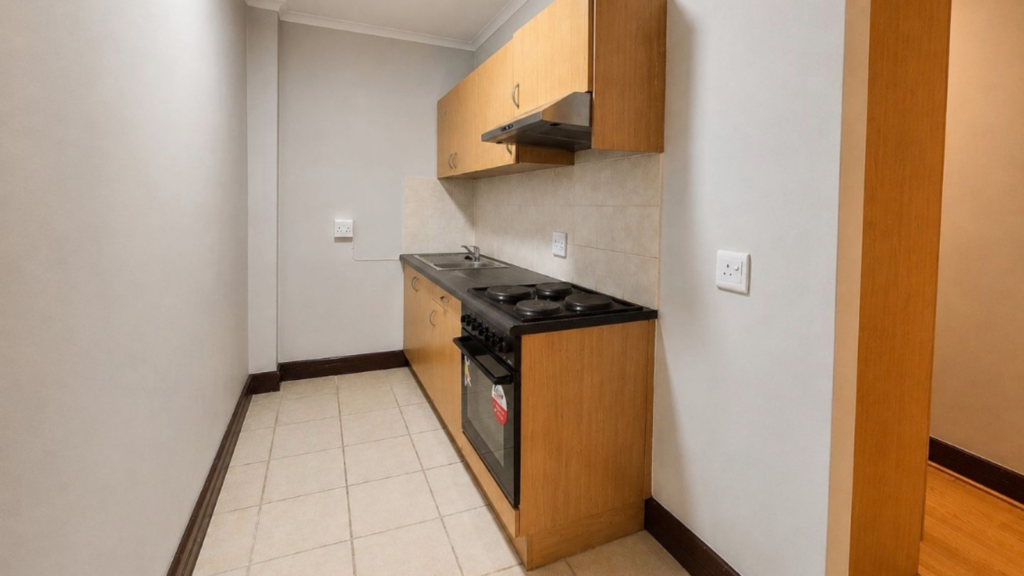
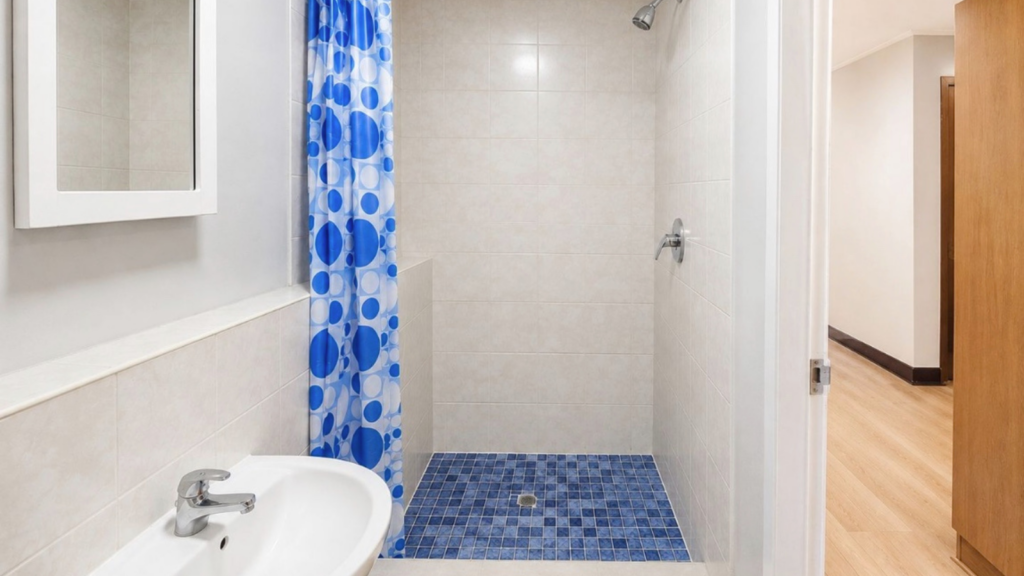
R9,500 three-bedroom townhouse in Bluff, Durban




Comments