End of a 30-year era for KPMG in South Africa


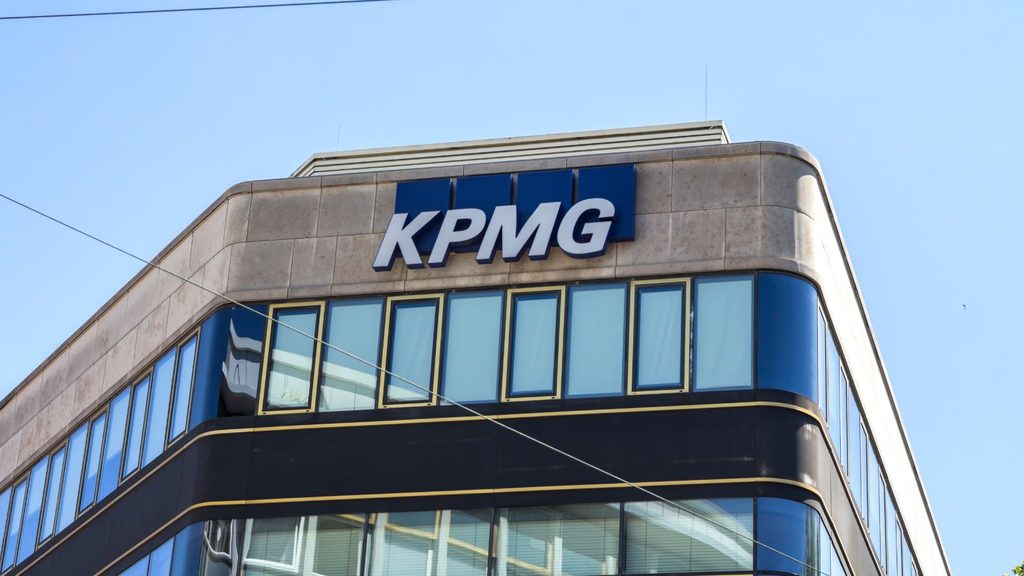
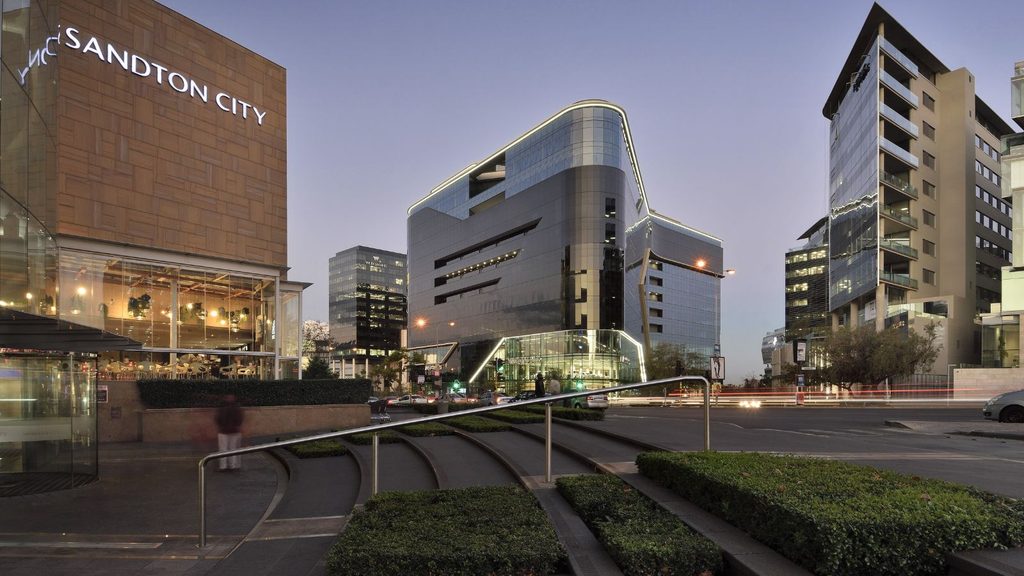
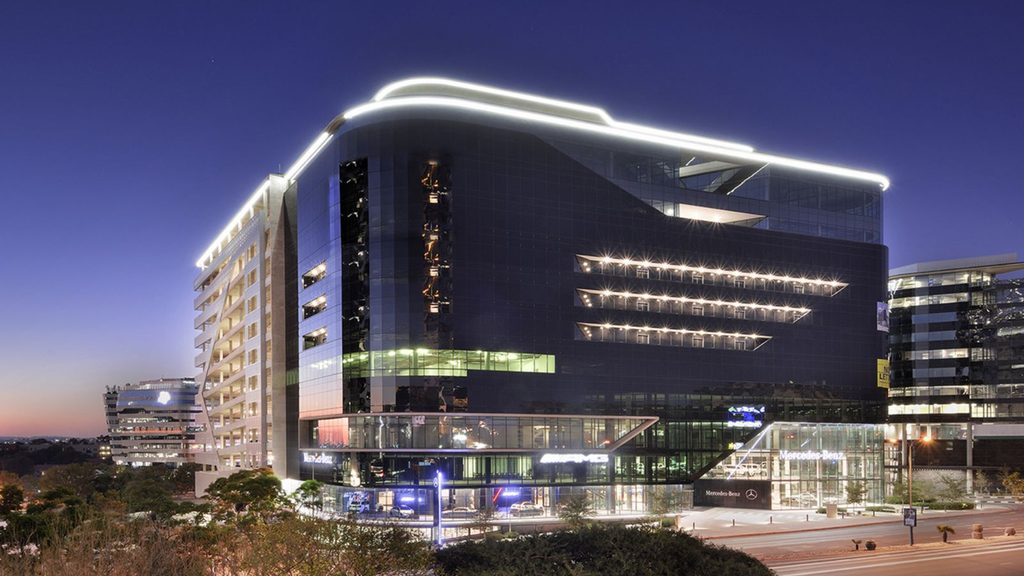
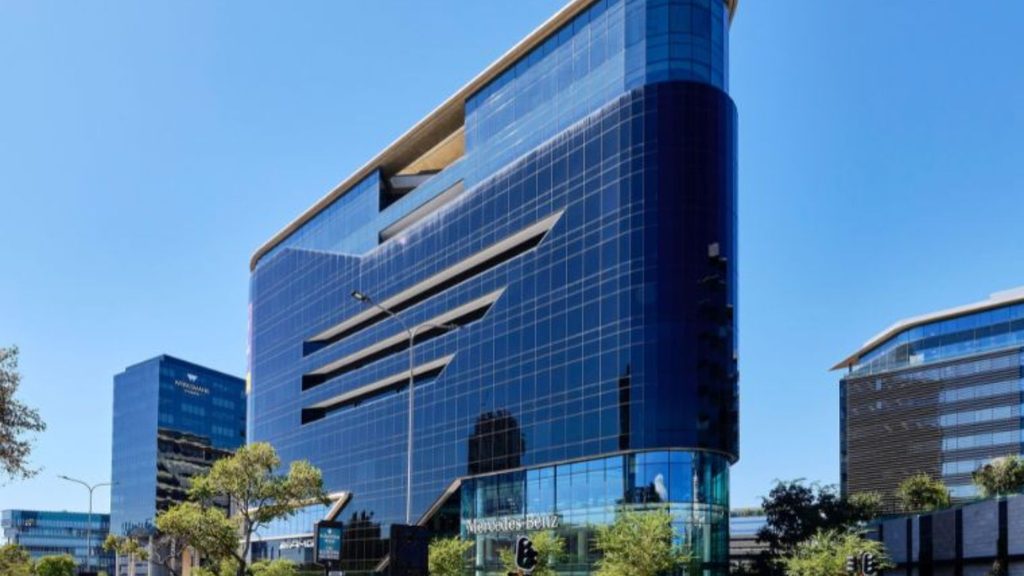
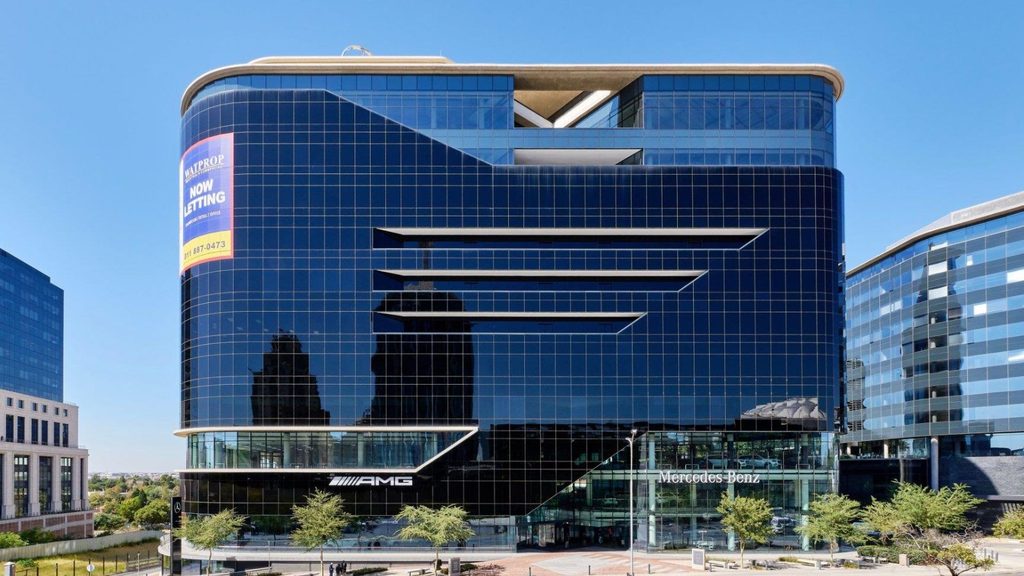
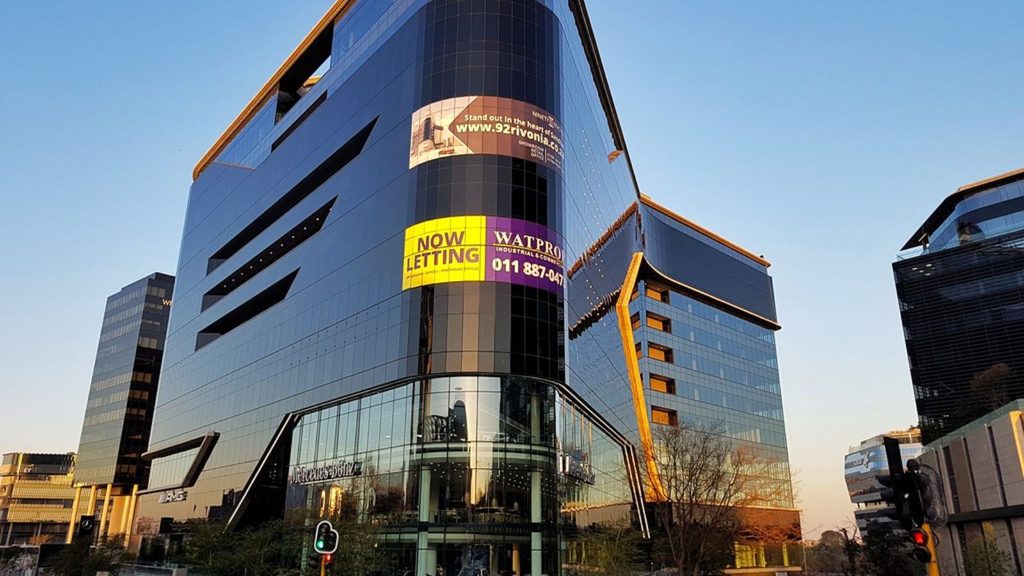
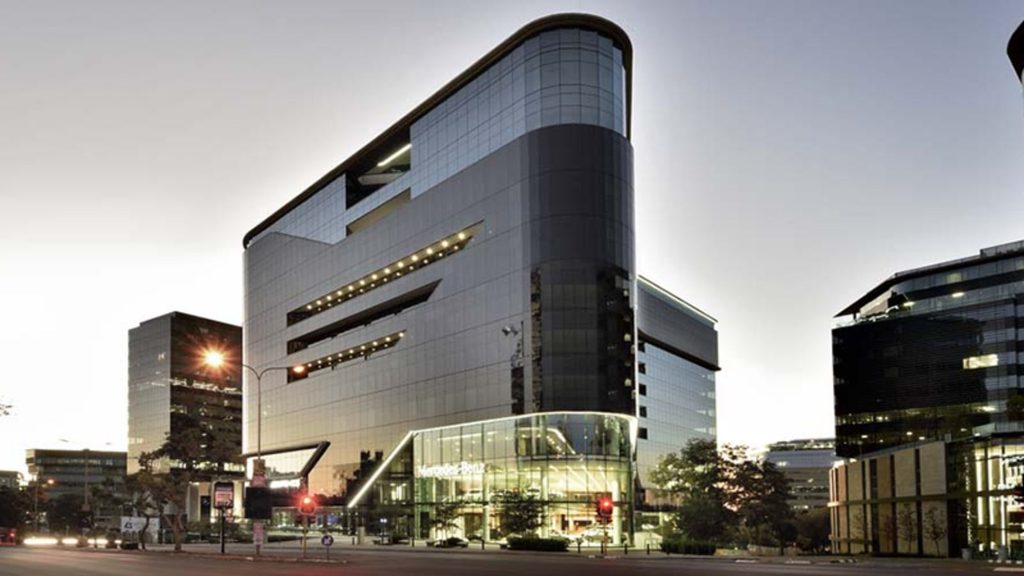
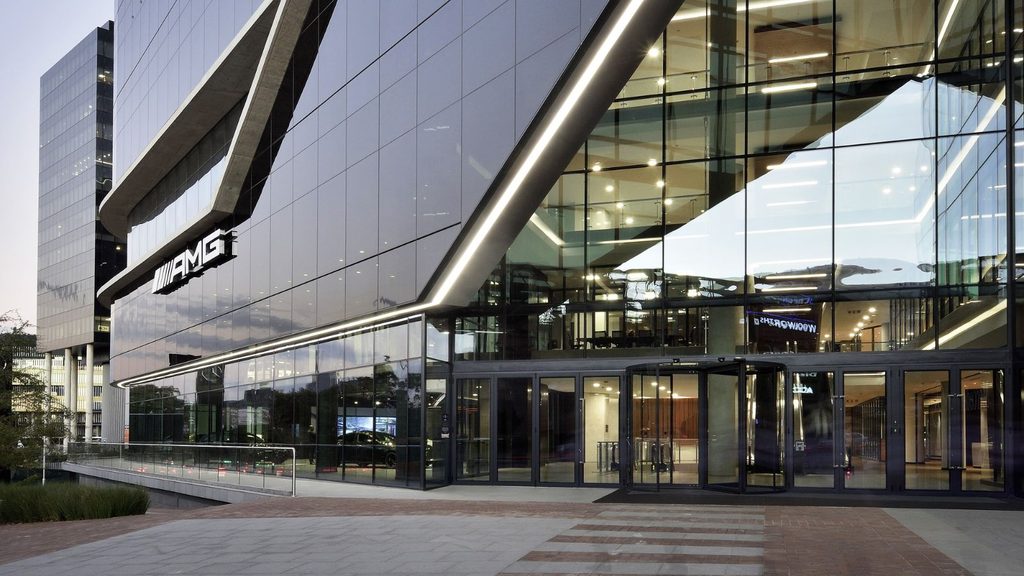
KPMG South Africa is moving out of the Parktown office it has occupied for 30 years to a new building in the country’s financial hub of Sandton.
The move will be completed in 2027 and follows the sale of KPMG Crescent by Accelerate Property Fund to Rand Mutual Assurance.
KPMG made it clear that its move is unrelated to the sale, which has no impact on its long-term tenancy or operations.
“This move marks a significant milestone in the firm’s continued investment in its people, clients, and future growth,” KPMG said in a statement.
“It will bring KPMG South Africa into a modern workspace designed to support evolving ways of working, foster greater collaboration, and deliver an enhanced experience for employees and clients.”
On 25 September, Accelerate revealed that it had sold KPMG Crescent and its parkade in Parktown to Rand Mutual Assurance for R385 million.
KPMG Crescent was a valuable asset for the property company, with it generating operating income of R100.8 million.
This income is largely due to KPMG’s long-term lease, which has risen by 8% per annum over the past 12 years. As of 1 September, the firm was paying Accelrate R99.52 per m².
Accelerate has been on a disposal spree in recent months as it looks to generate cash to pay down its debt.
Much of this debt was incurred during the development of Fourways Mall, which is the largest building of its kind in South Africa.
The mall has underperformed expectations, weighing on Accelerate’s financial health and leaving it with a mountain of debt.
This led it to sell five properties in the past financial year, including its stake in FirstRand’s Cape Town office building, generating R788.5 million.
These proceeds were mostly applied to reduce the REIT’s interest-bearing borrowings. Now, it has sold KPMG Crescent for the same reason.
KPMG’s decision to leave its Parktown office was not affected by Accelerate’s sale of the property, as it wanted to move to a modern office space in South Africa’s leading business district.
“While we are excited about this next chapter, we are equally proud of our history in Parktown, where generations of KPMG professionals have built their careers,” KPMG South Africa CEO Joelene Pierce said.
“Our move to Sandton is more than a change of address. It is an investment for our people, our clients, and the future of our firm.”
KPMG in South Africa
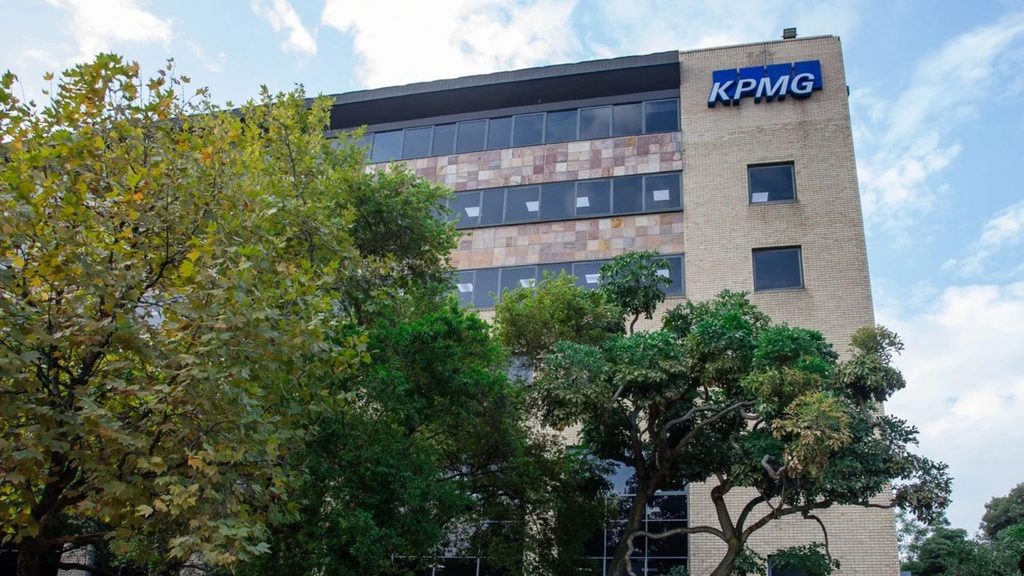
KPMG has a long history in South Africa, tracing its roots back to 1895 through precursor global and local partnerships.
The modern firm was created in 1987 when Peat Marwick International merged with Klynveld Main Goerdeler to create a global financial services company.
While firms like KPMG tend to be primarily focused on assurance relating to private companies, they have also played major roles in South Africa’s political history.
KPMG was famously brought in by the Independent Electoral Commission (IEC) to verify and audit vote tallies during South Africa’s first democratic elections in 1994.
This was an emergency verification conducted by continuously transporting off-site backups until results were finalised.
However, KPMG’s involvement in South Africa’s political history has not only been positive but has also been marred by state capture scandals.
In the 2010s, the firm infamously audited a network of businesses controlled by the Gupta family and failed to flag ill-got gains from state contracts and tenders.
For example, KPMG audited the Gupta’s Linkway Trading, which was found in 2013 to have redirected R30 million in state funds to pay for a luxurious wedding at Sun City.
KPMG treated these expenses, which were meant for the Vrede Dairy Project, as legitimate business costs, allowing Linkway to claim tax deductions.
The firm’s chief involvement in state capture came when its forensic division produced a report claiming an illegal rogue unit existed at SARS.
These findings were weaponised to remove specific officials from SARS and the National Treasury, thereby facilitating corruption and state capture.
KPMG suffered significant pain when these incidents, and many others, were exposed in 2017. There were mass resignations and over 20 JSE-listed companies fired it as their primary auditor.
Overnight, the firm lost a third of its revenue and cut its workforce by thousands. It also paid back millions in fees to SARS and other organisations.
Since then, the firm’s leadership has been overhauled to rebuild trust. It now has several independent non-executive directors to monitor its governance and ethics processes.
KPMG cooperated with the Zondo Commission and introduced strict criteria for client onboarding.
It now refuses to work with politically exposed persons or state-owned entities where there is a high risk of political interference.
In 2022, the Auditor-General lifted its ban on KPMG, allowing it to bid for public sector work once again.
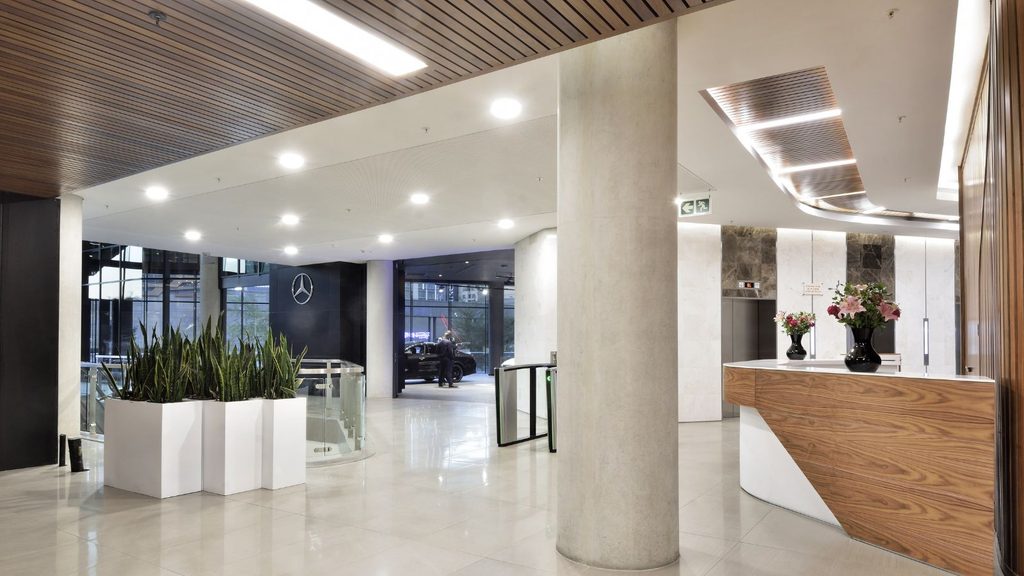
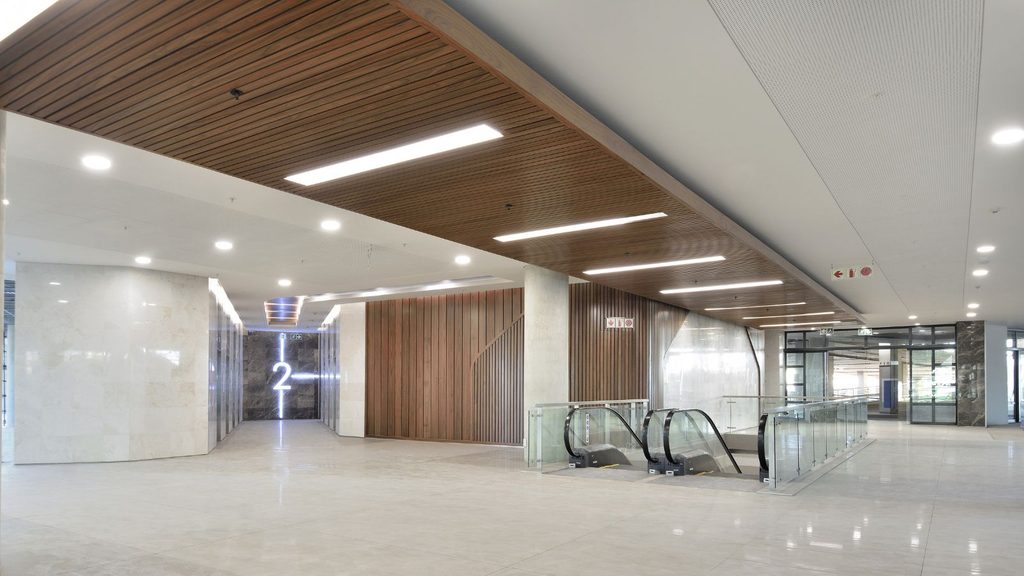
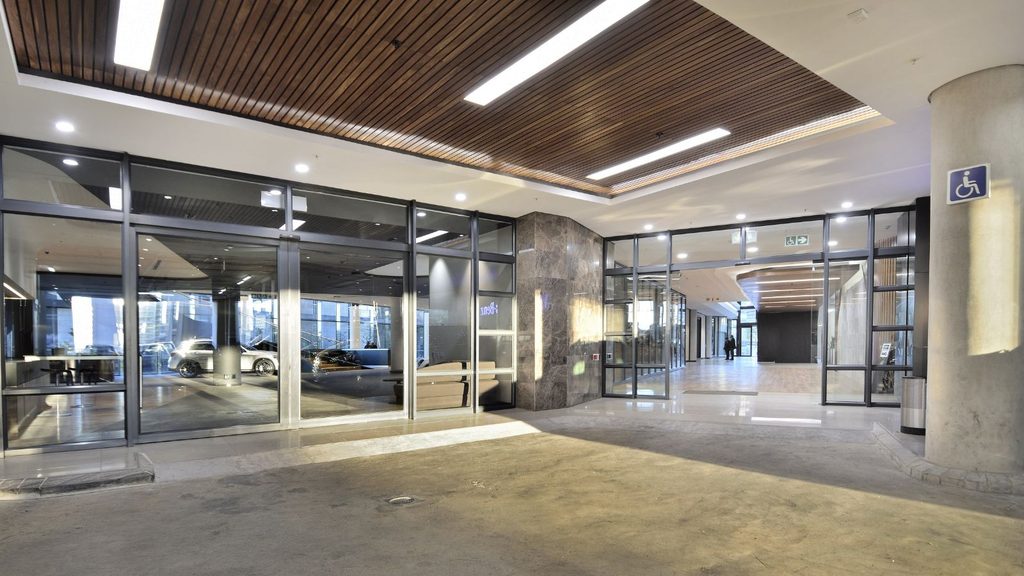
KPMG’s Sandton office
 Loading ...
Comments