The Western Cape has a serious problem


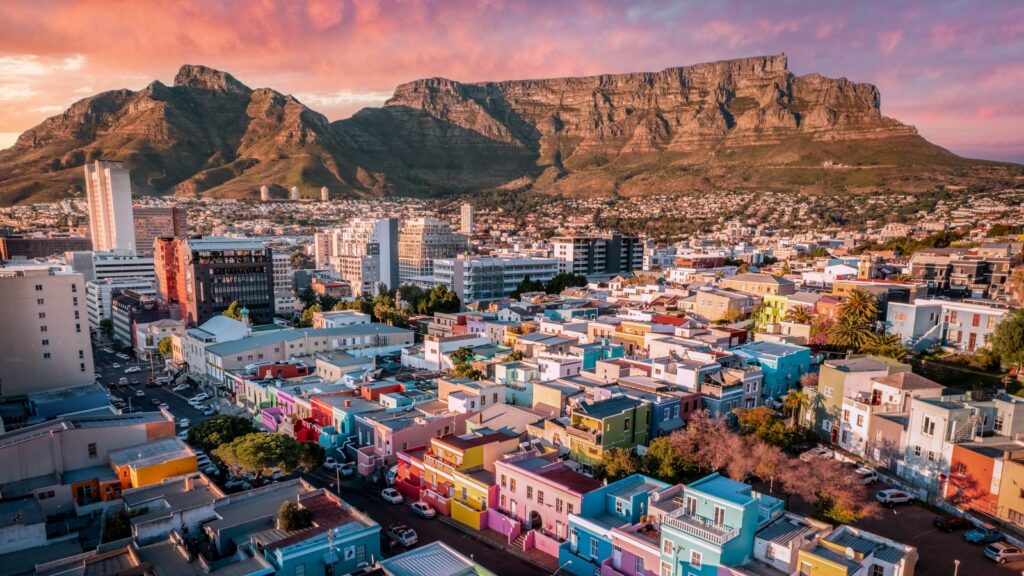
A new housing study carried out by the Western Cape Government has revealed a severe shortage of affordable housing across the province.
According to the Western Cape Provincial Minister of Infrastructure, Tertius Simmers, the government definition for affordable housing encompasses units priced between R600,000 and R900,000.
Simmers said these homes would typically appeal to South Africans earning an “affordable” salary bracket of R22,000 to R28,500 per month.
The latest Western Cape Housing Market Studies report for 2026, however, showed that these homes priced under R900,000 are becoming increasingly scarce.
Simmers, whose department carried out the study, told CapeTalk they intended to determine the level of affordability in each of the Western Cape’s municipalities, as it differs between them.
“That is the normative figure which we have seen,” Simmers said. “We assessed what is, according to the banking system, the salary bandwidth which gains you access to ownership.”
“The national policy sets it at R22,000, and it’s been like that for more than a decade. We have always said we concur with FNB’s independent study, which says it’s actually up to about R28,500.”
Simmers said an entry-level, one-bedroom flat in the Western Cape would cost over R1.2 million, well beyond affordability levels.
While the Western Cape’s high-end luxury property market remains well-supplied, private developers have increasingly become incentivised to build houses above the R900,000 mark.
This leaves many middle-to-lower income earners, which Simmers describes as the “missing middle”, un catered for in terms of housing.
Simmers said this problem has been exacerbated by the limitations of the First Home Finance and Social Housing programmes, both of which are capped at a monthly salary of R22,000.
“The private sector has been driving up the cost of units that they produce,” Simmers said. “Sadly, that does then tip the scales and widens the gap of affordability.”
“The threshold set by the national policy has allowed this gap to widen because it has not been amended or adjusted to keep pace with the private sector.”
Calls to increase affordable salary threshold
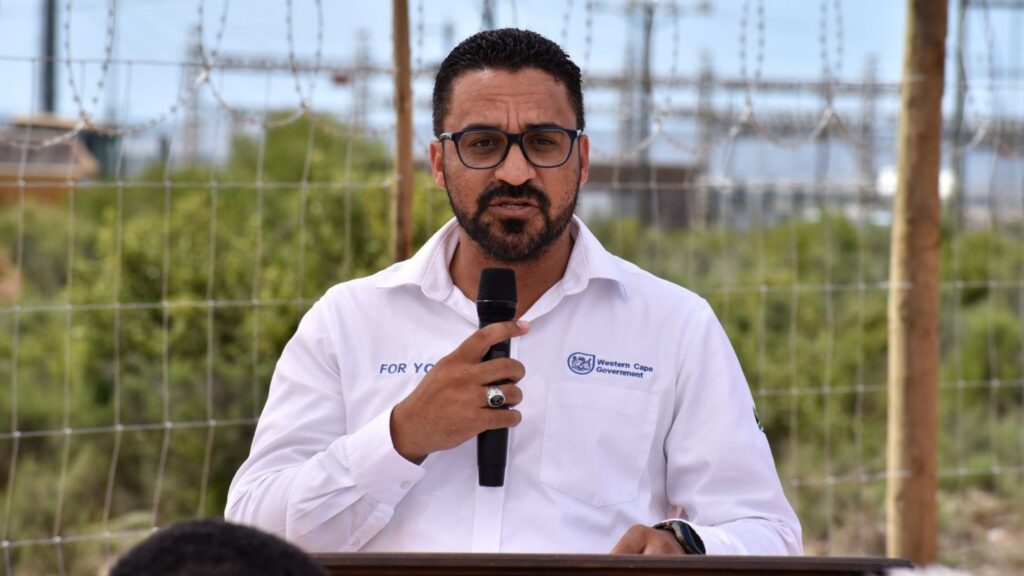
In response to the declining availability of affordable housing, the Western Cape Government has called for an adjustment to the affordable salary bracket.
Simmers called the current threshold unrealistic, and said the provincial government had been campaigning for the past six years to have it increased.
According to independent studies conducted by FNB and the Financial Sector Conduct Authority, a more appropriate salary band would be between R33,000 and R38,000.
This, Simmers explained, would be far more in line with the current inflationary pressures as well as cost-of-living estimates faced by middle-income South Africans.
“We have seen inflation and the cost-of-living rising way beyond normative levels,” Simmers said in an interview with Newzroom Afrika. “The reality is that the threshold needs to be increased.”
“It will unlock, just for the Western Cape, our ability to assist 58,000 people on our waiting list who are actually within that gap market which we have been vigorously fighting for over the last six years.”
This would allow these South Africans easier access to state-assisted housing programmes, making it more viable for them to be able to afford houses.
Simmers said it would also make the affordable housing market more sustainable and attractive to the private-sector.
As private developers are more encouraged to build affordable housing units, this would increase overall housing supply and normalise costs as demand pressures subside.
Cape Town has repeatedly come under fire in recent years as both rental and purchasing costs of housing in the city have become unattainable for many of its residents.
“This is why we are advocating for the threshold to increase, but also why we need to understand the living reality of our housing market,” Simmers said.
“Teachers, nurses, policemen, and state employees who seek first-time ownership are all affected because they are sadly locked out by a policy which caps affordability at R22,000 a month.”



Comments