Buying vs renting in South Africa – the winner is clear


With a monthly housing budget of R15,000, many South Africans may be financially better off buying rather than renting.
As rental costs continue to rise across many parts of South Africa, an increasing number of tenants are reconsidering whether their budgets would be better spent on buying a home, rather than renting.
According to Meridian Realty principal and founder, Antonie Goosen, many South Africans are beginning to recognise the long-term financial and lifestyle advantages of entering the property market sooner rather than later.
“One of the biggest advantages of buying is that your monthly payment contributes toward building long-term equity rather than funding somebody else’s asset,” he said.
“Many renters are realising that property ownership can create both financial stability and long-term wealth creation”.
Goosen said that a R15,000 monthly housing budget can currently unlock a surprisingly wide range of buying opportunities, depending on deposit size, financing structure, and location.
“In many parts of Gauteng, buyers can access modern sectional title apartments, secure townhouses, and lifestyle estate living within this budget range,” he explains.
“Even in selected parts of the Western Cape, buyers may still find opportunities in smaller apartments, newer developments, or emerging growth areas.”
Lifestyle features are also increasingly influencing buyer decisions, with many buyers now prioritising fibre connectivity, secure parking, energy-efficient features, work-from-home flexibility, and estate security.
According to Goosen, convenience and lifestyle quality have become central considerations for the country’s buyers. Overall, he noted that many are shifting their mindset about what a first property should represent.
“Buyers are becoming more comfortable with the idea that their first property may simply be the first step in a longer property journey.”
“Entering the market earlier allows people to begin building equity and potentially benefit from long-term capital growth.”
Buying a home as a way to build long-term wealth

Goosen noted that improved financial awareness among younger buyers is also helping drive the transition from renting to ownership.
“People are researching bond repayments, transfer costs, interest rates, and long-term investment growth far more carefully than before.”
“There is growing understanding that ownership can provide long term financial advantages despite short term market fluctuations.”`
Banks also continue to show a healthy appetite for financing quality first-time buyers with stable financial profiles, helping improve accessibility for many younger households.
“Competitive lending conditions are still creating opportunities for buyers who are financially prepared and realistic about their budgets.”
While renting remains the right solution for some buyers prioritising flexibility, Goosen said many long-term tenants are increasingly motivated by the desire for stability and ownership.
“There is a strong emotional component to home ownership. For many buyers, owning a home represents security, independence, and the ability to build something for the future.”
He added that current market conditions continue to offer meaningful opportunities for buyers prepared to take a long-term view.
“Property remains one of the most powerful long-term wealth-building tools available to ordinary South Africans. Many buyers are recognising that waiting indefinitely may simply delay their ability to start building that future”.
An important consideration in the choice between buying and renting naturally comes down to how much one has to spend.
What South Africans can buy with a R15,000 monthly budget
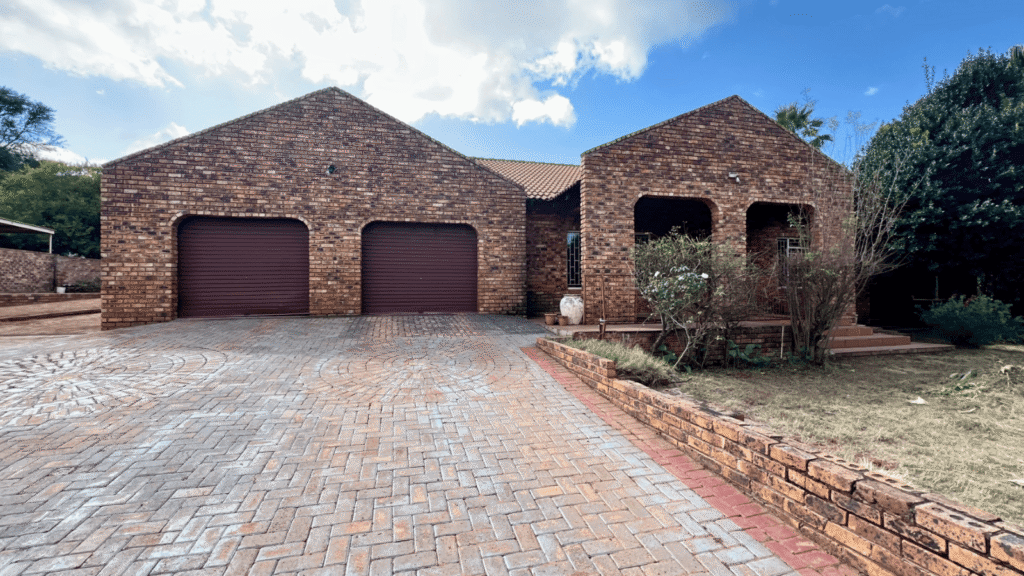
RE/MAX Town and Country’s Local Real Estate Agent in Roodepoort and Krugersdorp, Morné Prinsloo, explained which choice may be preferable with a R15,000 budget.
“Let me give you the honest, current picture for a buyer or renter in the Roodepoort and Krugersdorp market with R15,000 available per month for housing,” he said.
At the current prime lending rate of 10.50%, a monthly bond repayment of R15,000 over 20 years amounts to approximately R1.5 million.
This is the purchase price a fully bonded buyer, meaning someone relying on a 100% home loan, can access with a monthly repayment of R15,000.
However, the bond repayment is not the only monthly cost of ownership. Municipal rates, building insurance, body corporate levies, where applicable, and a provision for maintenance all sit on top of the bond.
Financial advisors consistently recommend keeping total housing costs between 28% and 31% of gross monthly income. Most lending institutions use a similar affordability calculation when assessing bond applications.
A realistic breakdown for a R1.2 million purchase on a 100% bond at 10.50% looks like this. The monthly bond repayment at this level is approximately R11,985.
Add monthly rates of approximately R900 to R1,200, depending on the property and municipality, building insurance of R400 to R600, and a maintenance provision of R1,000 per month.
Then, the total monthly housing costs sit comfortably within R14,500 to R15,000. This is a workable structure at R15,000 per month.
At R1.2 million in the West Rand, according to current Property24 listings, a buyer is accessing two-bedroom townhouses in well-maintained complexes in Wilgeheuwel and Roodekrans.
In Krugersdorp West and Noordheuwel, buyers can get three-bedroom homes and entry-level freehold properties in established suburbs with good access to the N14. These are genuine homes, not compromise positions.
What South Africans can get with a R15,000 per month rental
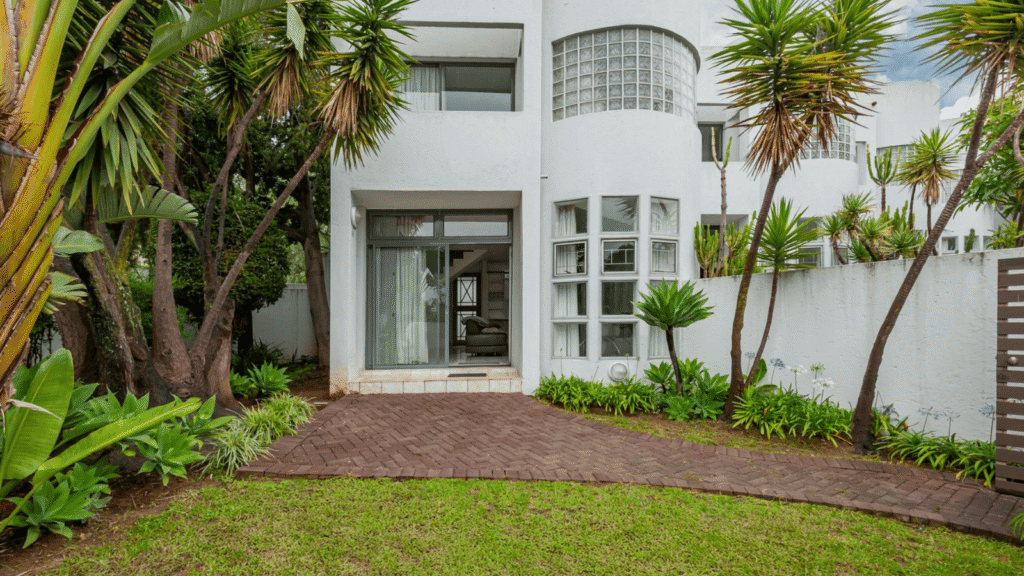
In Roodepoort and Krugersdorp, R15,000 per month in rent secures a tenant a well-presented two- or three-bedroom apartment or townhouse in a secure complex, or a neat freestanding home in an established suburb.
These are comfortable rental options at a standard of living broadly comparable to what a buyer can own for R1.2 million.
The difference is that R15,000 per month in rent builds zero equity. At the end of the year, the tenant has spent R180,000 with nothing to show for it in terms of assets.
The homeowner has made the same monthly payment, but a portion of every payment reduces the outstanding bond, and the property may have appreciated in value over the same period.
However, the 29 May 2026 rate increase must also be taken into account. On a R1.5 million bond, the 25-basis-point hike costs approximately R335 more per month than at the previous rate.
On a R1 million bond, it costs approximately R168 more per month. These are real numbers that require real budgeting.
But the correct comparison is not the cost of buying today versus the cost of buying six months ago. The correct comparison is the cost of buying today versus the cost of continuing to rent today.
Rental prices do not decrease when rates go up. They typically track inflation and, in some cases, increase faster.
The tenant who decides to wait for rates to fall before buying continues to pay the market rent in the meantime. At 10.50%, the prime rate is still meaningfully below the cycle peak of 11.75% reached in 2024.





Comments