R496 per month price pain for homeowners in South Africa


Following the SARB’s latest interest rate hike, South African homeowners with mortgage bonds between R1 million and R3 million will pay between R165 and R496 more per month.
On Thursday, 28 May, the South African Reserve Bank’s Monetary Policy Committee met to discuss South Africa’s monetary policy trajectory and voted to increase the country’s interest rates by 25 basis points.
This resulted in the Reserve Bank’s policy rate, also known as the repo rate, increasing to 7%, with the prime lending rate now at 10.50%.
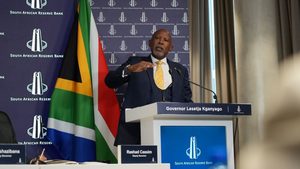
“The committee agreed that inflation risks had intensified, and that the challenge of large and overlapping shocks would likely trigger second-round effects, requiring a monetary policy response,” said Reserve Bank Governor Lesetja Kganyago.
“Our decision was aimed at managing risks and ensuring that inflation returns to target.”
While this is not the outcome the property market had hoped for, Seeff Property Group chairman Samuel Seeff said the increase will hopefully prove temporary.
The rate adjustment has come as a measured response by the SARB to help anchor inflation. It will, however, have a knock-on effect on home loan and other debt repayments.
South Africans with home loans of between R1 million and R3 million will now pay around R165 to R496 more per month.
This rate hike again highlights that the property market has always moved through cycles, and that interest rate fluctuations underscore the need to factor in possible rate hikes, Seeff said.
Following this increase, homeowners with mortgage bonds and prospective buyers will need to adjust their budgets.
However, Seeff said, despite the rate hike, the prime rate of 10.50% is still at its lowest level in two years, and homeownership remains relatively accessible. The market continues to offer worthwhile opportunities across the board.
What buyers, sellers, and landlords should be doing now

For buyers, property remains more affordable compared to two years ago, especially in areas where price growth has been low over the last three years.
Buyers are also still benefiting from a favourable home loan environment with high approval rates and lower deposit requirements – down to 12.8% from 15.4%, according to ooba. Qualifying buyers can also still secure rate concessions.
Buyers who need to adjust their buying criteria could consider lowering their target price range slightly to create a financial buffer.
Securing pre-qualification before starting the property search will provide a more accurate picture of purchasing power at the 10.50% prime rate, Seeff said. A larger cash deposit can also help offset higher monthly repayments.
For sellers, he explained that a market shift usually means accurate pricing becomes even more important. This means that sellers should align asking prices with realistic market values rather than speculative expectations.
In most areas, well-priced properties are selling faster as they continue attracting qualified buyers who are ready to act. This shows that drawing these buyers early reduces the time on the market and the risk of later price reductions.
Rental demand also tends to strengthen during rate-hike cycles as some would-be buyers delay their purchases.
Landlords need to balance higher bond repayments with tenant retention. Keeping rental increases market-related supports stable, long-term income.
Prospective tenants, meanwhile, may need to adjust their budgets slightly in anticipation of possible rent increases and should always prioritise maintaining a good credit record.
 Loading ...




Comments