Gupta-linked mine being revived with a R3 billion investment


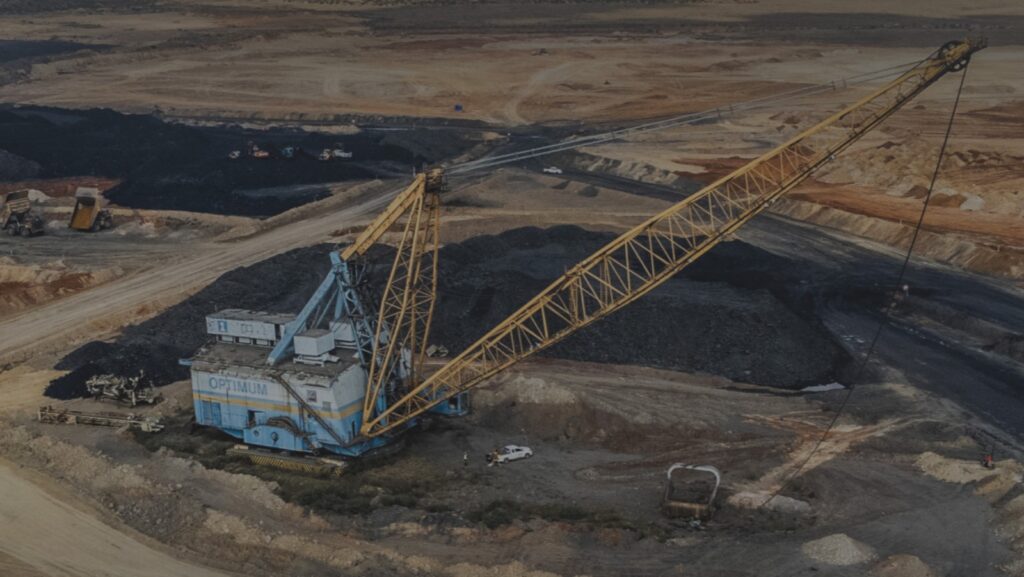
The embattled Optimum colliery, which once belonged to the Gupta family, is being brought back to operations after successfully exiting business rescue two years ago.
Optimum was first established in 1970 to supply coal to Eskom’s Hendrina power station, located less than 5 kilometres from Optimum’s mining offices near Pullens Hope in Mpumalanga.
Liberty Coal acquired the colliery in February 2024, and has since invested more than R3 billion in an attempt to get it back on its feet after years of deterioration.
This includes a new dragline excavator at its Kwagga mining facility, which is reported to have cost Liberty Coal R460 million alone.
In an interview with Mining Weekly, Liberty Coal CEO Peter Nordin said a further R200 million was being spent to revitalise Optimum’s heavy dense media separation (HMS) plant.
“We’re expecting from September to produce about 450,000 tonnes a month out of the HMS plant, which will cover the majority of our export allocation,” Nordin said.
“Phase 2 and 3 will increase the facility to between 700,000 and 800,000 tonnes per month being processed at the mine.”
Liberty currently exports between 400,000 and 500,000 tonnes of coal per month to various global markets, including India, Japan and Singapore.
According to Nordin, the ultimate goal of the revitalisation is for the Optimum colliery to reach monthly production levels of between 1.5 million and 2 million tonnes.
This, he said, would allow the company to also supply the local market, eventually selling between 800,000 and 1.2 million tonnes of coal every single month.
This includes the potential for a future contract to once again supply Eskom with the coal it needs for the nearby Hendrina power station.
It is estimated that more than 500 jobs will be created at Optimum before the end of 2026, bringing the total number of people employed across the mining complex to 2,000.
The mine’s ties to the Gupta family
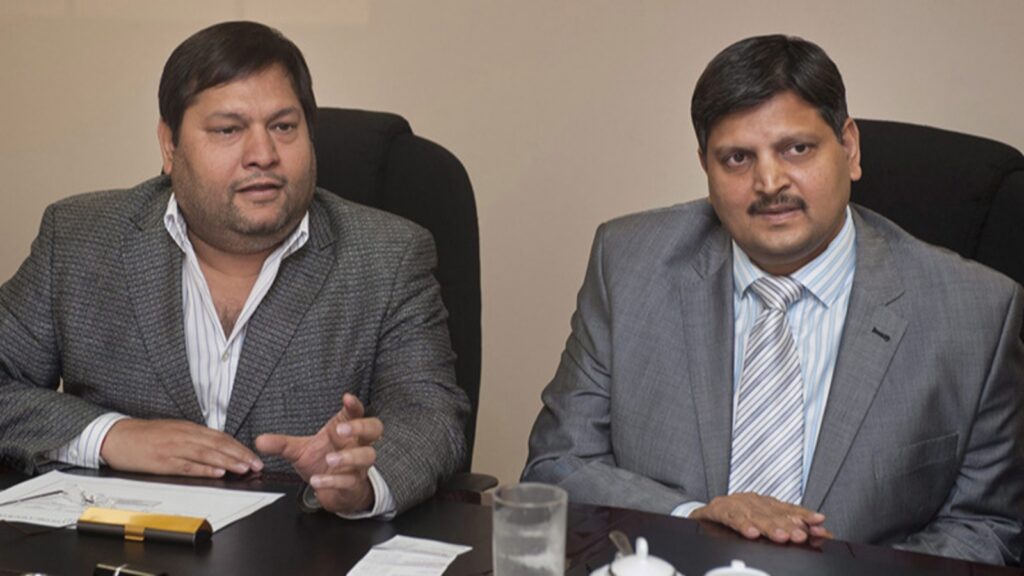
Optimum’s recovery comes after years of decline stemming from its former ownership by the Gupta family and its subsequent links to South Africa’s state capture era.
The colliery was initially acquired by Anglo-Swiss mining company Glencore in 2011, but within three years had found itself losing between R80 to R100 million a month.
This was because Optimum’s rising production costs had begun to significantly outpace the fixed selling price of its coal, prompting the company to approach Eskom to amend its contract.
While the two parties negotiated a mutually beneficial contract amendment, Eskom CEO Brian Molefe abruptly terminated the agreement just weeks after his appointment in May 2015.
Molefe told Optimum CEO Clinton Ephron that it would strictly enforce the terms of the original contract, a move which Ephron boiled down to financial squeezing of the colliery.
“We had been down a long period of negotiation with Eskom,” Ephron said in 2019. “We had got to the point where we felt we had reached some sort of conclusion, only to be stonewalled.”
After Eskom issued a letter demanding Optimum pay over R2 billion in penalties, the company was forced to enter into voluntary business rescue.
This opened the door for the Gupta family to set about acquiring the mine, with their investment company Oakbay making multiple offers to buy Optimum in 2015.
While Optimum initially resisted, government mining inspectors issued the company with multiple Section 54 notices, and by November it was in danger of being liquidated.
Following this, the at-the-time Mineral Resources Minister Mosebenzi Zwane flew to Zurich to meet with Glencore CEO, South African businessman Ivan Glasenberg.
At a meeting which included Glasenberg and Ephron, as well as Tony Gupta and Gupta business associate Salim Essa, Zwane convinced Glasenberg to sell Optimum to the Guptas.
Glencore agreed to sell Optimum Coal Holdings to the Gupta-owned Tegeta Exploration and Resources for R2.15 billion, officially bringing it out of business rescue.
As a result of the acquisition, revenue generated by the mine began to be diverted to other holding companies to further the Gupta family’s state capture agenda.
Major commercial banks soon severed ties with Optimum over these suspicious transactions, leaving the company without a way to pay its employees or finance its operations.
As a result, Optimum was forced to once again enter business rescue in February 2018, a process which the company was only able to successfully exit six years later.


Comments