Tiny South African town where a hidden mining giant turns mine dumps into gold


What began with the processing of tailings at mine dumps in the small town of Barberton in 2007 has created a global mining giant worth over R50 billion on the JSE.
The forgotten miner, Pan African Resources, was initially launched as a mineral exploration vehicle in 2000 and hoped to benefit from the opening up of South Africa’s economy.
At this time, gold mining was undergoing somewhat of a renaissance in South Africa as the democratic elections in 1994 saw money flood into the country in the hopes of a second rush.
However, much of the mineral was already mined out, with the country’s gold fields on the Witwatersrand being some of the most productive in history.
The gold mines that were left operating, some of which, until the present day, are among the most expensive and complex to run in the world.
These mines are often listed among the deepest in the world and are only made economically viable by a high gold price, and are not as profitable as their peers in Ghana, Russia, and China.
As such, Pan African did not have much of a chance of becoming the next gold mining titan in South Africa, with its management team desperately looking for a strategic pivot.
This would come in the form of the Barberton mining complex in the tiny town close to the Eswatini border, which was once one of the largest gold-producing areas in South Africa.
Pan African found a town dominated by mine dumps and assets that larger mining houses were no longer interested in investing in, as they thought the resource was mined out.
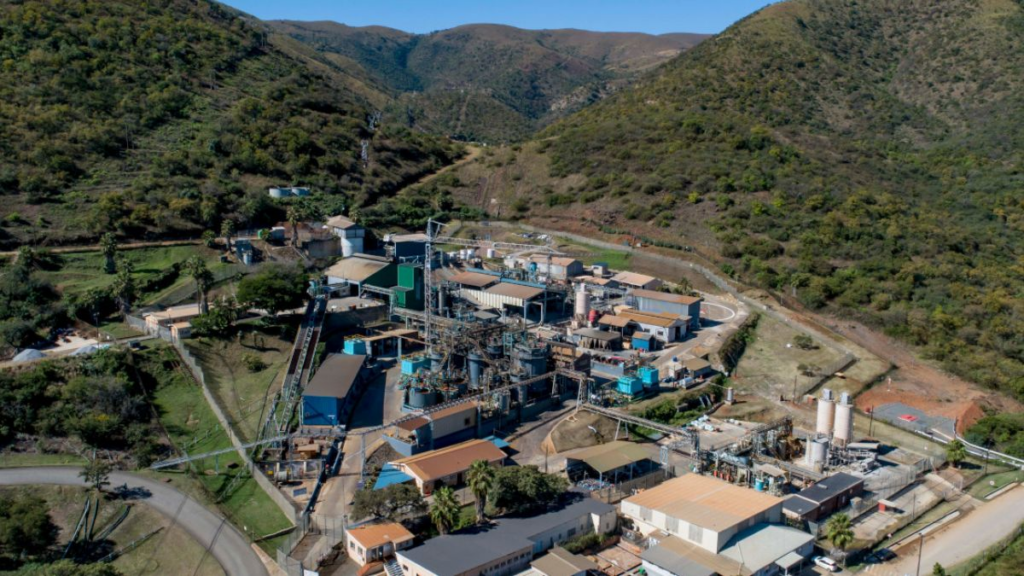
The company saw an opportunity here and snapped up Barberton Mines, which held three of the oldest mines in South Africa that used to produce some of the highest-grade gold in the world.
These mines, first established in the 1880s, were the perfect place for Pan African to test its tailings processing technology.
Tailings are waste stockpiles generated by mines, which are typically used to rehabilitate land or left in “dumps” as they were across the Witwatersrand.
The dumps in Barberton contained significant amounts of low-grade gold left behind by inefficient recovery methods used throughout the 20th century.
Advances in technology enabled Pan African to extract this gold extremely efficiently, with it being highly mechanised in comparison to gold mining.
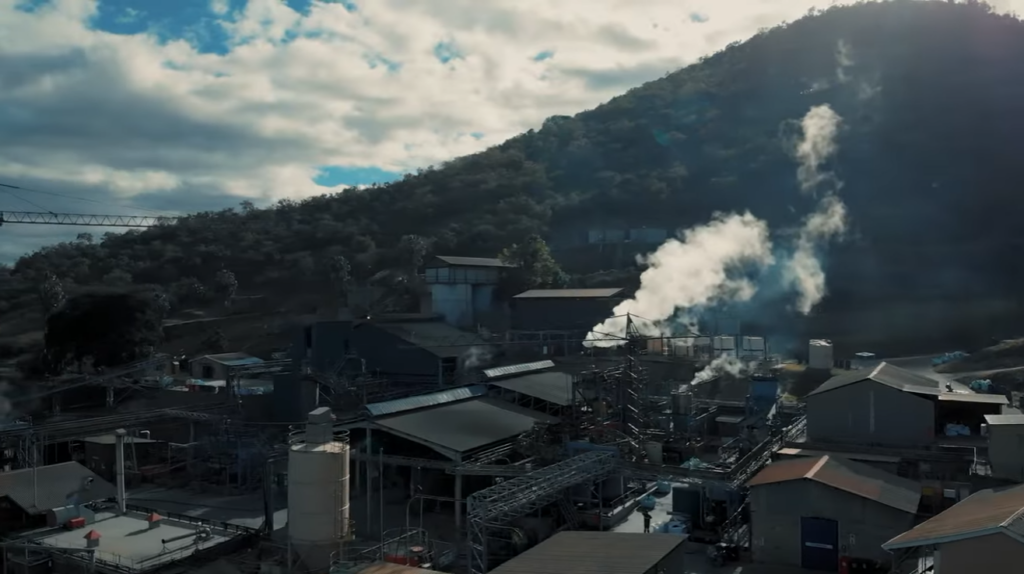
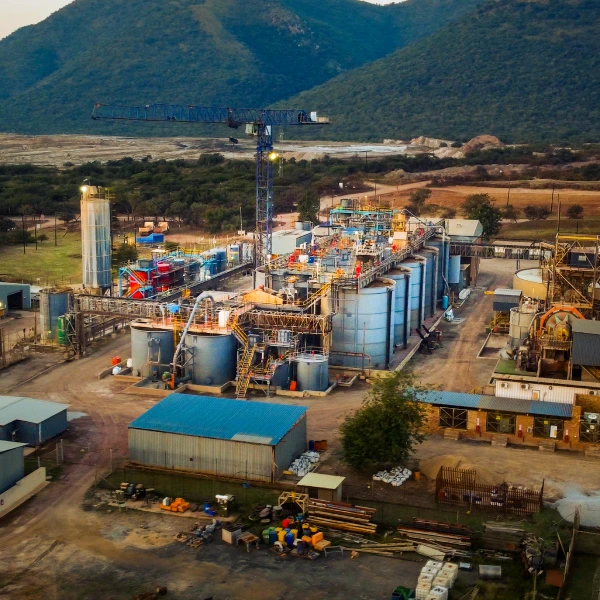
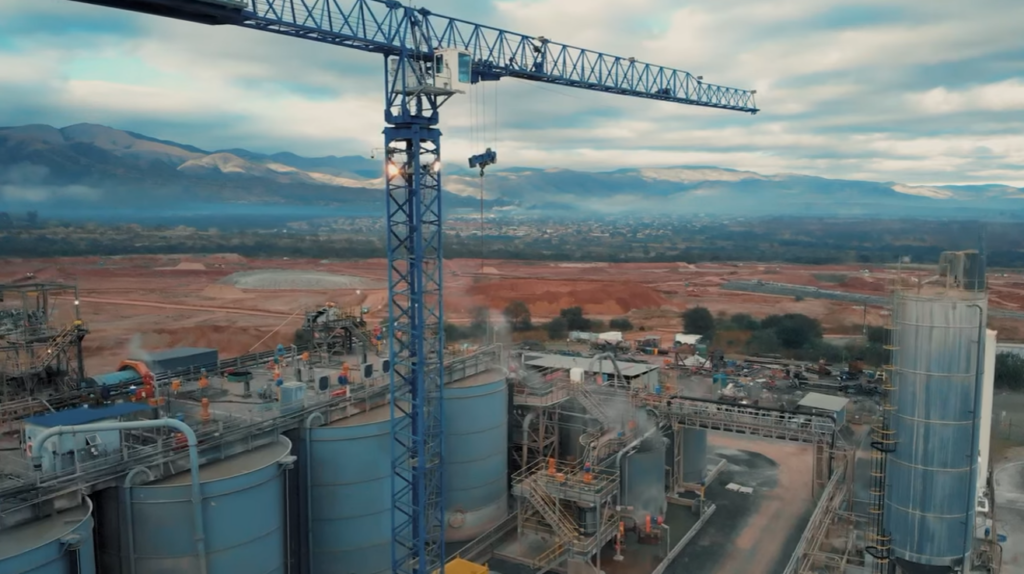
The Barberton operation produces around 20,000 ounces of gold annually, with this forming the basis of the company’s expansion to become one of the most efficient producers of the precious metal in the world.
Pan African mimicked its success in Barberton in Evander in 2018, with this complex producing 50,000 ounces per year. It has coupled this with the Mogale tailings dump and is now expanding to Australia.
The company now produces more gold via tailings than it does from traditional underground mining. With elevated gold prices, the company’s profit has skyrocketed to over R7 billion from less than R1 billion a decade ago.
Investors have rewarded the company’s operational success, with it reaching a value of £2.8 billion (R63.4 billion) on the London Stock Exchange. It has a secondary listing on the JSE.
The small town with two gold rushes
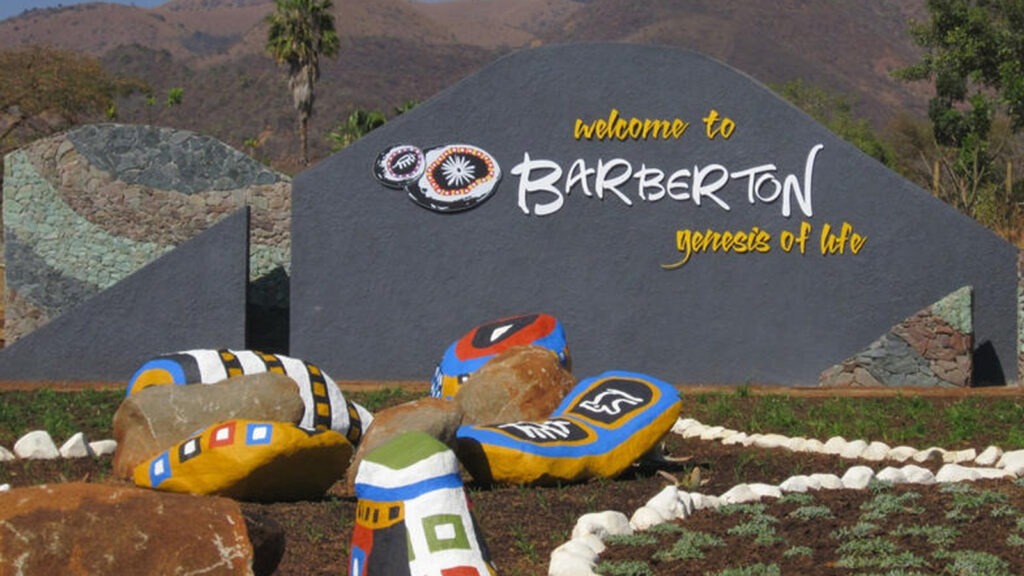
The small town of Barberton has its origins in the historical gold rush that brought South Africa much of its present-day wealth and attracted millions of people to its shores.
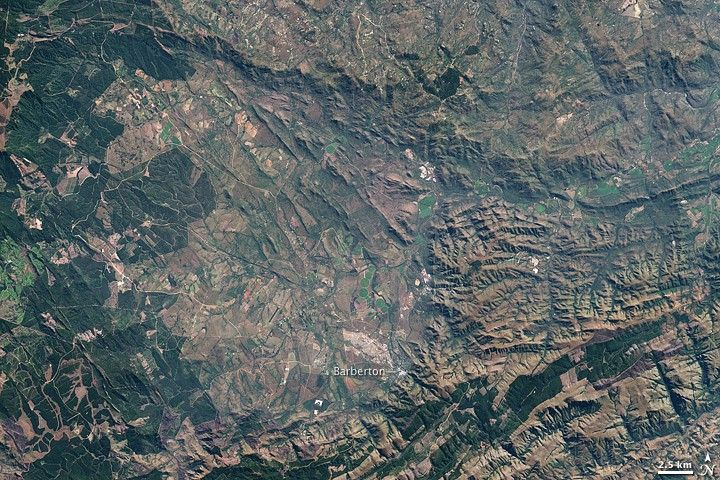
Located in the east of Mpumalanga, the town came to prominence in the 1880s gold rush in the region, with it formerly including the appropriately-named Eureka Town.
This town now lies abandoned near Barberton, while the larger town survives to this day, thanks to its higher-grade gold mines that produced close to 100,000 ounces of gold a year until the late 2000s.
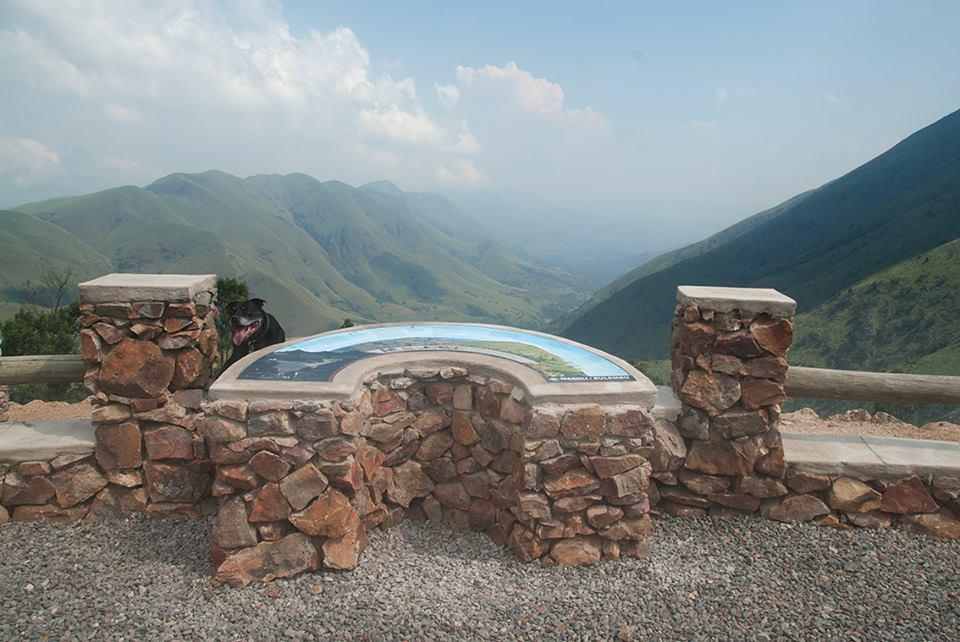
Barberton is not only famous for its gold mines, with the town being situated in the De Kaap Valley and surrounded by the Makhonjwa Mountains.
These mountains are a UNESCO World Heritage Site and are amongst the oldest in the world, with evidence pointing to some parts dating back 3.5 billion years.
In 1881, Tom McLachlan discovered alluvial gold in the Barberton area. However, the gold rush was not immediate, as it was in Johannesburg, with the town being rife with malaria.
No one risked joining McLachlan’s efforts to mine gold until 1883 when more cold was found in Concession Creek by Auguste Roberts.
Barberton would acquire its name when Graham Barber wrote to the State Secretary in 1884, informing the government that he had discovered payable gold on state land.
After an investigation by the Magistrate in Lydenburg, the township of Barberton was created and began growing rapidly.
At first, Barberton was a shanty town akin to young Johannesburg, with it resembling a camp more than an established city.
With the formation of the Sheba Reef Gold Mining Company to mine gold on a larger scale in the area, money began to flow into Barberton.
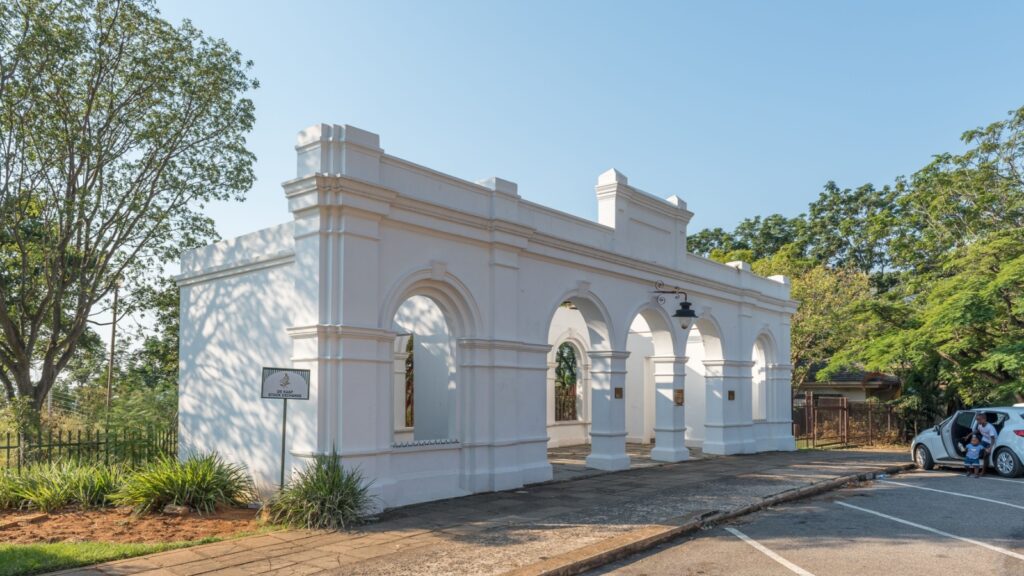
The first stock exchange in the Transvaal opened its doors in the town, bringing investors and speculators to the Lowveld.
Gold mining in Barberton flourished for only a brief period, and soon the inhabitants began to move away to the newly discovered gold fields on the Witwatersrand Reef.
Now the town’s days of gold mining booms are well behind it, with Pan African being the last major gold miner operating in the area.
Barberton is also home to the Songimvelo Game Reserve, which is the largest of its kind in Mpumalanga. It extends over 500 square kilometres.
The town is also famous for being the home of Sir Percy FitzPatrick who wrote Jock of the Bushveld and being the location of one of the forty concentration camps built by the British in the Second Boer War.
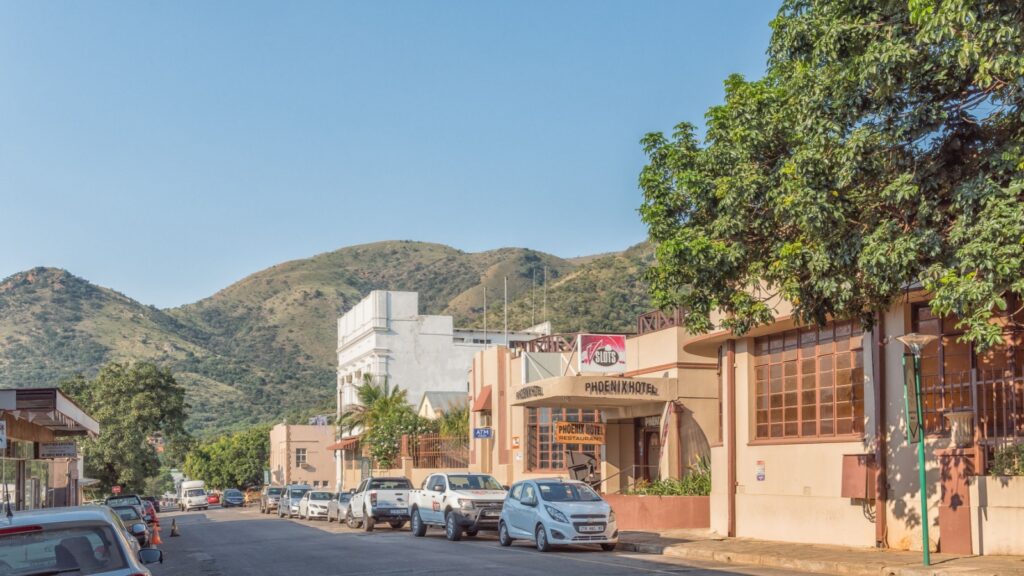
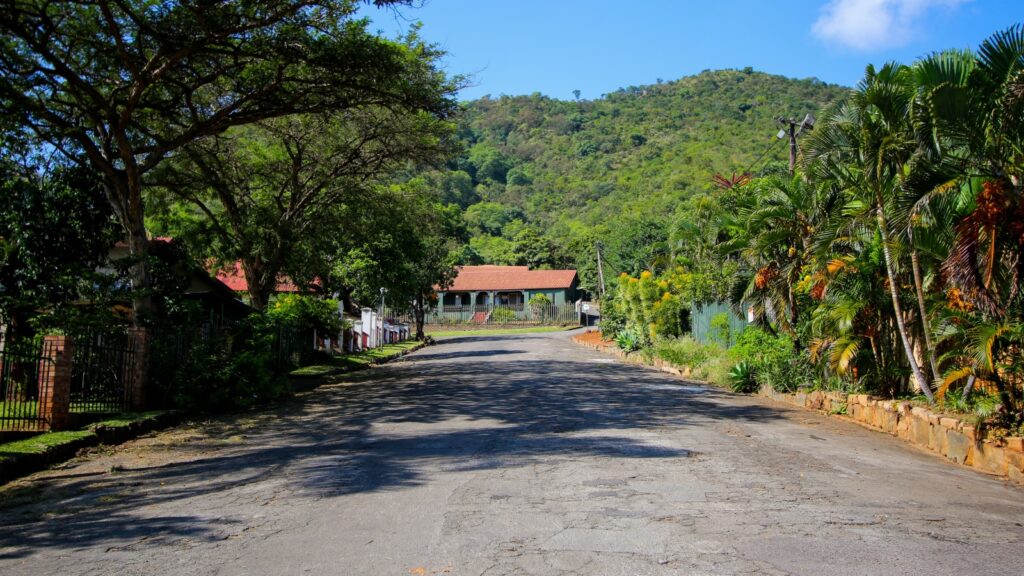
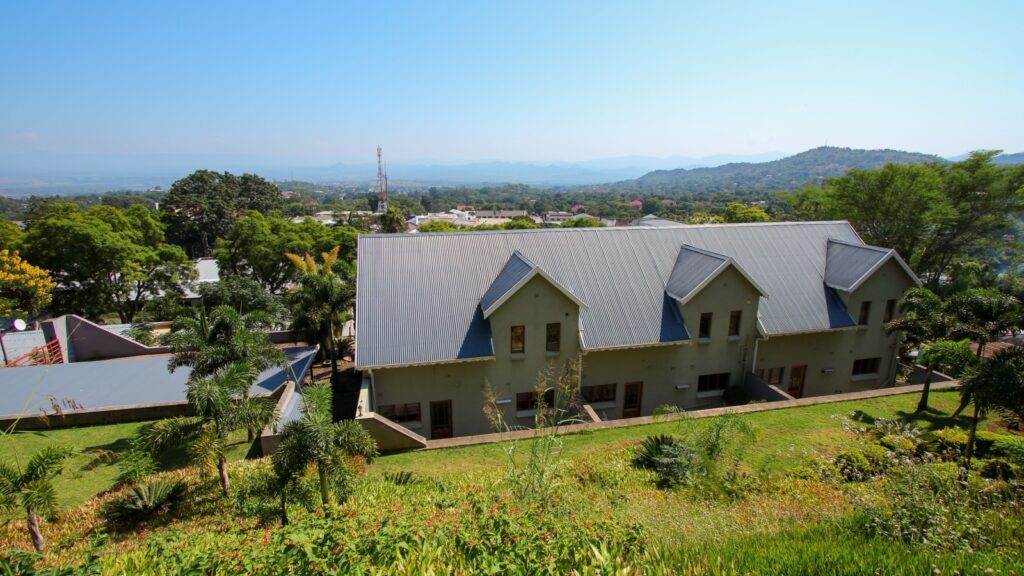
Images of Barberton






Comments