South Africa’s richest woman gets her way


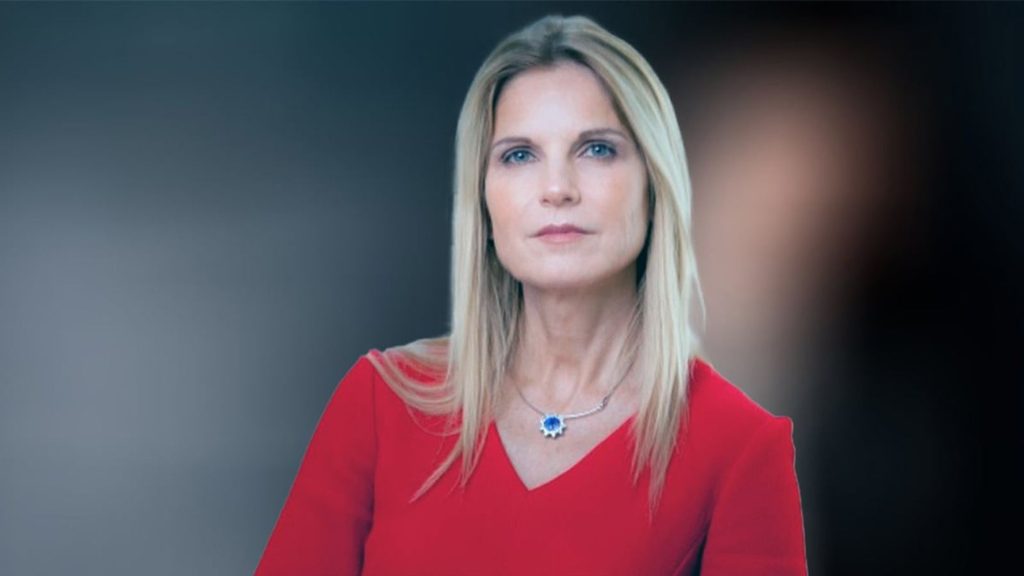
Sygnia shareholders have approved the third amendment to the Sygnia Employee Share Option Scheme “B”, enabling its board to issue 10 million more shares to eligible executives.
This will bring the size of the employee scheme from 15 million shares to 25 million, with 6,999,500 already being issued.
Sygnia and its CEO, Magda Wierzycka, have said the expansion is necessary to attract and retain top talent.
Some shareholders, notably her former business partner Andre Crawford-Brunt, opposed the deal strongly and described it as an enrichment scheme for Wierzycka and current executives.
They said the amendment would come at the expense of the best interests of minority shareholders.
Much concern also came from changes that would allow the board to issue up to 5 million shares to an eligible employee without any specific performance conditions.
The strike price for the shares was also changed to 1 cent, making the rewards effectively a direct transfer rather than employees having to buy them.
Despite this opposition, the amendment received support from 86.99% of shareholders at a vote on Friday, 23 October, meeting the 75% threshold for it to come into effect.
It appears that Wierzycka got her way and was supported by large institutional shareholders, as well as many smaller investors.
Wierzycka herself holds 43% of Sygnia directly and indirectly through a trust. Her former husband, Simon Peile, owns 17% of the company.
This shareholding makes up much of Wierzycka’s wealth, which is estimated to be $250 million (R4.1 billion). This makes her the richest self-made woman in Africa.
Wierzycka founded Sygnia in 2006 after leading a management buyout of the Africa Harvest Group. At the time, it had R2 billion in assets under management.
Sygnia has transformed under Wierzycka’s leadership into a giant, with R460.8 billion in assets under management as of its latest financial results.
Wierzycka said the amendment to the employee scheme is vital for Sygnia to continue its strong growth in assets under management and revenue of 12% per annum for the past decade.
“Our objective is to really try and reward them for what they have built and retain them at the company,” Wierzycka said.
As an example of why the changes are necessary, Wierzycka outlined the company’s current search for a new CFO.
“We have been looking for a CFO for the better part of six months. You look at the share option scheme which we have to buy them out from, and we are looking at R10 million before we can even hire somebody,” Wierzycka said.
“The current scheme cannot support that. It really is a commercial decision, and there should be nothing controversial about it.”
A more serious case would arise if something happened to Wierzycka and she had to step down as CEO.
Under the current scheme, Wierzycka said Sygnia would be unable to attract a high-calibre replacement or incentivise one without impacting the company’s finances.
“We’ve never had a share option scheme, you know, in terms of structure for a CEO,” she said.
“So, let’s assume I get run over by a bus tomorrow. We don’t have a share option scheme that would attract or reward a new CEO.”
Sygnia’s CEO dismissed claims of greed, saying that 57% of her time is technically spent working for other shareholders.





Conversation
2 commentsExecutive / management remuneration needs to be looked at in general. They are paid decent salaries and then large bonuses as well. It appears that shareholders take the risk and management the profit.