Tax blow for South Africans


Unchanged tax brackets for the 2025/26 financial year mean South Africans – especially lower and middle earners – will feel the squeeze from bracket creep, effectively paying more tax without official rate hikes.
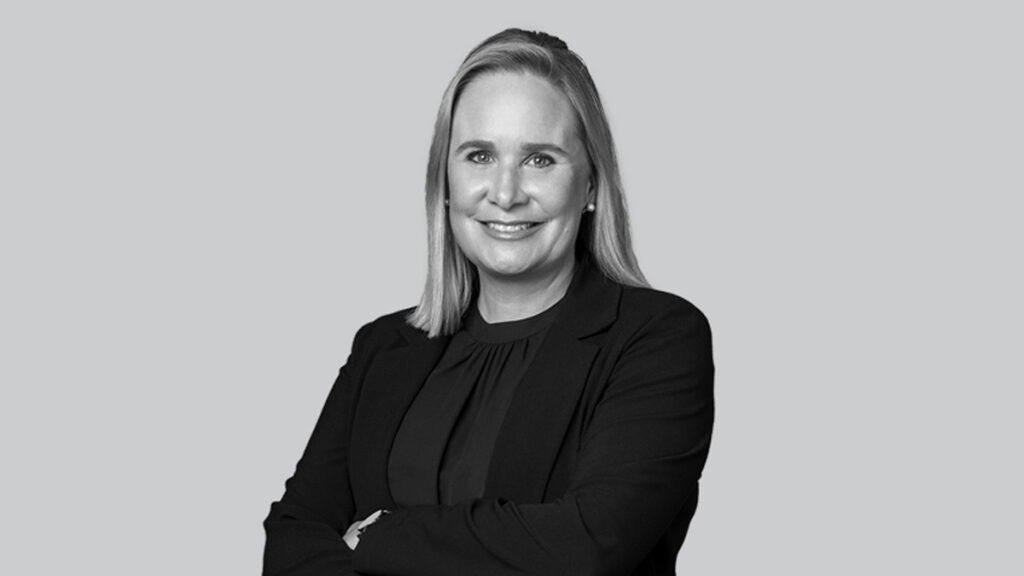
The head of the tax team at Allan Gray, Carla Rossouw, recently explained that even South Africans whose salaries increased this year will have less spending power than they did last year.
This, Rossouw said, is because the National Treasury did not adjust personal income tax brackets and rebates for inflation for the second year in a row, “effectively handing South Africans a stealth tax in this year’s Budget”.
“It will be felt in the take-home pay of salaried workers, particularly those in the lower to middle-income bracket,” Rossouw warned.
“The decision to leave personal income tax brackets and rebates the same in the 2025/26 tax year is a blow to taxpayers, squeezing lower to middle-income earners further.”
“This lack of adjustment fuels bracket creep, also known as fiscal drag – a phenomenon where inflation-driven salary increases push earners into higher tax brackets, effectively raising their tax burden without an official rate hike.”
This puts increasing pressure on South Africans, who are already overburdened by tax and economic pressures.
This pressure is evident by the fact that nearly 20 million South Africans hold around 51 million loans with a total outstanding balance of R2.5 trillion.
Another metric pointing to the strain South Africans are facing is the two-pot retirement system, with R43 billion in withdrawals having been paid out to retirement fund members since its launch in September 2024.
Rossouw explained that, in the postponed February Budget, the National Treasury had proposed partial relief by adjusting lower tax brackets and rebates in line with inflation.
“This was intended to offset the impact of the two-percentage-point VAT hike. However, in 2025/26, no such relief has been offered, meaning lower and middle-income earners will bear a heavier tax load,” she explained.
“Instead, a 0.5-percentage-point VAT increase over two years was proposed by Finance Minister Enoch Godongwana in his March Budget Speech, raising VAT to 16% by April next year. This was approved by a small majority in April 2025.”
Less spending power
“Without inflationary adjustments, taxpayers may find themselves earning more but proportionately taking home less, as a greater portion of their increased income is swallowed by tax,” Rossouw explained.
“It has become a quiet lever used to increase revenue without officially raising tax rates. Indeed, many may feel that their salary increases are not really helping them pay the bills.”
To illustrate the effect of bracket creep, Rossouw used an example of a South African earning an annual taxable income of R510,000 in 2024/2025.
That person would pay R103,372 in taxes, leaving them with a take-home pay of R406,628.
However, if they received a 5% increase this year, upping their salary to R535,500, they would have to pay R112,412 in taxes.
As a result, their income after tax would be R423,088.
This means that, despite their income growing by 5%, in real terms, they would only be making 4.05% after tax.
Therefore, their monthly purchasing power actually decreases, and they will be able to buy less with their after-tax income than they are currently able to buy.
The problem is exacerbated by the fact that the rebates – primary, secondary, and tertiary – are also not adjusted for inflation.
In this environment, Rossouw recommended that South Africans consider adjusting their financial plans and ensure they maximise their tax-efficient investments.
“By contributing more to your retirement fund, for example, you can reduce your taxable income while growing your wealth, while tax-free investment accounts allow you to benefit from tax savings on your investment return,” she said.
“Another way to beat bracket creep is to strategically negotiate a salary increase that outpaces inflation and bracket creep.”
Other options are to diversify your income streams by considering a side hustle or reducing unnecessary expenses.
“Finally, consider working with an independent financial adviser to ensure your financial plan isn’t derailed. Your IFA can devise tailored tax and investment strategies which can help mitigate bracket creep’s impact over time,” she said.





Comments