South Africa’s rand flirting with its worst level in 2026


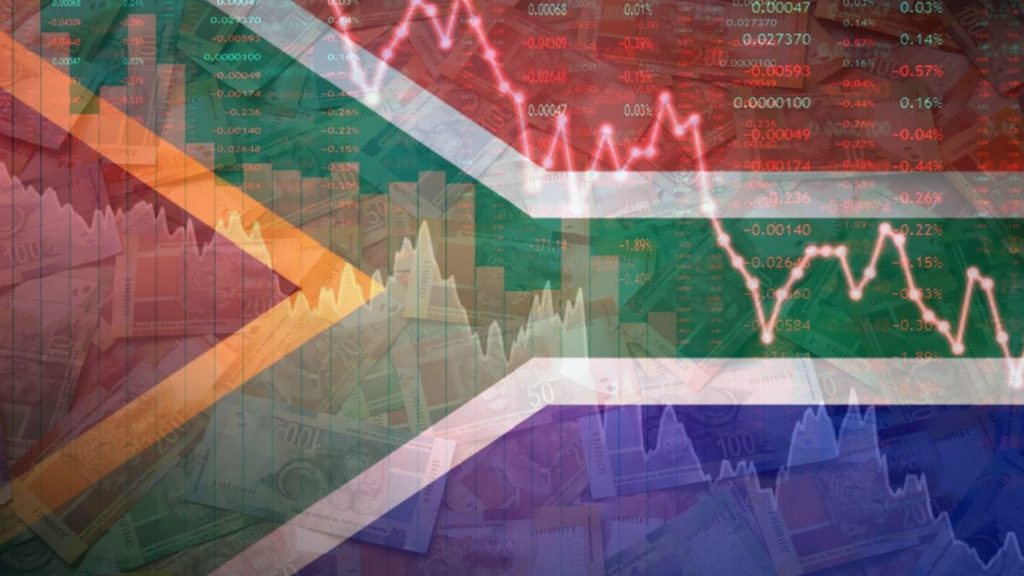
The rand has weakened to near R17 against the US dollar, depressed by lower precious-metal prices, rising expectations of a US interest rate hike, and a stronger greenback.
These factors have compounded against the rand, which was trading at R16.97/USD at market close on Monday, 16 November.
The rand’s worst level against the US dollar so far this year came in March 2026, when it hit R17.19.
Investec chief economist Annabel Bishop explained that these factors are interlinked, with one feeding into the other.
Increased expectations of another Federal Reserve interest rate hike have caused precious metals prices to fall.
Both of these factors negatively impact South Africa’s rand, which is typically supported by stronger commodity prices.
In addition, another interest rate hike in the United States would narrow the interest rate differential between the US and South Africa, further depressing the rand.
On top of this, US inflation concerns are intensifying, adding to expectations of another rate hike and, in turn, causing the dollar to strengthen.
A stronger greenback puts pressure on the rand, leading to further weakness for South Africa’s currency.
Domestic goings-on have not helped either, with Bishop pointing to the fallout of South Africa’s local government elections on 4 November as a contributing factor to rand weakness.
The fallout largely refers to indications that the ANC and Action SA have lost some of their appetite for local government coalitions with the DA.
Since the DA is considered business-friendly and given the ANC’s track record in service delivery, these developments have led to negative market sentiment toward South Africa and, therefore, the rand.
“Investor confidence has fallen as little service delivery change is perceived on ANC coalitions excluding the DA, weakening business confidence in turn,” Bishop explained.
However, she added that Finance Minister Enoch Godongwana is making inroads on planned improvements for municipal finances.
Godongwana has assured South Africans that, regardless of the coalition outcome, “there’s going to be stable local government”.
“However, investors are also concerned over the poor conditions for doing business in various municipalities,” she said.
In particular, investors are concerned about water supply interruptions and restrictions despite full dams, severe potholes, heavy red tape, and low bureaucratic productivity, she said.
The Reserve Bank’s big decision
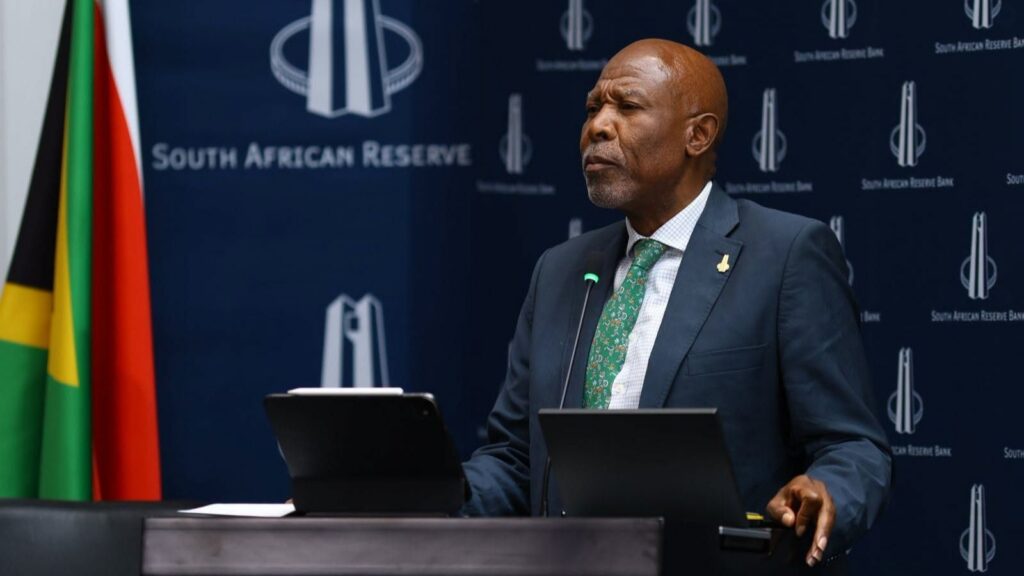
With expectations now rising for another interest rate hike from the Federal Reserve, all eyes are on the South African Reserve Bank’s (SARB) upcoming meeting.
The SARB’s Monetary Policy Committee (MPC) meets again this week and will announce any changes to interest rates on Thursday, 19 November.
Bishop explained that the Federal Reserve delayed rate hikes earlier in the year and now has to play catch-up.
In the United States’ case, tighter policy may be necessary to balance the outlook and risks for inflation and employment.
However, unlike the Federal Reserve, the SARB has been quick to raise rates in the current inflationary cycle.
The MPC announced South Africa’s first interest rate hike of 2026 in May, roughly three months after the US-Iran war started.
Since then, the MPC has hiked rates once more, in September, bringing the repo rate to 7.25%, up from 6.75% in January.
“Inflation has proved contained, without evidence necessarily of second-round effects and weak demand, but rand weakness in itself proves inflationary,” Bishop said.
“Financial markets see only one more hike in South Africa’s interest rate trajectory in comparison to the Fed’s three.”
This, she explained, has caused the rand to weaken as the differential between South African and United States interest rates would narrow.
Bishop said that, while financial markets may be overpricing US interest rate increases, the rand has been negatively affected by the hawkishness.
Login or register for unlimited free access.