The exceptional South African state-owned company which collapsed in plain sight


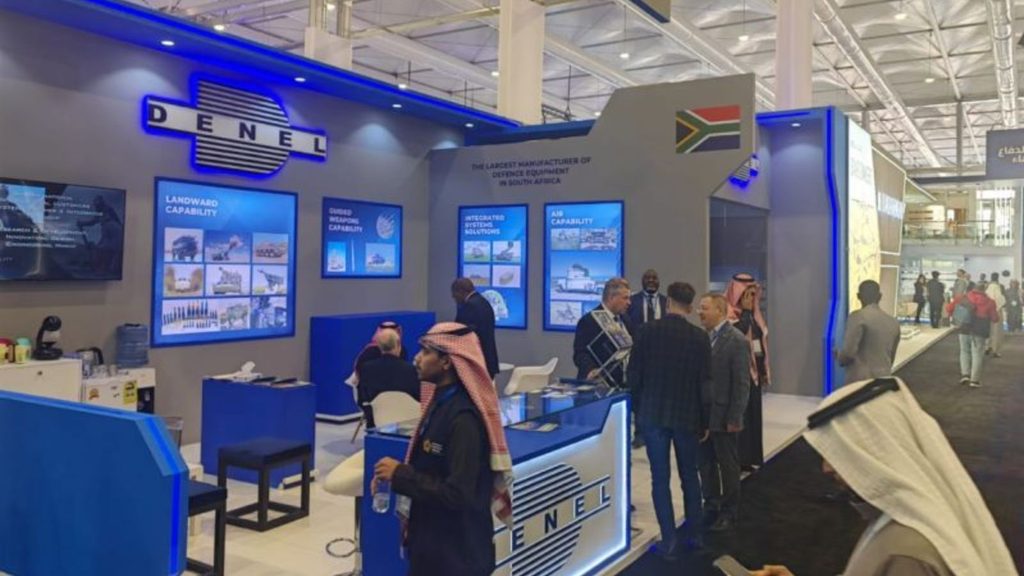
Denel is one of South Africa’s most iconic state-owned enterprises (SOE), earning global praise at its peak for innovative designs and reliable execution.
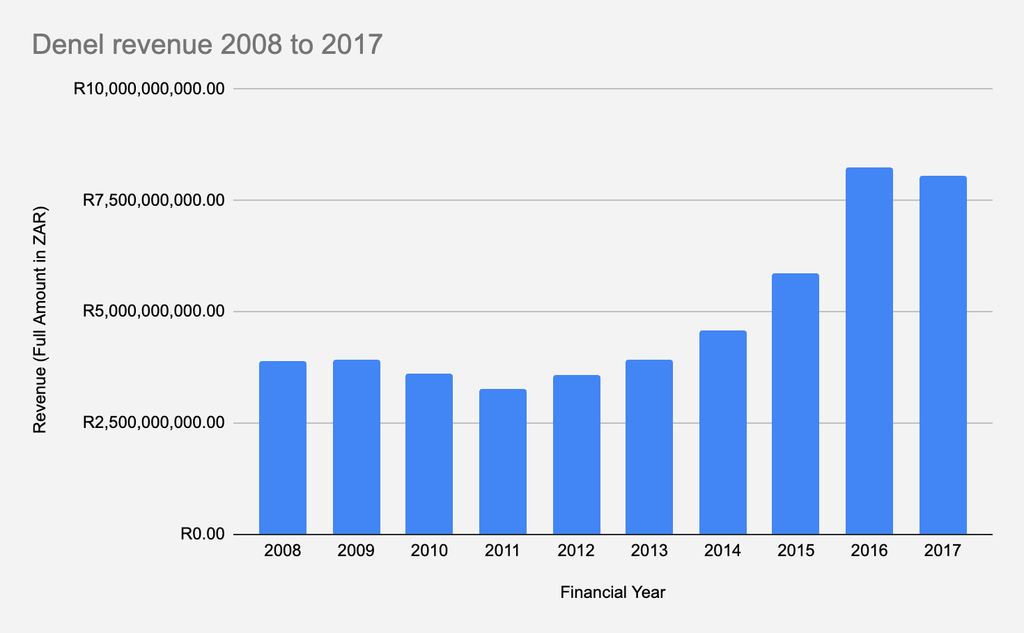
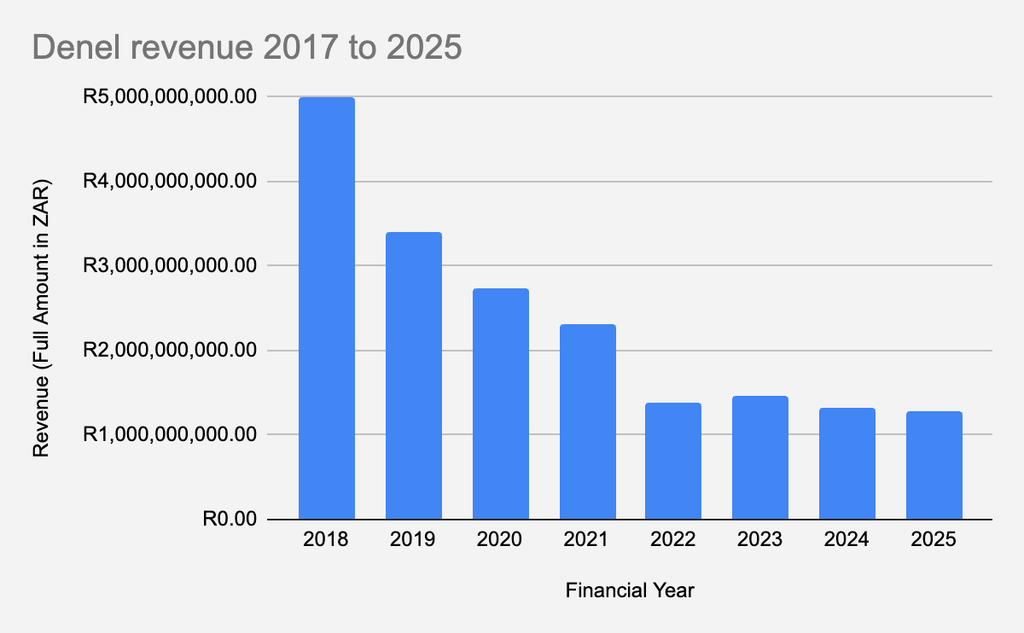
However, over the past decade, the company has collapsed. Its revenue has fallen from R8.06 billion to R1.27 billion as it fails to deliver products to customers.
The SOE has also struggled to pay employees their salaries amid financial mismanagement and corruption.
Most famously, the SOE launched the Badger infantry fighting vehicle in 2007, with an initial cost of R1 billion under Project Hoefyster.
To date, not a single Badger has been delivered to the South African National Defence Force (SANDF), and its budget has ballooned to R16 billion in the past 19 years.
This stands in stark contrast to the Denel of the early 2000s and its predecessor, Armscor, which was renowned for its efficiency and effectiveness.
Denel was formed in 1992 as an SOE out of the apartheid-era Armscor. Armscor was retained as the state procurement agency, while its manufacturing and research facilities were spun off into Denel.
This was to enable Denel to operate commercially as a standalone company and export its products globally, with the SANDF being one of many clients.
Denel and Armscor were globally renowned for world-class military technology, including the long-range G5 and G6 Howitzers and AH-2 Rooivalk Attack Helicopters.
The howitzers set world records for artillery range and precision, while the Rooivalk was successfully deployed in United Nations peacekeeping operations.
Apart from these two projects, Denel was also famous for its mine-resistant vehicles and demining technologies.
The crown jewel of these developments was the Casspir, which has been used by the United Nations in demining operations across Africa and the Middle East.
Denel inherited much of this technology from the old Armscor and steadily innovated with these platforms very successfully.
This resulted in the SOE being praised as a financial success story, with its order book surging in the 2000s and 2010s.
Its revenue surged, rising from R3.89 billion in 2008 to a peak of R8.23 billion in 2016.
The company had successfully adapted to a globalised market and moved away from solely relying on the SANDF for sales.
It also turned its profitability around, with consecutive losses in the mid-2000s turning into bumper profits in 2015, 2016, and 2017.
Denel’s decimation
Since 2017, however, Denel’s revenue has declined sharply, and the company has been decimated by financial mismanagement and corruption.
Daily Investor analysed the company’s annual reports from 2008 to 2025 to understand why this was the case and how Denel explained the sharp fall in revenue.
From 2017 to 2025, revenue fell from R8.05 billion to R1.27 billion – an 84.22% decrease.
Denel said in its annual reports that the decline was due to severe liquidity crunches and supply chain paralysis. This stems from financial mismanagement.
The company explained that it experienced working capital shortfalls from 2018 onwards, leaving it unable to pay component and material suppliers on time.
As a result, its operations were halted periodically. This eroded trust among customers and undermined Denel’s global reputation, resulting in a declining customer base.
Denel’s reputation took further hits from allegations of corruption and state capture at the SOE in the late 2010s.
This severely damaged customer trust and resulted in commercial banks withdrawing credit facilities, exacerbating its working capital problems.
Denel’s reputational damage not only saw it lose customers, but also saw the SOE lose skilled employees who found work in the private sector.
Operating instability and delayed wage payments saw skilled engineers and technicians leave, creating a brain drain.
Coupled with ageing infrastructure, this left Denel without the ability to complete many of its orders, finish planned projects including Hoefyster, and continue its famed research programmes.
Denel has also pointed to South Africa’s declining defence spending as a major reason for its declining revenue, with the SANDF being its largest customer.
South Africa’s defence spending has fallen from 1.5% of GDP in 2013 to 0.9% in 2025, effectively shrinking Denel’s potential sales.



Conversation
4 commentsIf you want to be a Marxist, you will experience pain…if you hate privatization, your pension won’t be secure …