There are 13 areas in South Africa where companies do not pay VAT



Companies that operate in South Africa’s 13 Special Economic Zones (SEZs) do not automatically pay value-added tax (VAT) on any sale or purchase.
However, the National Treasury has proposed changes to the legislation that allow for this, as it has created significant confusion and room for abuse.
The confusion and potential for abuse stem from the question of whether services supplied to a company in an SEZ should be zero-rated.
This allowance has resulted in companies outside SEZs benefiting from the tax breaks and incentives offered to those within the special areas.
This undermines the purpose of SEZs, which are intended to create conditions that stimulate investment in specific sectors through tax incentives.
These incentives would be unsustainable if offered nationwide, as they would significantly reduce tax revenue.
As such, the government keeps a close eye on whether SEZ allowances are being abused or manipulated to benefit companies outside the specific areas.
In its Draft Taxation Laws Amendment Bill for 2026, the National Treasury has proposed changes to the legislation governing VAT in SEZs.
These changes will clarify that zero-rating applies only to services physically rendered within the SEZ or a Customs-Controlled Area Enterprise.
This clarification does not change the original intent of SEZs, which is to drive investment in export-oriented industries and generate employment.
SEZs in South Africa form part of the government’s industrial policy to revive manufacturing by creating areas where the cost of doing business is significantly lower than elsewhere in the country.
Qualifying businesses within SEZs benefit from a lower corporate tax rate of 15%. The standard rate is 27% for a company operating elsewhere.
These businesses also pay 0% VAT and have cost-sharing arrangements with the government to reduce payroll tax burdens for hiring workers.
Some specific areas that are “customs-controlled” also provide businesses with import duty exemptions on raw materials and machinery used in production. They also pay 0% VAT on local supplies.
SEZs and the economy
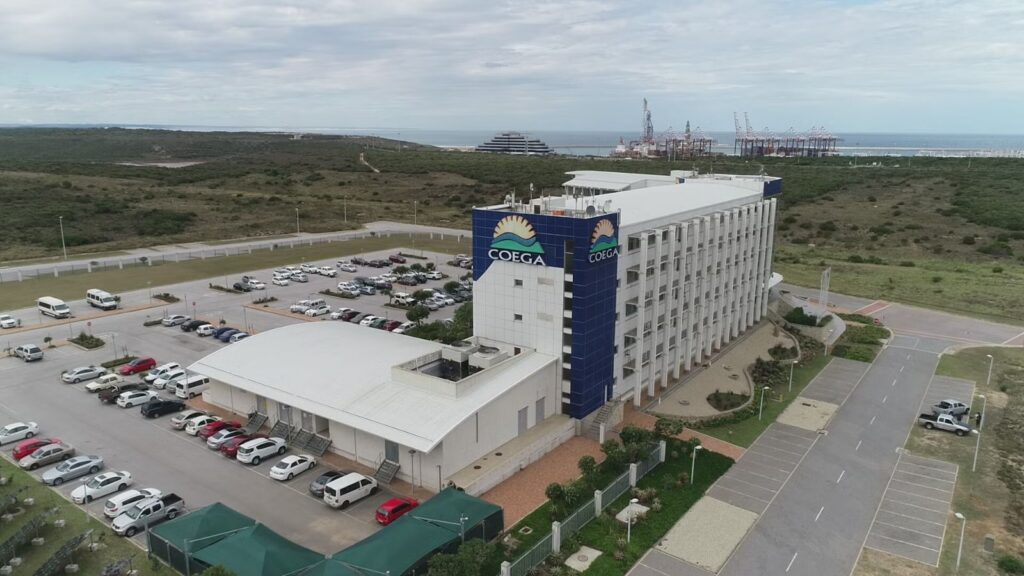
South Africa has 13 SEZs across the country, many of which are located near ports and major transport infrastructure to drive the creation of export-oriented industries.
A prominent example of an SEZ is in Coega in the Eastern Cape, which houses automotive manufacturers, logistics companies, and green energy manufacturers.
The Richards Bay Industrial Development Zone (IDZ) aims to process some raw commodities before they are exported from the port to add value.
In Saldanha, the IDZ focuses on marine engineering, ship repair, and upstream oil and gas facilities.
Despite being inland, Gauteng has two SEZs near OR Tambo International Airport and one in Pretoria, both of which focus on jewellery beneficiation, automotive manufacturing, and high-value freight.
The government has worked to expand SEZs over the past decade, given their immense success in attracting investment, particularly from foreign investors.
In addition to expanding the model to inland provinces, the government is seeking to align these SEZs with local economic development.
In particular, it is encouraging companies in the SEZs to manufacture components vital to the Just Energy Transition.
This includes the beneficiation of minerals, such as platinum, and the development of renewable energy manufacturing in South Africa.
While some SEZs have been immensely successful in attracting foreign investment in South Africa, they have been unable to overcome many of the challenges facing the local economy.
Despite the significant incentives offered, many companies still find it difficult to justify investing in South Africa due to the extremely high cost of doing business in the country.
Investors in SEZs still point to the high cost of employment, the regulatory burden of starting a business in the country, and South Africa’s poor economic growth.
Regardless of the infrastructure within an SEZ, businesses still have to contend with congestion at South Africa’s ports, poor municipal service delivery, and unreliable electricity supply.
There is also a case to be made for implementing these policies nationwide to reduce the cost of doing business across South Africa.
 Loading ...


Comments