International banking giant sends a warning about the South African rand


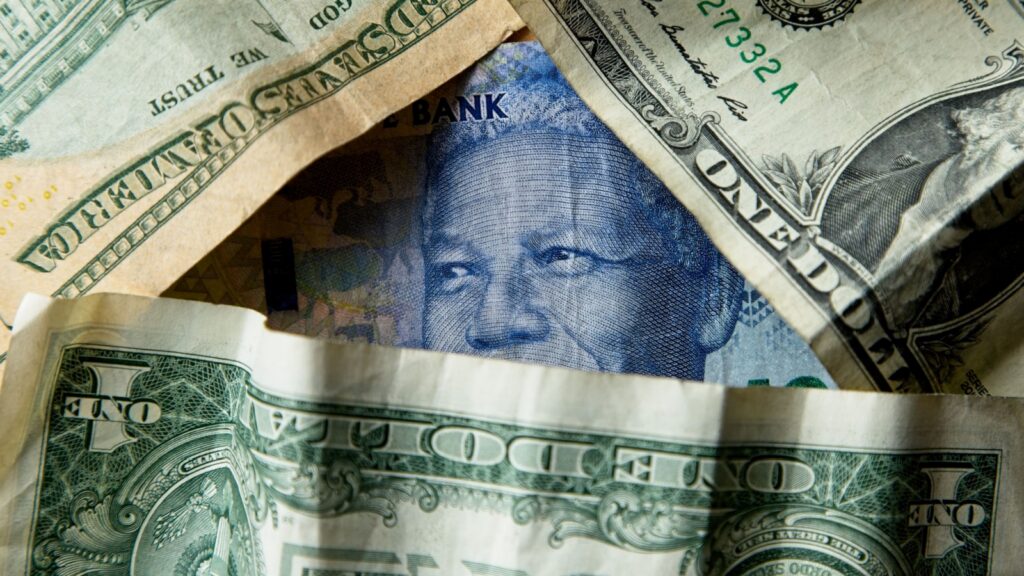
Citigroup closed its bullish position on the South African rand against the euro hours after concluding the currency would remain “fragile” following the central bank’s surprise decision to keep interest rates unchanged.
“We are now exiting the short EUR/ZAR position, recently opened at spot reference 18.79,” the investment bank’s global head of emerging markets strategy, Luis Costa, said.
The trade generated a total loss of 2.13%, or about $468,334, on a $22 million notional position, which was closed at 19.19, he said.
The “underlying assumption in our bullish rand view has changed significantly over the past 24 hours,” Costa said. “The South African Reserve Bank contradicted its previous position by not hiking rates this week.”
The rand has depreciated almost 3% against the euro to 19.19 since the central bank’s six-member monetary policy committee, in a split decision, unexpectedly kept the policy rate at 7% on Thursday and revised its inflation forecasts lower.
Seventeen of the 20 economists surveyed by Bloomberg had expected a quarter-point rate increase after inflation accelerated more than expected to 5% in June, moving further away from the central bank’s 3% target, while the resumption of the US-Iran war has driven up fuel and fertiliser prices.
Asked his views on the disconnect between what analysts expected and what the central bank delivered, Governor Lesetja Kganyago said, “It is a dismal science that we are playing.”
Adding that “in this uncertain environment, you can forgive people for missing what they had actually expected,” he said. “It might just turn out that we were wrong.”
Citigroup expects the rand to remain “fragile” under current conditions, citing rising energy costs as a key risk.
“As much as we remain constructive on some replenishment of terms of trade value in the medium term — iron ore, gold, platinum and some easing in petrol prices over the next quarters — we believe it is tough to imagine that the rand can indeed absorb the short-term shocks.”
The central bank’s surprise decision could also impact South African government bonds, Costa warned.
“Positions have been rather sticky up until now, under the assumption that the SARB would be able to keep investor confidence intact.”





Comments