R500 note in South Africa


For over three decades, the highest-denomination banknote in South Africa has been the R200.
This stands in stark contrast to many of the country’s global peers, which have notes with values as high as 100,000.
While notes as high as 100,000 are exceptionally high and most likely the result of hyperinflation, even countries not facing this problem have banknotes with higher denominations than South Africa.
This is because even ‘normal’ inflation erodes the value of a country’s currency over time, necessitating higher denominations to make transacting simpler.
This is evident in the history of South Africa’s currency, which has changed drastically since the first coin was introduced in the 1600s.
The history of currency usage in South Africa dates back to 1652, when European settlers arrived on the country’s shores and brought their own countries’ coins.
This saw the Netherlands’ official currency, the Dutch guilder, become the country’s main currency alongside other coins and notes brought by traders and mariners passing through Cape Town.
When the Dutch East India Company went bankrupt in the late 18th century and South Africa became a British colony, Great Britain introduced its currency in the country.
In 1826, sterling coinage became the sole legal tender and various foreign currencies were no longer allowed to co-circulate.
Around 50 years later, South Africa also saw the introduction of the “Burgers Pond”, which bore the portrait of Thomas Francois Burger, the country’s first president.
After the discovery of gold in the 1880s, South Africa built a mint in Pretoria and began issuing coins, still based on the British pound sterling, depicting Paul Kruger.
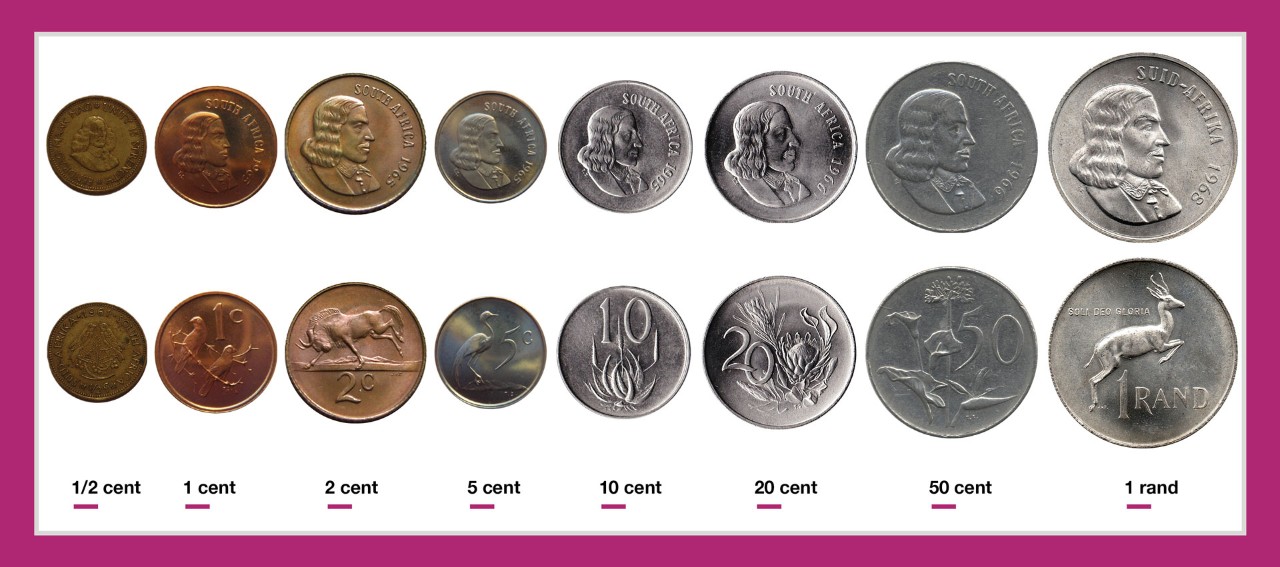
South Africa continued to use the British coin system until 1961, when the country gained independence and was, therefore, free to introduce its own currency.
This marked the beginning of the South African rand, which takes its name from the very place where gold was discovered, the Witwatersrand.
On 14 February 1961, the rand officially replaced the pound, and the rand denominations issued were R1, R2, R10, and R20.
By 1992, the range had expanded to include R50, R100, and R200 banknotes, all depicting the iconic Big Five animals.
However, over the past three decades, South Africa has not introduced a higher-denomination currency than R200.
Coins and currency

Given the impact of inflation since the R200 note was introduced, the value of South Africa’s currency has depreciated significantly.
Based on the rate of inflation over the past few decades, R200 in 1992 would be worth around R1,409.52 in 2025. In turn, R200 in 2025 is equivalent to around R28.38 in 1992.
This begs the question – why has South Africa not introduced a higher-denomination note than R200 in over three decades?
In South Africa, the Reserve Bank is charged with protecting the value of the country’s currency and with printing the country’s coins and banknotes through its subsidiary, the South African Mint.
Therefore, Daily Investor asked the Reserve Bank this question, and was told that the bank considers South Africa’s denomination mix on an “ongoing basis”.
“The R200 banknote is sufficient for transactions and is still used as a store of value,” the Reserve Bank explained.
In addition, the bank cautioned that higher denominations could encourage illicit cash hoarding.
Unlike many developed countries, cash remains king in South Africa, accounting for around two-thirds of all transaction volumes.
Bloomberg reported in December 2025 that cash moving through the local economy tops R180 billion, or around 2.5% of GDP. This comes at a great cost to the country, as cash is more difficult to track, transport, and tax.
Managing, transporting and securing physical money cost South Africa about R90 billion last year, with crime accounting for 13% of that.
Therefore, the Reserve Bank has been on a campaign to reduce cash usage in South Africa while ensuring it remains accessible to low-income and rural communities with limited digital payment options.
The Reserve Bank’s Payments Ecosystem Modernisation Programme aims, among other initiatives, to establish a cash utility co-owned by entities such as banks and retailers, which are among the country’s biggest cash users.
This utility will model cash demand and allocate it accordingly, removing the R480 million indirect subsidy currently received by a few private companies that hold and circulate physical money on the Reserve Bank’s behalf.
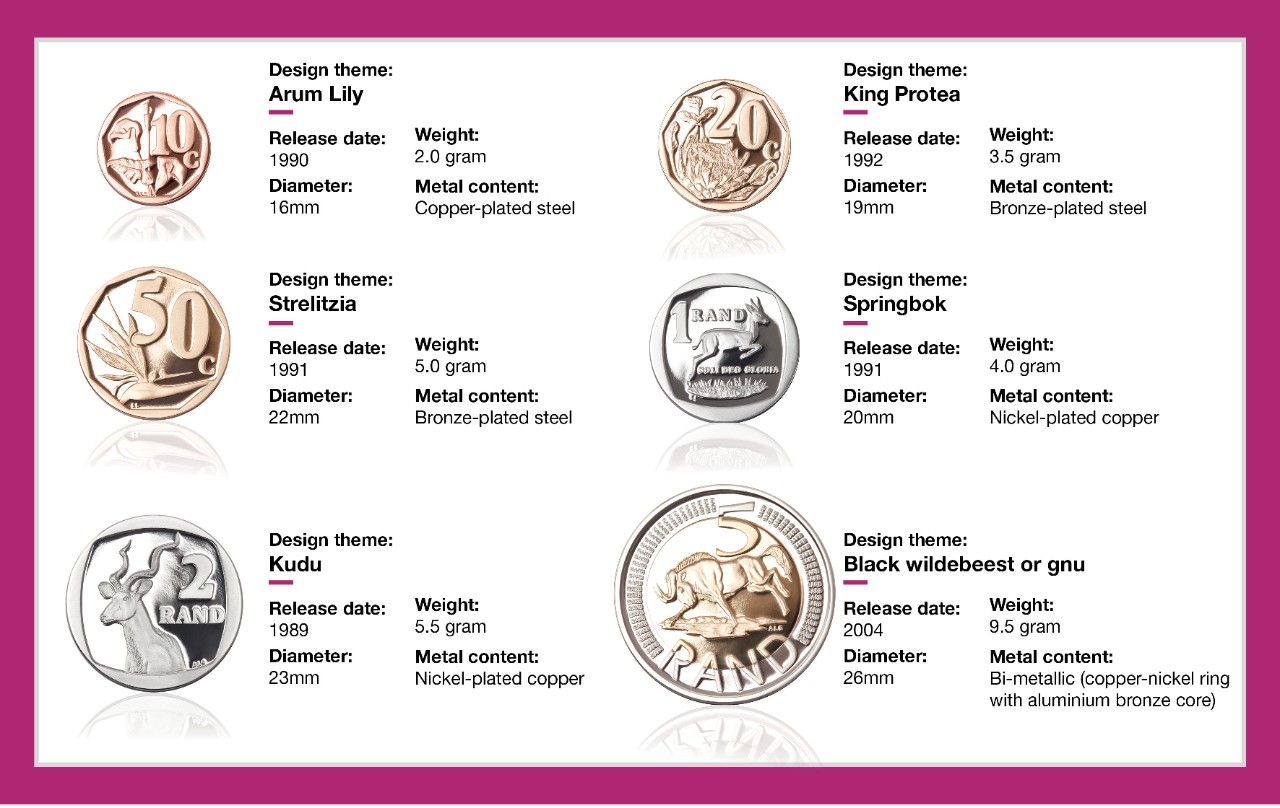
The images below, courtesy of the Reserve Bank, show how South Africa’s coins and banknotes have changed over the past few decades.
South Africa’s coins and notes through the ages



 Loading ...





Comments