Two prestigious suburbs in South Africa where nearly half of all homes go to wealthy foreign buyers


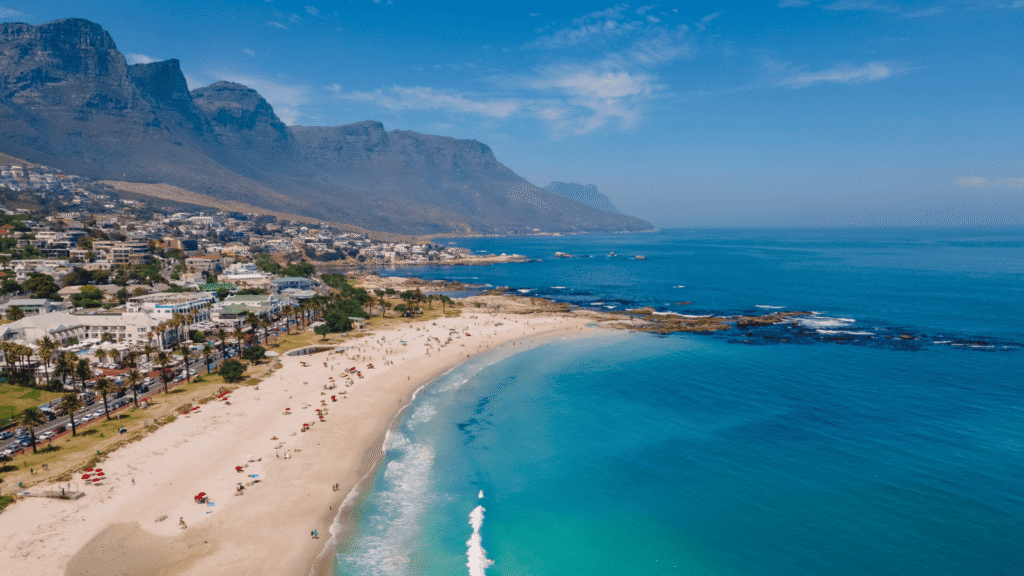
New data shows that nearly half of all homes sold in Cape Town’s prestigious Bakoven and Camps Bay suburbs over the past decade were bought by international purchasers.
Bakoven and Camps Bay, which are neighbouring suburbs on Cape Town’s Atlantic Seaboard, are among South Africa’s most expensive residential property markets.
Camps Bay has one of the longest histories of any suburb along the Atlantic coast. In the 1700s, the area was largely farmland and was considered unsuitable for farming and shipping.
During the 1800s, it became a popular picnic and holiday destination for Cape Town residents, although very few people lived there permanently.
Roads connecting Camps Bay to the city gradually improved during the second half of the 19th century, making the area easier to reach.
By the early 1900s, a tram service linked Camps Bay to Cape Town. This helped the suburb grow as a holiday destination.
Palm trees were planted along the beachfront, tidal pools were built, and facilities such as The Rotunda became popular attractions.
Permanent residential development accelerated from the late 1930s after large sections of land were subdivided and basic infrastructure, including roads, water and electricity, was installed.
Demand increased further during the late 1970s and 1980s as more international buyers entered the market, helping establish Camps Bay as one of Cape Town’s leading coastal suburbs.
Today, Camps Bay offers restaurants, cafés, bars and hotels along its promenade, as well as luxury beachfront properties.
Residents also have easy access to hiking trails on Table Mountain and the Twelve Apostles, while the Cape Town CBD and V&A Waterfront are around 10 minutes away.
Schools, shops, medical facilities and Theatre on the Bay allow many residents to meet most of their daily needs within the suburb.
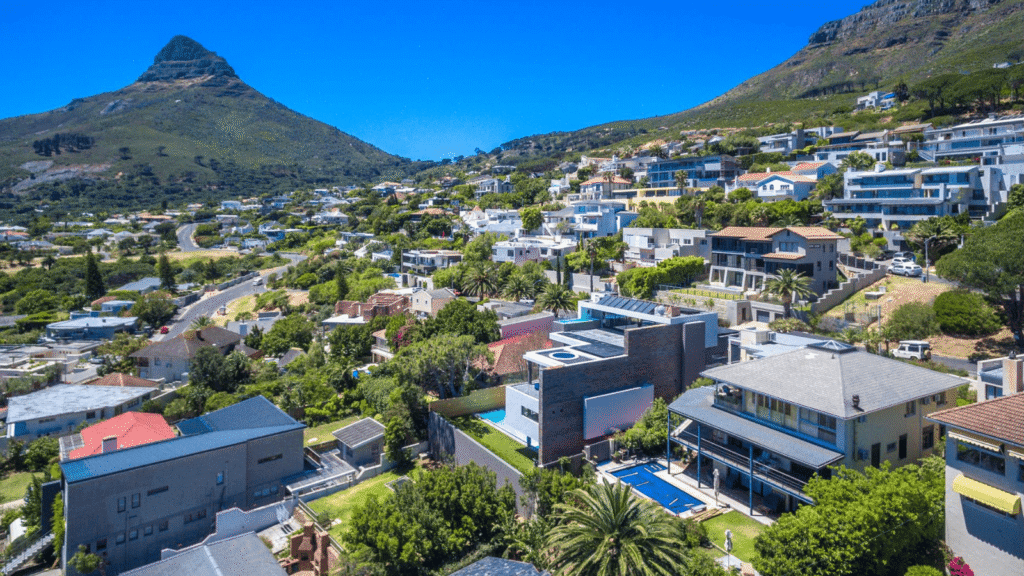
Homes range from apartments to large hillside houses overlooking the Atlantic Ocean. Entry-level apartments typically sell for several million rand.
Luxury homes regularly achieve prices well above R20 million. Strong demand from holiday-home buyers and investors has also supported a busy short-term rental market.
Bakoven
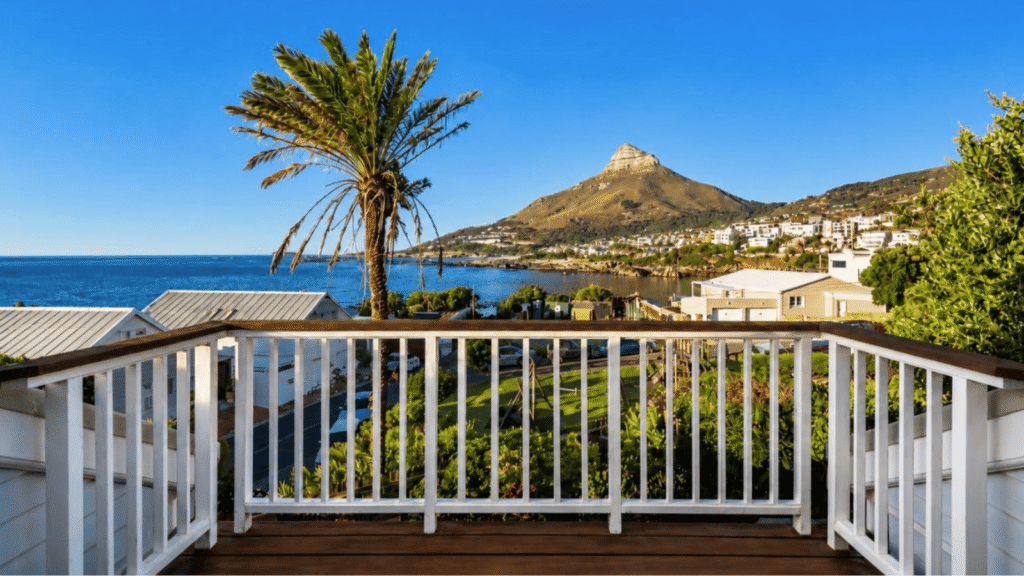
Just beyond Camps Bay lies Bakoven, a much smaller suburb that has deliberately retained its residential character.
Named after a rocky outcrop that resembles a traditional baking oven, Bakoven developed as a quieter alternative to its larger neighbour.
Unlike Camps Bay, Bakoven has very little commercial development. The suburb consists mainly of homes, narrow streets and small beaches surrounded by granite boulders.
Many residents walk to nearby Camps Bay for shopping and restaurants before returning to the quieter surroundings of Bakoven.
Property in Bakoven is among the most valuable in the country because of its limited size and the number of homes located close to the shoreline.
Many houses have direct ocean views or are within walking distance of the beach, with prices often reaching tens of millions of rand.
The suburb is also popular among tourists for its premium rental accommodation, particularly during the summer season.
Even though they sit side by side, Bakoven and Camps Bay appeal to different buyers. Bakoven offers a quieter residential setting.
Meanwhile, Camps Bay attracts those seeking a vibrant coastal lifestyle, with restaurants and entertainment close by.
Both remain among South Africa’s most sought-after property markets thanks to their coastal location, limited housing supply and proximity to central Cape Town.
Foreign buyers flock to Camps Bay and Bakoven
Foreign buyers account for only 6% of South Africa’s residential property transactions, but they play a much bigger role in the luxury market.
According to Lightstone, around 2.39 million residential property transactions involving individuals took place between 2016 and 2025.
While foreign buyers made up a small share of total transactions, they accounted for 39% of purchases of homes valued above R20 million.
The Western Cape recorded the highest proportion of foreign buyers, with foreign purchasers accounting for 7.8% of transactions.
Cape Town also attracted the highest total foreign spending, with international buyers purchasing an estimated R153 billion worth of property over the past decade.
Much of this demand has been concentrated along the Atlantic Seaboard, with Llandudno recording the highest level of foreign buying.
In this suburb, almost two out of every three homes sold over the past decade went to international buyers. Foreign purchasers accounted for 67 of the suburb’s 102 property transactions.
The average property value sold to foreign buyers was R29.2 million. Bakoven and Camps Bay also attracted significant international demand.
In both suburbs, just under half of all homes sold over the past decade were bought by foreign buyers, with average transaction values ranging between R16 million and R17 million.
Together, Llandudno, Bakoven and Camps Bay accounted for about R8.6 billion in foreign property purchases, Lightstone found.
Cape Town’s foreign buyers are largely wealthy lifestyle purchasers, unlike Johannesburg, where foreign buying is driven mainly by established immigrant communities.
While Llandudno, Bakoven and Camps Bay were the most sought-after, the data also showed that foreign demand extends beyond these suburbs.
Constantia recorded foreign buyers in 43% of transactions, while the Cape Town CBD recorded a 39% share, largely driven by sectional-title apartments that appeal to lifestyle buyers and investors.
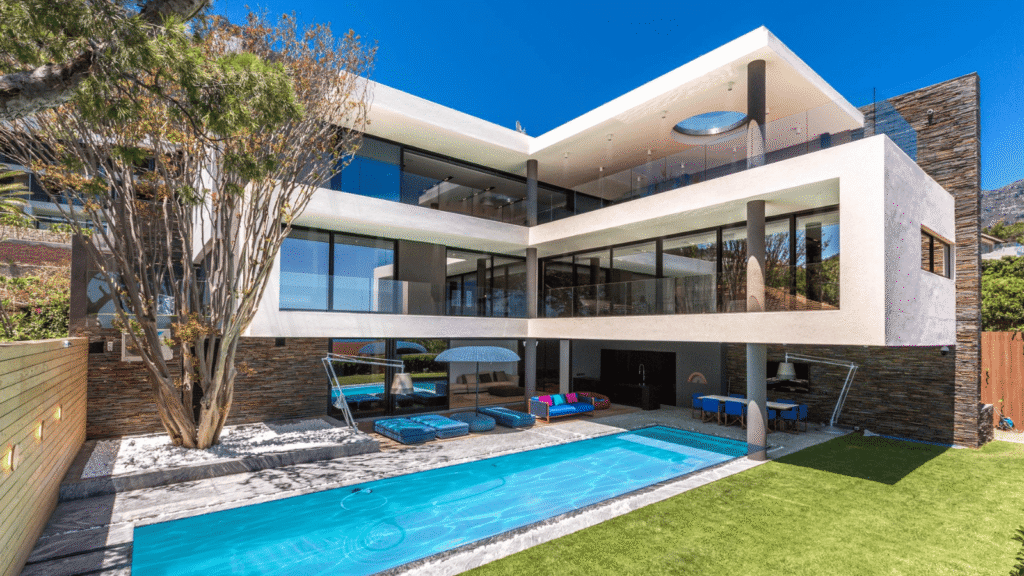
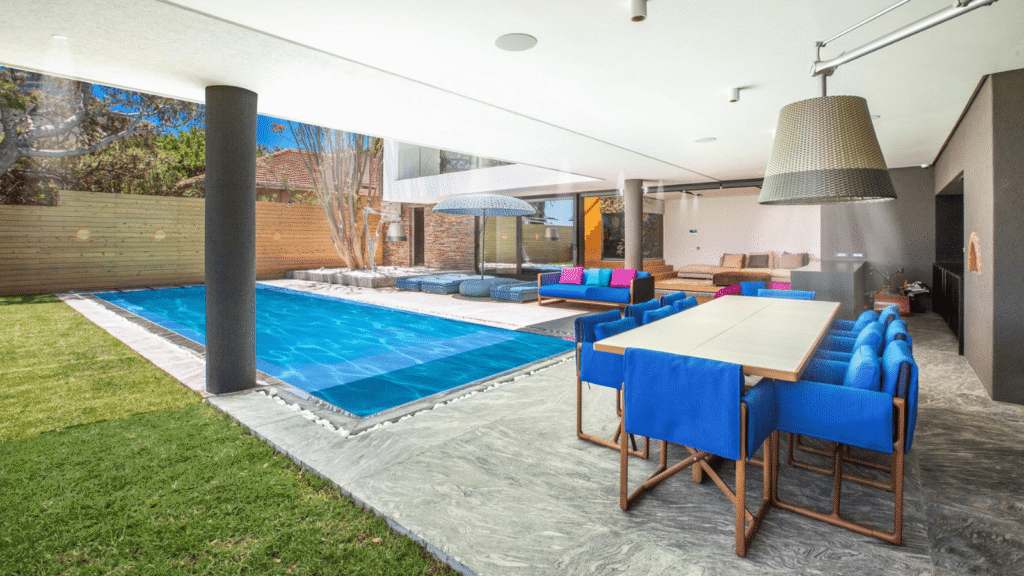
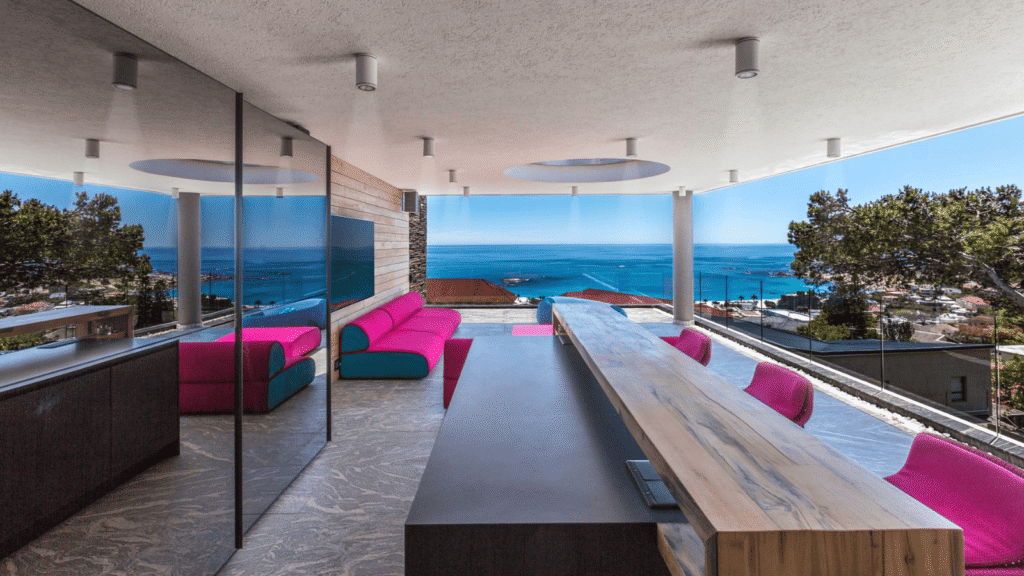
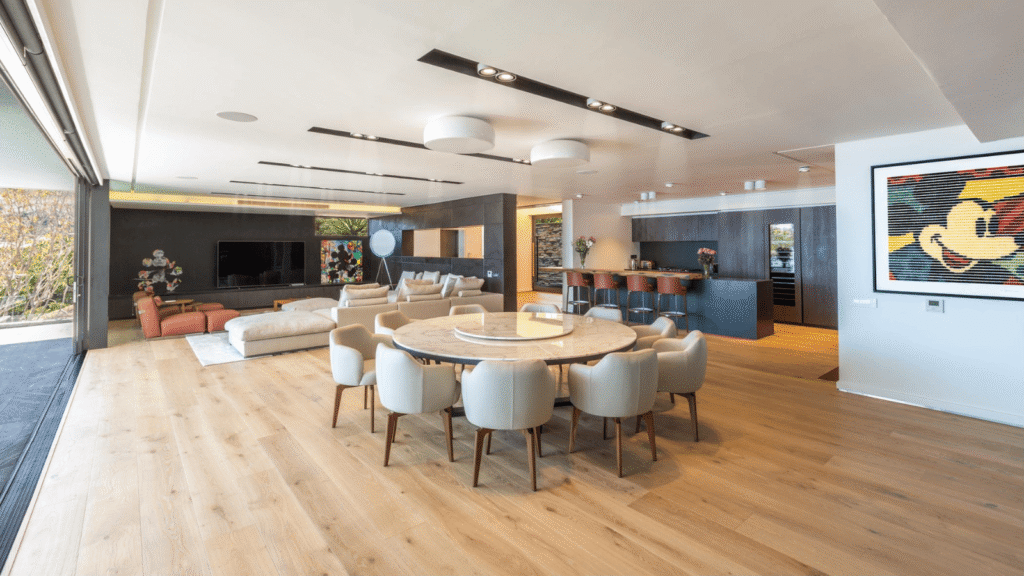
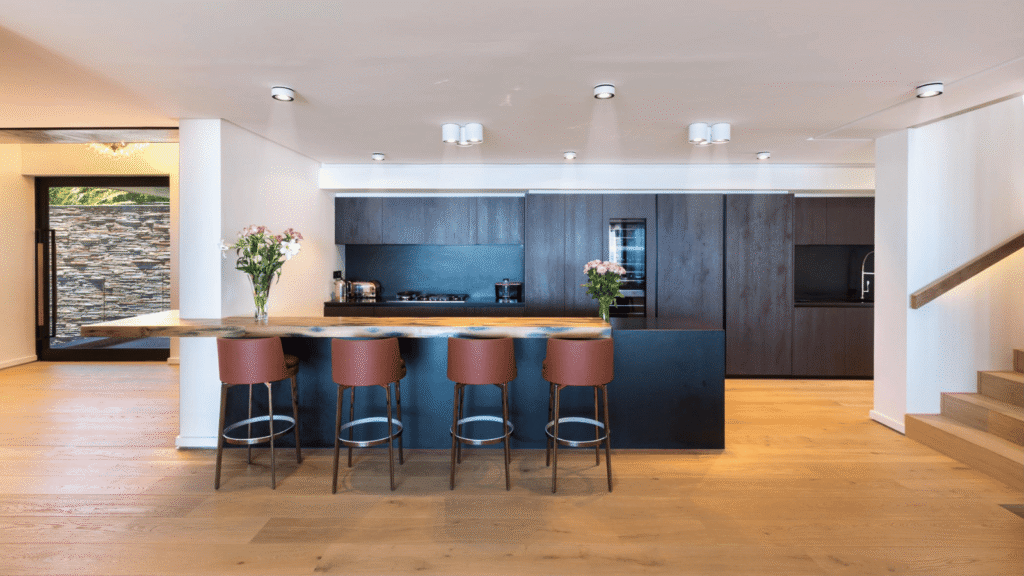
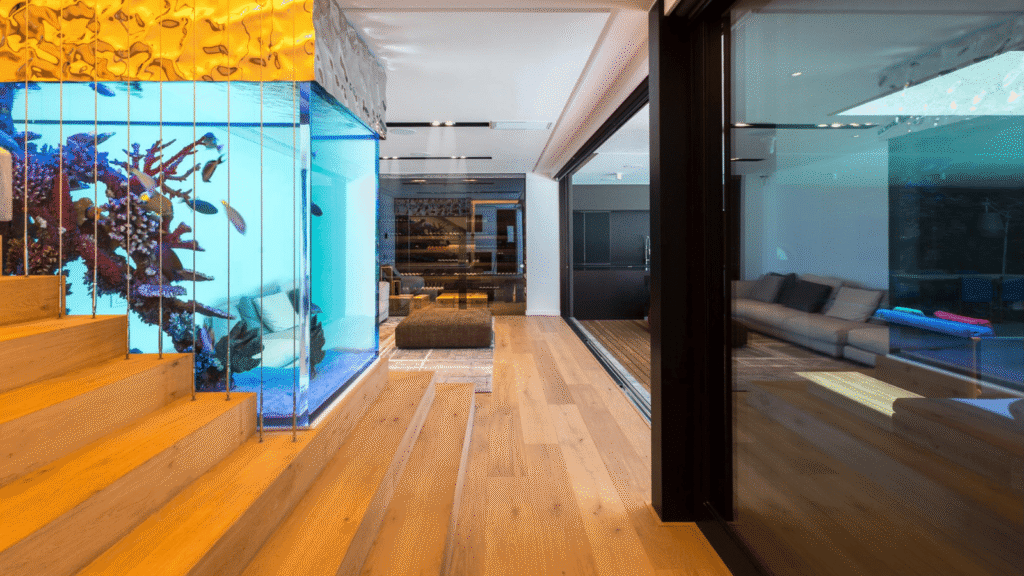
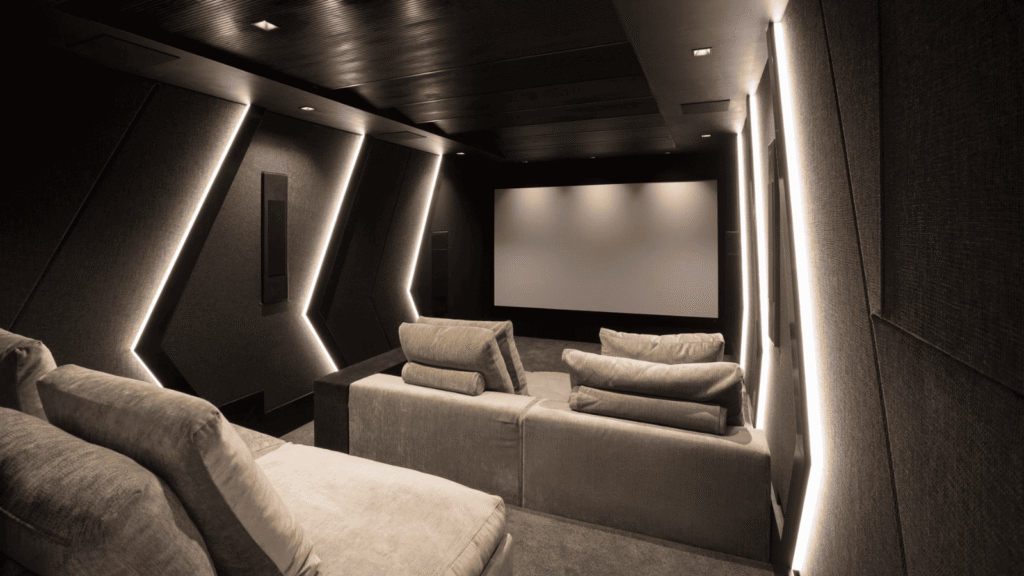
R25 million 4-bedroom apartment for sale in Camps Bay
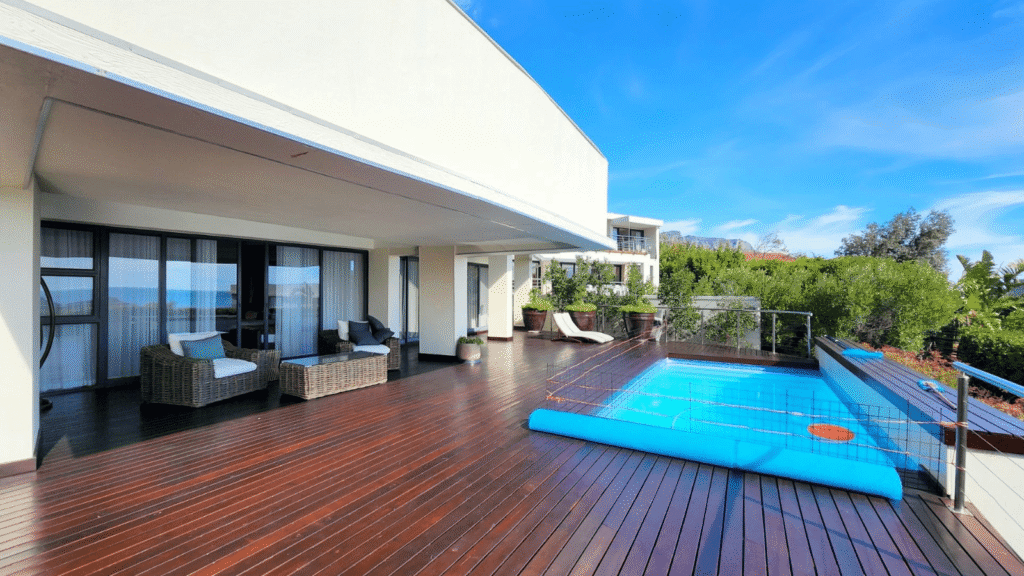
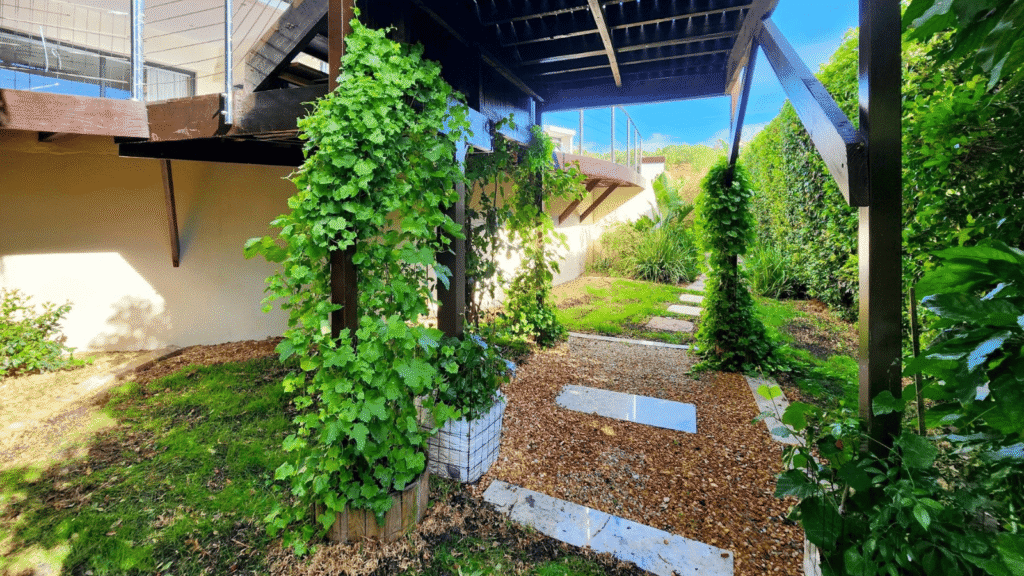
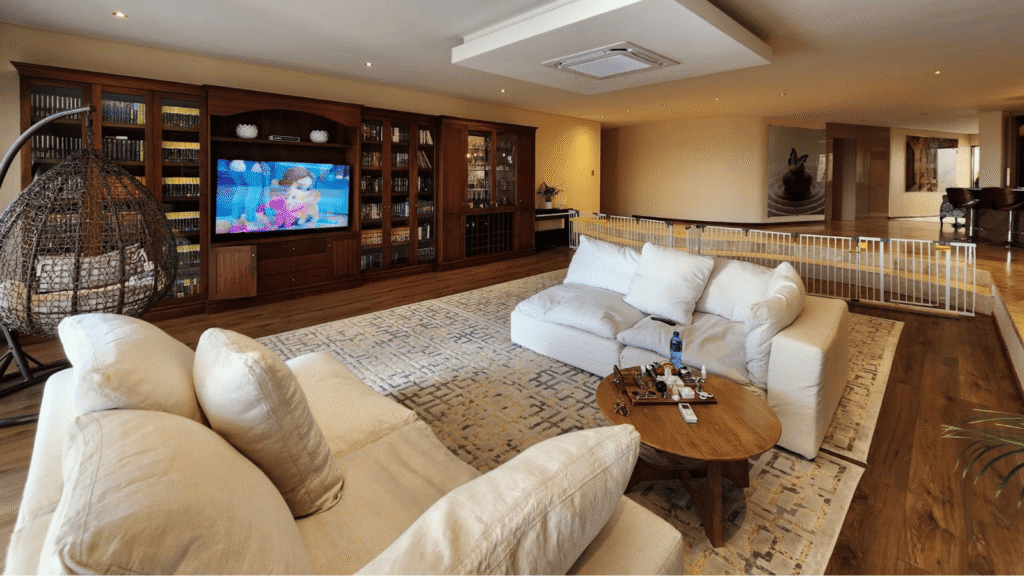
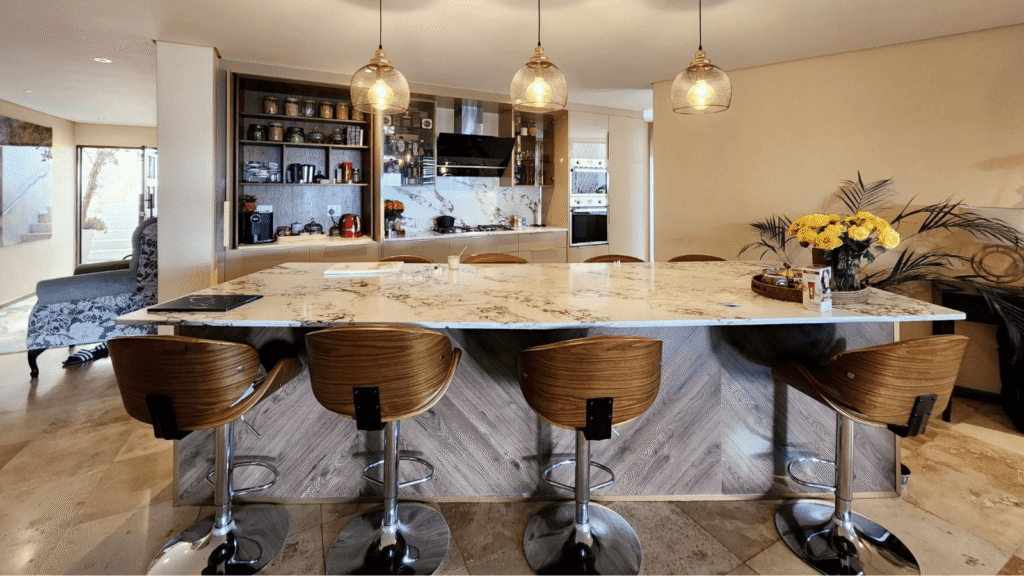
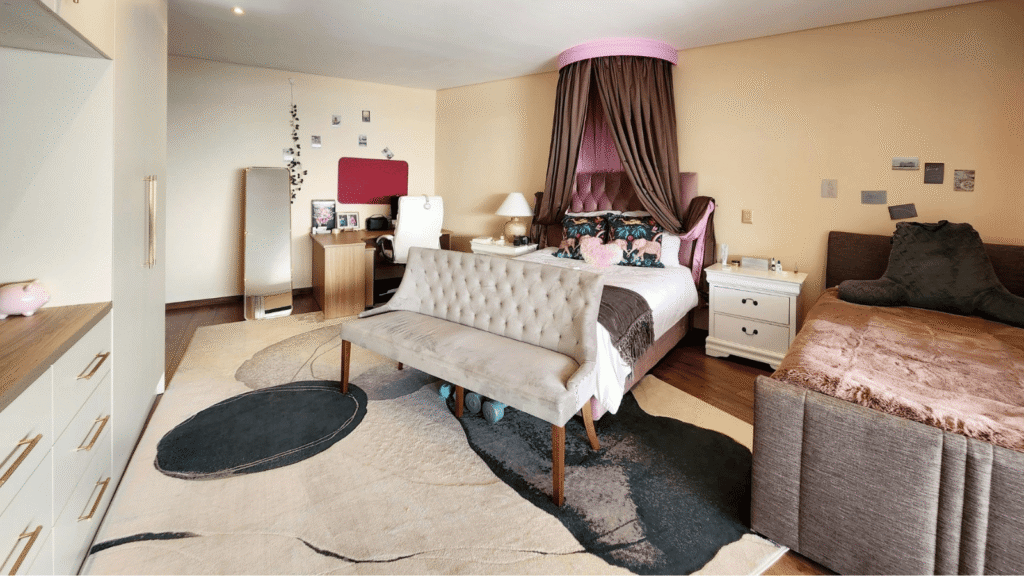
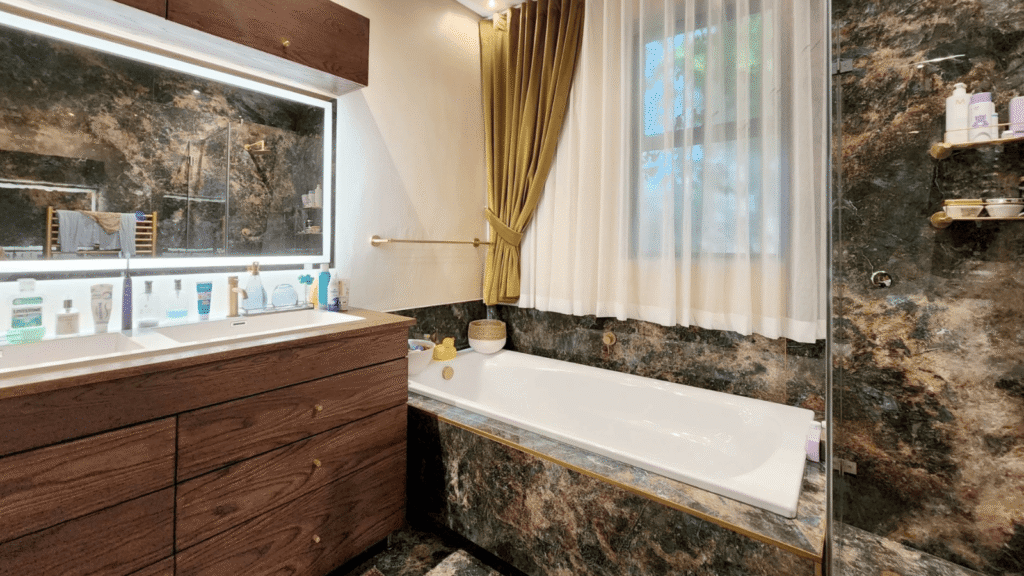
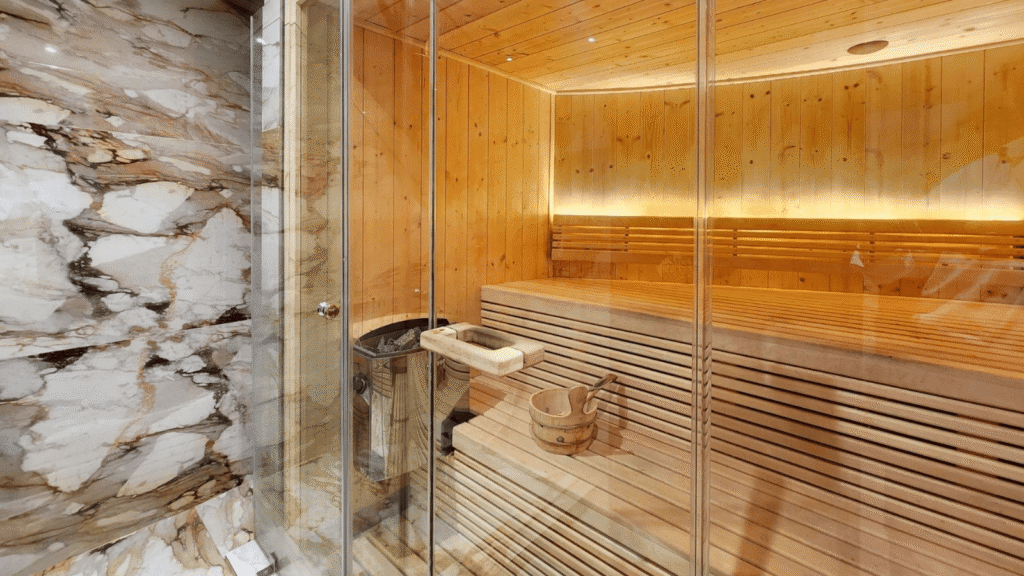
R41 million 3-bedroom house for sale in Bakoven
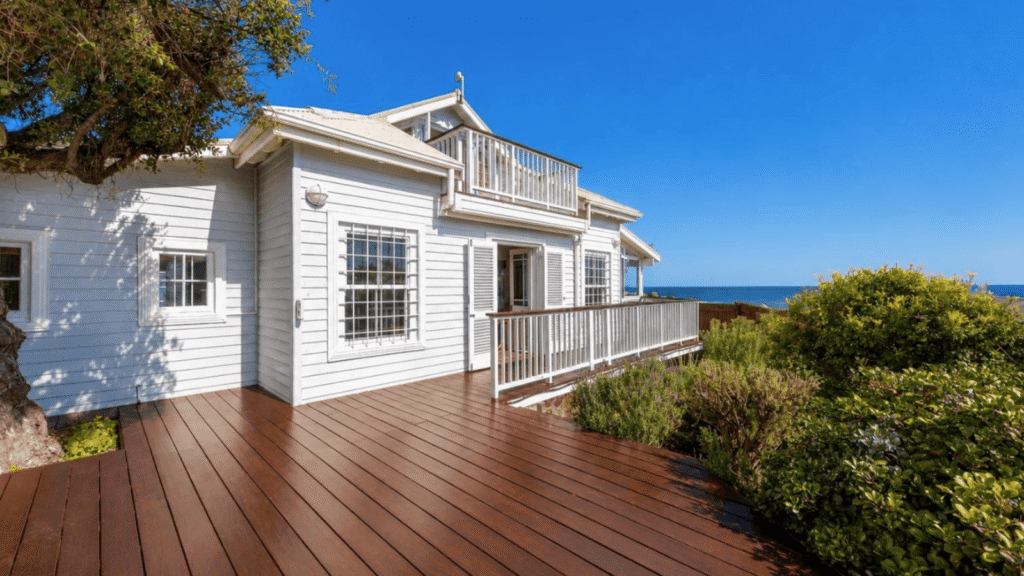
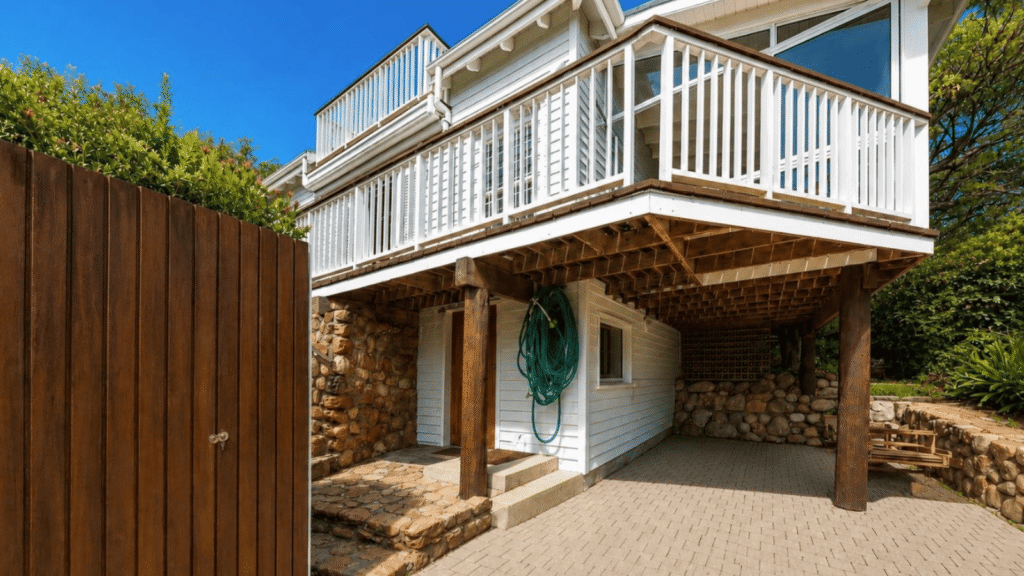
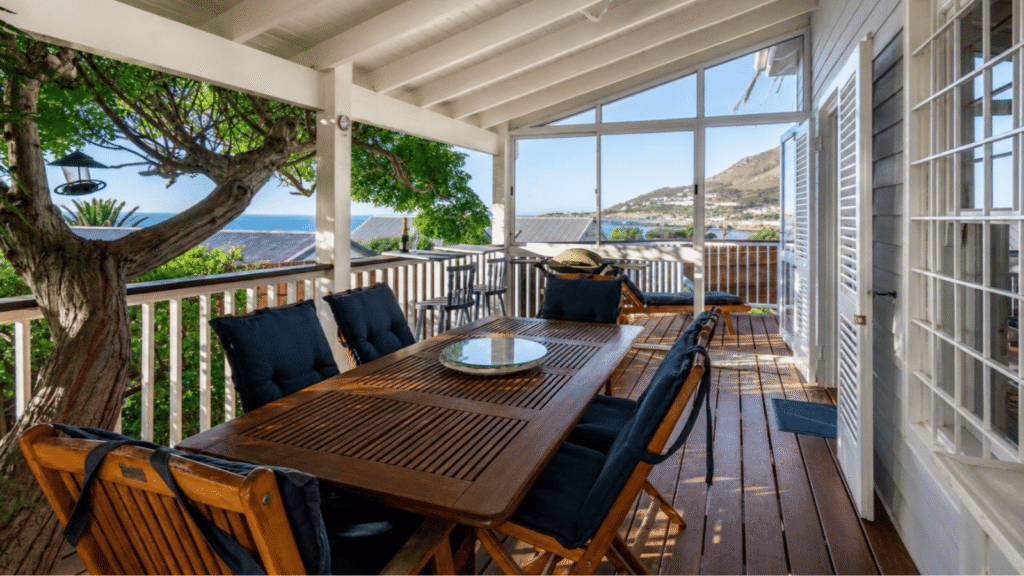
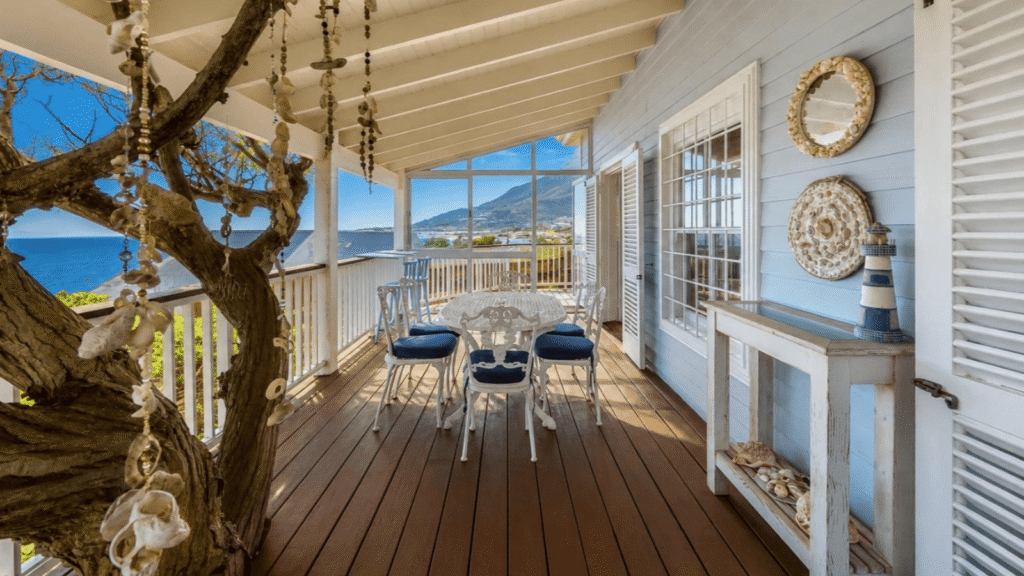
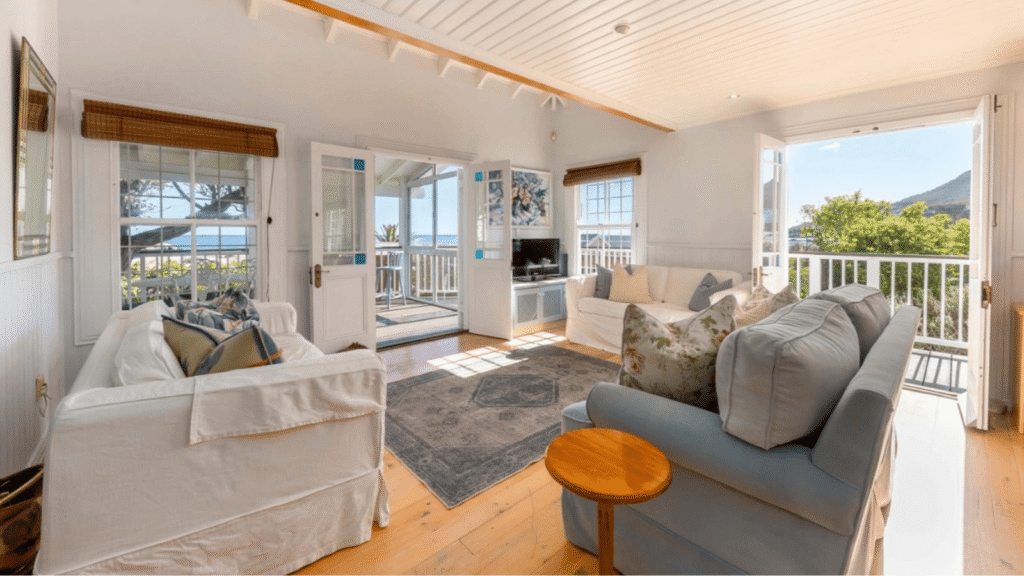
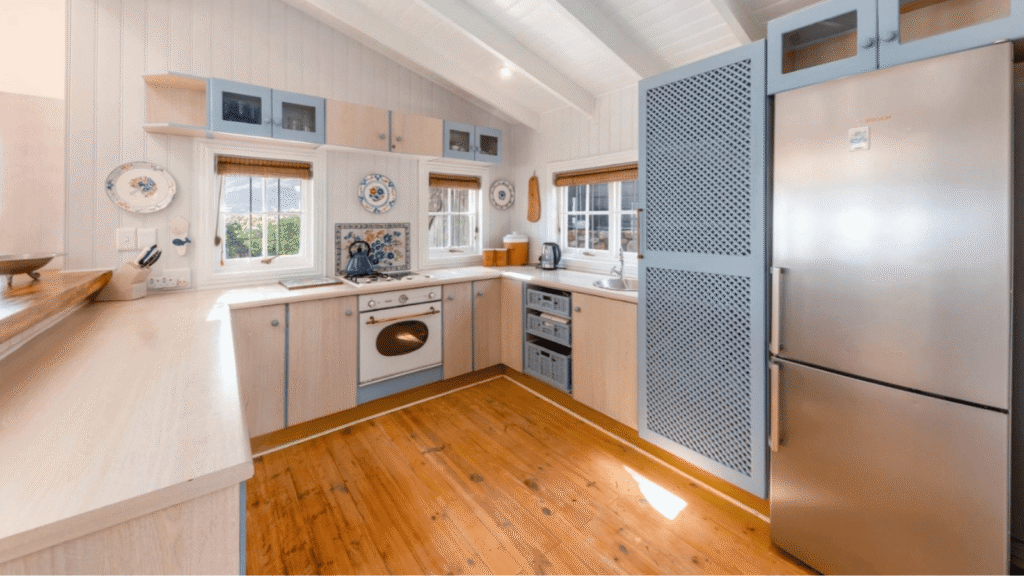
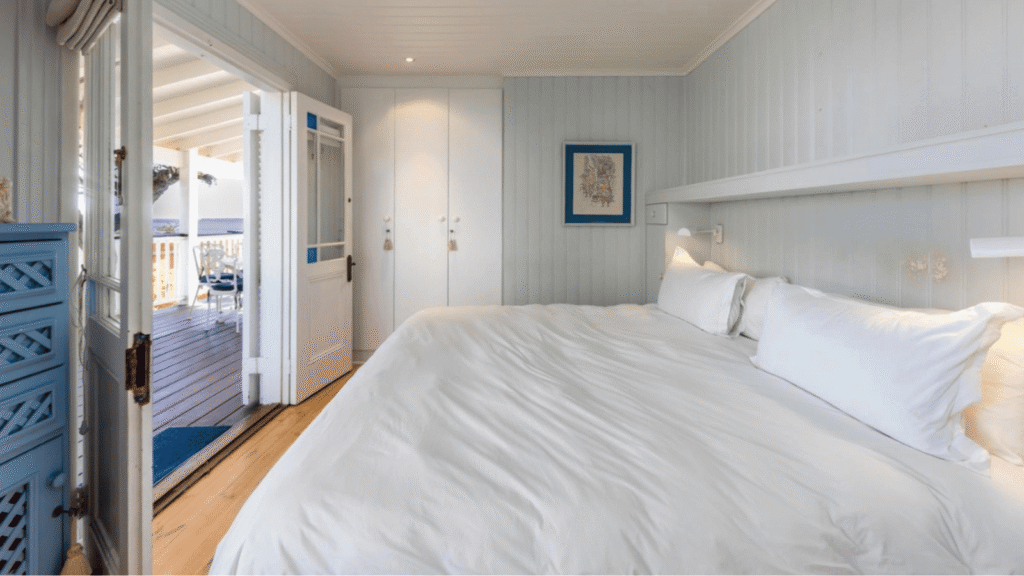
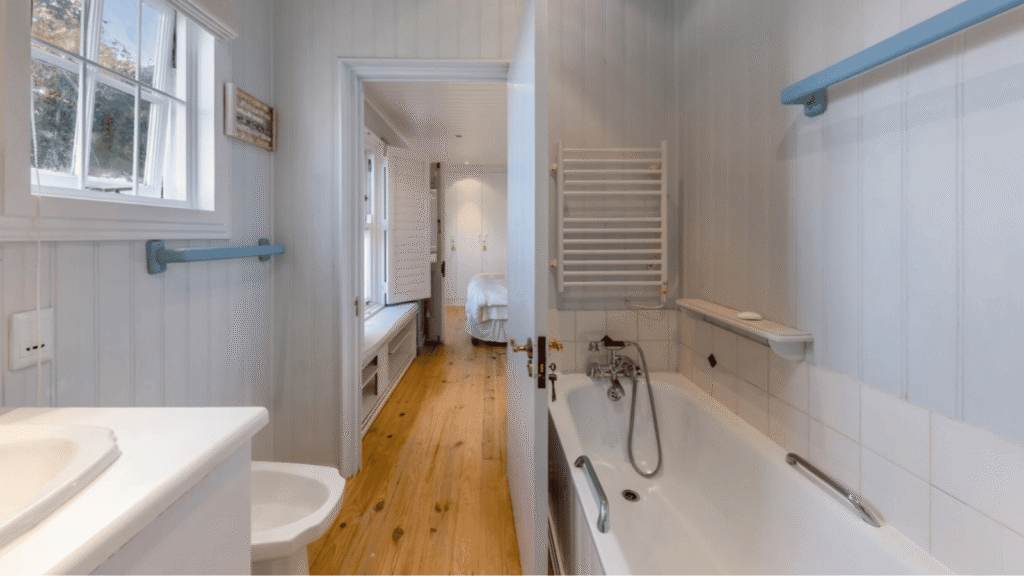
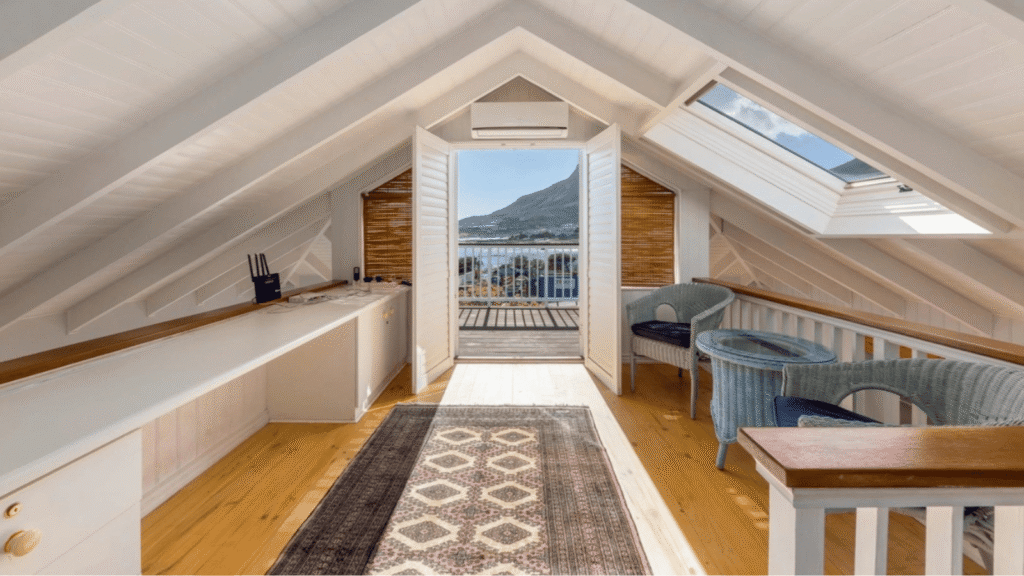
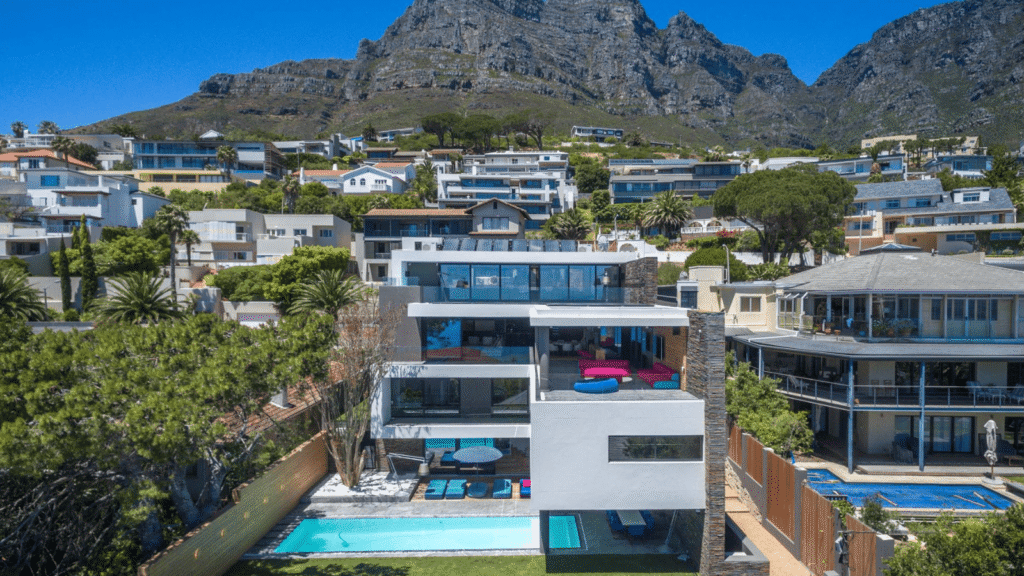
R79.35 million 4-bedroom house for sale in Camps Bay





Comments