One South African company bought 30% of all refined diesel in South Africa


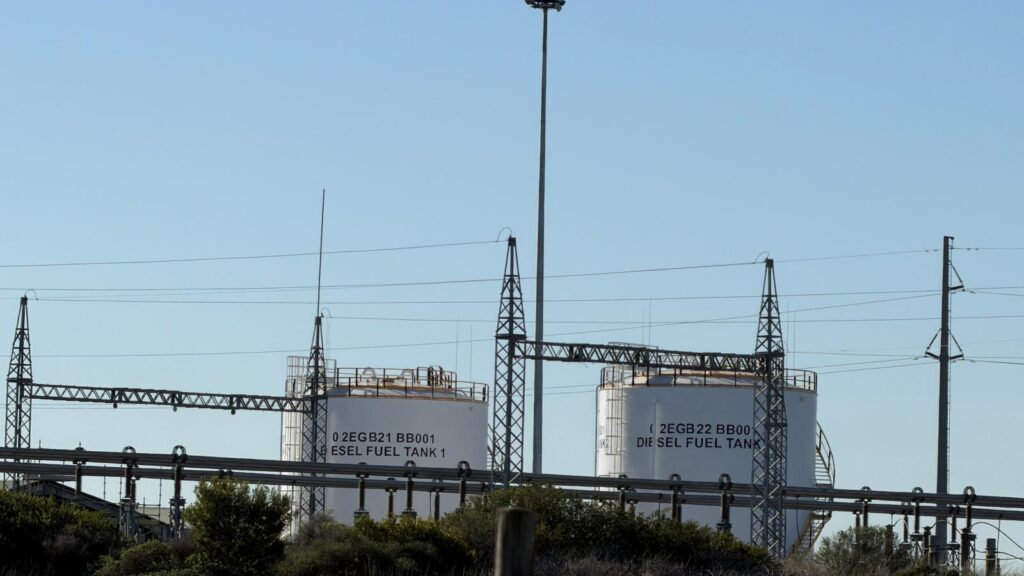
During peak load, Eskom’s Open-Cycle Gas Turbines (OCGTs) consume between 20% and 30% of South Africa’s total refined diesel supply.
While this can drop to 10% during stable periods, a single user that can swing demand this substantially poses a significant vulnerability to South Africa’s diesel supply.
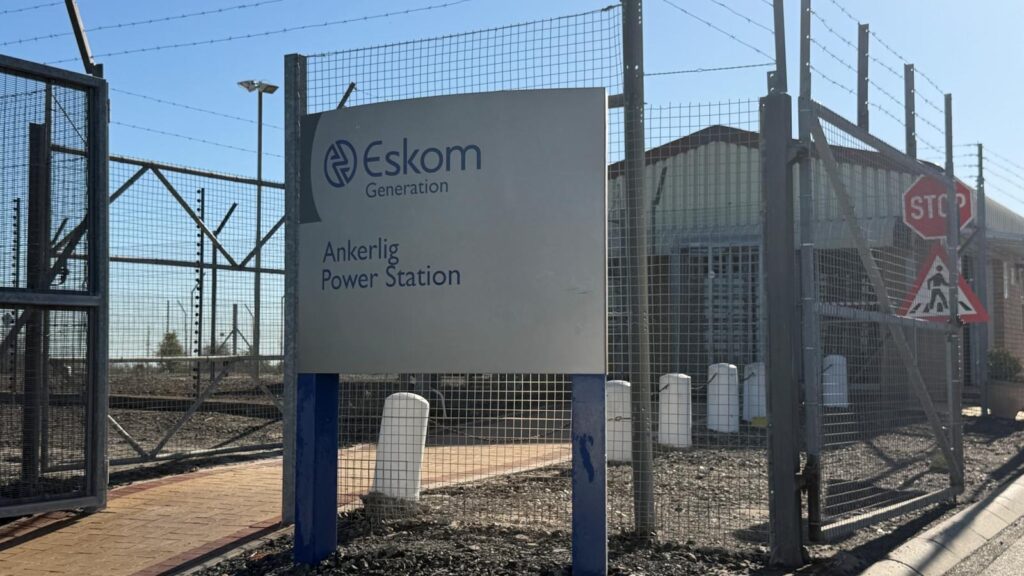
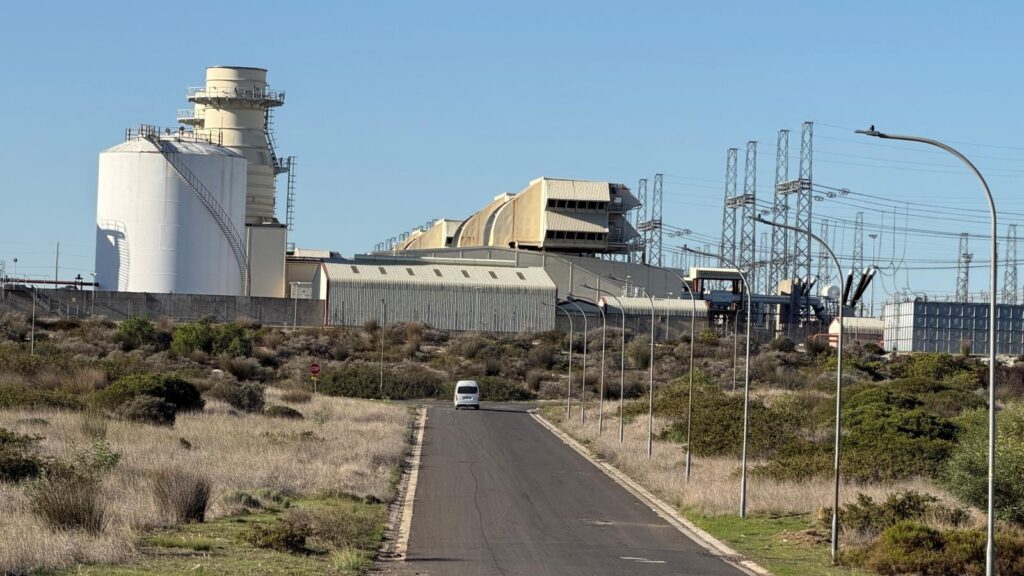
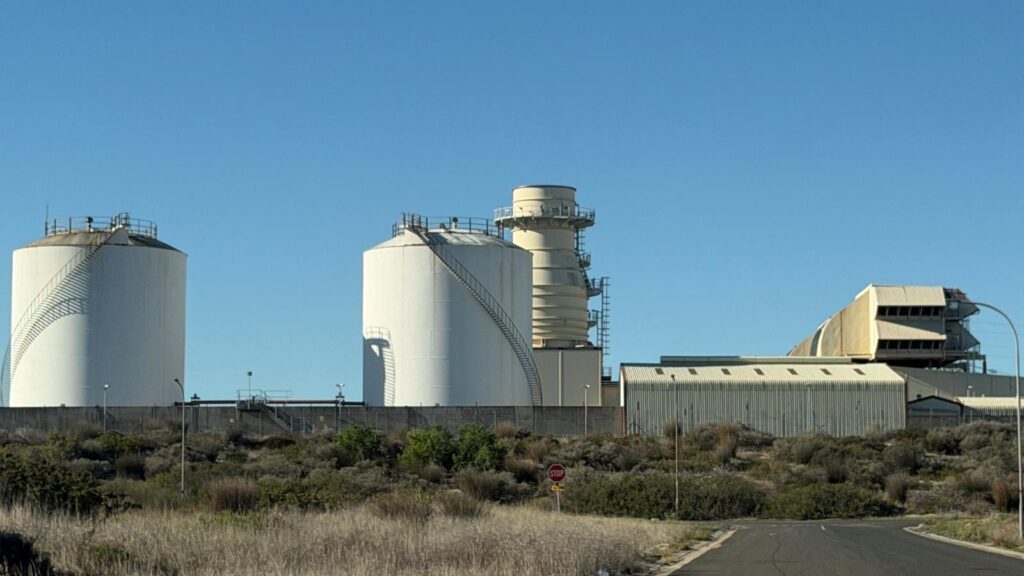
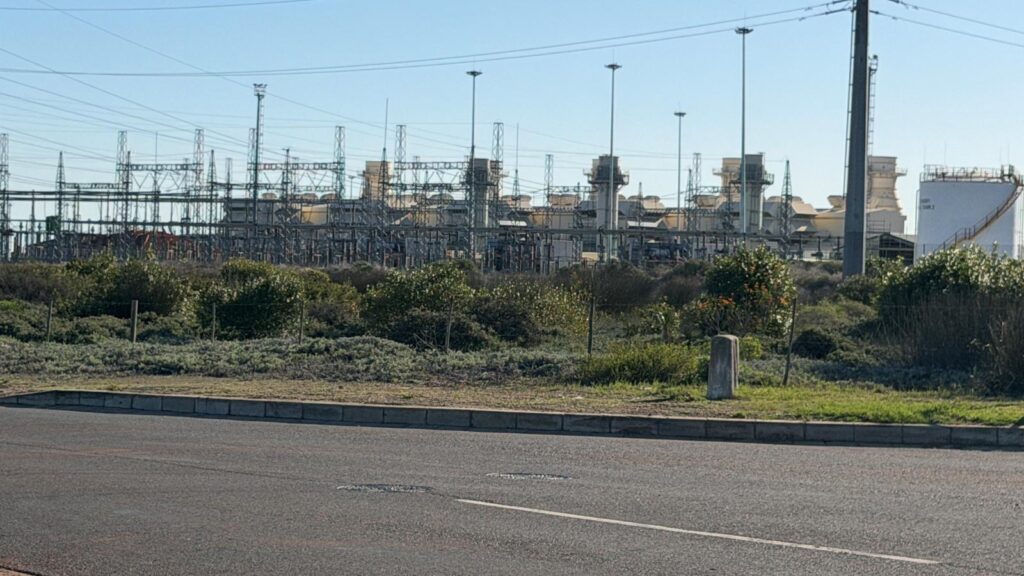
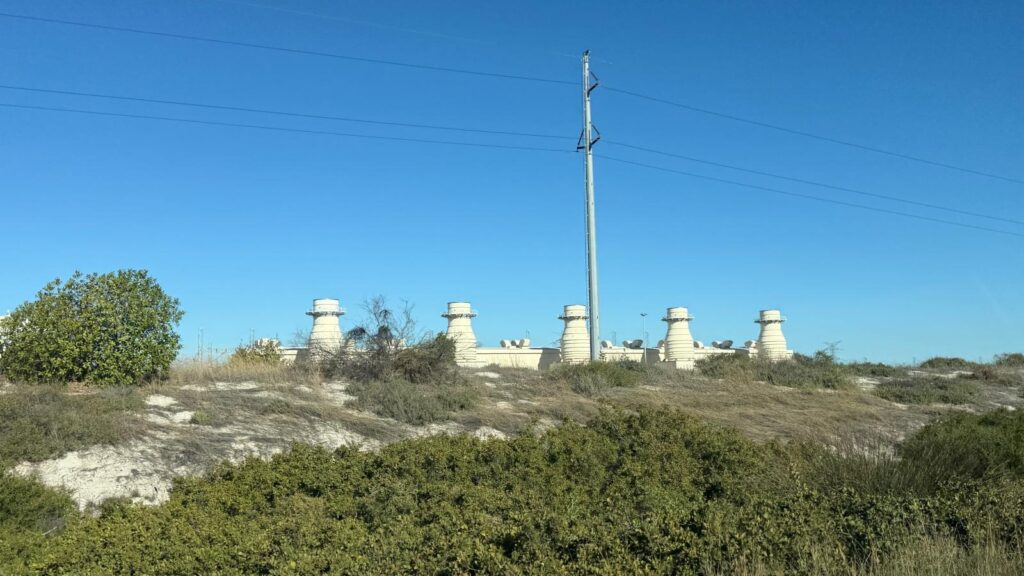
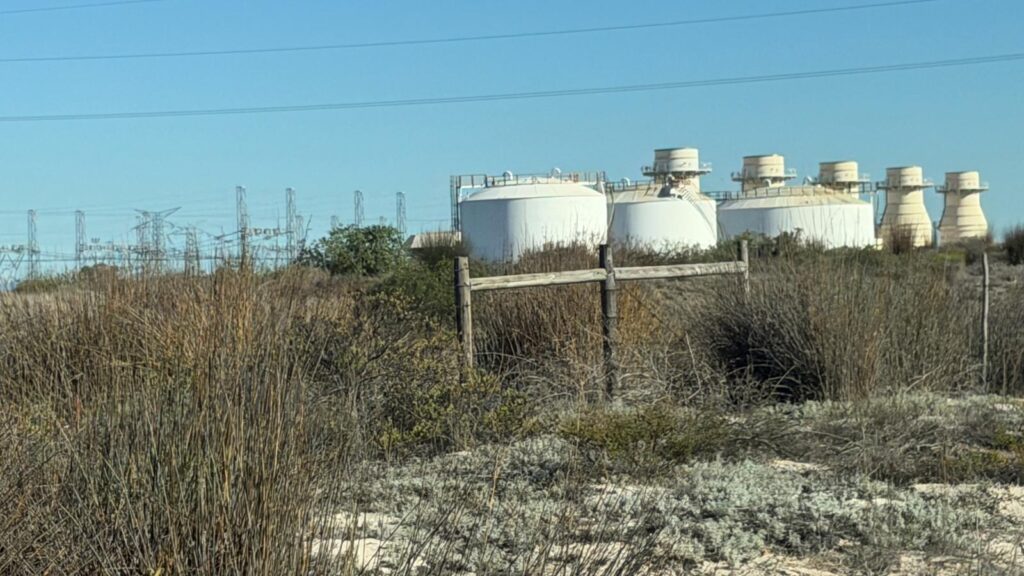
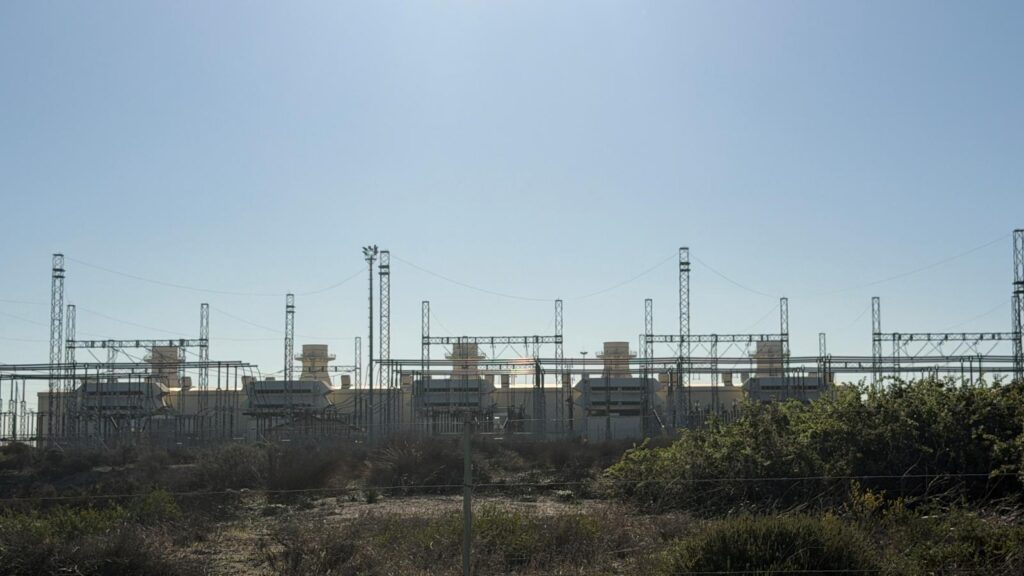
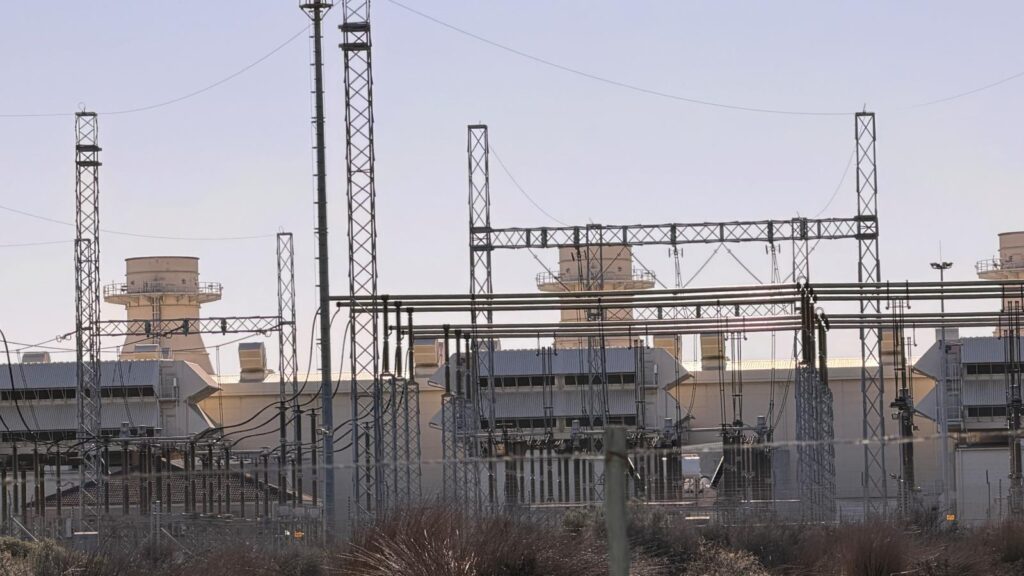
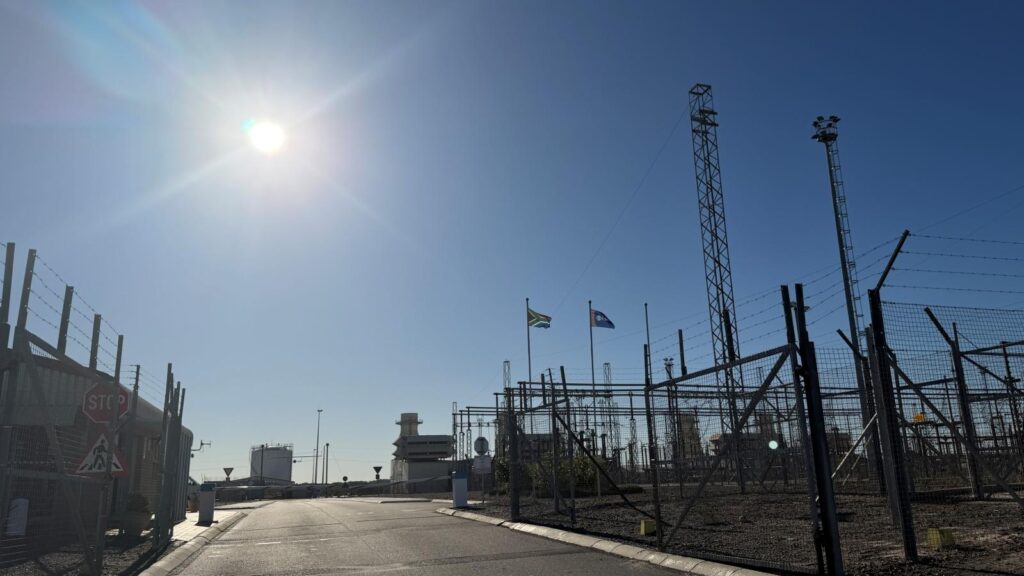
Eskom primarily uses diesel to run its OCGTs, such as Ankerlig in the Western Cape, to smooth out supply and limit the extent of potential load-shedding.
These stations were designed as peaking stations to meet temporary spikes in demand, not to be run for extended periods as they were during load-shedding when they consume substantial amounts of diesel.
When coupled with the need for businesses and households to run their own diesel generators during periods of load-shedding or load reduction, the impact can be devastating.
However, much of the blame cannot be placed at Eskom’s feet, as its consumption of such a large share of the total diesel supply also points to the collapse of South Africa’s refining capacity.
In a recent research report, Cresco noted that these issues are fundamentally intertwined due to Eskom’s diesel consumption.
With South Africa losing half of its refining capacity since 2020, should load-shedding return, Eskom’s increased diesel consumption could result in significant supply constraints.
“While South Africa is currently experiencing pricing shocks, logistics disruption and localised shortages, a key outlier variable is what would happen in the face of Eskom’s return to load-shedding?” Cresco’s Dominic Goncalves asked.
This would be combined with an external shock from the closure of the Strait of Hormuz, putting South Africa’s supply under significant pressure.
As Sasol CEO Simon Baloyi explained, local refinery capacity gives a country significant optionality to shift supply sources and the type of supply.
Having sufficient local capacity enables a country to import crude oil rather than refined petroleum products produced elsewhere, allowing it to import from a wider range of sources.
South Africa does not have this optionality, with the majority of its fuel supply coming in the form of refined petroleum products.
Data from Old Mutual Investment Group (OMIG) shows that South Africa’s fuel imports have shifted dramatically in recent years from crude oil being the dominant import to 70% of all imports being refined products.
Now that production from Middle Eastern refineries cannot reach the market, and Asian refineries cannot obtain crude from the Persian Gulf, this supply is under threat.
Were Eskom to need greater supply amid increased electricity demand or load-shedding, shortages may become a reality.
“Eskom has remained a huge consumer of diesel, despite significant improvements at its coal-fired power plants,” ESG Analytics economist Sifiso Skenjana told 702.
“This makes the state, through Eskom, the largest procurer of diesel in the country and thus the largest player in this market.”
South Africa’s refining collapse

South Africa’s refinery capacity has fallen off a cliff since 2020, with these facilities becoming uneconomical to operate.
The margins on refining in South Africa are very slim, discouraging companies from investing in upgrades. This results in them investing simply to keep the facilities operational.
South Africa currently only has three operational refineries – Astron Energy’s in Cape Town and Sasol’s Natref and Secunda refineries. Combined, these refineries have a capacity of around 350,000 barrels per day.
OMIG analyst Siya Mbatha explained that Sasol and Astron can add modular components to increase refinery capacity, but these are unlikely to move the needle in a meaningful way.
Some refining capacity can be restarted, with the Central Energy Fund looking to restart operations at Sapref in Durban.
This is the country’s largest refinery, with a capacity of 180,000 barrels per day. However, it has been shut since 2022 after Shell and BP stopped operating the facility.
The Engen refinery, also in Durban, has been permanently shut down since a 2020 fire, with 135,000 barrels of capacity offline. It is now a fuel storage and import terminal.
Apart from these two major facilities, the smaller PetroSA gas-to-liquids facility in Mossel Bay was mothballed amid a lack of feedstock.
Mbatha explained that restoring South Africa’s refining capacity to a level where it provides a significant buffer to external energy shocks will take billions of rands and a decade of sustained investment.
This would also require a significant shift in thinking from the government, businesses, and investors, with energy security becoming the priority once again and not emissions.
In South Africa, this conversation will centre around Sasol, as it is the only major domestic petroleum producer and refiner.
It also has the ability to produce petroleum products without any reliance on crude oil networks through its coal-to-liquids facilities at Secunda.
However, years of increasing government pressure on refineries to reduce carbon emissions, onerous regulations, and investor pressure have led Sasol to avoid expanding its domestic capacity.
The company has largely engaged in subsistence investing to keep its facilities operational rather than expand them over the past few decades.
From supplying 40% of South Africa’s refined fuel needs in the 1980s, Sasol can now meet only around 20%.
Eskom’s Ankerlig OCGT





Comments