South Africa’s government makes R85 billion from businesses it does not tax directly


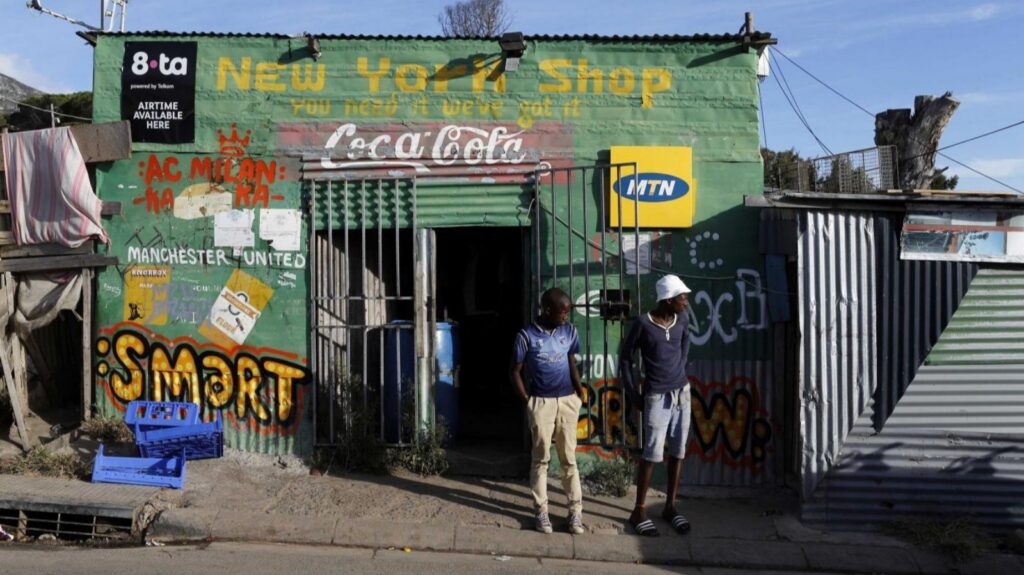
The South African government is directly profiting off of the country’s spaza shop industry, adding billions to the fiscus every year through unrefunded taxes.
South Africa’s spaza shop industry is estimated to generate over R200 billion a year in turnover, accounting for around 20% of the country’s broader R1 trillion informal economy.
There is a general belief that businesses in this sector operate entirely outside the country’s tax regime due to its less-regulated nature.
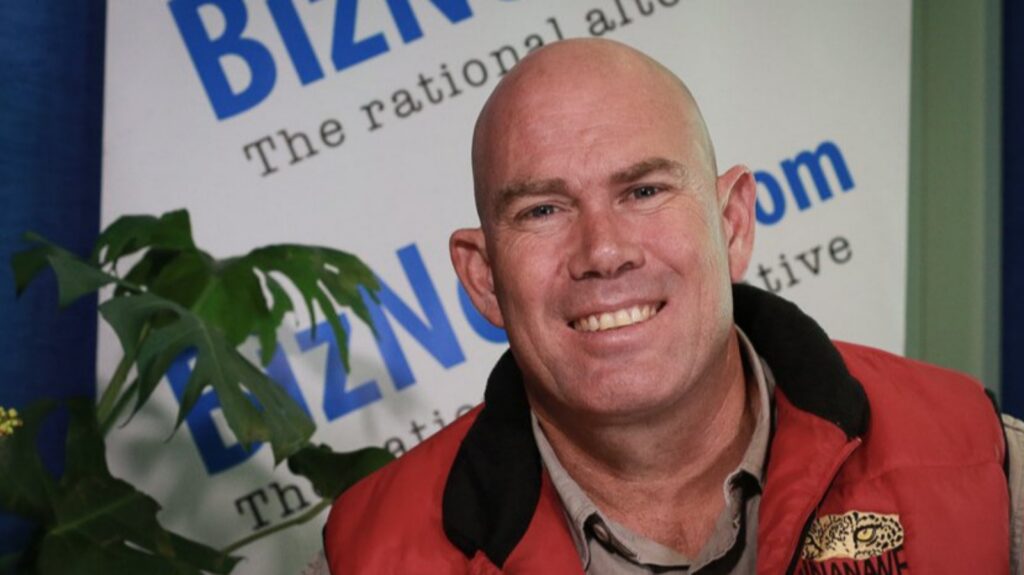
On a recent episode of the BizNews podcast, however, activist and informal economy expert GG Alcock said this is not necessarily the case.
Responding to a viewer-submitted question, Alcock explained that many businesses in the informal sector, including spaza shops, do, in fact, pay certain taxes.
This mostly comes in the form of value-added tax (VAT), which the spaza shop owners pay on the stocks they purchase for their store shelves.
“The vast proportion of them are not VAT-registered,” Alcock explained. “They pay VAT and don’t claim it. There’s a net benefit to the fiscus of about R85 billion a year.”
“They purchase their goods from wholesalers, such as Devland Cash and Carry or Kitkat. Those kinds of large, independent wholesalers.”
Alcock explained that between 60% and 70% of products from major listed manufacturers, such as Unilever, Tiger Brands, and RCL Foods, are distributed into the informal market.
This then accounts for a large portion of these companies’ profits, as there is sufficient demand coming from communities in South Africa’s townships and rural areas.
Without this high demand, Alcock said that the profits of these companies, and subsequently the taxes on those profits, would be substantially lower.
Alcock pointed to the country’s taxi industry as another example, which he said generates more than R50 billion a year in revenue.
According to Alcock, South Africa’s taxi drivers pay a collective R6 billion every year on fuel levies.
Widening the tax net
The South African government is looking to widen its tax base, which is currently highly concentrated, with a small number of individuals and businesses contributing the majority of tax revenue.
Part of this initiative involves increasing government presence and resources in the country’s townships and rural areas, where many of these informal businesses operate,
Alcock said he had met with the South African Revenue Service (SARS) to discuss ways of integrating the informal economy into the country’s formal tax network.
“One of the biggest problems is we have too much friction in how we get people to register for VAT and how we get people paying tax,” Alcock said.
“It’s not a case of people not wanting to pay tax or using cash. We’ve seen a shift, where cash today is probably close to 30% or 40% of all transactions.”
Alcock said that cash previously constituted between 70% and 80% of all transactions in South Africa. A recent study by the South African Reserve Bank found that cash accounted for 56% of all transactions in 2026.
According to Alcock, many businesses in the informal economy are open to formalising and scaling up and are not strictly opposed to being required to pay tax.
Instead, he said many of these businesses do not formalise due to onerous regulatory barriers and a lack of government resources in these areas.
He pointed to a recent report from the International Finance Corporation, which looked at micro, small, and medium enterprises (MSMEs) in South Africa.
“They found that of the reasons people use cash, only 3% of them said they didn’t want to pay tax,” Alcock said. “So it’s not that people are evading tax.”
“It’s actually that the tax net needs to be broadened. We have to create an easier and frictionless way for businesses to enter into this system.”



Comments