The former Woolworths cleaner who now makes R660,000 per month selling grilled chicken and street food sandwiches


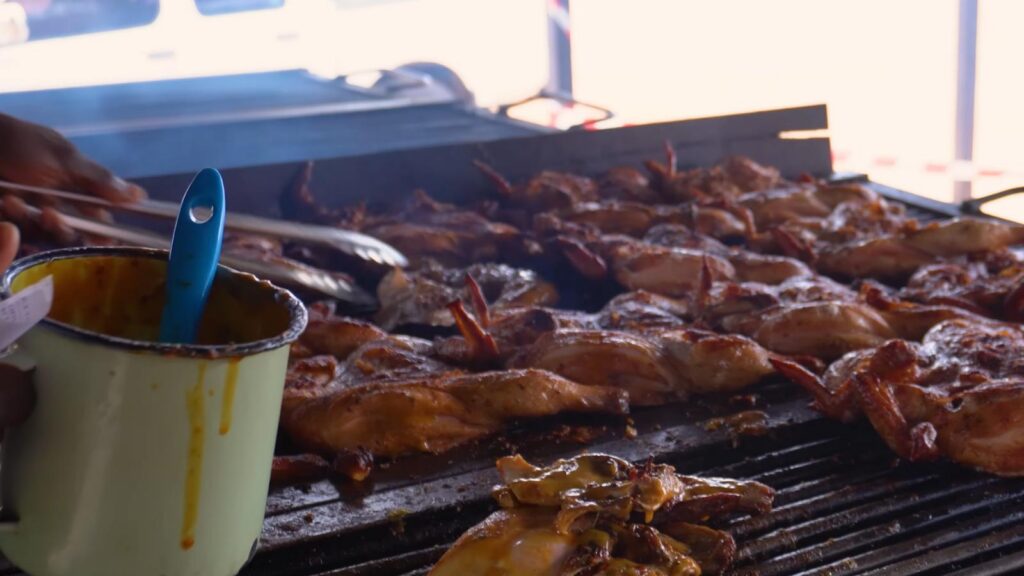
Mbali Khubekha, a former midnight-shift cleaner at Woolworths, started a traditional-food restaurant business and now earns R165,000 a week.
This is one of the stories which informal economy expert GG Alcock shared in his new book, KasiNomics Unleashed.
In his book, Alcock showcases informal economy entrepreneurs who have created successful businesses and drive economic growth in their community.
“Each one has a unique story, yet they share a common thread of perseverance, innovative spirit, resilience and ingenuity,” Alcock wrote.
“These are the men and women who are creating their own opportunities, building livelihoods, and contributing to the economy in ways that often go unrecognised.”
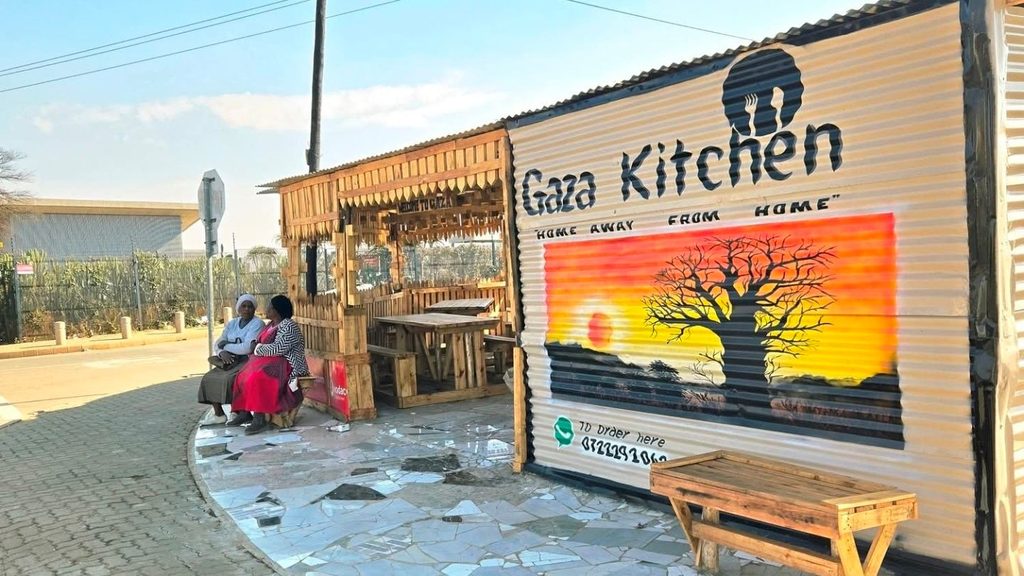
One of these entrepreneurs is Khubekha, who resigned from her job as a cleaner at Woolworths to start a Chicken Dust business.
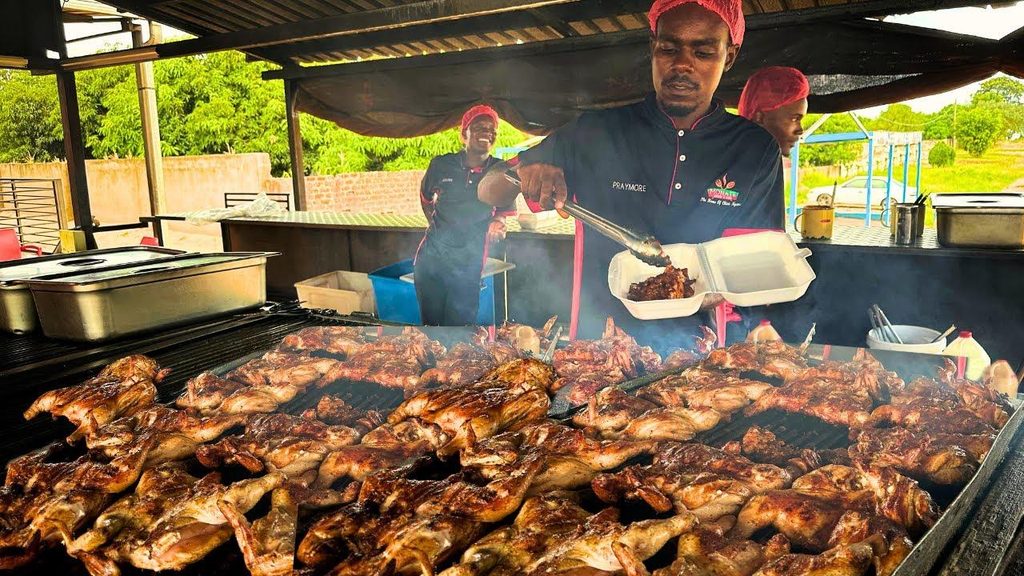
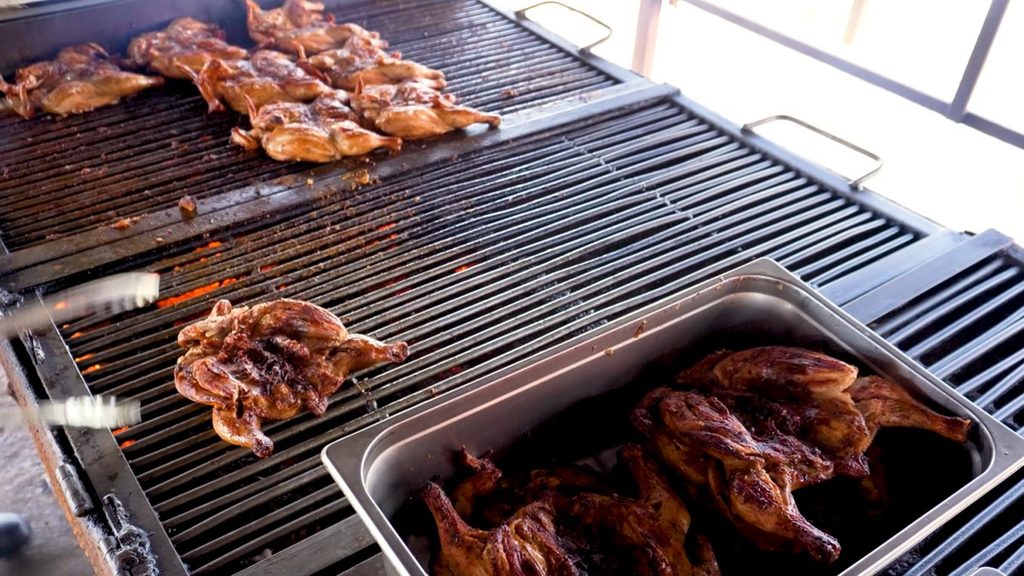
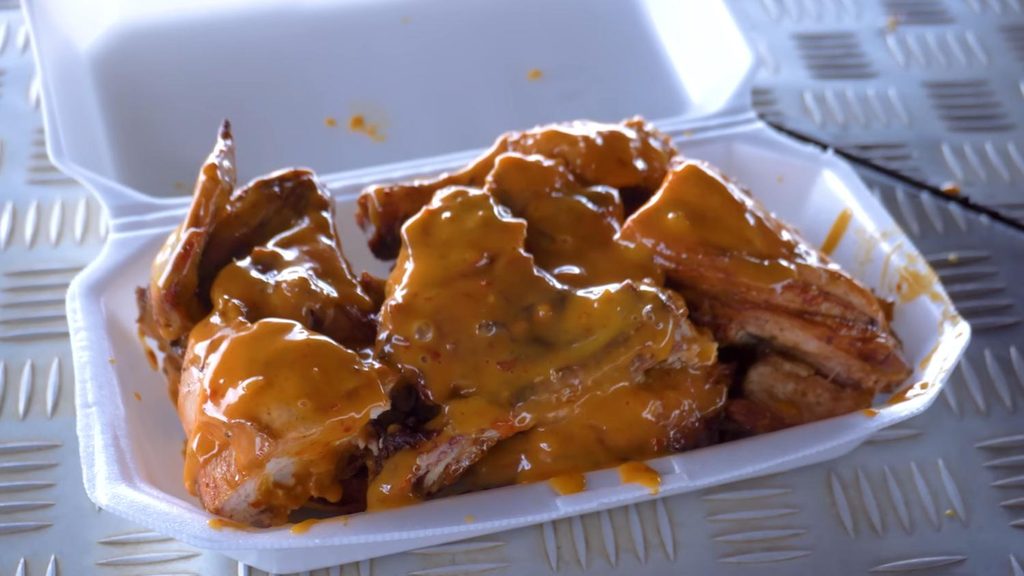
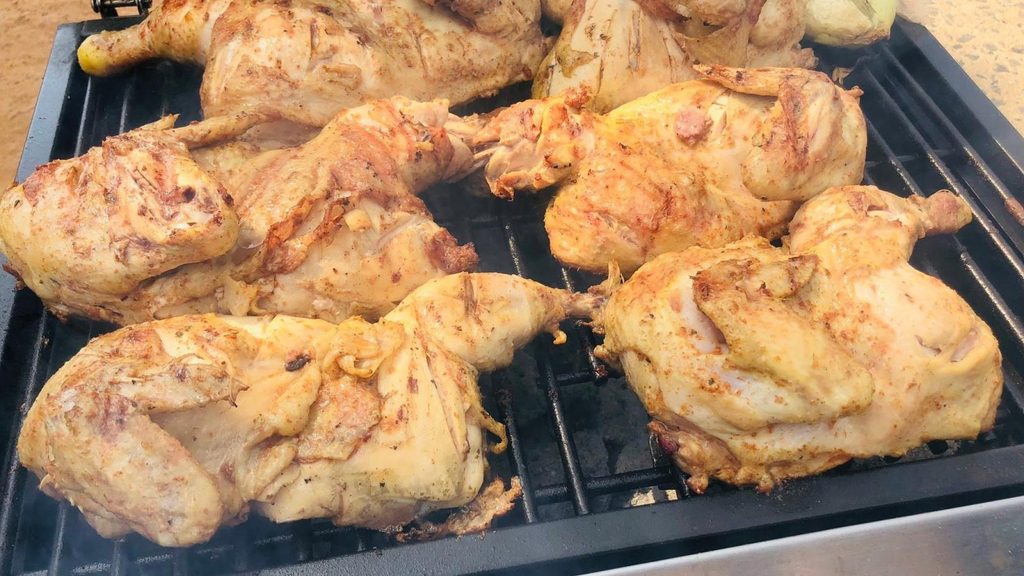
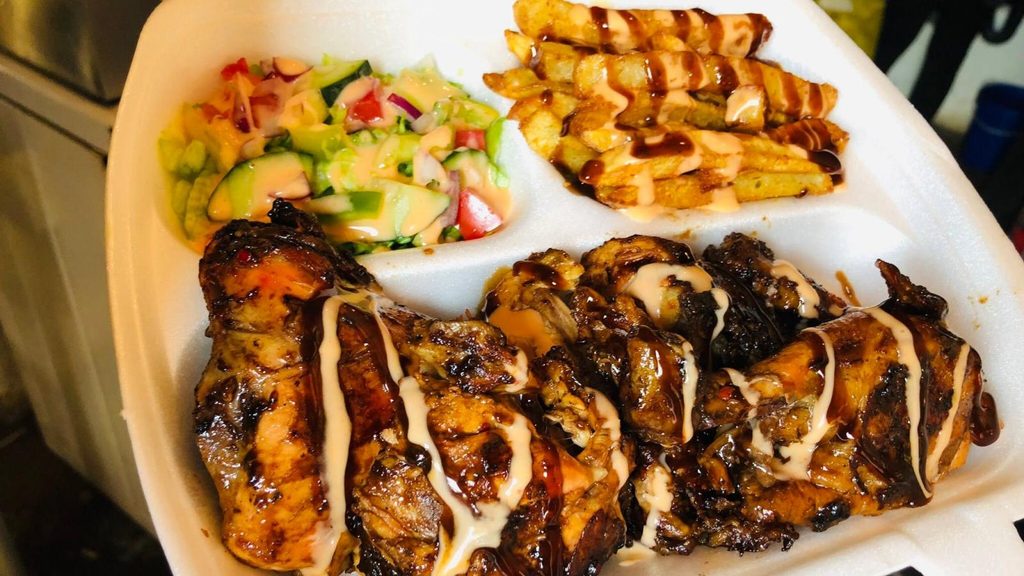
Chicken dust is a popular street food made from flame-grilled chicken cooked over an open fire or drum braai. It is served with pap and a coleslaw or tomato salad.
Starting with just two full chickens bought for R29 each, Mbali built her enterprise from scratch on street pavement corners.
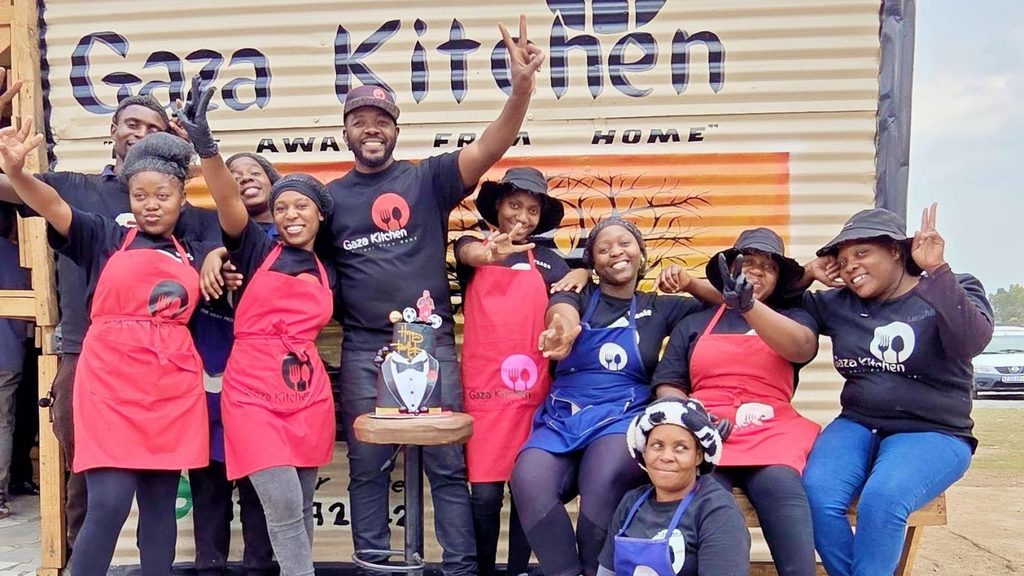
This business has shown strong growth, and she now employs 18 people, with weekly sales of R165,000 from seven outlets.
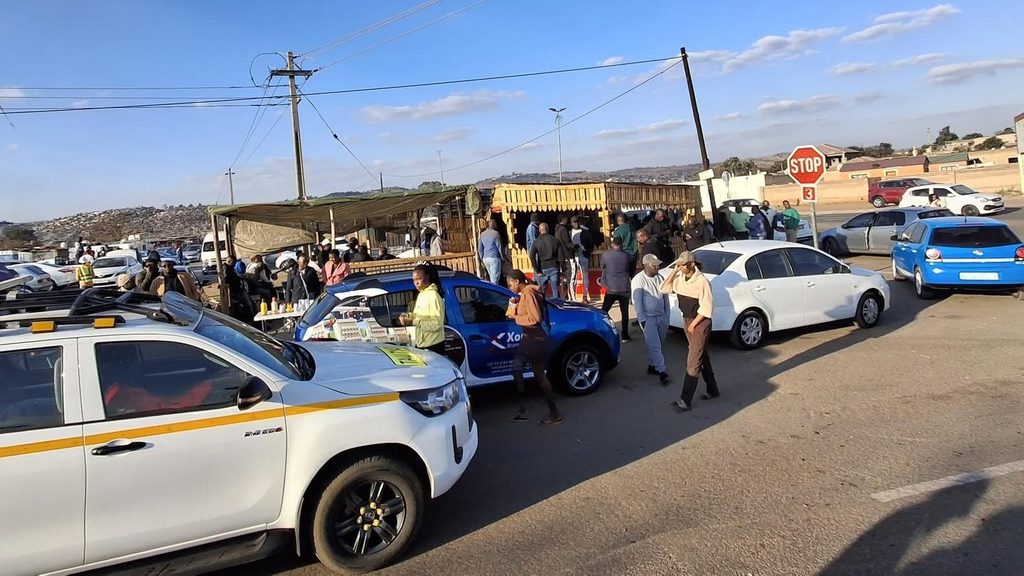
These outlets, which include four Chicken Dust businesses and three kota outlets, sell thousands of meals per month.
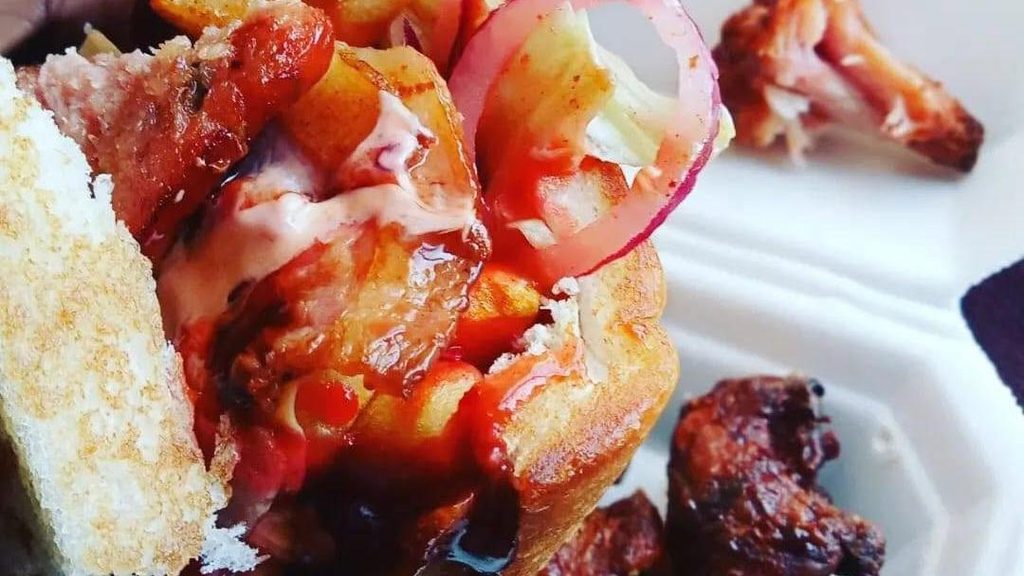
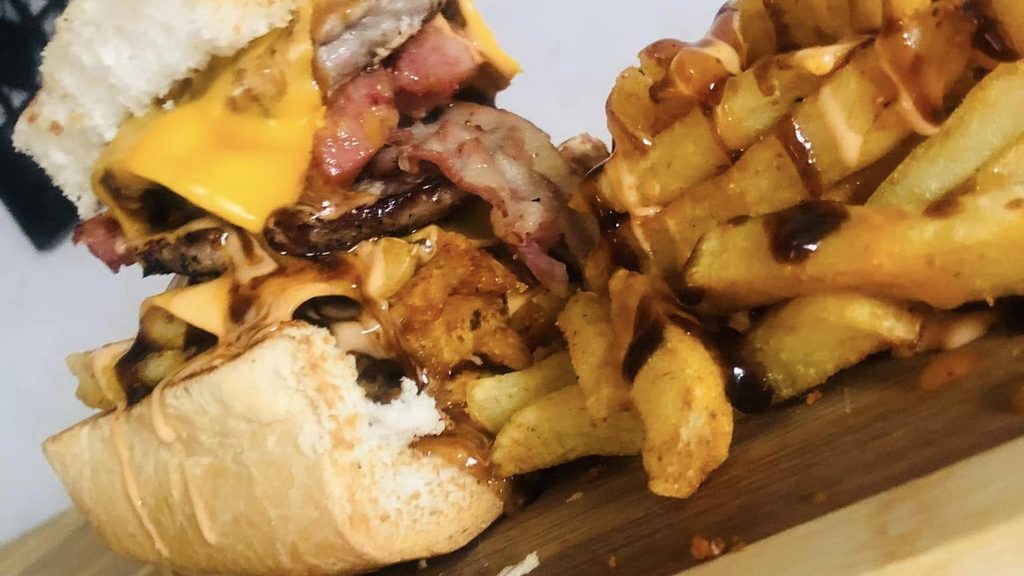
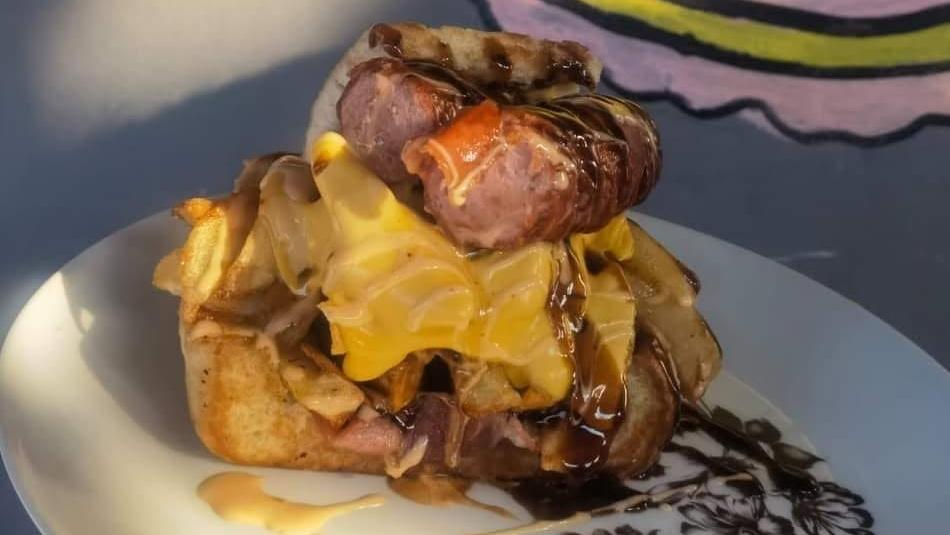
A kota is a popular South African street food sandwich made by hollowing out a quarter loaf of white bread and stuffing it with hot chips, polony, cheese, and atchar.
She also runs a digital order-and-delivery service, using WhatsApp and location pinning to manage orders and deliveries. This increases volumes.
“Mbali can sell 60 to 70 chickens a day, and at the end of the month, more than 100 chickens a day across her outlets in Soweto and two adjoining townships,” he wrote.
“She buys the chickens for R45 each and sells them grilled, with two salads and rice or chips, for R110, making a sizeable profit.”
She dreams of expanding her business with a Chicken Dust outlet in a shopping centre, a formal outlet competing with the likes of KFC and Nando’s.
Khubekha belongs to three stokvels, saving R15,000, R10,000, and R5,000 per month from her profits.
R90 billion a year informal economy fast food business
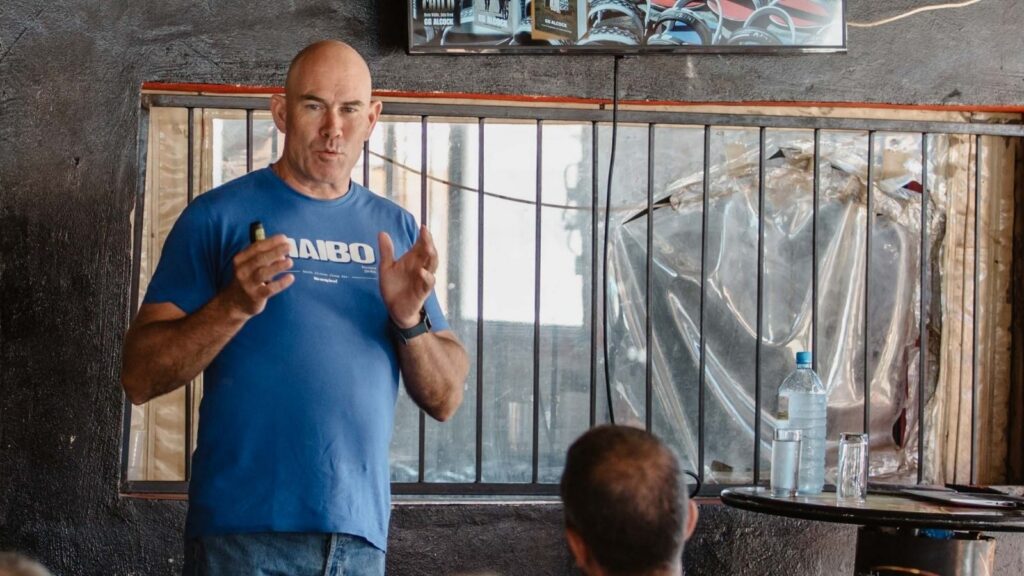
Khubekha’s chicken dust business is an example of thousands in the informal fast-food sector, which Alcock said is worth R90 billion a year.
He shared details about the size of the informal economy in a discussion on the Standard Bank Talks series.
He said that, conservatively, the informal economy’s size is between R750 billion and R1 trillion annually. However, some estimates put it over R2 trillion.
Informal economy businesses range from bakers to backroom rental barons, spaza shops, mattress makers, backroom builders, and backyard auto mechanics.
The street food sector is one of the strongest, with 50,000 informal outlets operating across South Africa.
He explained that, unlike popular belief, people support these outlets not because they are cheaper, but because they offer food which people prefer.
In some cases, their prices are higher than those of Nando’s or Steers. However, their customers prefer their product offerings to those of franchises.
He also dispelled the myth that most of these businesses are unstructured, unsophisticated, and small-scale.
He said that the informal economy is more advanced than many people think, with hundreds of thousands of entrepreneurs running sustainable enterprises.
“The businesses in the informal economy mirror the formal economy and are as vibrant as anything people will find in rich areas,” he said.
Another myth is that these businesses are only found in townships. Alcock said that they operate in all areas, including rural towns and affluent neighbourhoods.
He urged the public and private sectors to treat the informal sector as an important part of the country’s economy and to support it.
The informal sector, he said, is how millions of South Africans earn a living, representing a great opportunity for growth.
This aligns with the view of former Capitec CEO Gerrie Fourie, who said the informal economy and the employment it creates are underestimated.
Fourie said South Africa’s economic growth potential can be unlocked by growing and better understanding the country’s informal market.
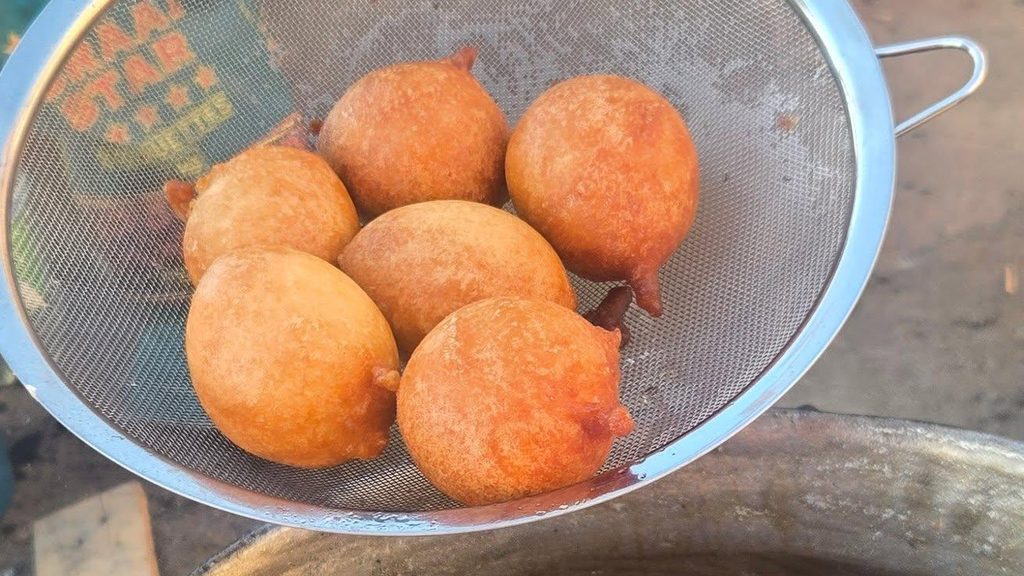
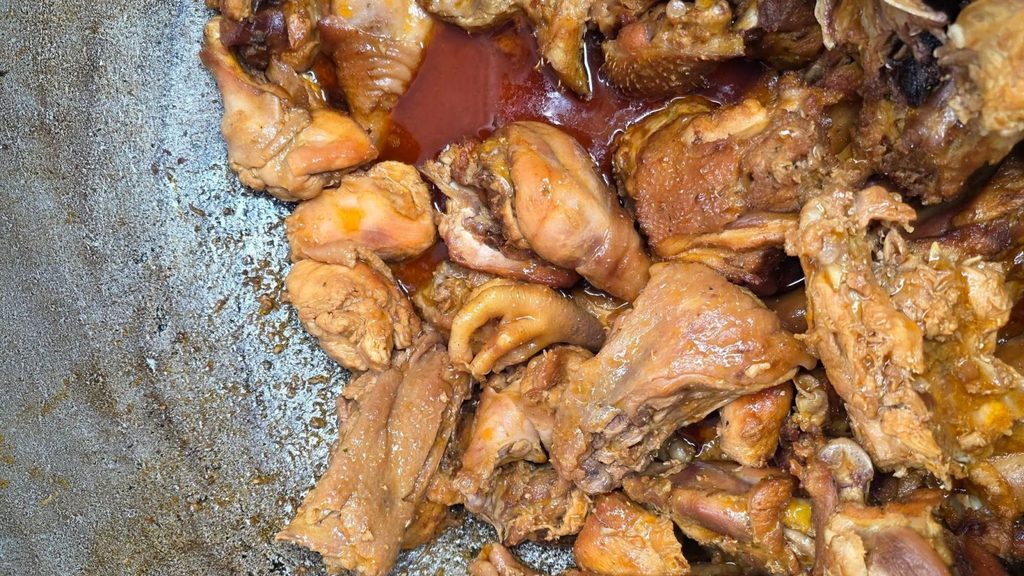
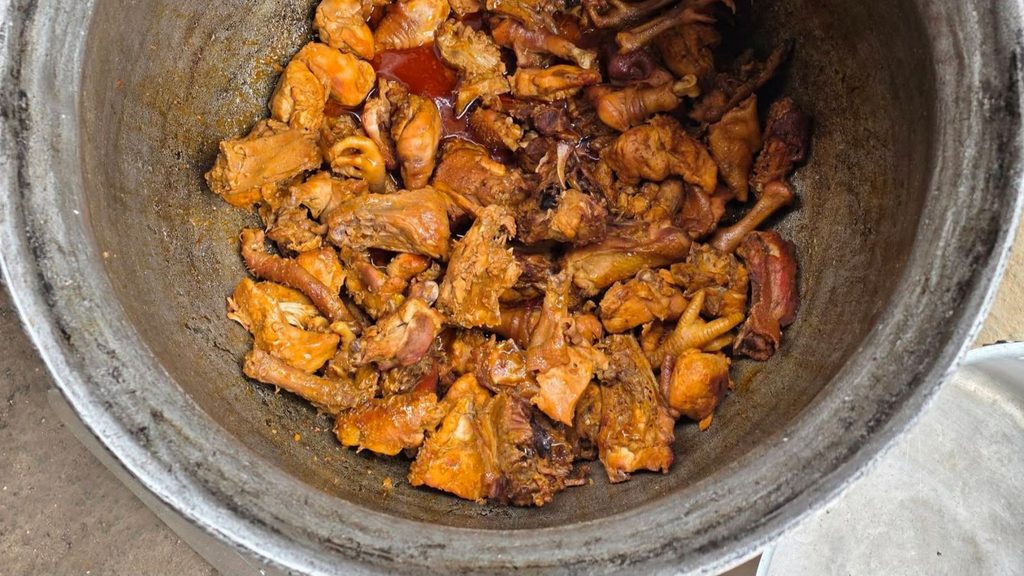
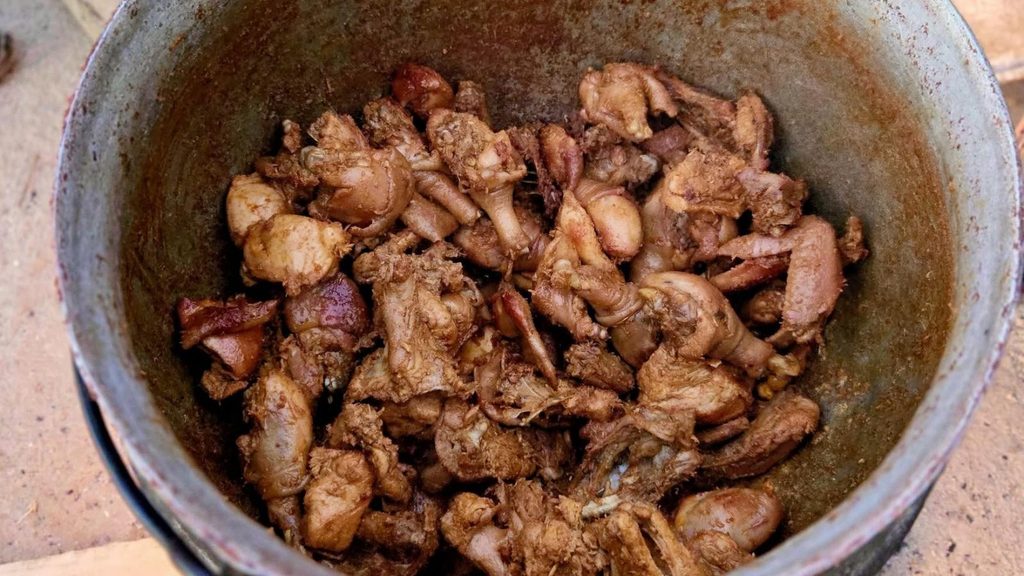
Informal fast food business photos



Comments