Top South African retailer entering South Africa’s R900 billion township economy


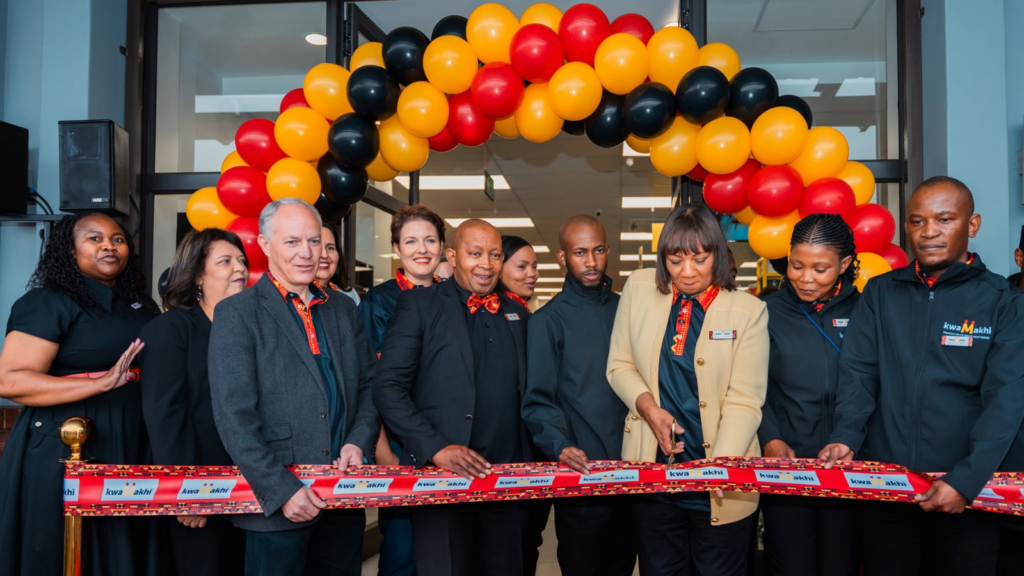
Clicks is entering South Africa’s R900 billion township economy with a new retail brand, KwaMakhi, designed for high-density, lower-income communities.
KwaMakhi opened its first store in Tembisa, Gauteng, on 27 August 2026. Two more stores followed in Khayelitsha and Cravenby in the Western Cape.
The launch marks Clicks Group’s entry into a new retail segment and gives the retailer access to communities that its traditional stores cannot serve.
Clicks Group CEO Bertina Engelbrecht said the traditional Clicks format requires larger spaces, limiting its ability to expand in township areas.
“KwaMakhi was created because we recognised that the traditional Clicks format cannot reach every community we want to serve,” she said.
Traditional Clicks stores range from 550m² to 1,500m², while KwaMakhi stores range from 280m² to 350m².
This format allows Clicks to open stores closer to residential communities and potentially operate more stores in areas such as Alexandra and Soweto.
Clicks has identified around 2,000 potential locations that its traditional store format cannot reach.
The name KwaMakhi refers to shopping at a neighbour’s place. The stores are designed to be within walking distance of customers’ homes, reducing the need to travel to larger shopping centres.
The initial stores are located in smaller shopping centres. Clicks has also installed security measures and closed-circuit television cameras to protect customers, employees and stock.
Each store is expected to employ about six people from the surrounding community.
Engelbrecht said the concept aims to make everyday shopping easier and to keep more consumer spending within local communities.
KwaMakhi will focus on everyday essentials rather than replicating the full Clicks offering.
Its range includes baby products and nappies, toiletries, haircare, beauty products, oral care, household goods, laundry and cleaning products, as well as front-shop healthcare products.
The stores also carry categories that are broader than the traditional Clicks range, including additional haircare products and home storage solutions. Healthcare remains an important part of the format.
Speaking on the Kaya Biz podcast, Engelbrecht said every front-of-health product on the shelves is registered with the South African Health Products Regulatory Authority.
The products are also supplied through Clicks’ distribution network. The stores do not include pharmacies or clinics.
How Clicks is breaking into the township economy

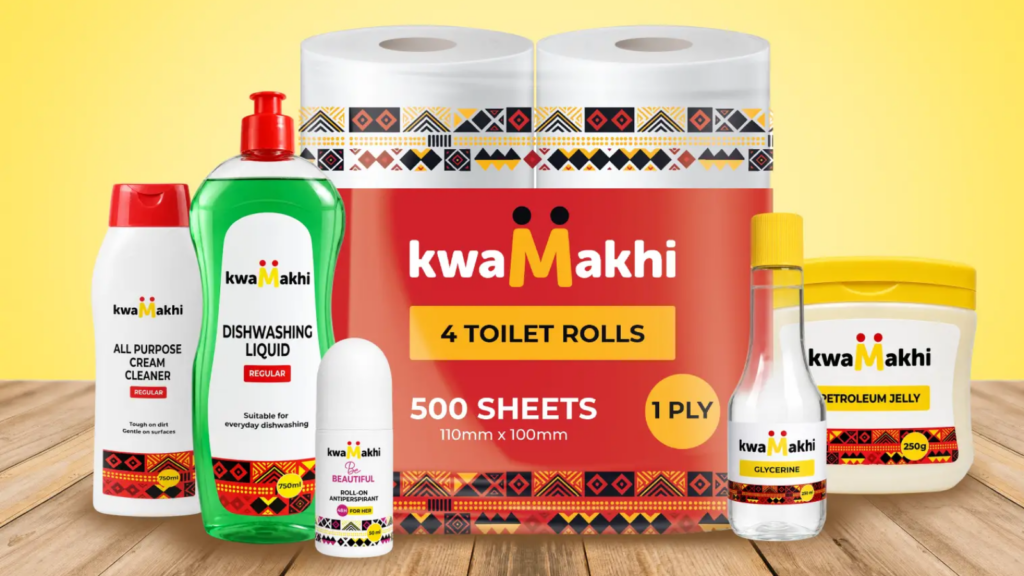
KwaMakhi is also designed around affordability. Around 30% of the initial product range is private label, with national brands making up the rest.
Clicks could increase the private-label share as the format develops. Rather than relying mainly on promotions, KwaMakhi uses an everyday-low-price strategy.
The stores will also offer smaller pack sizes, which can help customers manage purchases when they have less cash available for larger baskets.
Clicks said it expects customers to have smaller average baskets than those at traditional Clicks stores.
However, it expects higher transaction volumes because of the number of potential locations and the frequency of neighbourhood shopping.
Clicks is not the first major brand to enter South Africa’s township economy. Companies like Shoprite, Tiger Brands and Capitec have all invested in new formats located across the country’s townships.
The market’s size is estimated to be worth R900 billion a year, with spending among lower-income consumers growing faster than the broader retail market.
For Clicks, KwaMakhi provides a way to compete in a market where informal retailers have traditionally benefited from proximity to customers.
Engelbrecht said the company wants to combine the convenience of a neighbourhood store with the product quality and supply chain of a national retailer.
The Group plans to expand the number of KwaMakhi stores as it tests the model and learns what products work best in different communities.
While there is potential for the concept to eventually extend beyond South Africa, Engelbrecht said the immediate focus is on developing the local model and ensuring it works before expanding into other African markets.
“We believe KwaMakhi has the potential to become far more than a South African retail concept,” she said.
KwaMakhi










Comments