Billionaire brothers behind WeBuyCars dodged a bullet that would have crushed their company


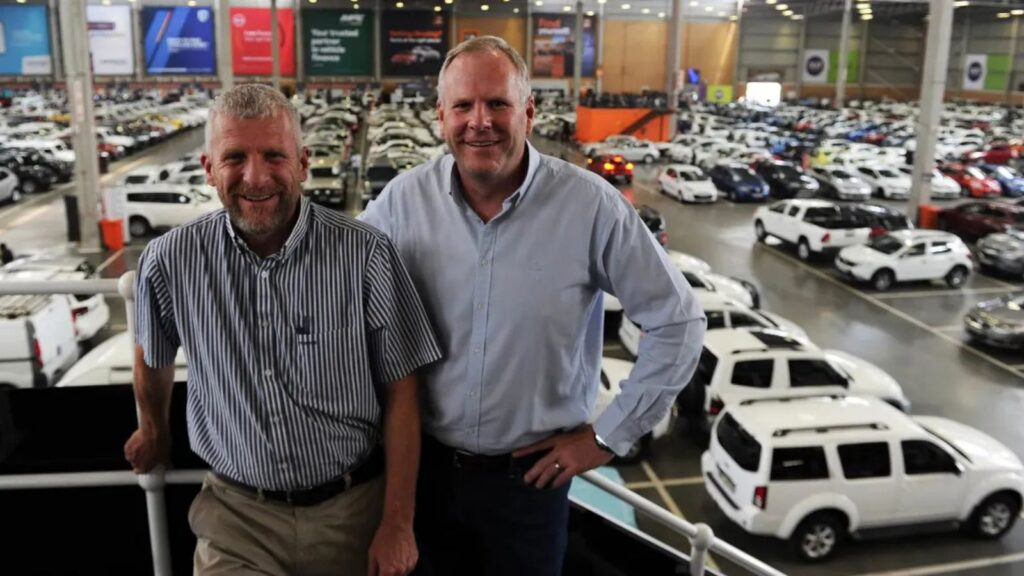
The unbundling of WeBuyCars from Transaction Capital saved the crown jewel from being tied up in the messy collapse of its parent company.
This would have potentially crushed the company, undoing 20 years of hard work from brothers Faan and Dirk van der Walt.
Instead, WeBuyCars listed separately on the JSE and became the company with the fastest-growing organic revenue on the exchange from 2019 to 2025.
PSG Capital senior associate James Moody recalled the story behind WeBuyCars’ listing on the JSE, with the firm executing the transaction.
Founded in 2001, WeBuyCars comes from a very humble beginning, with the two brothers repairing cars in their backyard.
Taught by their father how to repair cars, Faan and Dirk would spend much of their free time working on engines, brakes, tyres, and anything to do with vehicles.
Faan dreamt of turning this into a business. He would study newspaper adverts and think about how he could buy cheap cars for sale, repair them, and sell them for a higher price.
The business grew slowly at the beginning, with it taking nearly a decade for the brothers to buy their first warehouse. Bought in 2010, this became the first WeBuyCars “supermarket”.
This transformed the brothers’ business almost overnight. Within a year, the company’s parking capacity had risen six times to 700 bays.
The brothers worked extremely hard, doing everything themselves until 2012 when they hired their first buyers to help them source cars.
WeBuyCars began expanding across South Africa, opening a Cape Town supermarket in 2014 and appointing buyers in all major urban areas in the country.
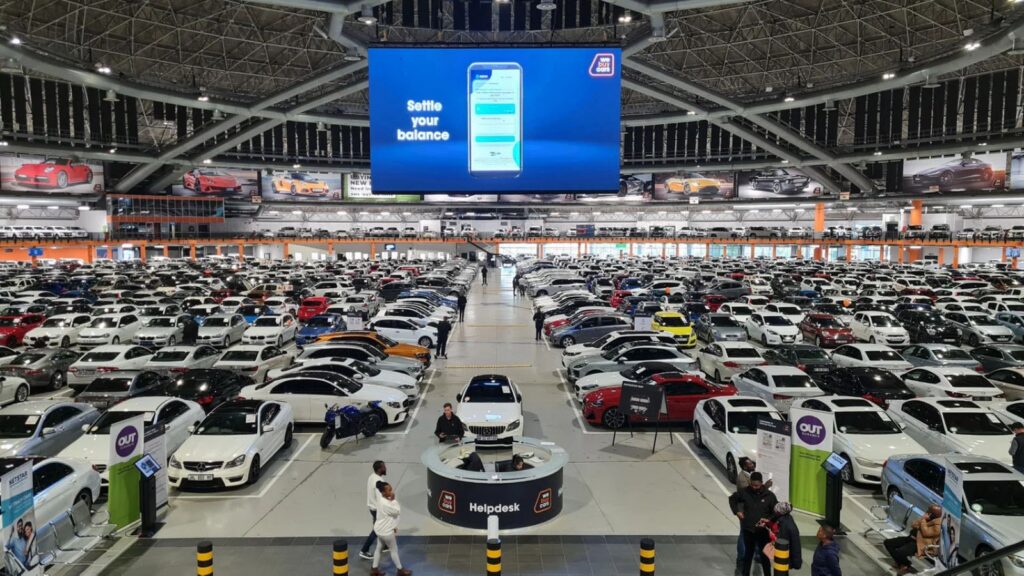
Today, the company is a giant. WeBuyCars trades over 14,000 vehicles every month and is valued at R13.6 billion.
The brothers now oversee 2,750 employees, 18 supermarkets, and 100 buying pods spread across South Africa. WeBuyCars also has operations in Morocco, albeit relatively small.
However, this almost did not become reality after the company was bought by Transaction Capital in 2020 to become the crown jewel in its portfolio of assets.
The brothers did the deal to access capital and financing to rapidly expand their business. They also planned to leverage Transaction Capital’s digital finance offerings to bundle services to clients.
On paper, the rationale behind the deal was flawless. In reality, it proved to be a ticking time bomb, and WeBuyCars was almost collateral damage in Transaction Capital’s implosion.
Dodging the bullet
After Transaction Capital exercised options to increase its holding in WeBuyCars in 2021, the brothers were left with the remaining 25.1%.
WeBuyCars was shooting the lights out at this stage, posting strong topline and bottom-line growth as demand for secondhand cars surges in the aftermath of the Covid-19 pandemic.
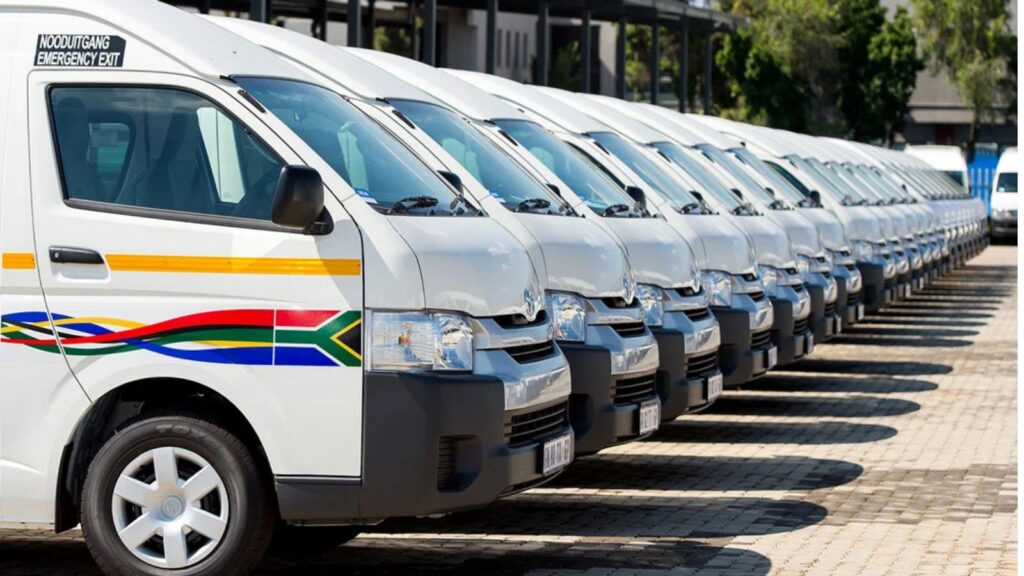
However, while it was thriving, Transaction Capital was facing significant financial trouble from its other investments, particularly SA Taxi.
WeBuyCars benefited from the fallout of the pandemic, but SA Taxi was clearly one of the losers from the high-interest-rate environment.
While high interest rates boosted demand for secondhand cars by making new vehicles unaffordable, they crushed sales of taxis and made existing financing extremely expensive.
SA Taxi could not find buyers willing to finance new taxis, and its existing clients were struggling to pay back their loans.
The challenges at this company crushed Transaction Capital’s financial performance and turned the tables on the JSE-listed firm, which had recently been an investor darling.
With the rest of its investments struggling, WeBuyCars became a larger and larger part of Transaction Capital. At its peak, it contributed 60% of group earnings.
It was trapped within Transaction Capital and, as a result, suffered from a huge discount to its underlying value and impacted its access to cheap funding.
Moody explained that PSG Capital was tasked with advising Transaction Capital on its plan to separate WeBuyCars and list it separately to raise capital for the parent company.
This would save the crown jewel and ensure it was independently valued by investors, saving it from being caught up in the collapse of Transaction Capital.
It would preserve the company that Faan and Dirk had worked 20 years to build from their backyard into a giant trading company that traded thousands of cars every month.
Listing WeBuyCars
One of the biggest challenges with listing WeBuyCars separately was valuing a business that had no comparable peer in South Africa.
Moody explained that most comparable companies operated in different jurisdictions and had vastly different financial constraints.
Local motor groups, such as Motus and CMH, did not operate on a similar basis to WeBuyCars. They have extensive after-sales services, large dealership networks, and sell both new and used cars.
Moody said this forced the valuation team to make specific adjustments for country risk, size differences, and geographic diversification to compare WeBuyCars to its international peers.
Transaction Capital sold R1 billion worth of its shares in WeBuyCars before it was listed separately to help it settle credit facilities and eliminate any links to SA Taxi.
Following this, PSG Capital worked closely with WeBuyCars to leverage the company’s data to provide investors with a valuation for its initial public offering.
The firm used metrics such as profit per vehicle, inventory turnover, and market share growth to determine the value of a company never been seen directly by investors before.
This was complicated further by the fact that Transaction Capital was a listed business, meaning that PSG Capital could only use publicly available information.
Moody said that one of the most difficult elements of the transaction was dealing with stakeholders, the “soft stuff” not taught in textbooks.
To execute the transactions, Moody and his team had to manage stakeholders ranging from the JSE, individual investors, asset managers, and the original founders.
WeBuyCars officially listed on the JSE on 11 April 2024. Today, it operates as a fully independent entity with the aim of trading 23,000 cars a month in the near future.
Transaction Capital has been lost to the JSE, with its remaining streamlined operations being housed in Nutun. The company is a shell of its former self.
Comments