The woman who makes R100,000 per month selling coffee for R10 next to one of South Africa’s top luxury shopping malls


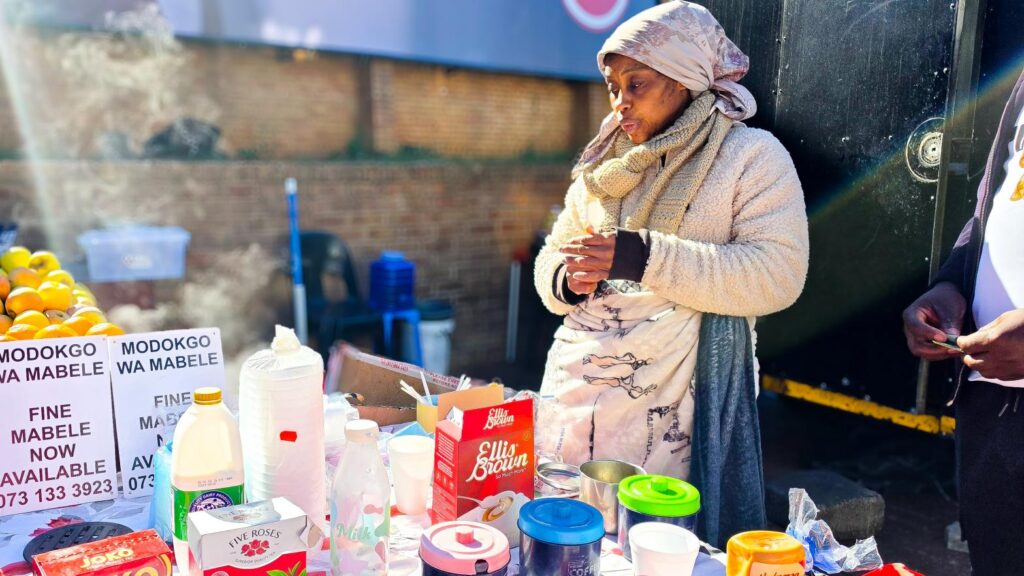
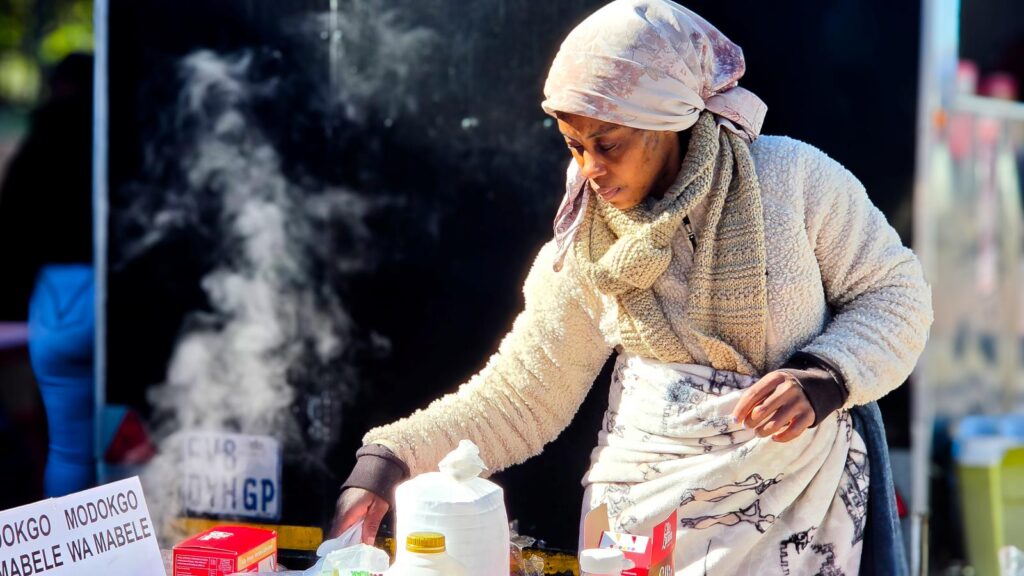
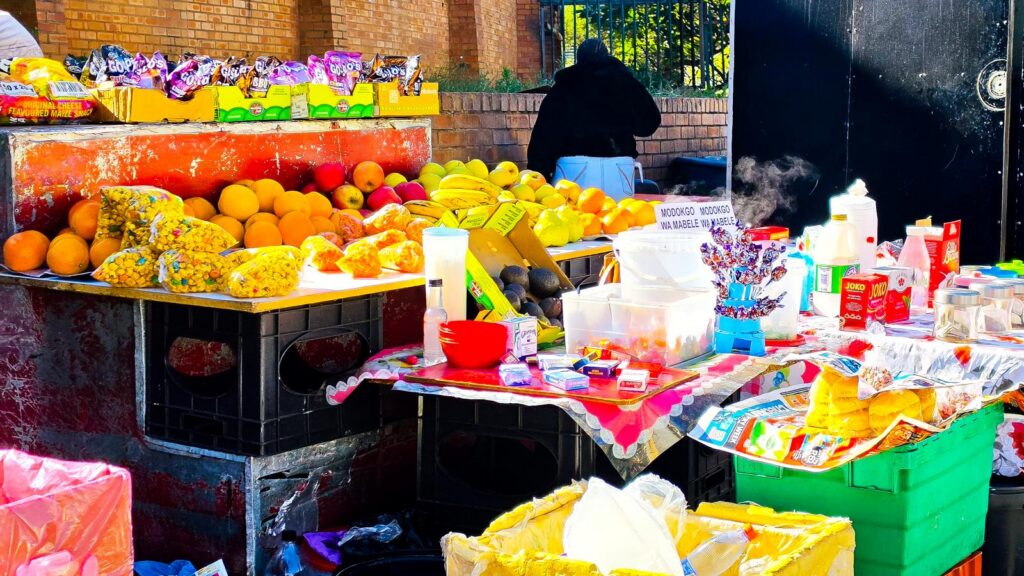
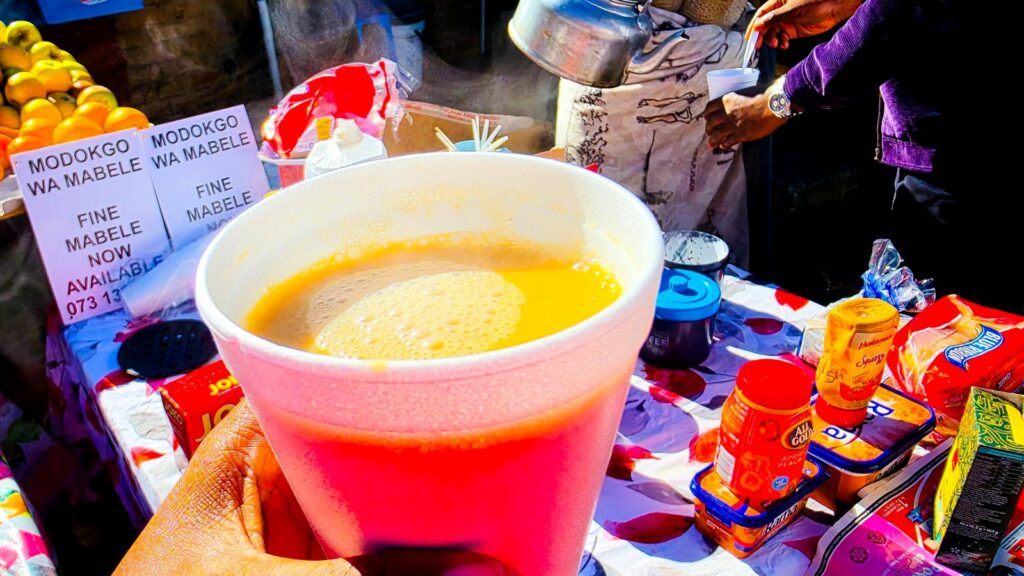
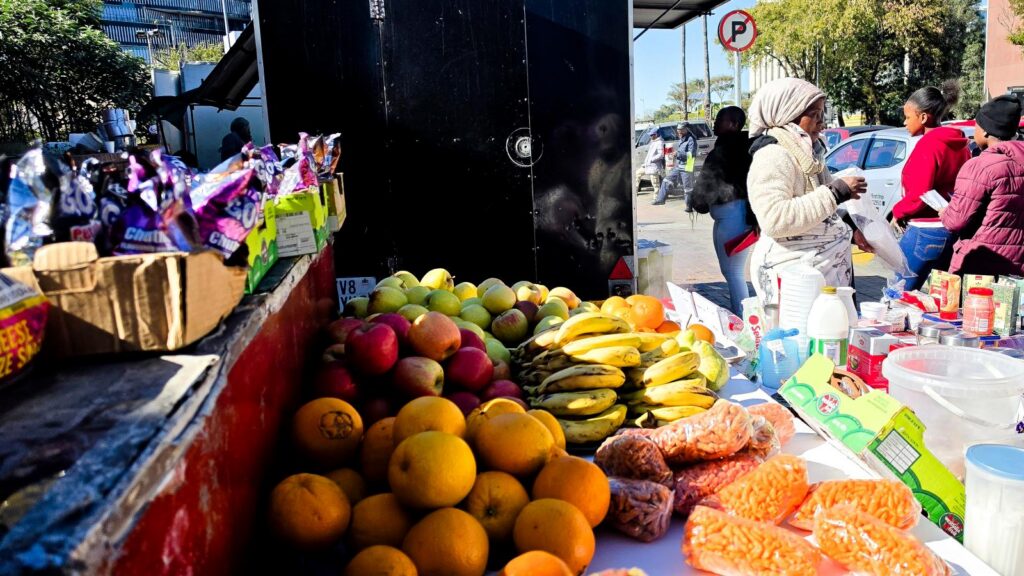
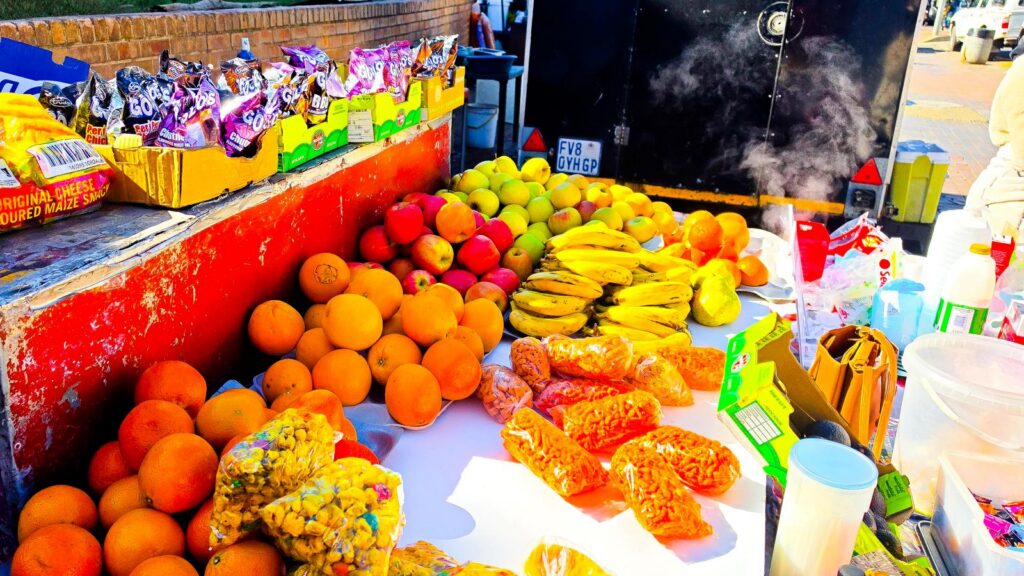
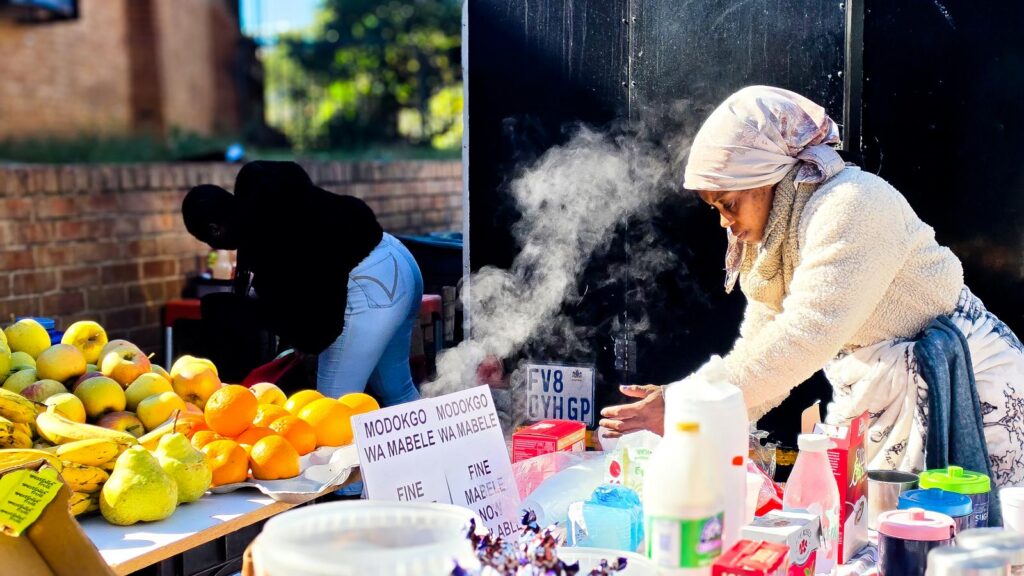
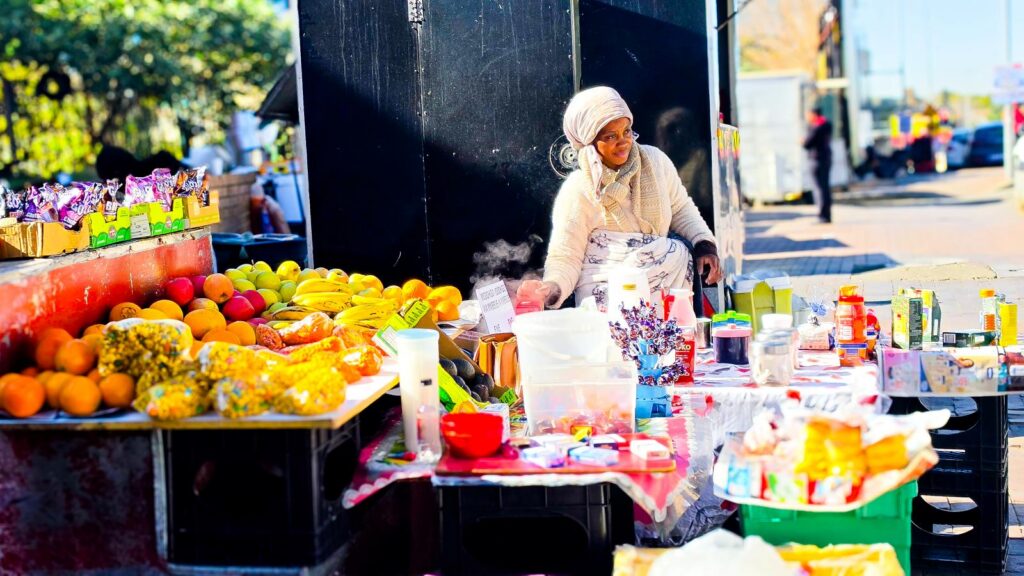
Vutomi Chavalala co-owns and runs Vutomi’s Street Stand, which makes up to R3,500 per day selling hot coffee, flavoured drinks, and bananas.
What stands out about Vutomi’s Street Stand is that it is based next to Sandton City Mall, one of the most exclusive shopping centres in South Africa.
Sandton City promotes itself as Africa’s most iconic shopping centre, which is home to 367 of the world’s most coveted retail brands.
“Defining the Sandton skyline, Sandton City embodies all the glamour of world-class shopping, dining, and leisure,” it said.
The mall includes The Diamond Walk, renowned for housing the world’s most prestigious luxury brands.
It features flagship stores for iconic design houses such as Louis Vuitton, Gucci, Prada, Dolce & Gabbana, Burberry, Cartier, and Patek Philippe.
Just outside Sandton City, Chavalala, who is originally from Giyani Mapayeni village, operates Vutomi’s Street Stand with her mother.
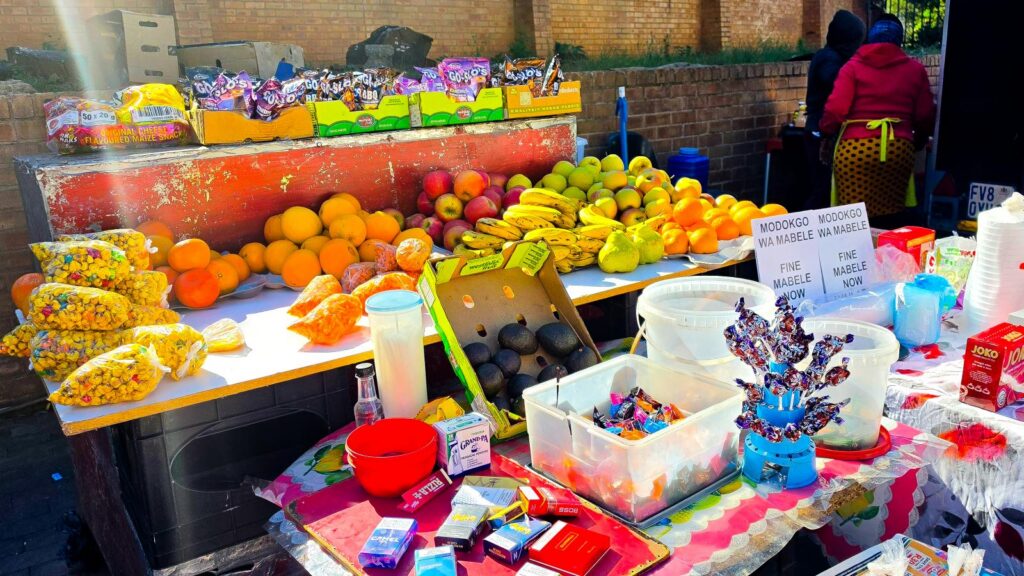
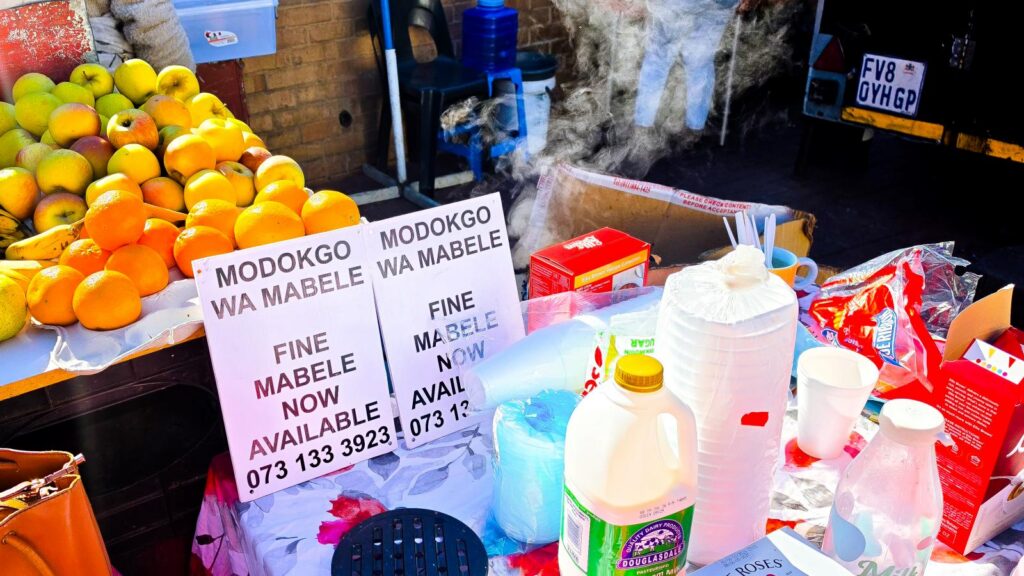
She offers clients a variety of snacks, beverages, and traditional breakfast items, including coffee, tea, scones, soft porridge, sweets, chips, and fruit.
Unlike Sandton City, these products are highly affordable. Hot coffee costs R10, flavoured drinks are R10, and bananas are R5.
Vutomi’s Street Stand’s typical clients are professionals and retail staff working inside and around Sandton City Mall.
She deals only in cash and earns between R3,000 and R3,500 per day, totalling around R100,000 per month.
Chavalala plans to upgrade from a stand to a food caravan by September 2026, allowing her to cook and sell plates of pap, which is highly profitable.
Vutomi Chavalala makes a basic monthly salary in just three days
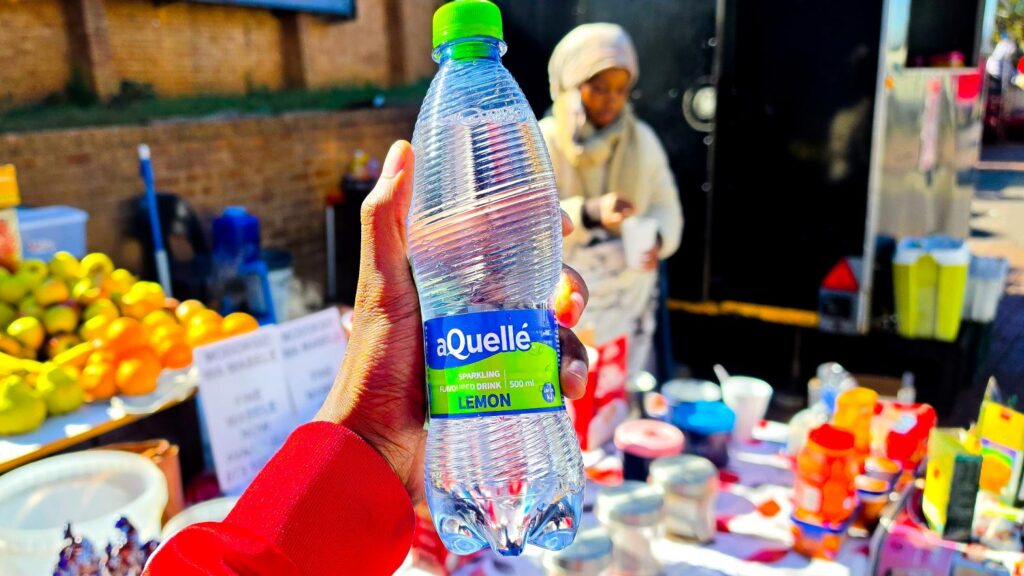
Chavalala told Daily Investor that there is a heavy stigma against street vendors among more professional employees.
“Some Sandton City workers look down on me without realising I often make their entire monthly salary in just three days,” she said.
People often associate street vendors with unsophisticated subsistence businesses, which people are forced into for survival. This is not the case.
Vutomi’s Street Stand operates with a smart, shifting daily inventory to ensure she offers clients what they want and optimises revenue.
“Mornings are dedicated to hot coffee, scones, and soft porridge, while the afternoon rush smoothly transitions to cold flavoured drinks, sweets, and fruits,” she said.
Vutomi’s Street Stand is an example of an advanced informal business in an affluent neighbourhood, which GG Alcock said is commonplace.
Alcock, an informal-economy expert and author of KasiNomics Unleashed, challenged the conventional view that informal businesses are confined to townships.
He said that informal businesses, which form part of the R1 trillion informal economy, mirror those in the formal economy.
Far from the misguided view of desperate survivalist setups, they are thriving small enterprises operating across South Africa.
These businesses are found in townships, rural areas, and, as with Vutomi’s Street Stand, in affluent metropolitan neighbourhoods.
Alcock urged South Africans to treat the informal sector as an important part of the country’s economy and to support it.
The informal sector, he said, is how millions of South Africans earn a living, representing a great opportunity for growth.
This aligns with the view of former Capitec CEO Gerrie Fourie, who said the informal economy and the employment it creates are underestimated.
Fourie said South Africa’s economic growth potential can be unlocked by growing and better understanding the country’s informal market.
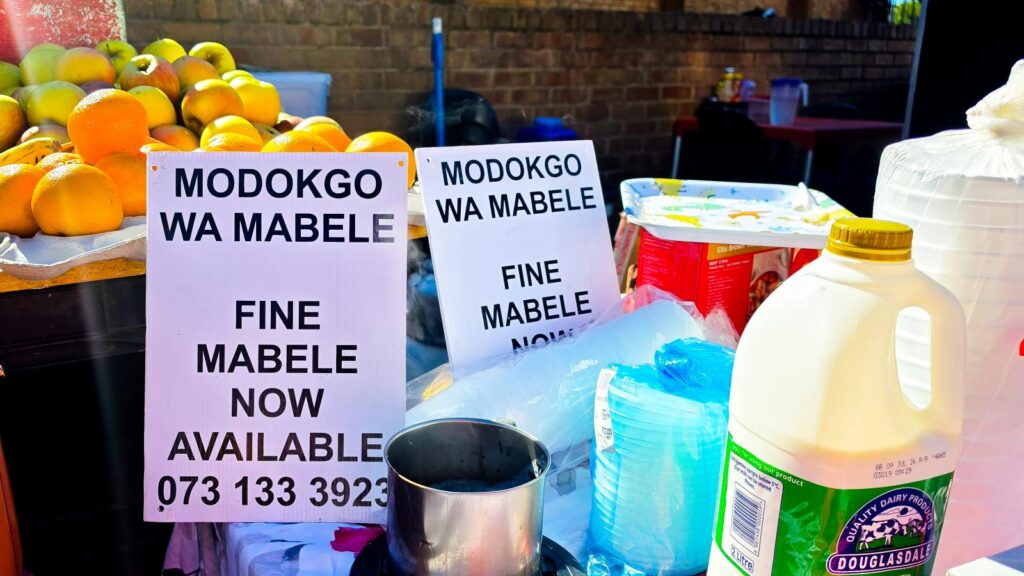
Vutomi’s Street Stand photos





Comments