South African company run by the same family for three generations in serious trouble


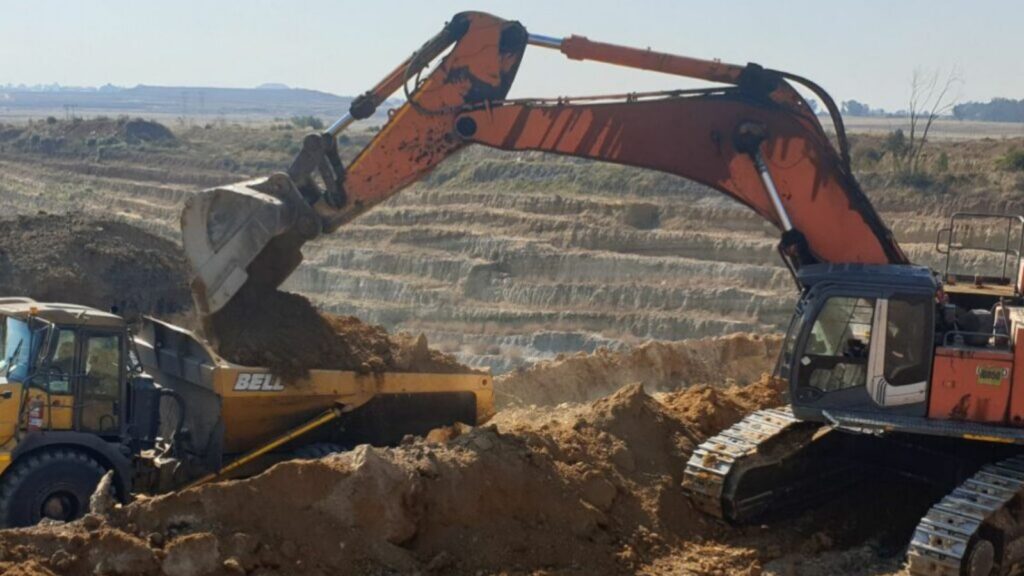
South African brick manufacturer Brikor risks having its shares suspended and possibly being removed from the JSE.
This comes roughly a week after Brikor announced plans to delist from the exchange after nearly two decades.
Brikor manufactures and supplies building and construction materials that are used across the residential, commercial, industrial, civil engineering, and infrastructure sectors.
Based in Nigel, Gauteng, Brikor was founded by Garnett Parkin I and his son, Garnett Parkin II,
Parkin II oversaw the company’s listing on the JSE in 2007, with Brikor having been one of the largest brick makers in South Africa at that point in time.
Shortly after listing, Brikor experienced dramatic strike action, which, coupled with the global financial crisis, led to the company making a huge loss.
The company was forced to restructure, letting go of a number of staff as Brikor attempted to claw its way back to profitability.
Another disaster struck in 2013, when a dispute with FNB over the company’s surging debt led to Brikor being placed under provisional liquidation.
This came when the company was under severe financial distress, not yet having recovered from the strike action, with significant debt accumulated and facing a downturn in the local construction industry.
Two years later, Parkin II passed away, leaving Brikor to his son, Garnett Parkin III, to lead the company’s turnaround.
Parkin III’s efforts were successful, and he managed to reach a deal with FNB that allowed Brikor to avoid liquidation.
The company remained stable after that, experiencing a notable resurgence during and after the Covid-19 pandemic from 2021 to 2023.
This boom allowed the company to expand its logistical and coal capacity, with late 2023 seeing Brikor report one of its highest profits in years.
However, this would not last. From 2024 to now, Brikor faced numerous infrastructure project delays and rising operational input costs.
This saw the company slip back into a loss for the 2025 financial year, recording a total comprehensive loss of R2.6 million.
Its performance worsened in the 2026 financial year, with the company’s net loss deepening to R9.9 million.
Parkin III is still at the company’s helm, having served as CEO since November 2015.
Goodbye, JSE
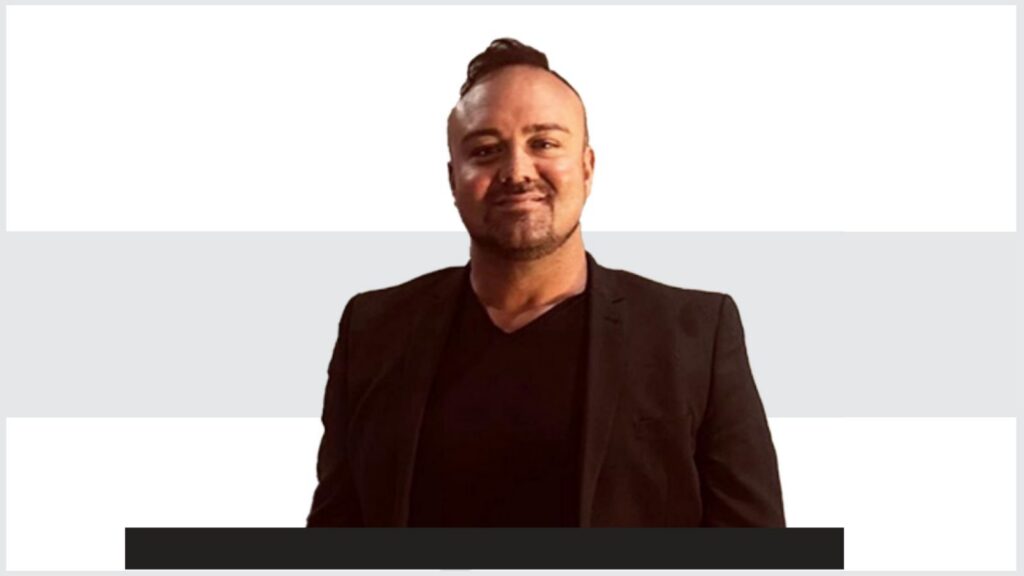
It is in this context that Brikor announced its plans to delist from the JSE and buy out its remaining shareholders.
On 26 June, Brikor informed shareholders that its board has proposed a deal under which the company will buy out all remaining shareholders.
Brikor is offering shareholders 17 cents per share, with the company currently trading at around 16 cents per share at the time of writing.
The group attributed this decision to its illiquidity and the high cost associated with being a listed entity.
Since announcing the buyout offer, Brikor’s shares are up around 23%, though still far off from their peak in 2021.
Once the buyout is complete, Brikor will delist from the JSE and revert to being a privately-held entity.
However, Brikor’s departure from the JSE may come sooner than this, as the company now faces suspension and possible removal from the bourse.
On 1 July, the JSE informed shareholders that Brikor failed to submit its annual report within the four-month period stipulated in the exchange’s Listings Requirements.
“Accordingly, the issuers’ listing on the JSE trading system has been annotated with a ‘RE’ to indicate that they have failed to submit their annual report timeously,” the bourse said.
The JSE also warned that the listing of Brikor’s securities is under threat of suspension and possible removal.
“If the above-mentioned issuers still fail to submit their annual report on or before 31 July 2026, then their listing may be suspended,” the exchange warned.
In a separate announcement released on 2 July, Brikor said its Integrated Annual Report for the year ended 28 February 2026 has been delayed.
It did not provide a reason for the delay, only saying that the report is expected to be released by Friday, 10 July 2026.



Comments