How two of South Africa’s biggest wine brands stay on top


Heineken Beverages is reinvesting in its premium wine brands, Nederburg and Durbanville Hills, to strengthen domestic dominance, expand global reach, and capture young wine drinkers.
After Heineken’s early success in revitalising its flagship wine brand Nederburg, the company is setting out to do the same with another of its super-premium labels, Durbanville Hills.
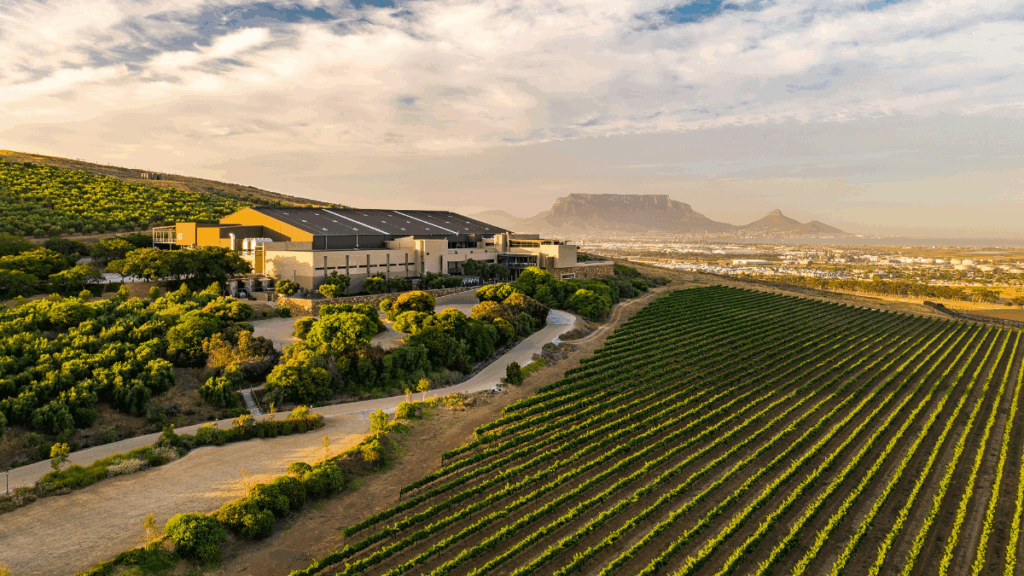
The multi-awarded winery in the Durbanville Wine Valley released its first wines in 1999. Since then, it has focused much of its attention on Sauvignon Blanc and Merlot.
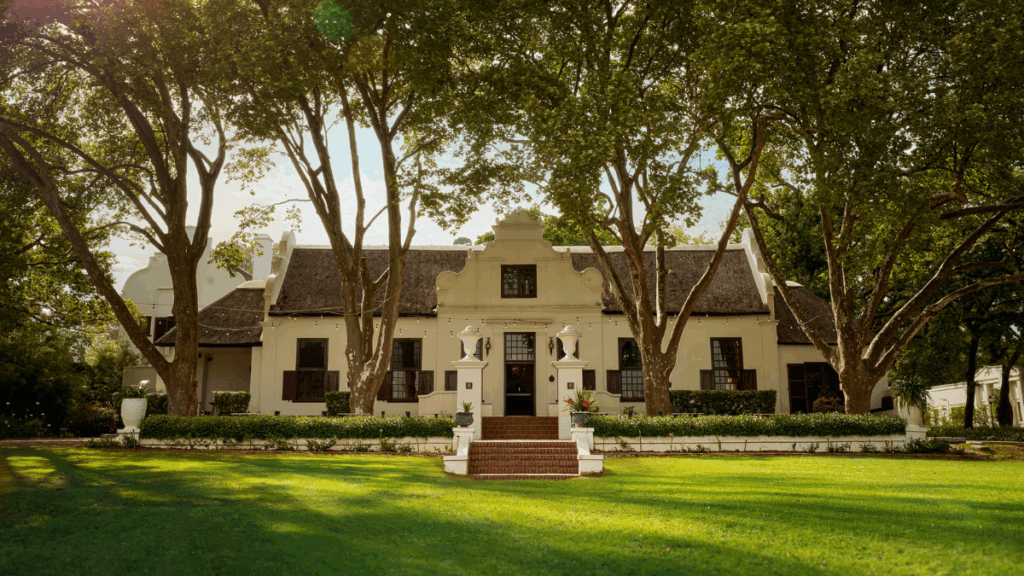
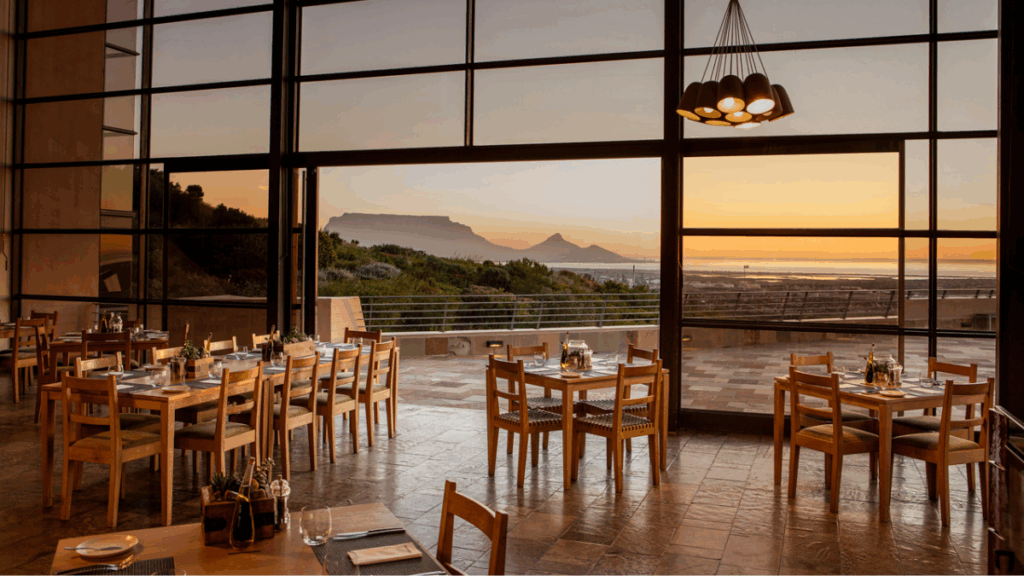
The brand’s proximity to Cape Town has also proved a boon. Less than a 30-minute drive from the CBD, it boasts views of Table Mountain.
“The brand enjoys strong recognition by virtue of its close association with Cape Town,” said Liezl Dippenaar, who heads Heineken Beverages’ international wine marketing.
“Wine lovers are also very keen on the hallmark style of freshness and exuberance they tend to associate with cooler-climate terroir.”
Dippenaar explained that the wine continues to appeal to South Africans while showing excellent growth in Europe, travel retail, and certain African countries.
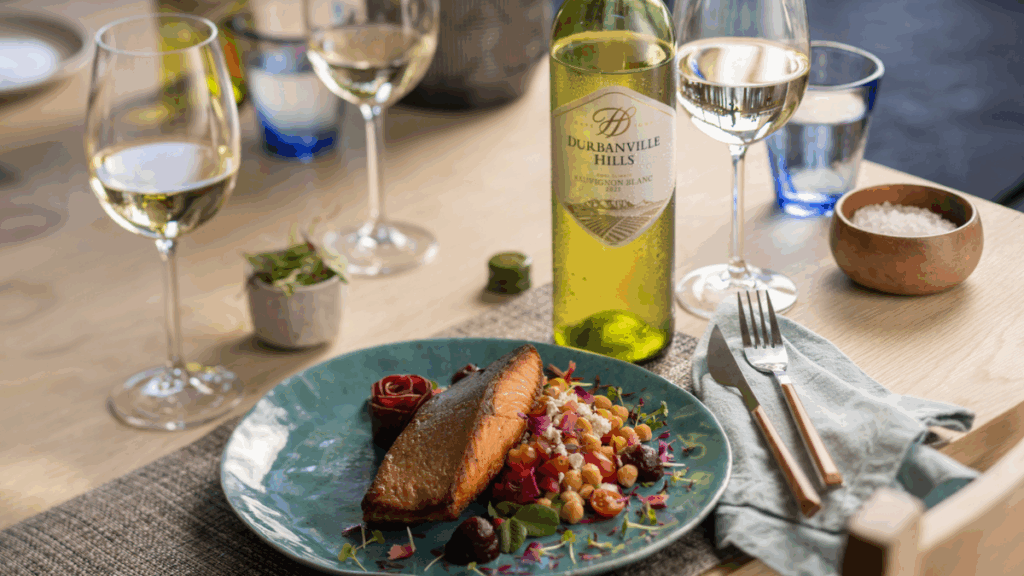
“And we’ve just inked a deal to supply the Star Pubs network in the United Kingdom with Sauvignon Blanc, Merlot and Chenin Blanc,” she said.
“Even so, we must continue evolving to ensure we are imaginatively placed where wine lovers can readily find us and that we speak to them in ways that encourage their engagement.”
According to Dippenaar, this is particularly urgent given the increased competition for consumer attention and the growing pressure on disposable income worldwide.
The move also comes at a time when legal drinking age (LDA) consumers are overwhelmed by choice, not just in wine but also in other alcoholic beverages.
At the same time, these consumers are actively moderating their consumption for health reasons, making it even more challenging to attract their business.
Nederburg’s refresh
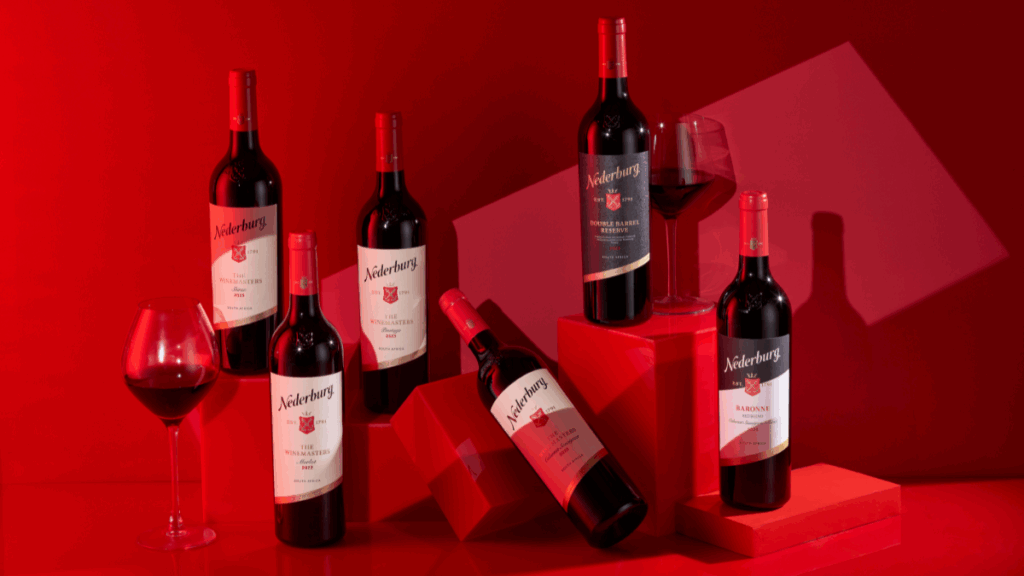
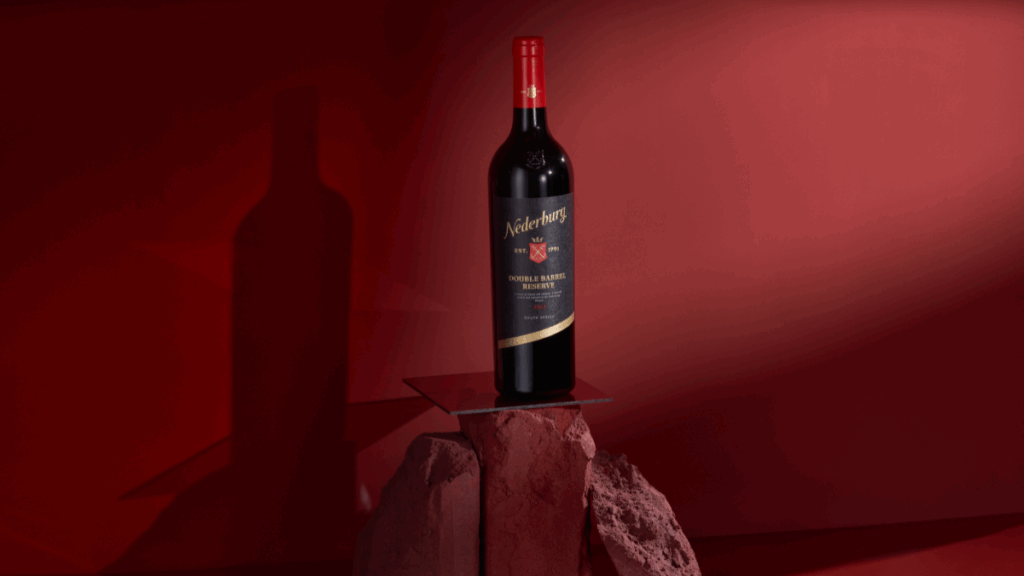
Nederburg is the first in the group’s multi-phased project to reinvest in, refresh, and reset the key wine brands in its portfolio.
The effort is intended to ensure the winery retains its strong domestic position while advancing its international presence.
Nederburg is very well represented in major African markets, where it continues to be a favourite, especially amongst women. It is South Africa’s category leader in Germany and is making substantial headway across Asia, notably in India.
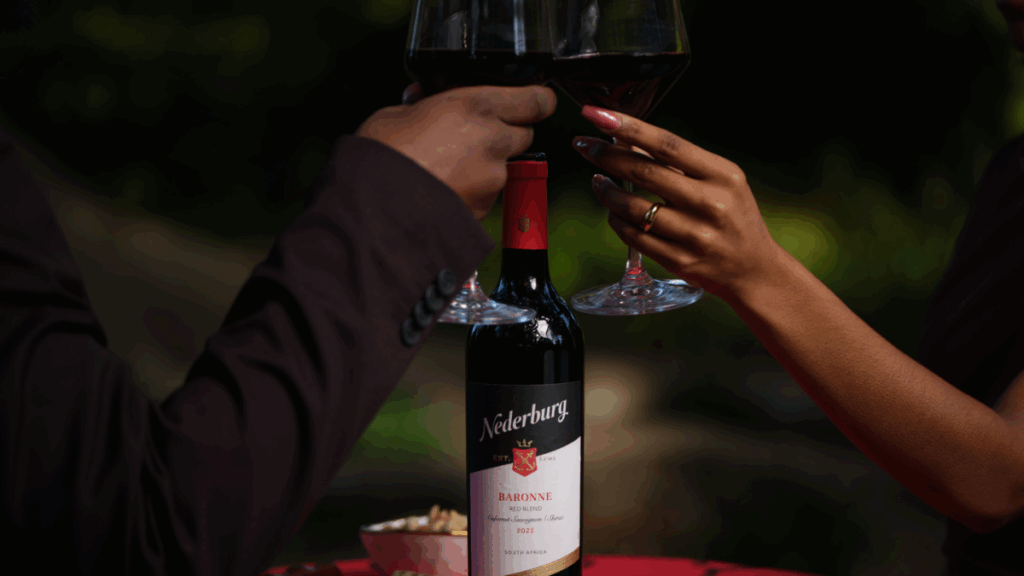
Its repositioning has involved new above- and below-the-line communications, a pack upgrade, and a re-imagining of the brand home, all in the interests of attracting newcomers to wine while ensuring the retention of long-time customers.
Meanwhile, behind the scenes, its initiatives have focused on strengthening the brand’s eco-sustainability reputation.
“Nederburg is acknowledged as an eco-pioneer,” Dippenaar said. “It piloted the now industrywide adopted Integrated Production of Wine eco-guidelines that have been in place for close to 30 years.”
“It is a WWF Champion for water stewardship and recently announced investment in a closed-loop vineyard, cellar and brand-home automated biological wastewater treatment technology.”
She added that the brand has also been one of the early adopters of regenerative farming measures to address soil health, advance biodiversity and increase carbon sequestration. It even produces its own biochar.
Nederburg’s longstanding network of supplier growers has adopted many of these protocols.
A growing footprint
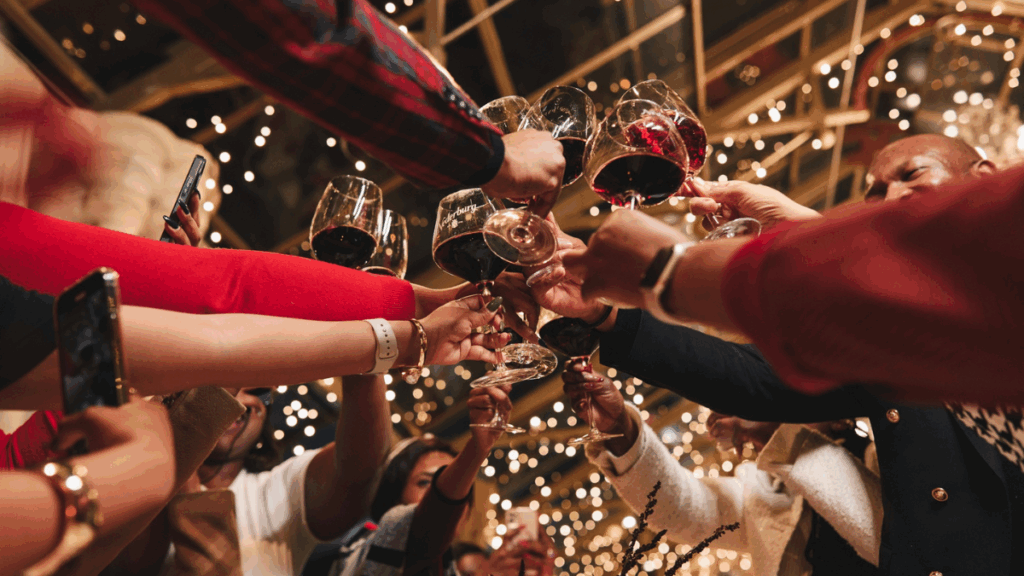
Dippenaar explained that the revitalisation started in the domestic market and is already seeing some gains. It is succeeding in communicating in a way that resonates with established, Millennial, and Generation Z audiences in particular.
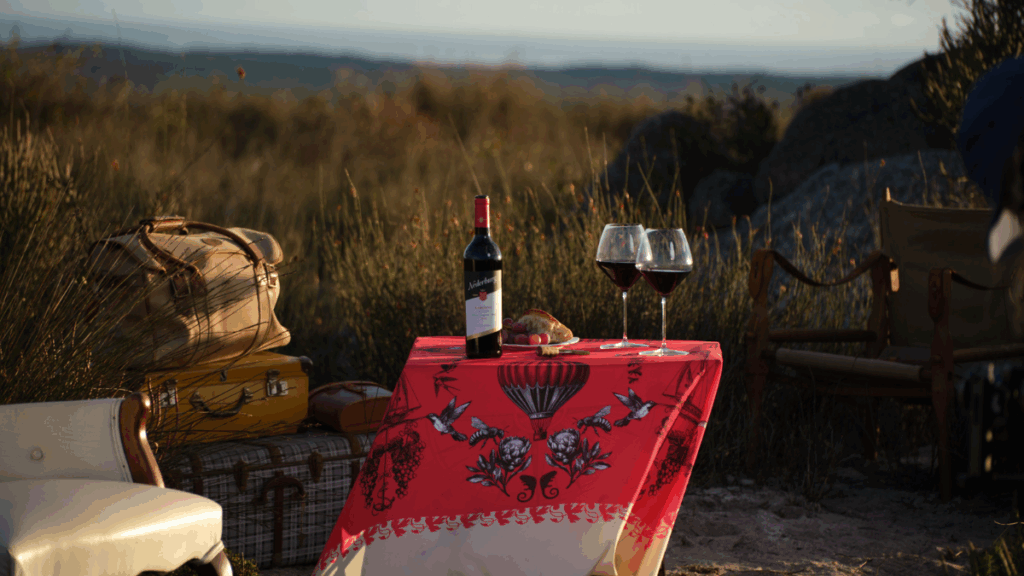
“We are offering accessible, intriguing brand experiences, from creative partnerships with Never Rush a Sunday, a laidback outdoor initiative targeting younger LDA urbanites with live music and DJs, to our Dinner of Discovery series,” she said.
“We’ve also worked with culinary trailblazer Studio H, who conceives food and wine pairing in a fresh, casual and approachable way.
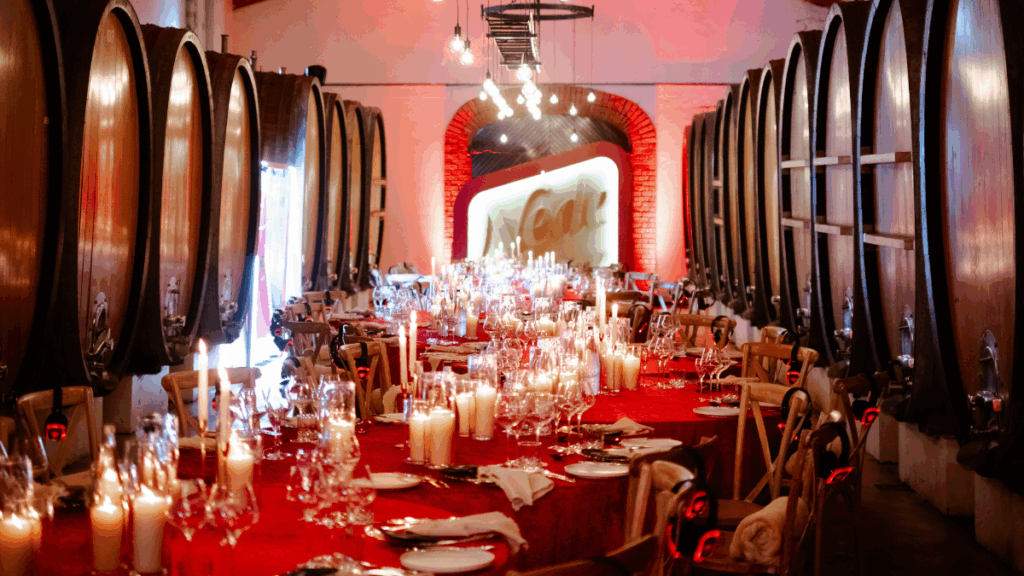
The brand’s home has also expanded its collection of dining formats and experiences to see footfall increase since 2024.
“Wine tourism is a big priority for us,” Dippenaar said. “We have made a substantial investment in the Nederburg destination and are building partnerships with key stakeholders such as Cape Town Tourism.”
Nederburg also recently announced its collaboration with the Cape Wine Auction, the charity event that raises funds for various Winelands beneficiaries. It is now the host of the auction’s annual gala fundraising event.
The brand has made an effort to build its visibility and profile in travel retail while continuing to amass international and local awards for its speciality and core wines.
It came home with many medals from the 2025 Decanter World Wine Awards, including a gold and a score of 95 for the 2024 Heritage Heroes The Anchor Man, made from old vine Chenin Blanc.
The same wine won a double gold at this year’s Michelangelo International Wine & Spirit Awards. In his 2025 South Africa Special Report, Tim Atkin MW awarded 93 points to the core 2024 The Winemasters Noble Late Harvest.
One of the country’s most distributed wine brands, Nederburg trades across more than 80 markets globally and has often starred as one of the Drinks International World’s 50 Most Admired Wine Brands.
Dippenaar said revitalised brand activations are being adopted and adapted in focused international markets to entrench support as widely as possible.
Durbanville Hills
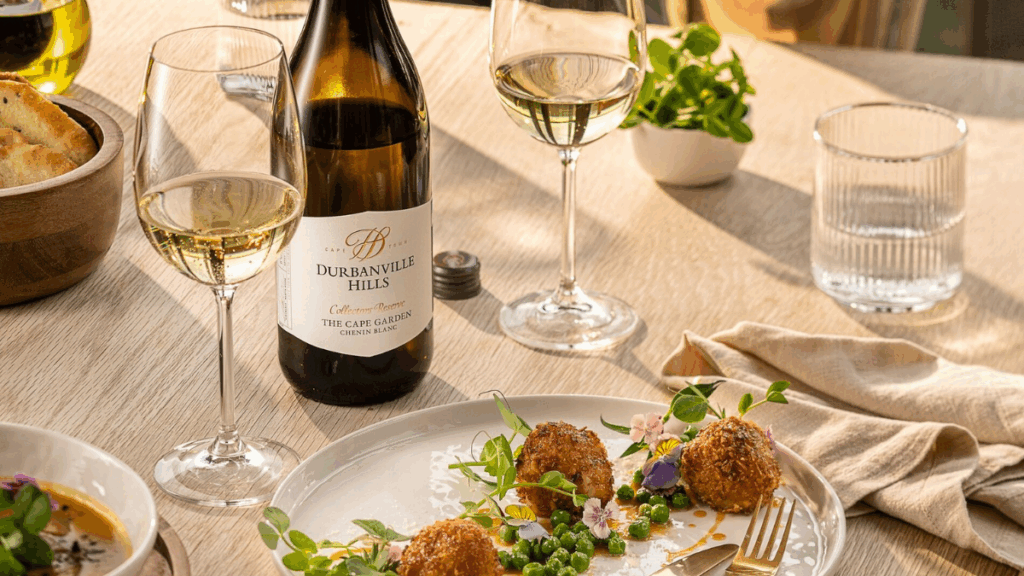
Durbanville Hills, with its network of nine member farms, plans to retain its focus on cool-climate Sauvignon Blanc and Merlot, but with South African varietal champions Chenin Blanc and Pinotage following close behind.
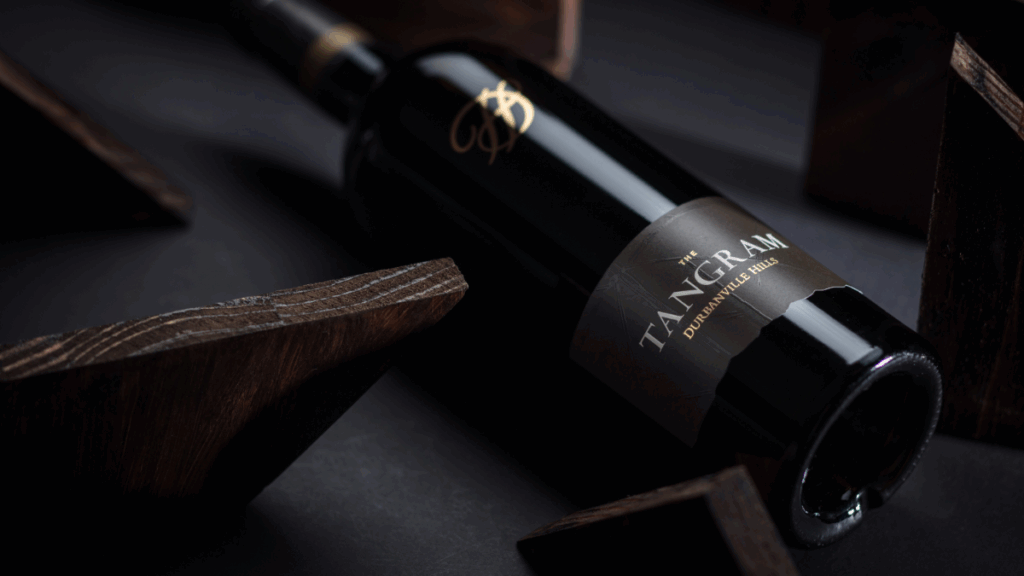
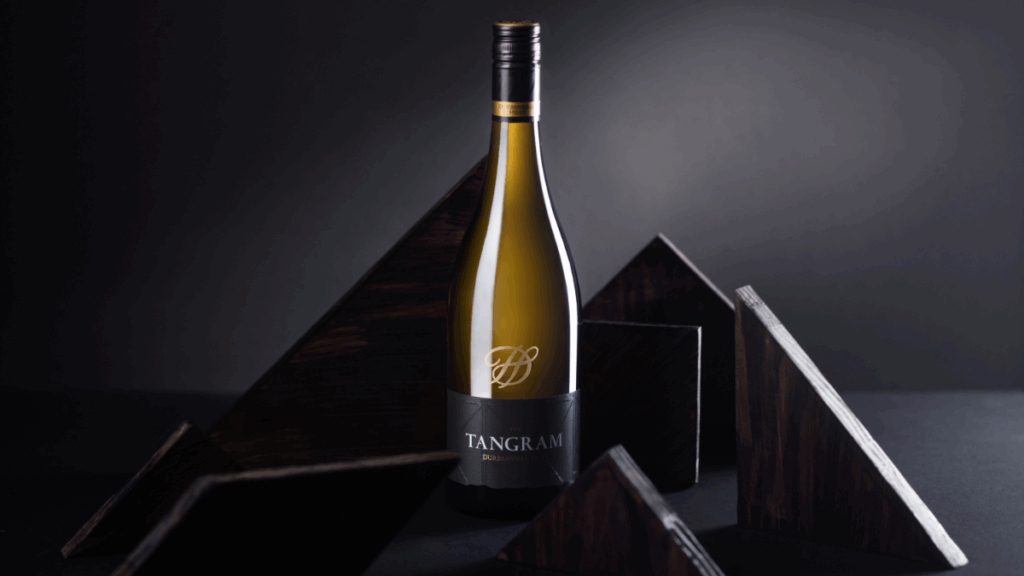
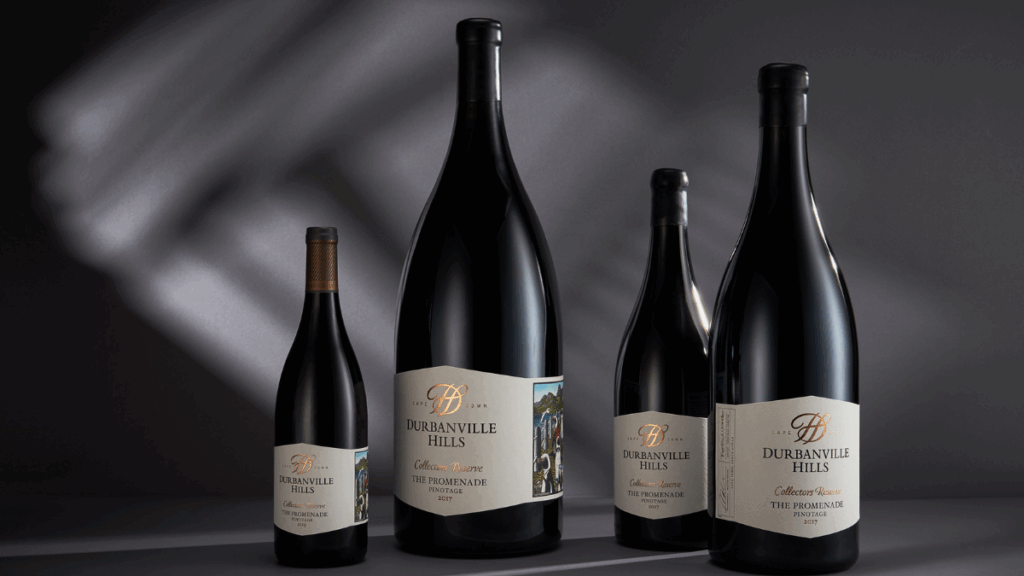
In addition to a planned pack upgrade, the winery intends to emphasise the critically acclaimed Tangram white and red apex blends and the speciality Collectors Reserve varietal wines because of “the halo impact.”
She said these wines excel on international competitive platforms and reflect extremely well on the entire range.
It also maintains its eco-credentials, with an indigenous renosterveld garden protecting the area’s famous flora, expanding its olive groves to offset carbon emissions, and an effluent water treatment plant recycling water for irrigation.
Both these Heineken Beverages brands are working hard to appeal to a newly working generation of Gen Z consumers.
The group stressed the fact that wine is only one part of their drinking repertoire, and that when these consumers do spend, they want excellence and value at fair prices. Heineken added that it is encouraged by the IWSR report published in June 2025.
According to Bevtrac research, the proportion of legal drinking-age Gen Z consumers who have consumed alcohol in the previous six months rose from 66% in March 2023 to 73% in March 2025.
The report’s author, Richard Halstead, shared the sentiment which also underpins Heineken’s revitalisation strategy.
“The evidence from the consumer data is that if people are doing something less often and on particular occasions, they want something that’s interesting and worthwhile having,” he said.
Nederburg
Durbanville Hills


Comments