90-year-old South African paper giant in serious financial trouble, and OpenAI sues Apple


South Africa’s rand is heading for the worst November on record against the US dollar, with the currency weakening by 4.5% over the past month.
This comes amid an increased likelihood of the Federal Reserve in the United States hiking interest rates to combat inflation.
The Fed has greater room to cut interest rates following the strong growth of the US economy in the third quarter. It grew by 4.3% year-on-year.
This should allow the Fed to hike rates without fear of the US economy plunging into recession.
A result of higher interest rates in the United States is increased capital flows into its fixed-income assets, particularly Treasury bills, as they will offer a higher yield.
This increases demand for the US dollar and pulls capital out of emerging markets, weakening currencies like the rand.
However, the role of political uncertainty in South Africa cannot be underestimated, with investors watching the creation of coalitions across Gauteng with anxiety.
While the mayoral chains have been handed out, there is widespread scepticism regarding the workability of the coalitions given the number of parties involved.
Alexforbes CEO Dawie de Villiers has been the most vocal of business leaders so far, saying the coalitions in Gauteng are likely to scare investors away through poor service delivery.
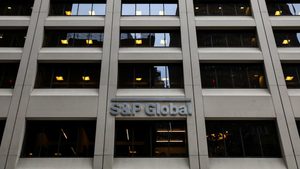
South Africa received some good news late on Friday, with S&P Global upgrading its credit rating to one notch below investment grade.
This move reflects the hard work of the National Treasury to improve South Africa’s financial health, with debt-to-GDP peaking in the current financial year.
South Africa is likely to enter investment grade in the next 24 months, with much of this depending on evidence of faster economic growth.
The rating agencies have also called for a harder fiscal rule to ensure the current gains are not wasted or lost by a new administration.
Important finance and investment news
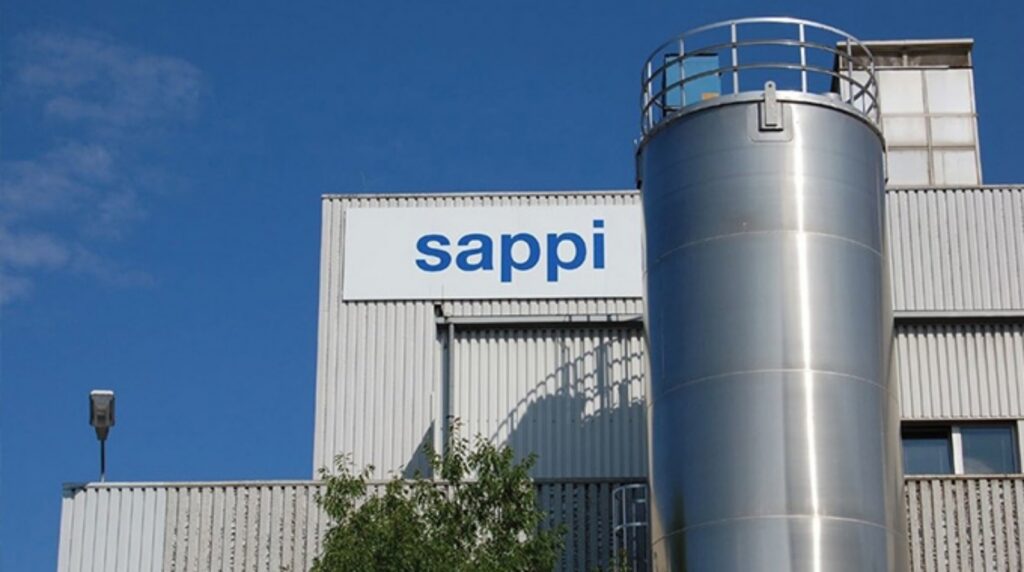
Iconic South African company in serious trouble: Sappi’s market capitalisation has plunged by 63% so far in 2026. Now, Moody’s has downgraded its corporate rating to B2, suggesting the company is a high-risk or junk-rated borrower. The company operates paper mills around the world and is headquartered in Johannesburg. [BusinessDay]
The world’s biggest banks want to dump AI debt: American banks, including Citi and JPMorgan, are marketing portfolios of loans to investment funds. This is to manage risk and free up space for them to take on even more debt with higher-quality companies. [Semafor]
Gauteng’s missing R422.6 million: The Gauteng Department of Cooperative Governance and Traditional Affairs spent 38% of its total 2026/27 financial year budget by the end of the second quarter. The department spent R257.8 million of its R680.5 million allocation. [EWN]
Family feud over $9.65 billion NFL team: Years after the death of the McNair family patriarch, two brothers lock horns over a multibillion-dollar empire that includes the Houston Texans, valued at $9.65 billion. [Wall Street Journal]
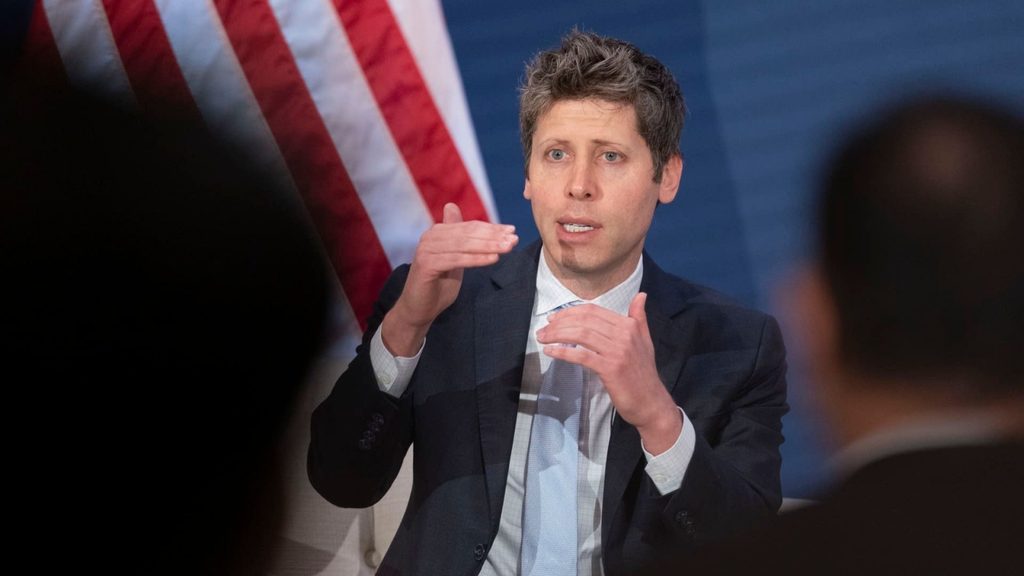
OpenAI countersues Apple: OpenAI sued Apple, accusing the Big Tech giant of stealing its trade secrets and discouraging hardware suppliers from working on future OpenAI devices, after Apple sued OpenAI for allegedly poaching its employees to gain access to its technology. [Reuters]
Log in or register for free access to all articles.