The government plans to squeeze the last drop of blood out of South African taxpayers


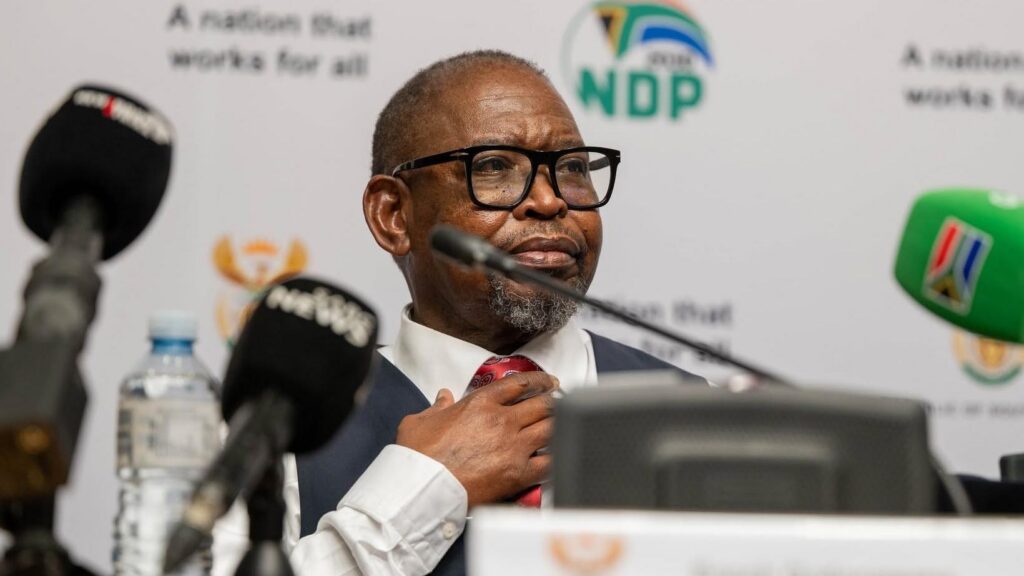
Finance Minister Enoch Godongwana’s latest Medium-Term Budget Policy Statement revealed that South African taxpayers are going to be squeezed harder than ever before.
Godongwana said that the government expects to collect R2.14 trillion in tax revenue, R17.1 billion more than the budgeted tax take.
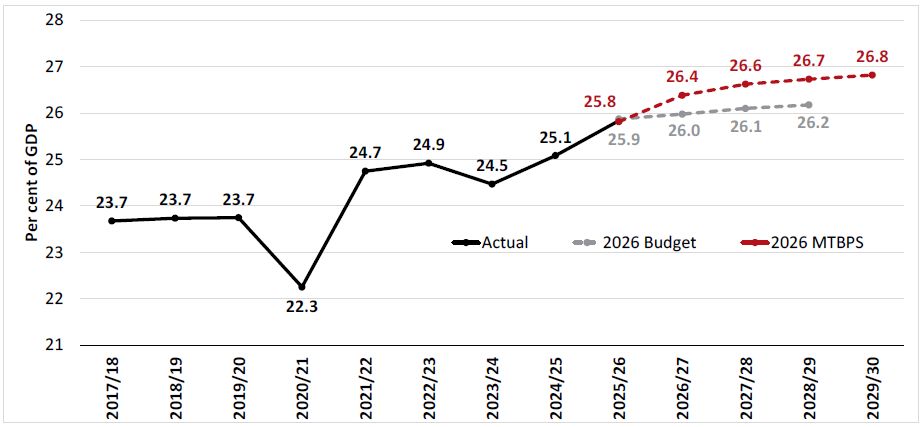
As part of the higher tax collections, South Africa’s tax revenue-to-GDP ratio is expected to rise from 26.0% to 26.4%.
This ratio measures the proportion of a country’s total economic output, measured as Gross Domestic Product, that is collected by the government through taxes.
Simply put, it shows how much money the government takes out of the economy through taxation. It is, therefore, a measure of the tax burden in a country.
South Africa’s tax-to-GDP ratio increased significantly since 1994, which shows that taxpayers carry an increasingly heavy burden.
In 1994, the country’s tax revenue-to-GDP ratio was 20.2%. By 2026, it increased to 25.8%, a significant increase.
This is not set to end. Godongwana revealed that South Africa’s tax-to-GDP ratio will increase to 26.4% in 2026/27 and rise further to 26.8% in 2029/30.
“Tax collections are expected to remain buoyant, with revenues projected to increase from R2.14 trillion in 2026/27 to R2.53 trillion in 2029/30,” he said.
What is striking is that South Africa’s economy is barely growing, which means taxpayers are being squeezed harder to raise tax revenue.
SARS Commissioner Johnstone Makhubu said they had collected more corporate income tax, domestic VAT and PAYE.
Makhubu said that another contributing factor was lower-than-estimated VAT refund payments this year.
Many businesses have complained of struggling to obtain their VAT refunds, which may indicate that SARS is making it difficult for people to receive these payments.
The chart below shows South Africa’s Tax-to-GDP ratio from 2018 to 2025, along with the estimates for the next five years.
Economist Dawie Roodt said that taxpayers are bled dry in South Africa
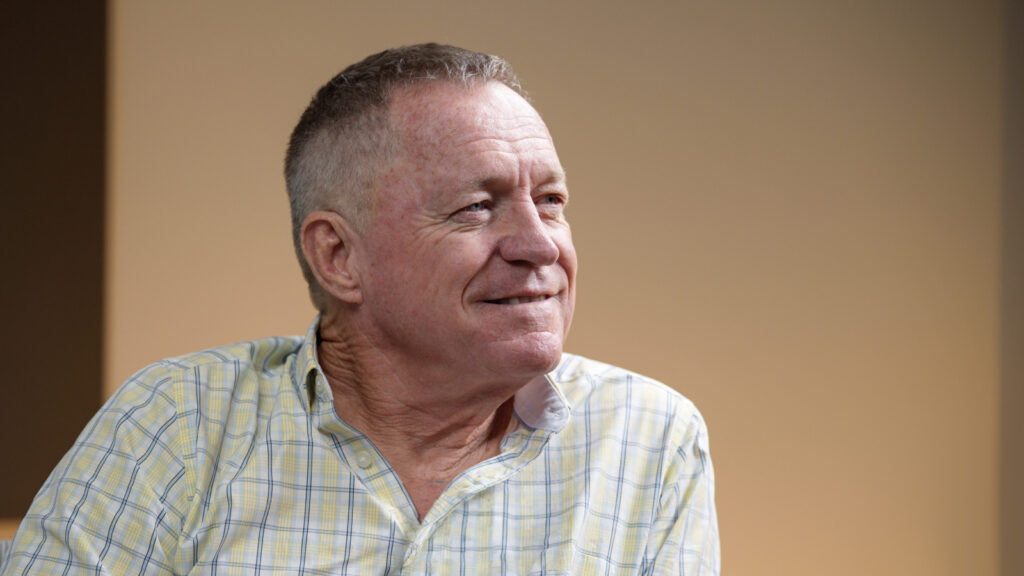
Renowned economist Dawie Roodt said that South Africans are facing the highest tax burden in history.
He explained that 30 million people rely on state social grants and government jobs every month to survive.
However, this financial burden falls on a much smaller group of individuals who are now being squeezed harder.
“The finance minister should get additional tax revenue from a growing economy. However, the economy is not growing,” he told Truth Report.
“His only alternative is to give the South African Revenue Service (SARS) more money and get them to squeeze every last drop of blood out of the economy.”
“In the process, the tax-to-GDP ratio has reached new record levels, and SARS has become extremely aggressive.”
He said that people are now tired of the South African Revenue Service because they are so aggressive. “We are being taxed to death,” he said.
A big part of the problem, Roodt explained, is that the South African Revenue Service is using taxpayer money to fight the same taxpayers in court.
As SARS has near-unlimited resources, it is impossible for ordinary taxpayers to take on the institution. “This is just wrong,” he said.
Another problem is that the government is destroying capital by borrowing long-term funds to finance short-term operational expenditures.
This is bad news for South Africa, as SARS essentially takes money from the productive private sector and puts it into the hands of a mismanaged government.
This, in turn, limits investment. With lower investment in the economy, job creation collapsed, leading to many social ills.
This is what has happened in South Africa, which is why Roodt called for tax cuts, especially company taxes, in Godongwana’s 2027 budget.




Conversation
1 commentsWe dare you.