South Africa’s oldest food producer sets the record straight on factory shutdown



Premier Group has rejected the Competition Commission’s claim that its closure of a fruit-canning plant in Tulbagh violated the conditions for its merger with RFG.
The Competition Commission filed an application on 7 October with the Competition Tribunal to revoke the conditional approval of the merger.
This is because it believes that the company breached its merger conditions in shutting down the Fruit Products Western Cape (FPWC) business, which it acquired through RFG.
The shutdown was accompanied by a Section 189 process to retrench staff, affecting 400 permanent employees and 2,000 seasonal workers.
Premier’s merger with RFG was approved by the Tribunal on condition that no merger-related retrenchments occur within three years.
The Commission’s application is based on its belief that the shutdown of the Tulbagh plant and the retrenchments violate this condition.
It also alleged that Premier and RFG failed to disclose information about the contemplated closure to the Commission and the Tribunal.
“This is despite the parties having known of and discussed the option to do so before the Tribunal approved the merger,” it said.
The commission said the non-disclosure denied it and the tribunal the opportunity to assess and address the implications of Premier’s actions before the merger.
In a statement, Premier rejected any suggestion that it acted unlawfully, withheld material information, or sought to mislead the Commission or the Tribunal.
Premier said it has engaged with the Commission regarding the potential closure of the FPWC business since July 2026 and has provided it with the chronology of events and supporting documents.
It made clear that it disagrees with the Commission’s characterisation of events and the basis for the application to the Tribunal.
Premier said it will defend its position before the Tribunal.
Structural decline
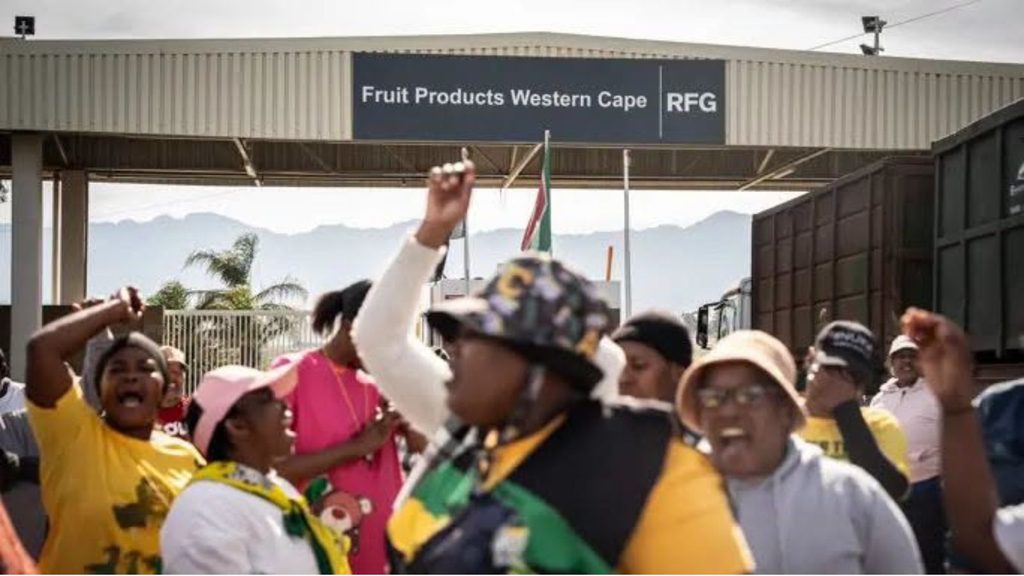
Premier has maintained that it closed the FPWC plant due to the structural decline of the fruit canning business globally and not as a result of the merger.
“Premier’s position is clear: the proposed controlled closure of FPWC was not a decision, intention or merger implementation step at the time of the merger approval process,” the company said.
“The decision to close FPWC is not in any way related to the merger but arose after implementation of the transaction, following the deterioration in FPWC’s operating environment and the commercial realities facing the canned deciduous fruit category.”
It explained that it conducted a study of the industry, which found it was in structural decline amid heightened economic pressures.
These pressures include global demand, export pressures, rising input costs, and the need for greater scale to remain competitive.
“It was neither Premier nor RFG’s intention to close the facility during the merger review process, and there has to date been no evidence presented to show that,” it said.
“This is despite months of investigations having been conducted by the Commission and following substantive submissions and evidence which Premier has already provided to the Commission.”
It said the commercial reality of closure would have hit the FPWC business irrespective of the merger.
“Premier has engaged with the Commission throughout this process and will continue to engage through the appropriate legal channels,” the company said.
“While these litigation processes take time to finalise, Premier looks forward to the swift and expeditious resolution of this matter.”
It said that it is confident the Commission’s application is misguided and the Tribunal will agree with its presentation of the facts.
Premier also revealed that it made voluntary severance packages available to affected employees, which the majority of affected employees entered into.
As a result, no retrenchments will be implemented.






Comments