South Africans with solar panels on their roofs dodge an Eskom bullet


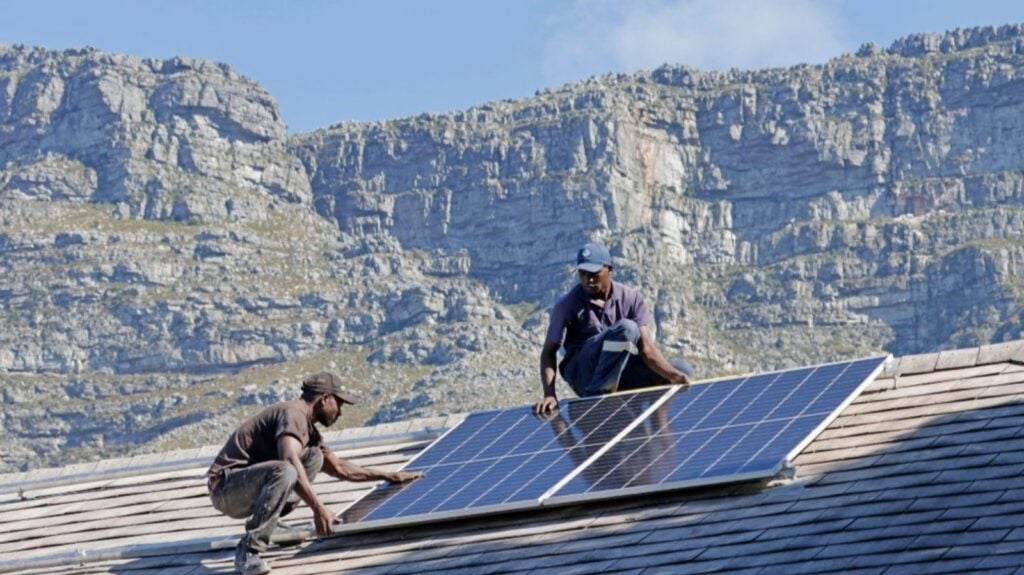
South Africans with rooftop solar power systems will not be legally required to register their systems with Eskom, as long as they hold a valid Certificate of Compliance (CoC).
This is the advice given by energy expert Chris Yelland, which he gave during a recent interview with Organisation Undoing Tax Abuse (OUTA) CEO Wayne Duvenage.
Yelland and Duvenage sat down to discuss Eskom’s solar registration requirements ahead of the 30 September deadline for the registration fee waiver.
Eskom has said that South Africans with small-scale energy generation systems (SSEGs), including solar, need to register them with the power utility.
This, according to Eskom, is for two major reasons: first, to ensure that these SSEGs are safe and compliant and do not backfeed energy dangerously into the grid.
The second reason is for Eskom to know how much solar PV is installed in South Africa, with the utility saying it would use this information for future planning.
Eskom previously said that South Africans registering their solar PV systems would be required to obtain sign-off from a registered professional with the Engineering Council of South Africa (ECSA).
Yelland argued that this was an unnecessary requirement and represented an overreach of Eskom’s authority, as this sign-off process can be highly expensive.
“There is another sign-off process by a registered installation electrician, who issues a so-called Certificate of Compliance,” Yelland explained.
“This covers the electrical installation on the customer’s side, including the solar PV and battery storage systems where this is fitted.”
CoCs are issued under the Occupational Health and Safety Act, and are required by law to prove that one’s electrical system is safe and compliant.
South African homeowners who are looking to transfer or sell their house, for example, need to present a CoC before the transfer of ownership can be finalised.
Eskom dropped the requirement of the ECSA sign-off in October last year, now only requiring a valid CoC, an inverter test certificate, and a basic SSEG installation test report.
No safety risk to Eskom
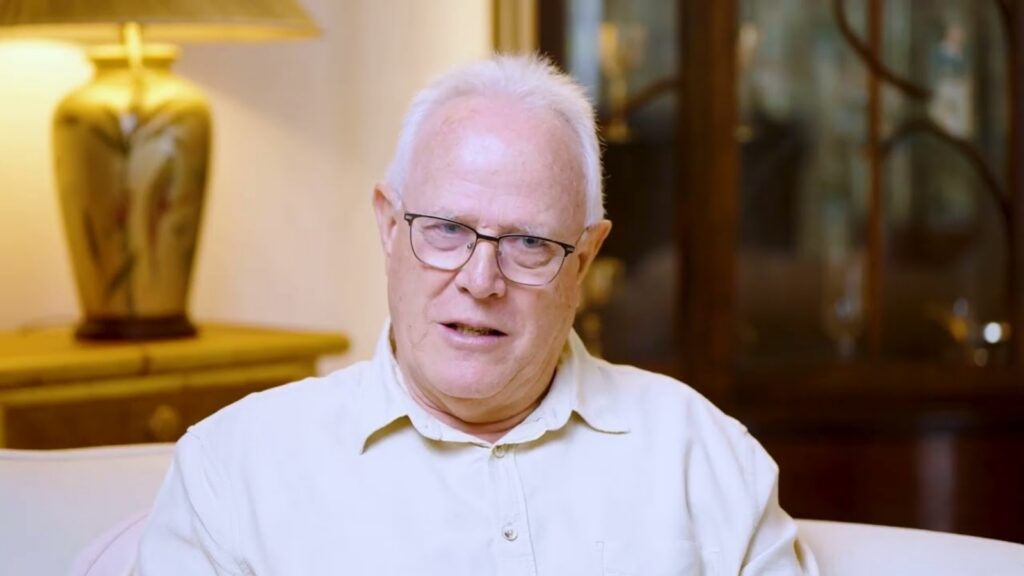
While Eskom has consistently maintained that solar registrations are vital to ensure overall grid safety, Yelland described this argument as a “red herring”.
He emphasised that South African homeowners with solar PV still needed to hold a valid, legally issued CoC to prove their system is safe.
However, he explained that systems which have been issued a CoC and are compliant with South Africa’s mandatory wiring standards under SANS-10142 cannot backfeed into the grid.
“Even if your system failed, or even if you had a non-compliant system that did backfeed into the network, is there a danger to Eskom personnel? I would argue no,” Yelland said.
“Municipalities and Eskom have standard operating procedures. Before their staff work on their network, they have to first isolate, lock out, measure, and then earth.”
Yelland said that if these safety procedures are followed correctly, even a failed or non-compliant system that backfeeds into the network would present no threat to Eskom and municipal staff.
Eskom previously threatened to fine or cut off South Africans who did not register their solar PV systems, but has since conceded on both counts.
While Yelland said the utility would be within its right to cut off systems which are determined to be unsafe, he said they would first need to prove that the system’s CoC was not valid or lawfully issued.
“If you have a valid CoC that is proof of technical compliance, as well as safety compliance, you’ve done what you have to do in terms of the law,” Yelland said.
“There’s no reason why you should not register if you want to register and pay the costs. But I don’t think one has to, provided one has a CoC.”
Eskom recently announced a further extension of the solar registration fee waiver beyond the 30 September deadline, removing charges for eligible systems up to 50 kVA.
The fee waiver has been extended until further notice, with no new deadline given for when it will be closed. The waiver is also applicable only to customers supplied directly by Eskom.




Comments