Factory shutdown in rich Western Cape town threatens R5.7 billion deal


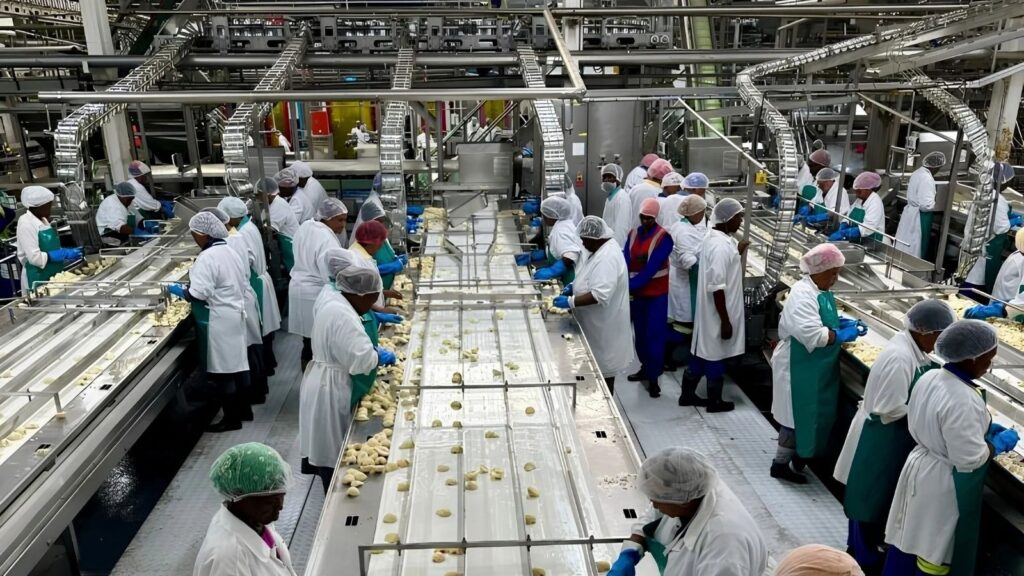
The Competition Commission has filed an application to revoke the Competition Tribunal’s decision to approve the merger of Premier and RFG.
This merger, valued at R5.7 billion, created a food-processing giant and accelerated Premier’s rapid growth as it looks to challenge Tiger Brands.
Premier owns brands such as Snowflake Flour, Blue Ribbon, Iwisa Maize Meal, and Manhattan Sweets.
The merger with RFG gave it a large culinary and canning business that includes Bull Brand, Hinds Spices, and Rhodes’ fruit-canning business.
It is the fate of this fruit-canning business that caused the Competition Commission to act, with Premier confirming plans to shut down the plant in Tulbagh at the end of July 2026.
The company processes apricots, peaches, and pears at this factory through its Fruit Products Western Cape (FPWC) business.
Premier has argued that the facility’s closure is purely the result of economic challenges facing the global fruit-canning industry.
However, the Competition Commission launched an investigation after the announced closure to determine whether it breached the conditions of approval granted by the Competition Tribunal.
The Tribunal approved the deal on 6 March 2026 with the condition that no merger-related retrenchments occur within three years.
The shutdown of the plant in Tulbagh was accompanied by a Section 189 consultation process with affected employees, who number 3,000 when seasonal workers are included.
After this process was announced, the South African Clothing and Textile Workers’ Union lodged a formal complaint with the Competition Commission.
Premier has argued its case, saying that the closure came as a result of an assessment of the fruit-canning industry’s prospects in July 2026.
“Against this backdrop, the export prospects of the FPWC business have deteriorated rapidly to the point where it is no longer economically viable,” Premier said.
“Accordingly, the Premier Group Board decided not to reopen the FPWC facility for the upcoming fruit-harvest season, subject to the completion of the applicable legal and regulatory processes.”
Spanner in the works

Following an investigation into the closure of the plant, the Competition Commission has thrown a spanner in the works of Premier’s merger with RFG.
It has filed an application with the Competition Tribunal seeking revocation of the Competition Tribunal’s decision to conditionally approve the merger.
“Before the merger was referred to the Tribunal, the parties stated that they did not contemplate closing nor disposing of any manufacturing facilities or production lines,” the commission said in a statement.
“They repeated this assurance before the Tribunal approved the transaction.”
The commission explained that the complaint it received from the South African Clothing and Textile Workers Union alleged that Premier broke its merger conditions by cutting staff.
“The investigation found that Premier and RFG had failed to disclose information about the contemplated closure to the Commission and the Tribunal,” it said.
“This is despite the parties having known of and discussed the option to do so before the Tribunal approved the merger.”
“This information was material to the Commission’s assessment, particularly because the Commission had expressly requested confirmation of the parties’ post-merger plans for the closure, integration or consolidation of their production facilities.”
The commission said the non-disclosure denied it and the tribunal the opportunity to assess and address the implications of Premier’s actions before the merger.
“The merger-control process is characterised by significant information asymmetries between merger parties and regulators,” it said.
“Withholding material information, whether by omission or as a deliberate act, undermines the integrity of the merger-control regime and may result in the revocation of an approved merger.”
The commission said it is concerned that the closure of the Tulbagh canner will leave the Langeberg operation as a monopoly in the sector.
“The public-interest consequences would also be significant, including the aforementioned loss of permanent and seasonal jobs, farmers would lose a longstanding customer, and exports would decline,” it said.





Comments