SARS using 1,500 more people to find its missing R26 billion


At current collection rates, the South African Revenue Service (SARS) could miss its annual target by R26 billion.
To support its collection efforts and close this gap, SARS has deployed an additional 1,500 debt collectors.
For SARS to meet its 2026/27 target, the taxman will need to collect R12 billion a month for the remainder of the tax year.
This is according to Investec chief economist Annabel Bishop, who explained that SARS has averaged R8.4 billion a month in the first five months of the tax year.
She said SARS’ latest debt collection figures show R42 billion for the first five months of the tax year. At this rate, the taxman can expect to collect just over R100 billion in the current tax year.
“This is below the target of R126 billion but can be expected to ramp up towards the fiscal year end if SARS improves its revenue collection capacity,” Bishop said.
“It has reached R9.8 billion in July but needs to reach R12 billion a month for the remaining months.”
Bishop said the taxman has reportedly deployed an additional 1,500 debt collectors to help bring in more revenue.
SARS also has an additional R7 billion to work with in this tax year, allocated in the 2026 Budget to support its objective of increasing tax revenue.
She explained that the R126 billion target is drawn from a reported R280 billion in identifiable debt owed to SARS.
The taxman’s total debt book is estimated at R600 billion, of which less than half has been identified as collectable.
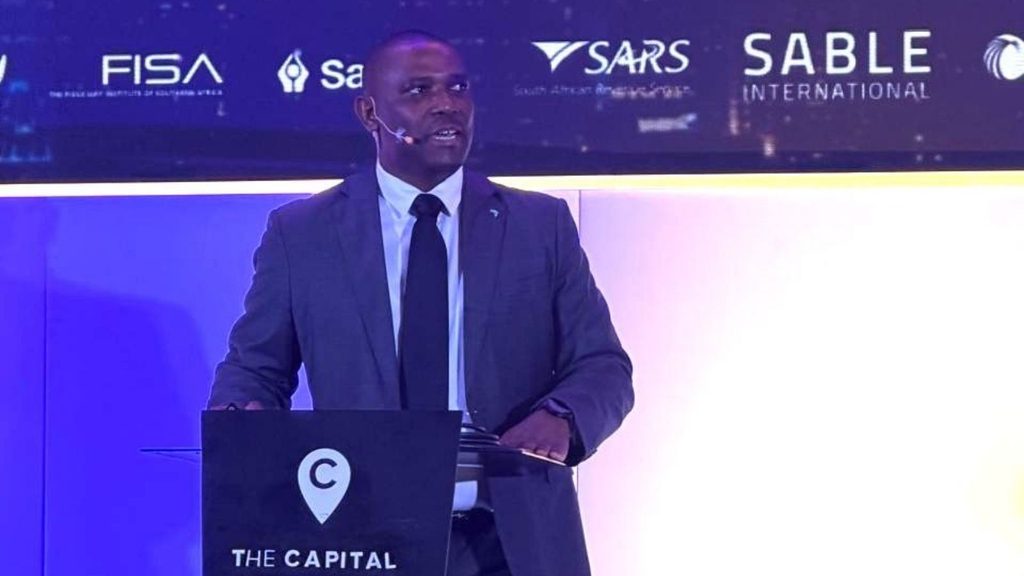
At the 2026 Tax Indaba, SARS Commissioner Johnstone Makhubu explained that the service’s success cannot be measured by revenue performance alone.
“Revenue sustainability is not only about what is collected, but also how it is collected,” he said.
“A revenue administration must be judged not only by what it collects, but by how it treats taxpayers, how it conducts itself, and whether it earns the confidence of the people it serves.”
South Africa’s fiscal health check-up
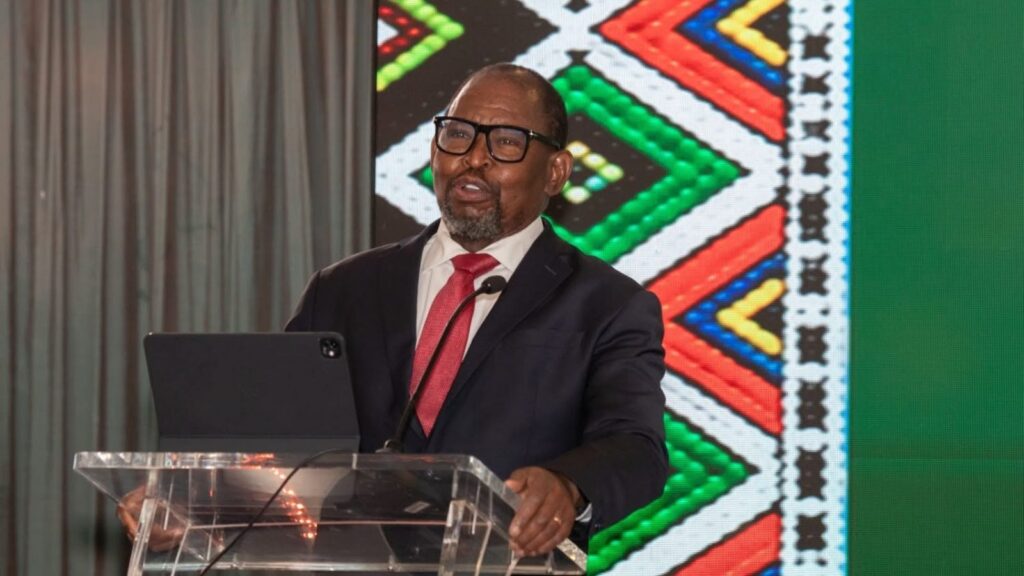
Makhubu noted in his presentation at the 2026 Tax Indaba that South Africa’s fiscal future depends on a trusted tax administration.
This administration, he said, must be supported by capable people, intelligent systems, sustainable investment, and strong partnerships.
“Revenue is our mandate, but trust is our license to operate. Together, we can build a tax administration that serves the country not only today, but for generations to come,” he said.
SARS plays a critical role in South Africa’s fiscal health, which is why the 2026 Budget allocated an additional R7 billion to the taxman in the 2026/27 fiscal year.
South Africa’s upcoming Medium-Term Budget Policy Statements, sometimes called the ‘mini-Budget’, will shed more light on whether this investment paid off.
Bishop said the mini-Budget, which is scheduled for 21 October, is expected to show a revenue overrun.
This can be attributed to higher corporate income taxes driven by mining companies that have benefited from higher gold and platinum prices over the past year.
She explained that this will likely send a positive signal to rating agencies, which have already noted South Africa’s improved fiscal metrics and reduced borrowing costs.
“However, much depends on government not increasing its expenditure projections as it did last year, reducing the revenue overrun benefits,” she said.
In the case of higher expenditure, SARS’ role will become even more critical as it will need to make up for any shortfalls in state revenue.
Makhubu said SARS’ goal, and the reason it embarked on its Modernisation Project, is to make compliance the natural outcome of participating in the economy.
“The easier we make it for honest taxpayers to meet their obligations, the more effectively we can focus on those who deliberately choose not to comply. We want compliance just to happen,” he said.
 Loading ...





Comments