One man is now in control of two collapsing state-owned funds


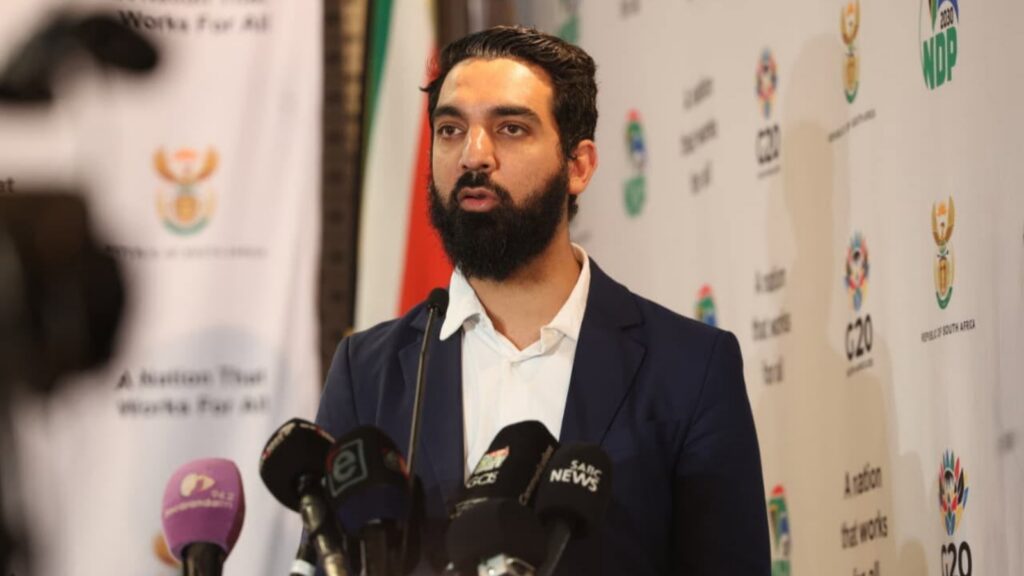
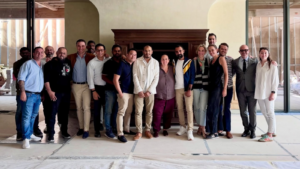
Waseem Carrim has been appointed as the new CEO of the Road Accident Fund (RAF) and is set to take office on 1 November 2026.
His appointment was announced during a Cabinet meeting on 29 September, succeeding the fund’s last full-time CEO, Collins Letsoala, who served for five years.
A chartered accountant, Carrim earned his qualification from the University of Pretoria, where he completed an honours degree in 2009 and a master’s degree in taxation.
According to CFO South Africa, Carrim began his career as an academic article trainee, giving lectures in accounting at the same university from which he graduated.
After completing his article traineeship with KPMG, he was admitted as a member of the South African Institute of Chartered Accountants (SAICA) in 2013.
Carrim joined KPMG’s department of Professional Practice upon completion of his articles, where he served as a specialist in public sector accounting and assurance matters.
Prior to his appointment as RAF CEO, Carrim served as acting CEO of the National Student Financial Aid Scheme (NSFAS) for the past 18 months.
The NSFAS Board has congratulated Carrim on his appointment as RAF CEO in a statement and thanked him for his contributions in ameliorating the state of the scheme.
This includes improving the scheme’s performance achievement from a historical average of 40% of annual targets over the last five years, up to 64% during the 2025/26 financial year.
The NSFAS Board also credited him with strengthening operational efficiency by improving funding decisions, appeals processing, and student allowance disbursements.
“His contribution has laid an important foundation for the continued strengthening of NSFAS and its ability to serve students effectively,” the NSFAS Board said.
“The Board wishes Mr Carrim every success in his new role and is confident that he will continue to make a meaningful contribution to the public sector and the people of South Africa.”
Taking over a struggling fund
Carrim takes the reins at the RAF during a time in which the state-owned fund has come under increasing scrutiny for its governance and financial management.
The RAF had four CEOs in a span of seven months during 2025, with Letsoalo’s contract expiring in August and acting CEO Phathutshedzo Lukhwareni subsequently being suspended.
Victor Songelwa was appointed as interim CEO but resigned shortly after, with Radikwena Phora then taking over as acting CEO in December.
Aside from the managerial crisis, the RAF’s financial situation has worsened significantly in recent years, while the fund continues to pay out claims.
Earlier this year, the fund reported unpaid claims liabilities of R40 billion, almost three times its total assets at the end of the 2024/25 financial year, leaving it technically insolvent.
During the first quarter of the 2026/27 financial year, the RAF registered 31,269 claims and finalised 17,428 of them.
The fund paid R8.9 billion during the quarter, 54% more than the R5.8 billion that it paid during the same period last year.
Despite this, the amount requested but not yet paid increased from R18.56 billion at the beginning of the quarter to R22.18 billion by the end of June.
The number of claims being registered and finalised by the RAF have dropped sharply in recent years as well, with weekly registrations falling from close to 2,000 to now just over 300.
New claims dropped from 328,173 in 2018/19 to 65,372 in 2024/25, while finalised claims fell from 229,534 to 78,384 during the same period.
After receiving a clean audit from the Auditor-General in 2019/20, the RAF received three consecutive adverse audit opinions in the years following.
This has brought the fund’s finances under increased investigation from Parliament’s Standing Committee on Public Accounts (SCOPA).
A recent enquiry report related to an investigation by the Special Investigating Unit revealed to SCOPA that the RAF had overspent on legal costs.
The RAF spent R26.6 million during the first seven months of what was supposed to be a 10-month contract, exceeding its approved R10 million legal budget by 166%.
 Loading ...


Comments