The ‘Texas of South Africa’ that has 12 cattle for every person


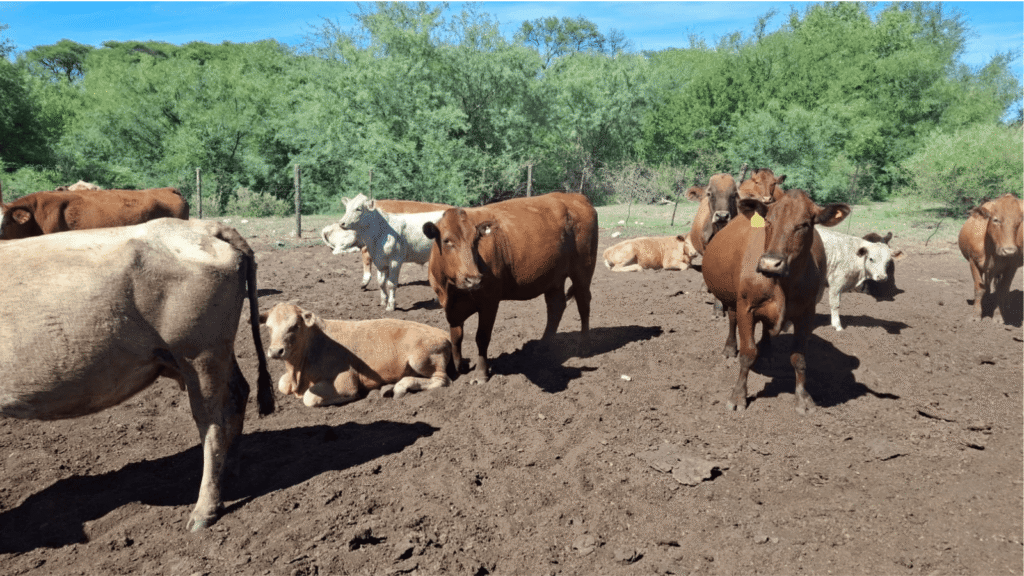
Often called the “Texas of South Africa”, Vryburg in the North West is known for its rich history, large-scale beef production, and major cattle sales.
Vryburg’s history dates back to the formation of the short-lived Republic of Stellaland. The town was established in 1882 after a site was selected and initially named Endvogelfontein.
The name was later changed to Vryburg, since the settlers claimed to be free citizens, or ‘vryburgers’.
On 16 August 1883, Vryburg became the capital of the Republic of Stellaland, with G.J. van Niekerk being its first and only president. However, the republic was short-lived.
In 1884, the London Convention made Stellaland a British protectorate, and in 1885, British forces seized Vryburg and incorporated the area into British Bechuanaland.
British Bechuanaland was incorporated into the Cape Colony in 1895. The town retained its importance as a frontier settlement and agricultural centre as the surrounding region developed.
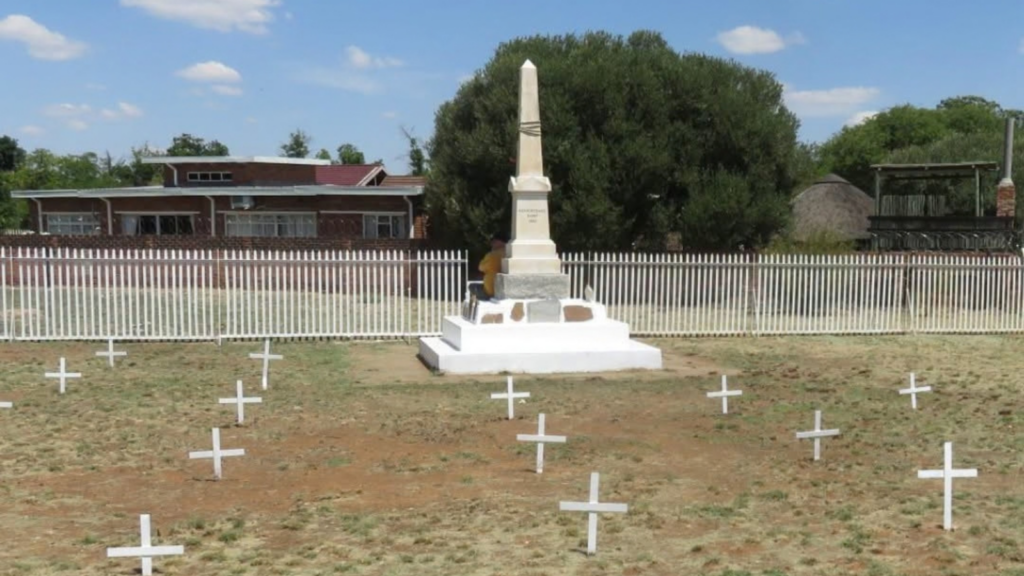
During the Anglo-Boer War, a concentration camp was established at Vryburg. It was initially an informal military-run camp that housed both white and black people affected by the conflict.
Early conditions were poor, with limited medical facilities, sanitation problems, and shortages of basic supplies.
When superintendent W.H.H. Pritchard arrived in October 1901, he found a neglected camp where measles and typhoid were widespread.
The camp was subsequently moved to a better site outside the town. Streets and tents were laid out in a more organised manner, drainage was improved, and wells were developed.
Medical staff were added, and residents were employed in tasks such as digging trenches, making bricks, and improving sanitation.
Water remained a problem, particularly during dry periods. The camp was also affected by fuel shortages, which made it difficult to prepare food and boil water.
Conditions improved over time, and the camp was eventually closed in November 1902, after the war and the repatriation of residents.
The town continued to grow as an important agricultural destination following the war. It is also home to Mugg & Bean founder Ben Filmalter, who was born on a farm in Vryburg in 1949.
Vryburg today
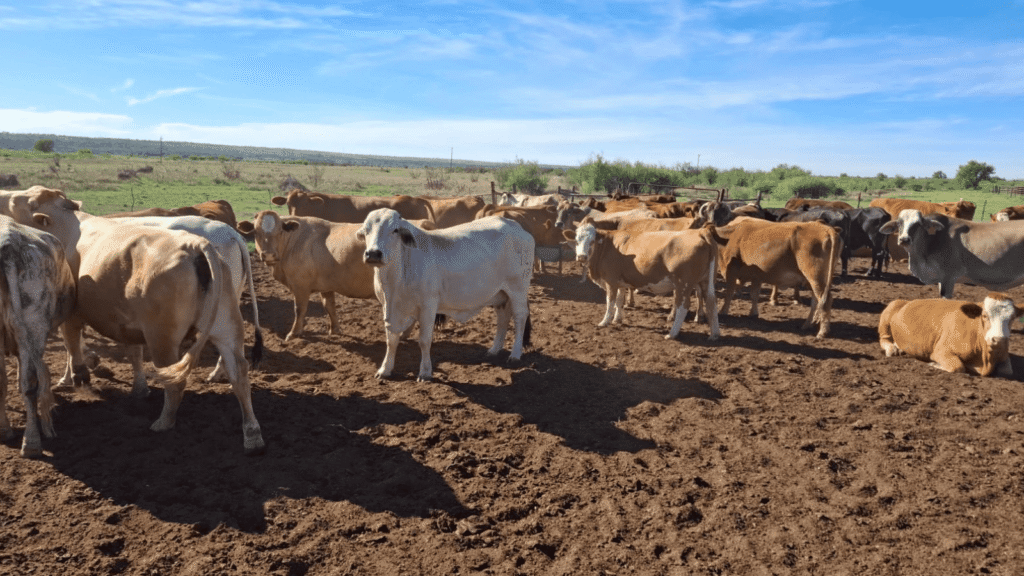
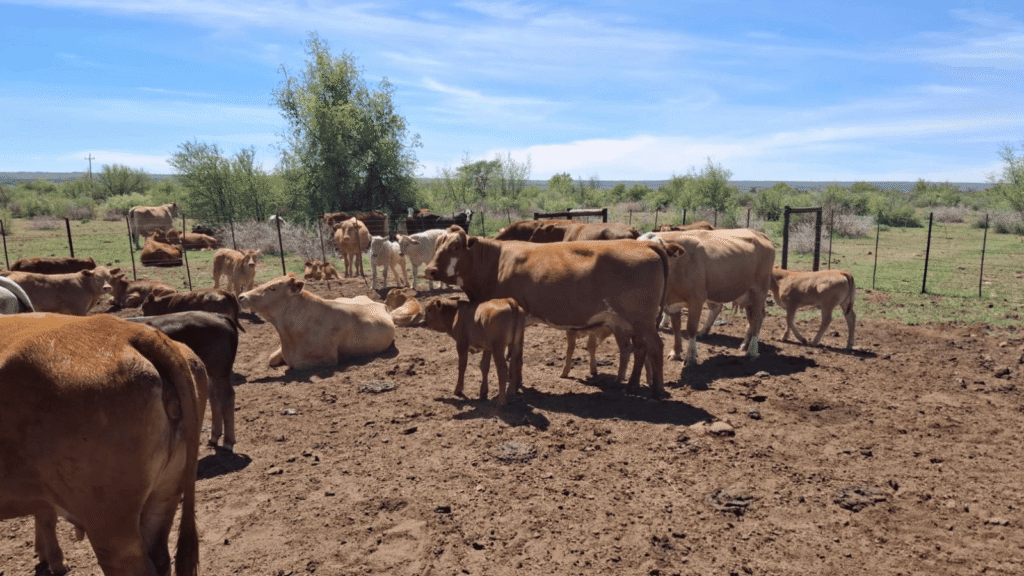
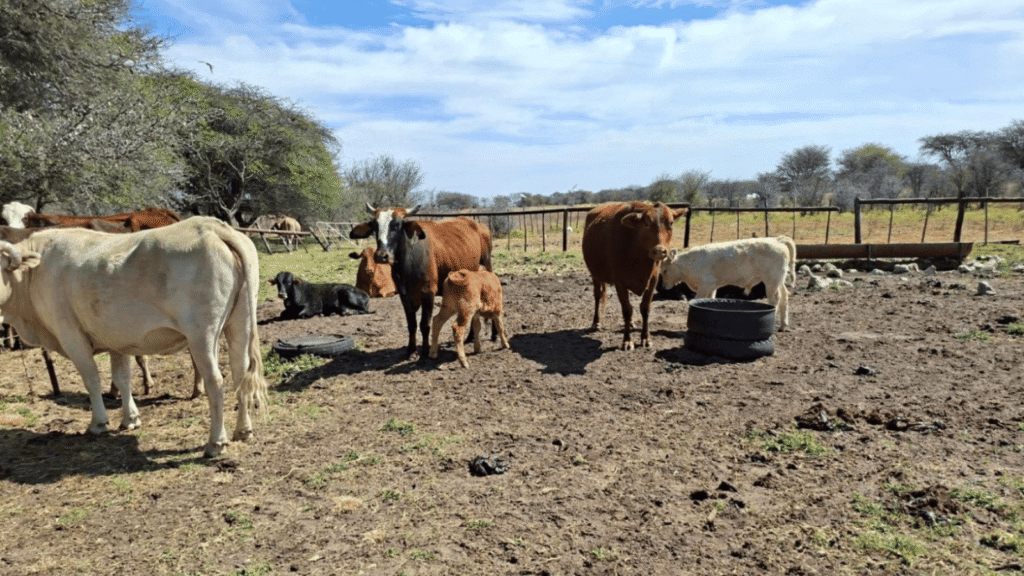
Today, Vryburg is the industrial and agricultural centre of the Bophirima region. It lies in an area known for large cattle farms, with Bonsmara cattle among the most common breeds.
The district is regarded as South Africa’s largest beef-producing region, which is why Vryburg is known as the “Texas of South Africa”.
Cattle are central to the town’s economy, and Vryburg boasts the highest volume of cattle sales in the Southern Hemisphere. Annual cattle sales are estimated at 250,000.
According to the 2011 Census, Vryburg had a population of 21,182, meaning the town has 11.8 times as many cattle as residents.
Every year, Vryburg hosts South Africa’s third-largest agricultural show.
The town’s agricultural importance has also shaped its property market and business activity. It provides a base for residents, farmers, and contractors working across the surrounding farming region.
Vryburg’s location has helped maintain its role as a regional commercial centre. The town sits on the Cape-to-Cairo railway line linking Cape Town and Kimberley with Mahikeng, Botswana, and Zimbabwe.
The N14 links Vryburg to areas such as Kuruman, Upington, and Springbok, while the N18 connects it to Warrenton and Mahikeng. The town also boasts its own local airport.
This network makes the town an important service hub for the surrounding farming communities. It also brings visitors and contractors through the area.
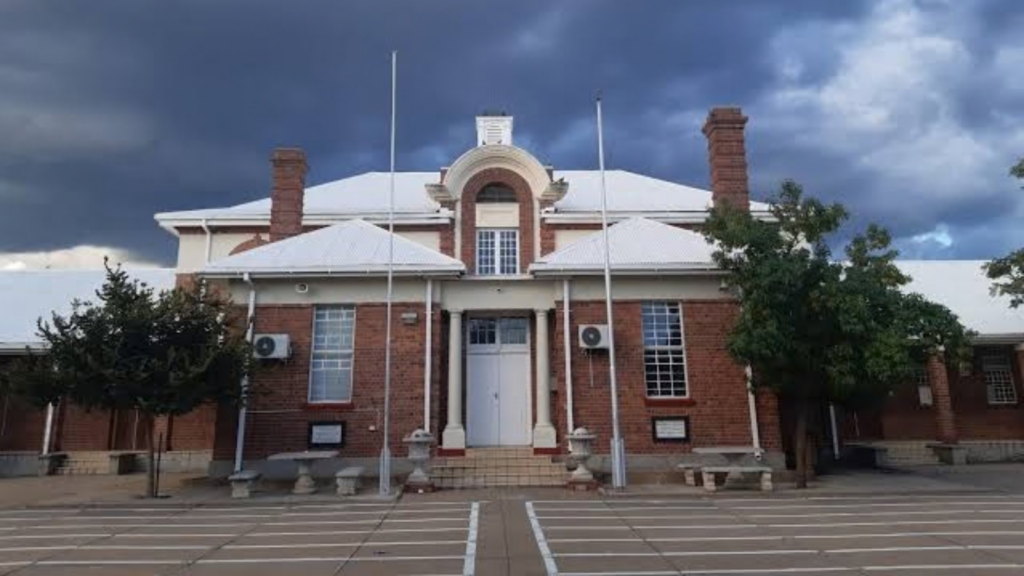
Vryburg also offers several attractions for tourists and history lovers. The Old Police Station is one of the earliest surviving buildings in the town and dates back to Vryburg’s establishment.
The area is also home to the Vryburg Museum, which has exhibits covering the town’s history, including the Republic of Stellaland and the Anglo-Boer War.
The Theiler Museum, located 8 km west of Vryburg on the farm Armoedsvlakte, focuses on veterinary history and equipment associated with Sir Arnold Theiler.
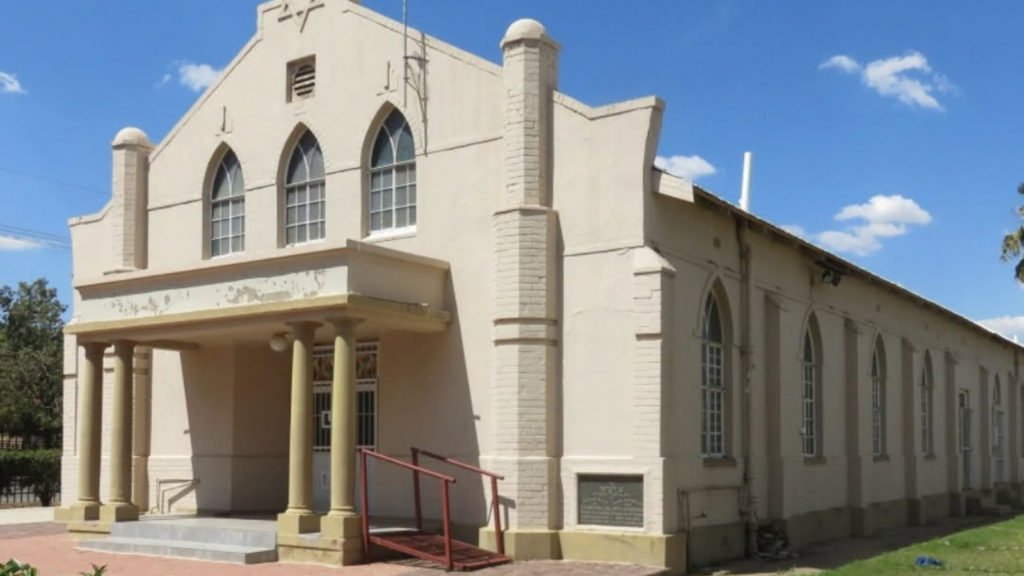
The London Missionary Society established the Tiger Kloof Native Institute south of the town in 1904. The stone church on the site is a national monument.
Other historical attractions in the region include a concentration camp cemetery and rock engravings at Kinderdam.
The area also offers access to nature and wildlife. The Leon Taljaard Nature Reserve is located north-west of the town and is home to species such as rhino, buffalo, eland, springbok, and black wildebeest.
The reserve offers walking trails, fishing, picnic areas, and birdwatching. The wider region is also home to the Molopo Game Reserve.
The Taung Heritage Site is another destination in the broader region, linked to the discovery of the Taung Child, an early hominid fossil.
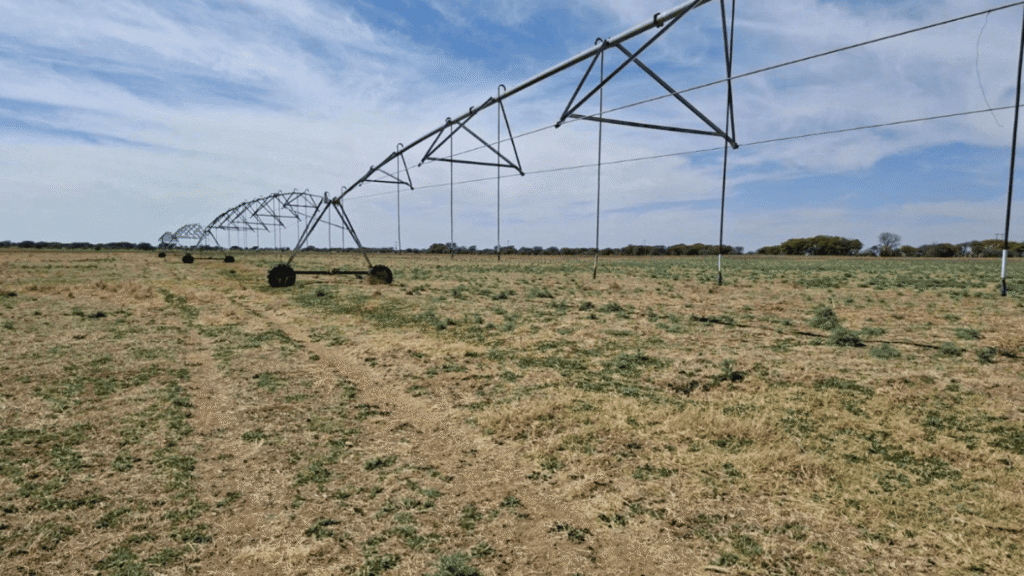
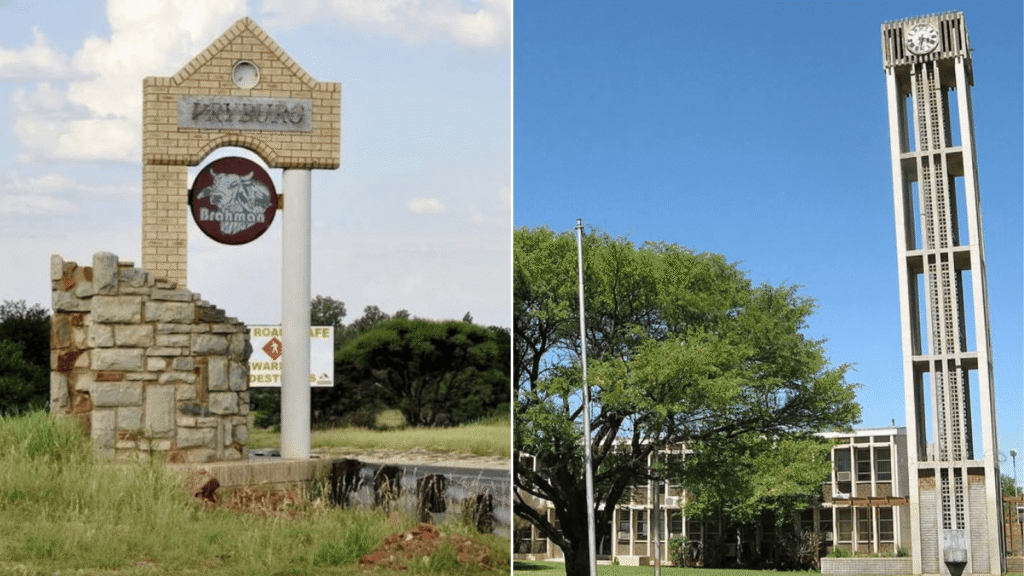
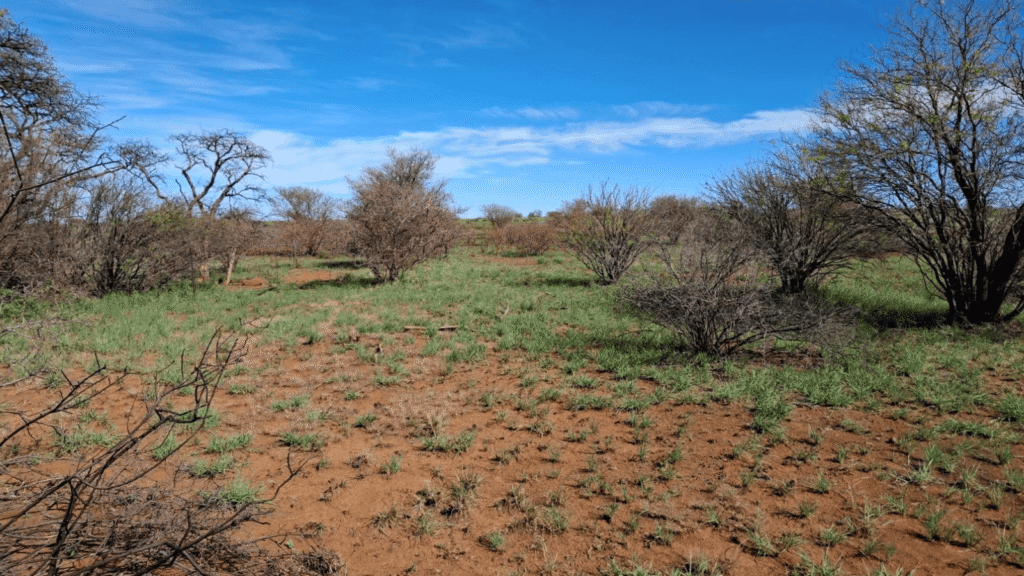
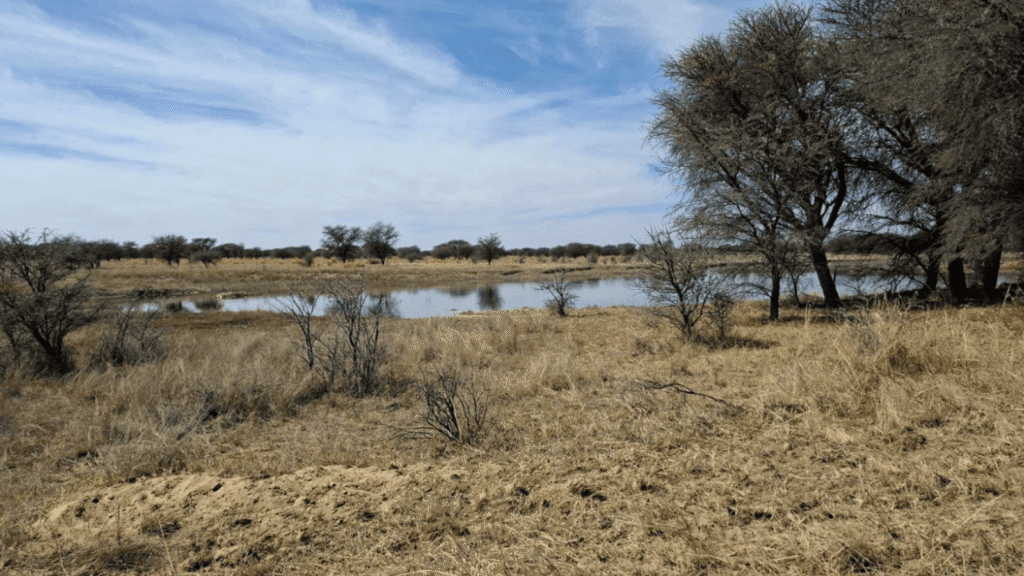
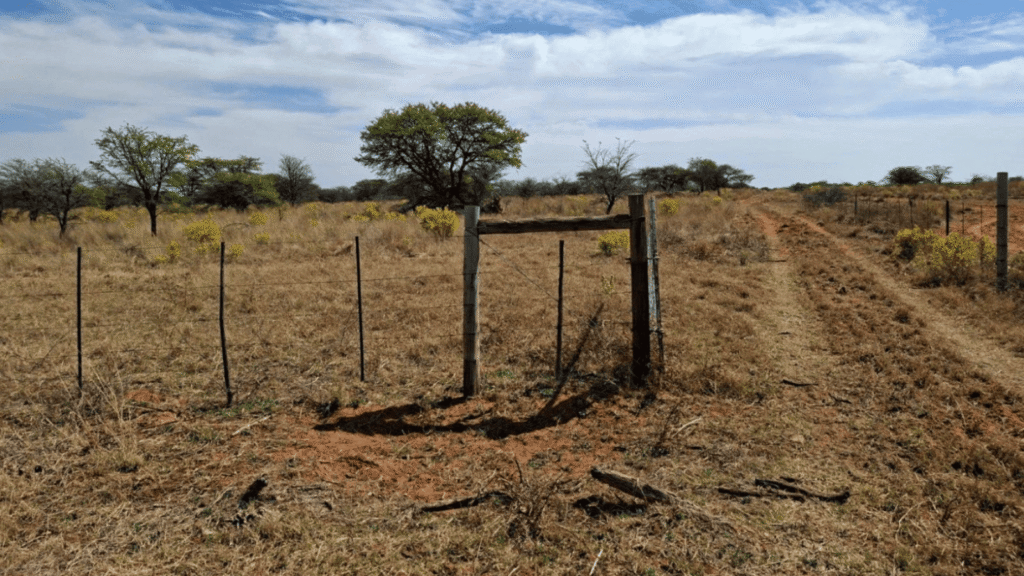
Photos of Vryburg
 Loading ...



Comments