Shoprite, Boxer, and Pep thriving in South Africa’s R1 trillion hidden economy


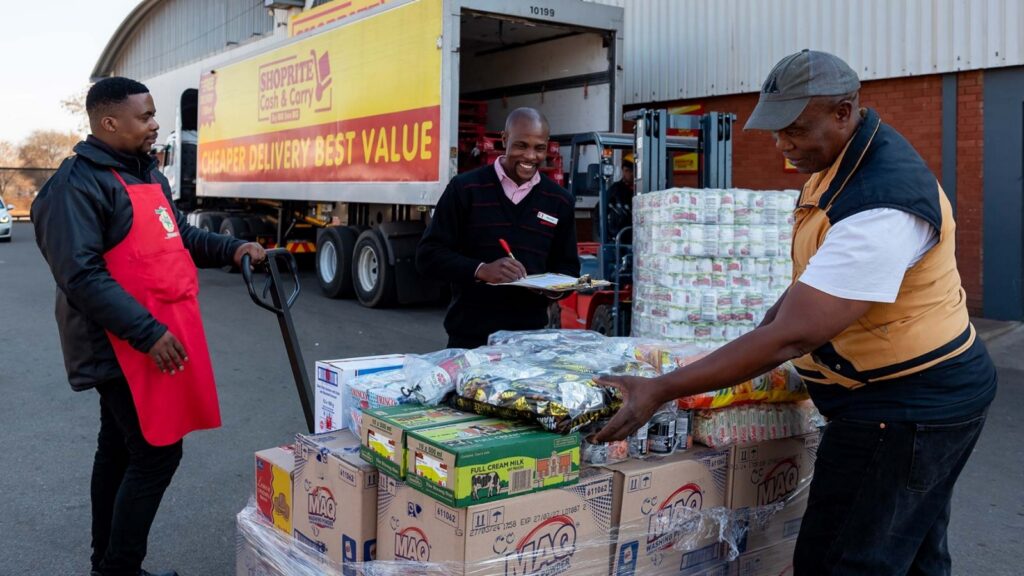
Formal businesses across South Africa are increasingly turning to the country’s townships and rural areas as untapped market potential.
South Africa’s township and rural economy is estimated to be valued at R1 trillion, presenting significant opportunities for companies willing to take them.
Retailers such as Shoprite, Boxer, and Pepkor are now striking gold as they continue to expand their services to cater to these areas.
The success of these companies across South Africa’s townships and rural areas was highlighted by informal economy expert GG Alcock in a recent interview on the BizNews podcast.
Alcock explained that when grocers like Shoprite and Boxer realised they could not compete with spaza shops in these areas, they pivoted towards supplying them instead.
“Shoprite found that their Usave format couldn’t compete with the foreign-owned spazarettes, so they launched Shoprite Cash & Carry,” Alcock said.
“Along with this, they launched an e-commerce platform where they will deliver to spazas and spazarettes. They recognised that they couldn’t compete with the corner supermarkets.”
According to Alcock, much of the growth seen by Shoprite and Boxer in recent years has come from their aggressive expansion into South Africa’s townships and rural areas.
While the fast-moving consumer goods sector has been generally flat, the opening of new stores in these areas has helped these two grocers stay ahead of their competitors.
The diversification of product offerings across these stores has also significantly boosted the growth of these retailers, as Alcock pointed out.
“Shoprite has doubled up on things like its financial services and its bank accounts,” Alcock said. “Its money transfer and remittances business is huge. Value-added services, which include airtime and electricity, are big.”
“This is where the big growth is. People like Lesaka and Pepkor are doing the same. They’re not just retailers anymore. They’re also a courier business, a money transfer business, a handset business, and a clothing business.”
Succeeding where others failed
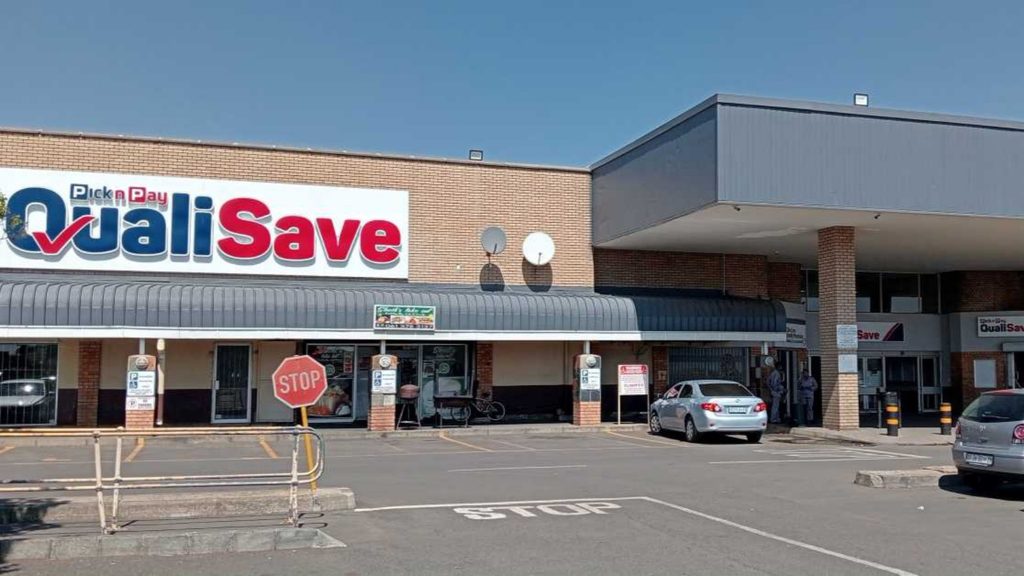
Alcock directly contrasted the success of Shoprite and Boxer’s expansion into the informal economy with the struggles Pick n Pay endured when it attempted to do the same.
This is mostly related to the company’s Ekuseni strategy, launched in 2022 by former CEO Pieter Boone to bring Pick n Pay closer to local communities.
“Pick n Pay went the wrong direction,” Alcock said. “They assumed there was an affordability issue within townships and informal spaces.”
“They launched this disastrous product called QualiSave, where they took a Pick n Pay and basically turned it into a cheaper, nastier store.”
As part of its new strategy, Pick n Pay planned to convert 40% of its stores into QualiSave stores, which would target lower- to middle-income demographics.
These stores would offer a range of around 8,000 products, focusing on essentials, while larger Pick n Pay stores would offer over 18,000 different products.
Alcock said this was the wrong move, as he said the expectations of consumers in townships and rural areas had moved more towards the middle class.
“Launching something like QualiSave, which was targeting the low-income sector, was never going to be successful,” Alcock said.
“Look at Boxer: Boxer looked like a wholesaler. Now, you walk in there, and it looks like a premium supermarket. The average Shoprite is a very premium store. It’s not low-end.”
Boone was succeeded in 2023 by Sean Summers, who has pivoted away from Ekuseni and QualiSave to focus attention on the core Pick n Pay brand.
Summers revealed to BizNews that the QualiSave initiative was an unmitigated disaster for Pick n Pay, and described the concept of it as “absolutely nuts”.
He explained that the Pick n Pay group already had a presence in these areas through Boxer, and that attempting to compete by selling the same products did not make sense.
“Unfortunately, the focus was taken off the Pick n Pay stores,” Summers said. “We had this really, really poor thought about QualiSave being able to compete in those marketplaces.”
“People were highly offended, and I don’t blame them. The markets and those population groups absolutely want their Pick n Pay.”
 Loading ...




Comments