Bank Zero’s plan to take on South Africa’s Big Five banks


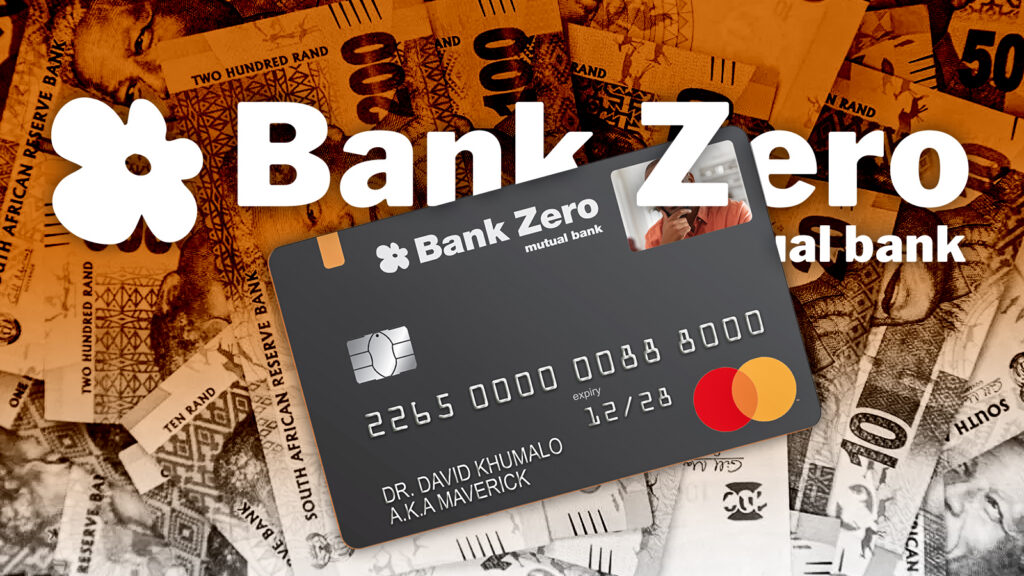
Now that Bank Zero has reached the coveted break-even milestone and proved that its model is profitable, the bank’s founders have set their sights on scaling.
This will put Bank Zero in direct competition with South Africa’s so-called Big Five incumbents, Standard Bank, FirstRand (FNB), Absa, Nedbank, and Capitec.
While Bank Zero is smaller and younger, co-founder and chairman Michael Jordaan believes the digital player has what it takes to become a challenger.
On Tuesday, 22 September, Bank Zero announced that it has hit the all-critical break-even milestone, having turned a profit for the first time since launching in October 2021.
This means Bank Zero reached the break-even milestone in 4 years and 10 months, with the bank having doubled its deposit base in the past year.
In an interview with Daily Investor following Bank Zero’s break-even milestone, Jordaan explained that this is an important milestone for the bank.
“This is why break-even is important, because now it can scale and it can scale inexpensively and scale beautifully,” he said.
He explained that the bank is well-positioned to achieve this scale, particularly as it plans to add more products in the coming years.
Bank Zero has applied to the Prudential Authority to begin lending and to expand its authorised dealer licence to allow offshore business payments and remittances.
On top of this, Bank Zero is being acquired by JSE-listed fintech Lesaka in a deal worth R1.1 billion.
The Lesaka deal will give Bank Zero immediate access to 2 million retail customers and 125,000 business customers.
While these factors will allow Bank Zero to scale and attract more customers in the coming years, it will also put the bank in more direct competition with the Big Five incumbents.
However, Jordaan believes Bank Zero has what it takes to become a notable challenger in South Africa’s increasingly competitive banking market.
Bank Zero positioned for growth

Bank Zero and other young players in South Africa’s banking industry find themselves in an interesting competitive dynamic.
For decades, the industry was dominated by four major players – Standard Bank, FirstRand (FNB), Absa, and Nedbank.
In 2001, this changed when Capitec appeared on the scene, with the micro-lender taking on the incumbents and becoming the largest bank in South Africa by customer count.
However, this still left the market with only five major players – until the advent of digital banking.
Between TymeBank, Discovery Bank, Bank Zero, and other newer digital players, South Africa’s banking industry is now more competitive than ever, with even retailers and insurers seeking a share of the market.
Jordaan acknowledged that South Africa’s Big Five incumbents pose fierce competition: they hold substantial balance sheets, have established brands, and have huge customer bases.
However, what Bank Zero lacks in history, it makes up for in innovation and technology.
“The startups have access to brand new technology. They can price differently because they don’t have to defend legacy pricing, and they can innovate far more easily,” Jordaan said.
Bank Zero co-founder and CEO Yatin Narsai gave Daily Investor a similar answer, summarising the bank’s competitive advantages as, “Pricing power. Powerful features. Great service.”
Jordaan used Bank Zero’s security innovation as an example, noting the bank’s notable success in preventing security breaches such as card phishing and online banking fraud.
Jordaan is particularly proud of the fact that, since its 2021 launch, Bank Zero has had zero security incidents or card breaches despite numerous fraud attempts.
This is thanks to the bank’s patented card technology, which also makes card skimming fraud impossible because Bank Zero rejects swipe transactions.
As a start-up, Jordaan explained that Bank Zero is also more lean and frugal than the incumbents, allowing it to keep overhead low.
And since the bank does not need to defend high legacy fees, it can pass cost benefits directly to consumers through lower-cost banking services.
“Everything is tough about starting a bank, but the toughest thing is acquiring customers, and that has now happened adequately that we can break even,” Jordaan said.
“So from now on, it gets a whole lot better.”