South Africa’s oldest municipality is going from zero to hero


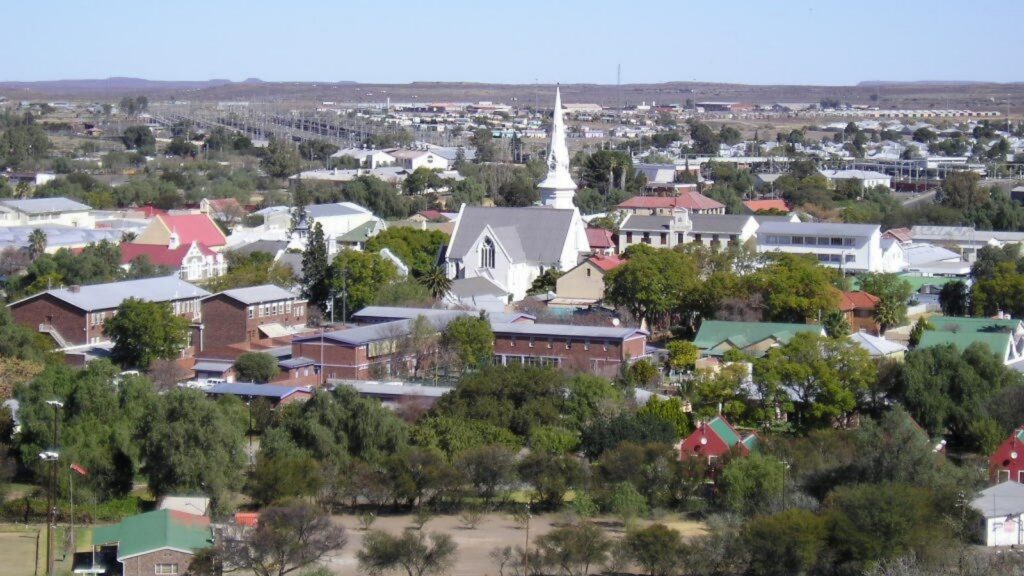
After years of enduring a severe financial crisis, the Beaufort West Local Municipality is beginning to show signs of recovery.
Located in the north-eastern corner of South Africa’s Western Cape province, the municipality is situated within the Greater Karoo area.
It is the largest local municipality in the Western Cape and the sixth largest in South Africa, covering an area of 21,917 square kilometres.
Despite its size, the municipality’s population is relatively small, with the latest national census in 2022 reporting a total of just 72,972 people.
Most of these people live in the namesake town of Beaufort West, with estimates that more than half of the municipality’s population resides there and in surrounding urban areas.
The town, also known as the “Capital of the Karoo”, has served as the seat of the Beaufort West Local Municipality since the municipality was first established on 3 February 1837.
This makes it the oldest municipality in South Africa and the site of the country’s first town hall, constructed between 1865 and 1866.
Initially covering only the town of Beaufort West and its immediate surroundings, it has since expanded to include the towns of Kwa-Mandlenkosi, Merweville, Murraysburg, and Nelspoort.
Today, the municipality plays a vital role in South Africa’s agricultural sector, particularly in sheep farming and meat production.
Saxon Merino sheep were first introduced to the area during the 1840s by John Charles Molteno, an Anglo-Italian man who later served as the first Prime Minister of the Cape Colony.
Since then, the municipality has become a hub for the production of Karoo lamb, South Africa’s first recognised and protected meat-industry Geographical Indication (GI).
Beaufort West is also the birthplace of Christiaan Barnard, who performed the world’s first successful human-to-human heart transplant operation in 1967.
Beaufort West making a comeback
Over the past decade, the Beaufort West Local Municipality has seen its political and financial situation deteriorate rapidly, only now showing signs of a turnaround.
In 2016, Good Governance Africa listed Beaufort West as the 12th best-run municipality in the country ahead of that year’s local government elections.
However, political instability over the next few years quickly derailed this, and by 2021, the municipality found itself increasingly unable to pay suppliers on time.
The municipality was placed under Section 139(5) provincial administration in August of that same year, with reports that it owed more than 2% of its operating expenditure.
By June of the next year, the municipality owed R120 million to its creditors, with two-thirds of this being owed to Eskom for unpaid bulk electricity purchases.
A Financial Recovery Plan for Beaufort West was developed by the National Treasury and implemented in March 2022 under provincial supervision.
Since then, the municipality has begun to show progress in its turnaround, posting a funded budget for the 2026/27 financial year, its first in six years.
It qualified for debt relief on both its bulk water and Eskom purchases, which could result in R94.2 million in debt being written off if both are successful.
This year, the Auditor-General of South Africa raised its audit opinion for Beaufort West to an unqualified opinion with findings, after years of receiving qualified and even disclaimed opinions.
While its collection rates remain below target and its cash reserves are insufficient, the municipality managed to achieve 98% of capital expenditure for 2024/25.
Member of the Western Cape Provincial Parliament Dave Bryant said that the achievement of a funded budget was a promising sign for Beaufort West’s continued recovery.
“Beaufort West has demonstrated that a municipality can recover from serious financial distress when there is political accountability and a willingness to implement difficult reforms,” Bryant said.
“The move to a funded budget is an important milestone following years of work to restore the municipality’s financial position and strengthen its governance.”





Comments