South Africans who rent face evictions, poor maintenance, and power cuts


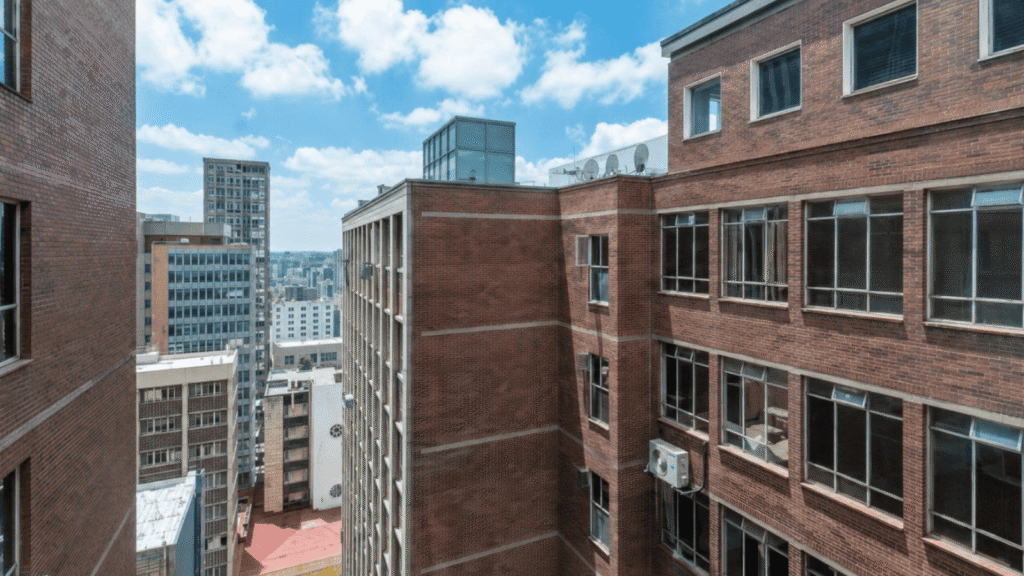
South Africans who rent properties are facing disputes over poor maintenance, unpaid rent, illegal lockouts, and landlords cutting off water and electricity.
Rental disputes are on the rise in South Africa. Between April and June 2026, the Gauteng Rental Housing Tribunal received 585 complaints
Speaking on Newzroom Afrika, Tribunal chairperson Advocate Emanuel Masombuka said this reflects the financial pressure facing both tenants and landlords.
Tenants are under pressure to pay rent and cover household expenses, while landlords have their own costs, including bond repayments, levies, and municipal accounts.
“When those pressures come together, they create disputes,” Masombuka said. The Gauteng Rental Housing Tribunal is intended to help resolve these disputes between landlords and tenants.
The tribunal, which operates free of charge, will attempt to resolve the issue using mediation. Where this does not resolve the matter, the aggrieved party can proceed to arbitration.
Poor maintenance is one of the biggest problems tenants face in their rental homes. In response, some people may decide to withhold payment until the landlord resolves a specific issue.
However, Masombuka stressed that tenants cannot decide for themselves to stop paying or reduce their rent. “Under no circumstances can a lessee do that,” he said.
A tenant who believes they are not receiving the full benefit of the property can approach the tribunal and make their case. The tribunal will then send an independent inspector.
If the inspection finds that the landlord is responsible for repairs, the tribunal can order the landlord to carry out the necessary work. However, tenants can also be held responsible where they caused the damage.
Rental deposits
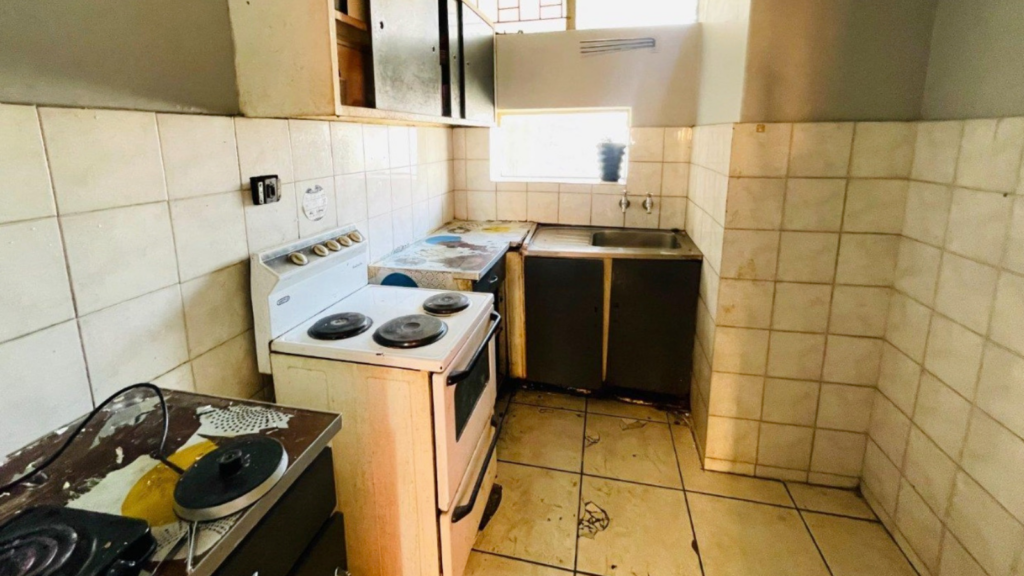
Rental deposits are another area where landlords and tenants often misunderstand their rights. Masombuka said there is no automatic legal obligation for a tenant to pay a deposit.
However, if the lease agreement requires a deposit and the tenant agrees to pay it, the landlord must comply with the legal requirements governing that money.
Under section 5 of the Rental Housing Act, the landlord cannot simply keep the deposit in a personal account.
The money must be placed with a financial institution where it earns interest at a rate no lower than that applicable to a savings account.
The deposit is intended to cover certain costs, such as damage caused by the tenant. The landlord cannot simply use it whenever they choose.
An incoming inspection should be conducted when the tenant takes occupation, with the condition of the property recorded in writing and signed by both parties.
This inspection provides a record against which the property’s condition can be compared later.
The condition of a property when a tenant leaves can determine whether any portion of the deposit is used.
Masombuka said the basic question is whether the tenant caused the damage or whether it resulted from normal use and ageing.
A property that has developed minor wear over many years would generally involve fair wear and tear.
However, damage caused by a tenant’s actions would be treated differently. “The principle is: what you use, you must pay for,” Masombuka said.
Where there is no damage, the rent and utility accounts are settled, and the property is returned in good condition, both the deposit and interest should be returned to the tenant.
How landlords must deal with tenants who do not pay rent
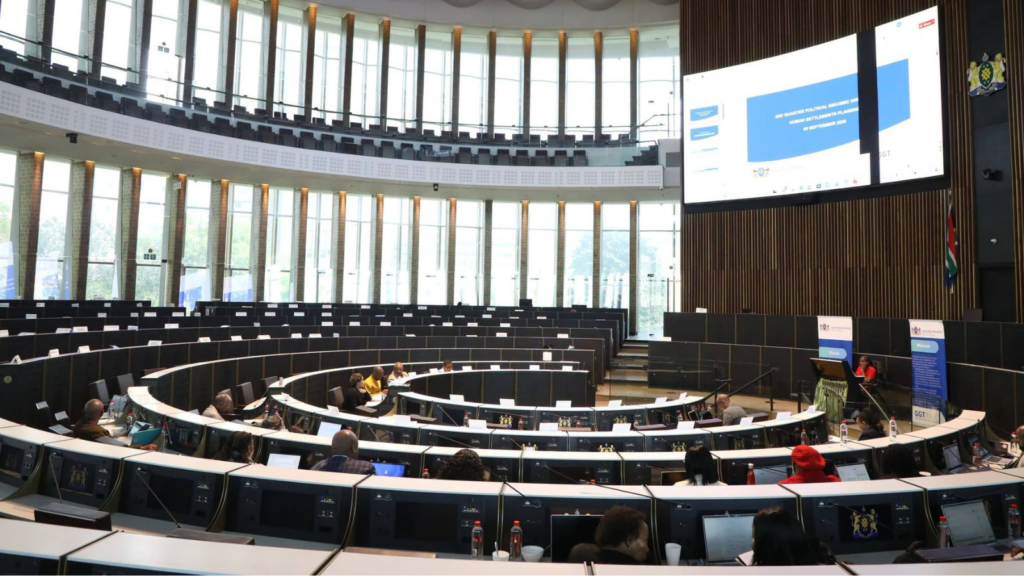
Landlords also have a responsibility to act lawfully when they have a grievance with their tenant. One of their biggest concerns is tenants who fail to pay rent.
They may be tempted to take matters into their own hands to resolve this issue, such as disconnecting utilities, locking the tenant out of the property, or attempting to evict the tenant.
However, Masombuka stressed that a landlord cannot use any of these methods simply because rent is in arrears.
“You need to get an appropriate order of court to obtain your rent back. You can’t just disconnect electricity and water even if they don’t pay the utility account,” he said.
Landlords also cannot evict a tenant who has stopped paying their rent without following the required legal process.
Tenants who have been locked out of their homes can approach the tribunal, which will order the landlord to reverse the lockout.
He said urgent rulings are ordinarily issued within 24 to 48 hours after the matter is heard, depending on the circumstances.
A lease agreement will usually specify the steps that follow nonpayment of rent, including how much notice a tenant must receive before being required to vacate the property.
Masombuka urged landlords to act as soon as a tenant falls into arrears rather than allowing debt to accumulate.
“Don’t wait to be owed hundreds and thousands of rands in rent. If that’s the case, then you become the architect of your own misfortune,” he said.






Comments