Top economist says South Africa should get rid of destructive policies like Expropriation without Compensation


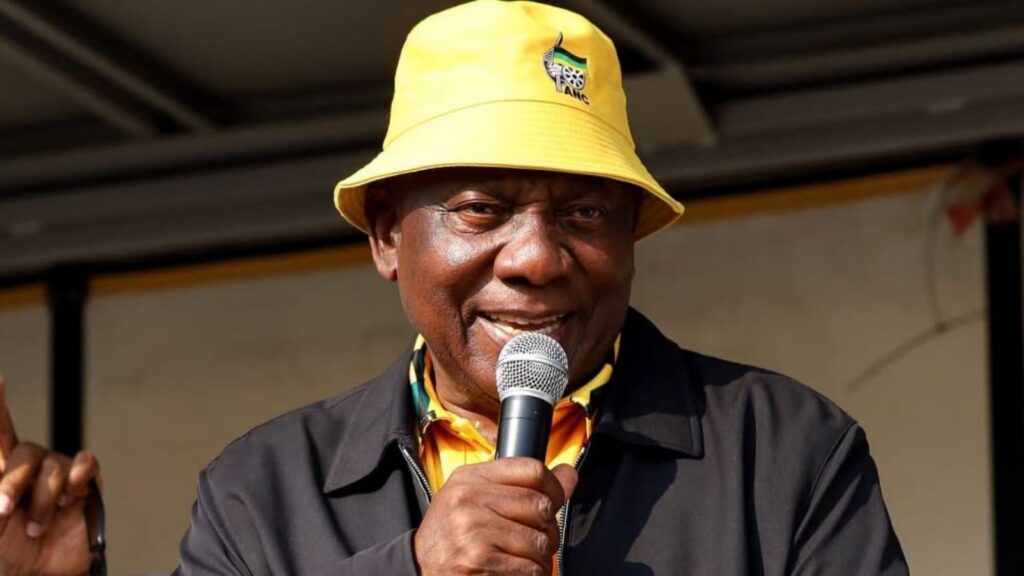
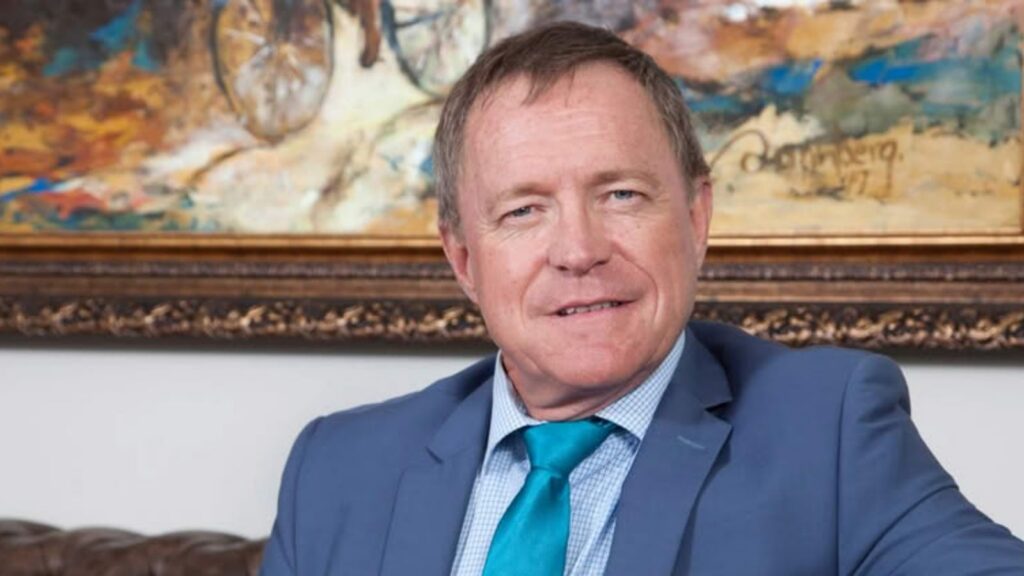
Efficient Group chief economist Dawie Roodt said South Africa needs to implement the right policies to make the economy more resilient to crises such as the war in Iran.
Along with implementing the right policies, Roodt said South Africa also needs to do away with policies that put downward pressure on economic growth, like Expropriation without Compensation.
In an interview with Truth Report, Roodt attributed South Africa’s slow economic growth to the country’s “weak and destructive” government and wrong macroeconomic policies.
He used Expropriation without Compensation and Black Economic Empowerment (BEE) as examples of these destructive policies.
Removing these policies, Roodt argued, is necessary if South Africa wants to build economic buffers and prevent further downward pressure on GDP growth.
Roodt’s comments come shortly after Statistics South Africa released the country’s GDP data for the second quarter of 2026.
This data showed that South Africa’s economy contracted by 0.2%, ending a six-quarter streak of growth.
Roodt said this puts South Africa at risk of entering a technical recession, as it is looking increasingly likely that GDP will contract again in the third quarter.
A technical recession is defined as two consecutive quarters of contractions. Roodt said this is a dangerous position for South Africa to find itself in.
“If the economy gets smaller while the state’s debt remains the same or continues to increase, as it does, then the ratio between debt and GDP will move in the wrong direction,” he said.
“I’m afraid this is what’s going to happen now. Debt will go up relative to the size of the economy, and eventually, we’re going to pay a very dear price for that.”
Roodt said that while many economists are attributing South Africa’s economic contraction to the war in the Middle East, the real reason lies closer to home.
While it is true that the war in Iran has pushed up fuel prices and, in turn, other prices in the economy, he said this is not the only factor at play.
South Africa is vulnerable
Roodt pointed out that international crises happen frequently, and South Africa must be prepared for that.
“We have to make sure that we’ve got the right ammunition locally to weather these kinds of storms, and we do not have that,” he said.
“What happens in the Middle East is impacting our South African economy, but it’s because the economy is weak and it is because we are not prepared for these sorts of crises.”
He attributed South Africa’s lack of preparedness to the fact that the country has the wrong macroeconomic policies.
“We’d better put the right kind of policies in place to make sure that when the next crisis strikes – and it is going to happen – that we are more prepared,” he said.
“We have to change certain policies like the so-called BEE and Expropriation, and a collapse of the local authorities and those sorts of things.”
“The reason for weak economic growth has to do with a weak and destructive government with the wrong macroeconomic policies.”
Roodt has previously explained that Expropriation without Compensation, in particular, is a detriment to economic growth because it threatens private property rights.
At the 9th BizNews Conference in August, Roodt said private property rights are among the most important concepts ever conceived by humans.
“For the first time, I could say that I own something. Whether that was a cow or a house, it was mine, and I could use it to create economic value,” he said.
“We had discovered something called trade, and that is why it is so crucially important to protect private property rights.”
“Without private property rights, you cannot trade, and without that, you cannot have these free lunches where wealth and value are created.”
He said the Expropriation Act, which was enacted in 2024 and allows for expropriation without compensation in specific circumstances, is a direct threat to these rights.
Roodt called it the “clearest threat” to private property rights in South Africa, and a detriment to value and wealth creation.




Comments